Get

In Your Inbox

Catster is reader-supported. When you buy via links on our site, we may earn an affiliate commission at no cost to you. Learn more.

Are Umbrella Plants Toxic to Cats? Vet Approved Toxicity Explained

Share

Catster_Are Umbrella Plants Toxic to Cats

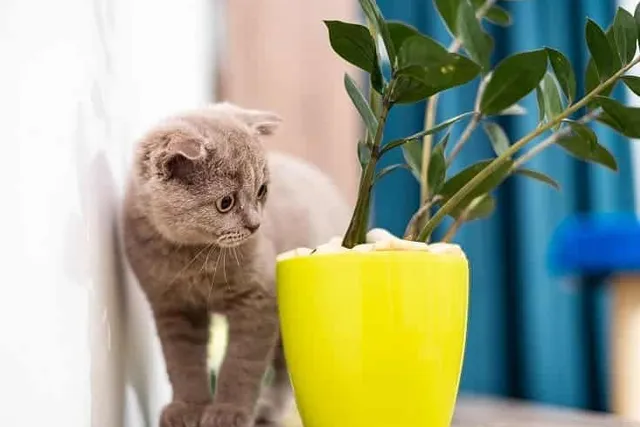
Plants are a popular way to beautify your home and break up the concrete jungle with a little bit of natural charm. However, many popular houseplants are toxic for our pets, and ingestion can be deadly. The term “umbrella plant” can refer to many different plant species, most of which are toxic for cats.

Here’s what you need to know about umbrella plant toxicity in cats!

divider cat faces 2 oct 2024

Umbrella Plant Toxicity: Are They Toxic to Cats?

According to the ASPCA’s non-exhaustive list of toxic and non-toxic plants, the umbrella plant, Eriogonum umbellatum, is non-toxic for cats, dogs, and horses. However, even if the plant is not naturally toxic cats may still experience gastrointestinal distress.

Cats are what we refer to as “obligate carnivores” in the science world. That means they’re biologically predestined to consume a diet primarily made up of animal proteins. In the wild, a least 70% of a cat’s diet comprises animal proteins.

Their gut microbiomes are different from those of herbivorous and omnivorous animals. The caecum—the part of the digestive tract that houses the bacteria used for breaking down plant material in herbivorous and omnivorous animals—is smaller and lacks the digestive enzymes and bacteria used to digest plant material.

Thus, when a cat consumes plant material—even if the plant is not inherently harmful—they may still experience some gastrointestinal distress due to anatomy.

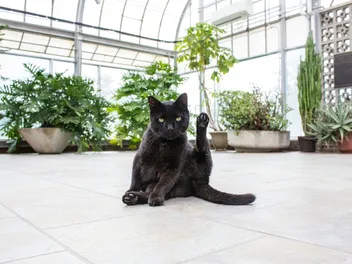
a black cat with succulent plants
Photo Credit: StockSnap, Pixabay

What About Other “Umbrella” Plants? Are They Safe for Cats Too?

Unfortunately, the Eriogonum umbellatum is the only plant known as an “umbrella plant” safe for cats. We’ve compiled a list of the other plants that may sometimes be colloquially referred to as an “umbrella plant” and the symptoms of toxicity that you might see in cats that have consumed part of the plant.

Umbrella Tree

umbrella leaf plant
Photo Credit: IM1nfam0us Photography, Shutterstock

First off, let’s look at the Brassaia actinophylla or the umbrella tree. This plant has many names, including the Australian ivy palm, octopus tree, starleaf, and schefflera. This plant is toxic to cats, dogs, and horses since it contains terpenoids, saponins, and insoluble oxalates.

However, while the umbrella tree is listed as toxic, the most common side effects of consumption are mouth pain, mild vomiting, and diarrhea. Mild toxicity is not known to cause severe or long-lasting complications.


Texas Umbrella Tree

texas umbrella tree or chinaberry tree in a park
Photo Credit: Rose Marinelli, Shutterstock

While the names sound similar, there’s a difference between the umbrella tree and the Texas umbrella tree. The Texas umbrella tree, Melia azedarach, goes by many names, including the China ball tree, Chinaberry tree, paradise tree, Persian lilac, white cedar, Japanese bead tree, bead tree, and the Pride-of-India. Still, the Texas umbrella tree is considered toxic for cats, dogs, and horses when consumed.

The Texas umbrella tree contains tetranortriterpenes known as meliatoxins. When consumed by a cat, owners can expect their cat to experience diarrhea, vomiting, hypersalivation, depression, weakness, and seizures. In severe cases of toxicity, death and serious complications can occur.

The berries have the highest concentration of toxins, but all parts of the Texas umbrella tree are considered toxic for cats, including the bark. Contact your veterinarian immediately if your cat has consumed part of your Texas umbrella tree, as this plant is highly poisonous for cats.

If you need to speak with a vet but can't get to one, head over to PangoVet. It's an online service where you can talk to a vet online and get the advice you need for your pet — all at an affordable price!

PangoVet_Mention-in-Content for PangoVet2 save money


Umbrella Leaf

close up umbrella tree
Image Credit: Namrahim, Shutterstock

Like the Texas umbrella tree, the umbrella leaf plant—or Podophyllum peltatum—is toxic to cats, dogs, and horses. The plant contains podophyllin that is toxic when consumed by animals, and complications can be severe, albeit rarely.

Animals that consume parts of the umbrella leaf plant will experience vomiting, diarrhea, lethargy, panting, and, in rare cases, coma. Skin contact with the plant can cause redness and skin ulcers. The most severe poisonings are from the unripe fruit and green leaves. The toxicity lessens as the fruit ripens.

divider cat faces 2 oct 2024

Final Thoughts

Unfortunately, many of the plants we’re accustomed to decorating our homes with are dangerous for our pets. The best way to keep your cat safe from any toxic plants is not to welcome the plants into your home in the first place. While the plants might be beautiful, they’re not worth accidentally harming your pets.

Contact your veterinarian immediately if you suspect that your cat may have ingested something toxic. Your veterinarian has access to poisoning information and can make a better decision on whether your cat needs to be brought into the office for observation.


Featured Image Credit: Burning_Bright, Shutterstock

Want content like this delivered to you?

Sign Up For Our Newsletter

News, insights, expert advice, and everything cat

* By submitting, you agree to our Terms & Conditions and Privacy & Cookies Policy.


How useful was this post?

Click on a star to rate (you can leave written feedback after clicking submit)

Help us improve Catster for pet parents!

Your feedback really matters.

What did you like about this post? Also how can we improve it?

Join the conversation

Leave a Reply

You’re very welcome to leave a comment or question. Please know that all comments must meet our community guidelines, and your email address will NOT be published. Let’s have a positive and constructive conversation.


Talk With A Vet Online

Peace of mind,
anywhere, anytime

Affordable vet advice

Do Cats Cause Schizophrenia? Scientists Find a Link – Here’s What It Means

Being a fierce advocate (and occasional recipient of) mental health support and awareness, the term ‘crazy’ is not one I like to fling...

One in 100 Cats Gets Diabetes – Here’s How to Catch It Early

One in every 100 cats develops diabetes.1 That’s not a rare, unlucky condition reserved for cats with obvious health problems. It’s common enough...

Dramatic Rescue Turns Into Dramatic Reunion

What started as a routine call for the RSPCA became a heroic, five-hour rescue featuring one trapped and traumatized cat, an emotional family...

Ask Dr. Paola – Help! How Do I Know if it’s Ear Mites! (May 4, 2026)

Welcome to our “Ask Dr. Paola” series, where every Monday we bring expert advice straight from Dr. Paola Cuevas (MVZ) to help our...

More related

Maine Coon Kittens for Sale in Oregon: Breeders List 2026

Catster advocates for adopting before shopping, though we fully understand there are many reasons for seeking a breeder. So, we encourage it to...

Can Cats Eat Pork? Vet-Verified Facts & FAQ

Cats are obligate carnivores and get all the nutrition they need from eating other animals. In the wild, you won’t find cats eating...

Why Your Cat’s Poop Smells Like a Biohazard

Nobody enjoys litter box duty, but sometimes it gets unbearable. The smell hits you from across the room. You’re scooping faster, lighting candles,...

Does Bleach Kill Fleas on Cats? Vet-Verified Facts & Safety Guide

Have you spotted fleas crawling all over your favorite furry friend? You might have heard that bleach can kill fleas, but hold off...

Keep reading

Is Neem Oil Poisonous to Cats? What You Need to Know! Vet-Verified Facts

Neem oil is the current trending natural remedy of the month, being touted for everything from insect repellent to treatment for ringworm. Anecdotes of its use on pets have been reported, but vets are not so quick to jump on...

neem oil with mortar and pestle

How to Care for a Cat with FIV: 8 Vet-Verified Tips for Better Feline Care

Although an incurable disease, feline immunodeficiency virus (FIV) doesn’t automatically mean a cat is doomed to a short life. This common infectious disease impacts a cat’s immune system, making them more vulnerable to illness and infection. However, cats with FIV...

cat being observed by a female veterinarian

How to Use Cat Litter Deodorizers: 5 Vet-Approved Tips & Guidelines

It can be hard to mask the smell of cat litter when you share your life with cats. The last thing you want to do is walk in the door and inhale that intense, distinct odor. Many people resort to...

orange cat beside litter box

Why Does My Cat Eat Tape? 6 Vet-Reviewed Reasons & What to Do

‘Tis the night before Christmas and all through the house—there’s a disturbing crunching noise coming from underneath the tree, where you find your feline crunching on the tape from the wrapped presents! You’re probably puzzled because you feed your cat...

scotch tape

Does Vinegar Stop Cats From Pooping Where They Shouldn’t? Vet-Verified Tips & Reasons for This Behavior

Having to deal with a cat that has a bad habit of pooping somewhere they shouldn’t can be frustrating. Fortunately, vinegar could help. Cats generally dislike the smell of vinegar, which means it can act as a natural deterrent and...

a jar of vinegar

Can Cats Eat Pistachios? Vet-Reviewed Nutritional Facts

Cats can eat some pretty crazy things, even though they are naturally obligate carnivores. If your cat has taken a shine to these delicacies, you might wonder if cats can eat pistachios. Luckily, pistachios are non-toxic to our wide-eyed kitties....

Can Cats Eat Pistachios

Does Bleach Kill Fleas on Cats? Vet-Verified Facts & Safety Guide

Have you spotted fleas crawling all over your favorite furry friend? You might have heard that bleach can kill fleas, but hold off before grabbing the bleach bottle! While bleach will kill fleas on hard surfaces, it should never be...

Bleach Bottle Spray

Do Cats Purr When They Are Stressed or Nervous? Vet-Reviewed Facts & FAQ

Almost nothing is more relaxing than having a cat curled up on your lap, purring gently. But have you ever wondered why cats purr? It seems like they purr when they’re happy, but do cats purr when they aren’t so...

cat sleeping on owner's lap

Love Cats? So Do We! Join the Catster Community

Stay informed with expert pet care insights delivered straight to your inbox! Discover professional guidance on animal behavior, feeding tips, trusted product picks, and much more.


Sign up for the Catster Email Newsletter

Stay informed with expert pet care insights delivered straight to your inbox! Discover professional guidance on animal behavior, feeding tips, trusted product picks, and much more.