Why Do Cats Hate Water? 5 Vet-Verified Possible Reasons


In this article
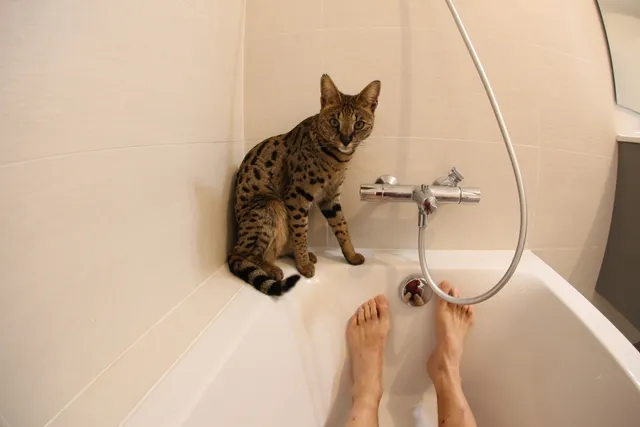
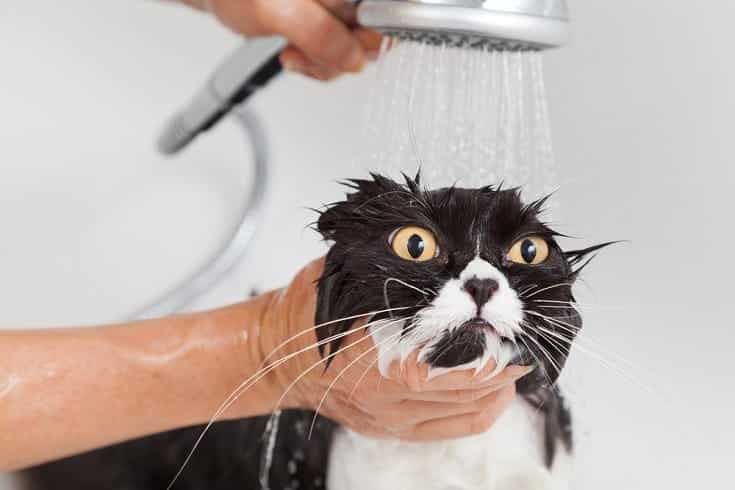
If you’ve ever tried to give your feline friend a bath, you might already know that your cat is not a fan of water. Most domestic cats don’t appreciate getting wet at all. It’s true that some breeds of domestic cats actually enjoy playing in water, though!
First of all, let’s look at the reasons that most cats hate water.
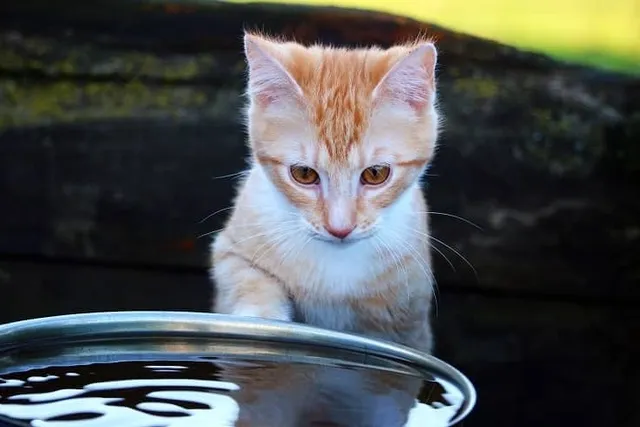
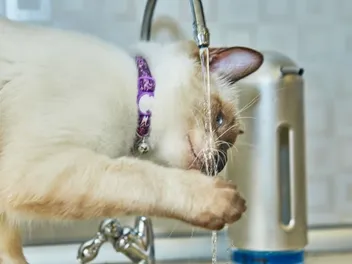
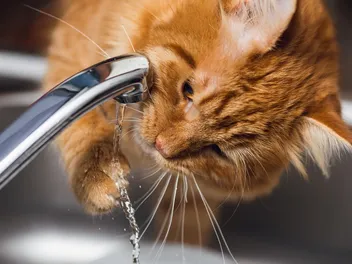
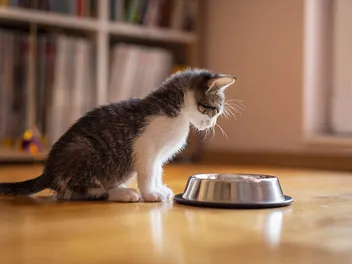
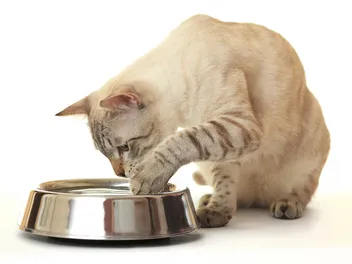
By the way, we’re talking about having a bath or falling into the pool here, not drinking water from their bowl! Many cats actually enjoy playing with water from a dripping faucet or tapping a shallow puddle with their paw.

The Main Reasons Cats Don't Like Water
1. Cats Evolved in Dry Climates
Our domestic kitties evolved from wild cats whose natural habitats were deserts. These wild cats didn’t often have to deal with large rivers or lakes, so the evolutionary history of cats doesn’t give them any basis for which to deal with water.
The domestic cat’s wild ancestors never learned to swim because there was no need. So, most breeds of domestic cats aren’t comfortable swimming either. Granted, most probably could swim a little cat-paddle stroke if they needed to as a matter of survival, but unlike dogs, they won’t usually find this enjoyable in the slightest.
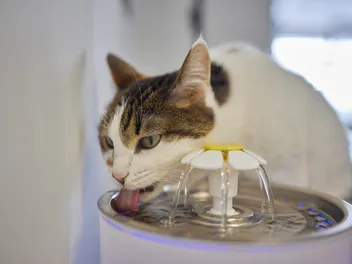
Many cats also prefer to drink from a cat fountain or a dripping tap than a bowl of water. This is because their instincts tell them that it’s safer to drink from a moving water source, as it’s less likely to be contaminated.
Some cats will also choose to drink water from a puddle of rainwater rather than their bowl. Due to their sensitive sense of smell, rainwater is preferable to tap water, which can smell strongly of chemicals.

2. Water Can Make a Cat’s Coat Uncomfortable
Cats love to groom themselves and will typically spend hours each day keeping their coats meticulously clean and tidy. Being covered in water can make their coats feel heavy and uncomfortable.
A heavy coat can also make your cat feel vulnerable. Even though your house likely doesn’t contain any predators, your cat’s evolutionary survival mechanism will still make them feel off their game.
Once a cat has dried off, which can take a few hours if left to dry naturally, they will be left with an unfamiliar scent on their coat. Whether they’ve had a bath due to a skin infection or accidentally got caught in a downpour, their coat won’t smell like normal. This can make your cat feel stressed, and they’ll want to clean and groom themselves to try to remove that new smell and get back to what they’re used to.
3. Cats Can Be Frightened of Falling in Water
Some cats simply might have had a bad experience with water in the past, and they are cautious or frightened as a result. If your cat has never had a bath and you chuck them in a full tub with no warning, don’t be surprised if they let you know their displeasure!
On the other hand, kittens who have regularly received shallow baths all their life will be much more comfortable in an environment that they’ve had time to get used to.

4. Cats Can Smell Chemicals in Tap or Pool Water
Cats have an incredibly sensitive sense of smell, and the chemicals used to treat tap water can offend their delicate noses. Even for some cat breeds that do enjoy playing in water, the chemical smell of tap or pool water can put them off.
Add to this the strong smells of certain pet shampoos, and your cat will be even less keen. If your cat needs a bath, then there’s not much you can do to get around the smell of the shampoo, but depending on where you live, you can take steps to make your tap water smell less offensive to your cat.
Some municipalities treat their tap water with chlorine. If yours does, you can fill a few buckets with water designated for washing your cat and leave them to stand for 24 hours. The chlorine will dissipate out of the water, leaving it smelling less strong to your cat.
If your municipality uses chloramine, this is more stable, so unfortunately, it won’t dissipate no matter how long you leave the water standing.
5. Being in Water Makes Them Feel Out of Control
Cats love to be in control, so placing them in an unfamiliar bathtub and dousing them with water can make them feel like they need to go into fight-or-flight mode. If your cat can’t engage their flight mode by running out of a slippery bathtub half-filled with water, they might decide to fight instead.
Tips for Bathing Cats Who Don't Like Water
Giving your cat a bath without training them how to deal with the situation first is unfair and will almost certainly make most cats feel out of control. If you do need to bathe your cat, having two handlers can help.
When you need to bathe your cat, we recommend the following tips:
For cat parents seeking to help keep their water-averse felines clean, we highly recommend these waterless grooming products. The Hepper Waterless No Rinse Dry Shampoo is the ultimate fur refresher, and the Hepper Wash Wipes make cleaning eyes, ears, paws, and bum a breeze. Learn more about each product in the table below.
| Image | Product | Details | |
|---|---|---|---|

|
Hepper Waterless No Rinse Pet Shampoo |
|
Check Price |

|
Hepper Wash Wipes |
|
Check Price |
At Catster, we’ve admired Hepper for many years and decided to take a controlling ownership interest so that we could benefit from the outstanding designs of this cool cat company!
Some Cats Don’t Hate Water at All!
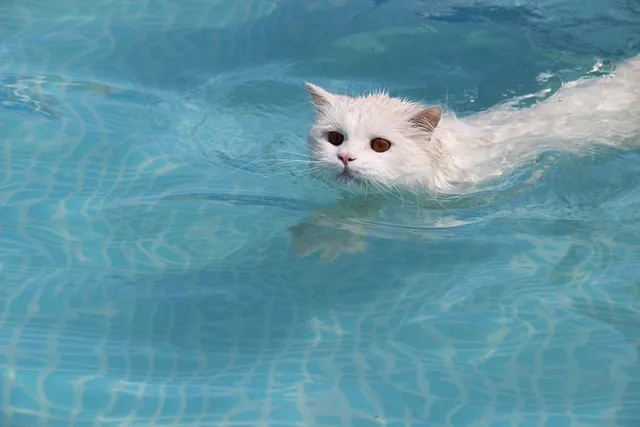
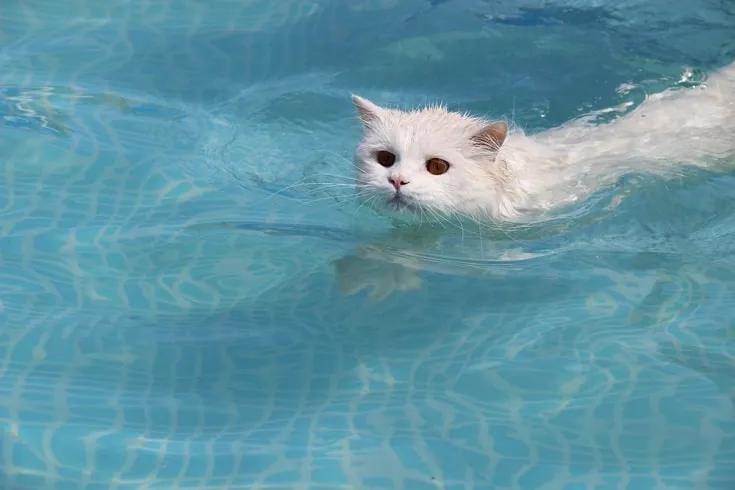
Certain breeds of domestic cats actually love water! These include the Bengal, Maine Coon, Abyssinian, and Turkish Van.
Some of these breeds have a slightly waterproof outer coat, meaning it’s easier for them to dry off if they do take a dip.
The Turkish Van is even sometimes called the “swimming cat” due to their love of water.

Wrapping It Up
Many breeds of cats will love looking at a dripping tap, but that doesn’t mean they love water. They’re more likely responding to the shifting patterns of light and movement that trigger their hunting instincts.
If you’re the owner of a cat that doesn’t like water, it’s a good idea to train them to accept having the occasional bath. If they need a medicated shampoo for a skin infection or an emergency bath after rolling in engine oil, it’s best that they’re prepared!
See Also:
Featured Image Credit: 135pixels, Shutterstock
Expert cat care, straight to your inbox
News, insights, and useful advice, delivered to you.

No spam — unsubscribe anytime.
By signing up, you agree to our Terms & Conditions and Privacy & Cookies Policy.
How useful was this post?
Click a star to rate. You can leave written feedback afterwards. (We read all feedback.)
Emma is a freelance writer, specializing in writing about pets, outdoor pursuits, and the environment. Originally from the UK, she has lived in Costa Rica and New Zealand before moving to a smallholding in Spain with her husband, their 4-year-old daughter, and their dogs, cats, horses, and poultry. When she's not writing, Emma can be found taking her dogs for walks in the rolling fields around their home...and usually, at least some of the cats come along, too! Emma is passionate about rescuing animals and providing them with a new life after being abandoned or abused. As well as their own four rescue dogs, she also fosters dogs for re-homing, providing them with love and training while searching for their forever homes.