Can British Shorthair Cats Swim? Do They Like Water? Vet-Verified Info


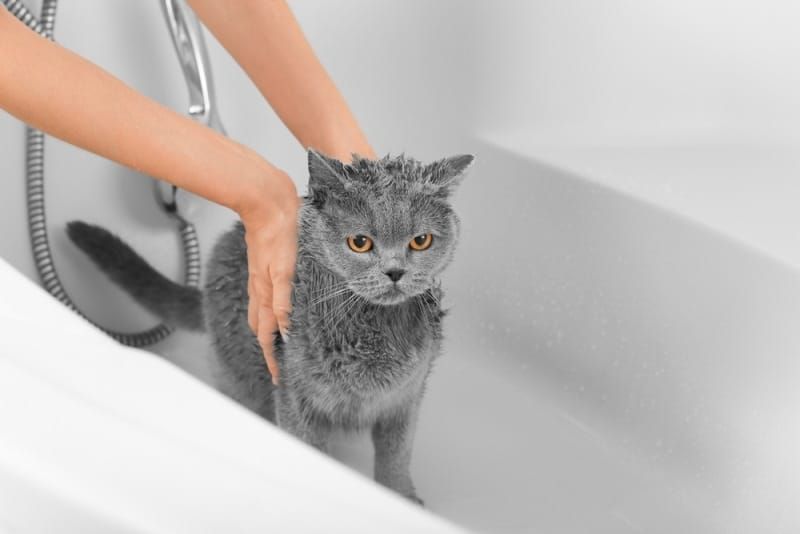
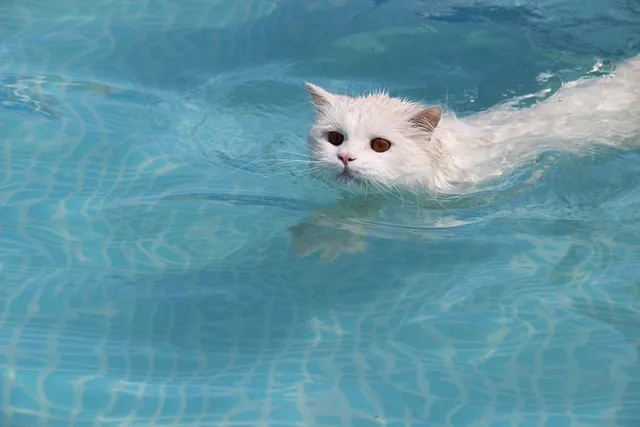
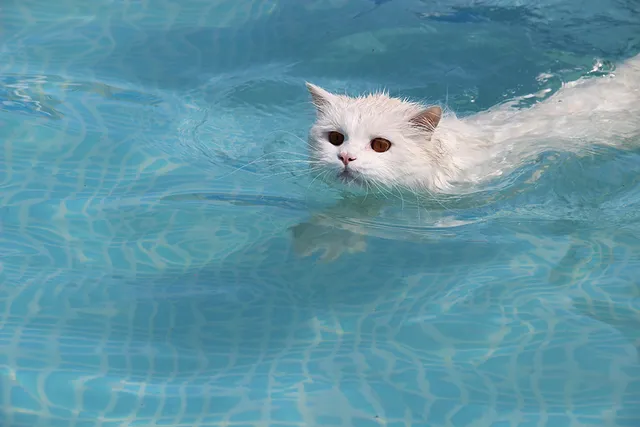
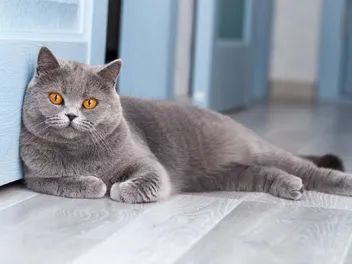
British Shorthair cats are recognized by their rounded cheeks and thick, soft fur. They are round and more heavy-set than some other breeds, and you might wonder whether or not they can swim. The answer is yes, British Shorthairs can instinctively swim. Swimming is instinctual in all cats; not all cats may swim by choice, but if faced with a situation where they are at risk of drowning, British Shorthair cats can often swim effectively enough to get themselves out of danger.
They can swim safely but aren't strong swimmers since they aren't built for it. They often get tired out against strong currents or deep water, so always protect your cat around any bodies of water, such as pools, ponds, or rivers.

Do British Shorthair Cats Like Water?
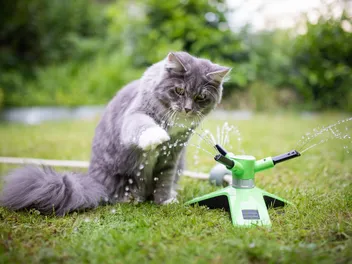
It's true that most cats don't like water. However, some breeds, including the British Shorthair, are anecdotally more inclined to enjoy it. Cats are known to love and be fascinated by movement, including that of running water. This means that flowing water or a dripping tap may make them more likely to explore it, but there is no real way to definitively say whether your British Shorthair cat will like swimming in the water.
How well a cat takes to water is often determined by how they were socialized to it as a kitten. However, some individuals just don’t have a preference for swimming, much like how we as individuals may or may not like swimming (even those who are able to swim).

What Should I Do if My British Shorthair Cat Gets Into Water?
British Shorthair cats have dense fur, which can protect them from getting cold. Their coat is partly water-resistant, which is why a cat that dunks their head under a flowing tap or paws at a stream of water may not immediately become wet on the areas that come in contact with water.
However, once in a large enough body of water, British shorthairs will get waterlogged quickly. If your British Shorthair falls into the water, pull them out as quickly as possible. Immediately dry them with a soft, warm towel and reassure them. Your cat will likely be incredibly stressed, so they need to be placed in a stress-free environment that's warm, calm, and quiet.
Observe your cat closely following a fall into the water, particularly watching their breathing and general demeanor. Some cats will recover quickly from a potentially traumatizing event, but some will hide away and may not come out for food or to play. Providing your British Shorthair with a safe space with their litter box, food, and water bowls close to hand can help keep them comfortable if they don't want to come out of hiding, but make sure you can regularly assess their breathing.
Inhaling water, especially pond or pool water, can cause aspiration pneumonia, which can be fatal if not treated.
Signs of aspiration pneumonia to watch out for include:
This means that bacteria in the water your cat has fallen into has traveled to their lungs via inhaled water. Once it takes hold, it can cause an infection that restricts breathing. You should take your cat to the vet if they show any signs of pneumonia.
Can I Get My British Shorthair to Enjoy Water?
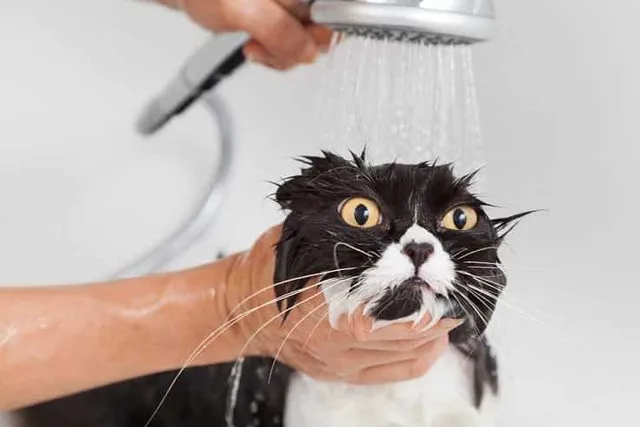
Many cats are afraid of water as they are not exposed to it early in life. So, there's no reason to get your cat acquainted with water generally, and they'll only need bathing if they're very dirty or they come into contact with toxic or harmful substances.
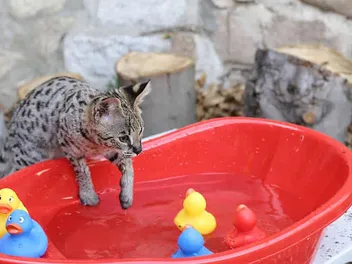
However, if you want to introduce your cat to water, you should do so slowly and go at their pace. You can introduce them to water by using toys in a tray of water or letting them sit in the bathroom when you're bathing. If they show interest, you can explore dripping showers or tiny amounts of warm water in the bath. Some British Shorthair cats will take to this immediately, but some might need more time to adjust.
It's important to remember never to force your cat into water or drop them into a full bath; this will traumatize them and can cause lasting behavioral and physical issues in the future.
Final Thoughts
British Shorthairs are known for being inquisitive creatures that often are not afraid of playing with water. However, many cats don't like getting wet or going into the water, as they're not socialized to it as kittens.
Observing your cat's behavior and noting any curiosity towards water is a good indicator of whether you could start introducing them to it, such as introducing a shallow water tray or a dripping shower. You may find that your British Shorthair loves water; it's not unheard of, as these cats can let their inquisitiveness guide them!
Sources
Featured Image Credit; Zulkarnieiev Denis, Shutterstock
Expert cat care, straight to your inbox
News, insights, and useful advice, delivered to you.

No spam — unsubscribe anytime.
By signing up, you agree to our Terms & Conditions and Privacy & Cookies Policy.
How useful was this post?
Click a star to rate. You can leave written feedback afterwards. (We read all feedback.)
Christian started writing for a local newspaper as a teenager, and he's been involved in the publishing industry for most of his adult life. Combining his love of writing with a passion for animals, he is currently the Director of Editorial at Pangolia and the Editor-in-Chief at Catster.
Christian lives in the Philippines with his wife, son, and four rescue cats: Trixie, Chloe, Sparky, and Chopper.