Can Cats Drink Tap Water? Vet Approved Facts & FAQ


As humans, we have so many options when it comes to what to drink each day. Coffee for breakfast (or all day), juice, soda, milk, or even adult beverages are all on the menu. Cats, however, generally only get one drink choice: water.
Even water comes with options, though, and cat owners may wonder which is best for their beloved pet. For example, can cats drink tap water? Cats can typically drink any plain water that’s safe for humans, including tap water.
In this article, we’ll discuss why drinking tap water is safe for your cat and the importance of adequate hydration for your cat’s health. We’ll also give you some tips on increasing your cat’s water intake.

Why Tap Water Is Safe for Cats
All tap water consumed by humans must be treated and filtered to ensure it is safe. This process is designed to remove impurities, chemicals, or dangerous bacteria that could be present in the water. In the U.S., the Environmental Protection Agency (EPA) sets and enforces safety standards for tap water.
Tap water that is safe for humans is also safe for cats and even contains beneficial minerals. Some people prefer to further filter their tap water with a home system, increasing its purity and safety level.
While many people may believe that bottled water is safer and healthier than tap water, that’s not necessarily the case. Bottled water and tap water are both held to similar safety standards. In fact, some of the most well-known bottled water brands are just tap water, slightly more purified.

How Much Water Should a Cat Drink?
Cats should drink about 3.5 to 4.5 ounces of water per 5 pounds of body weight each day. So, a 10-pound cat would need between 7 to 9 ounces, or right around one cup of water daily. Cats who don't drink enough water may become dehydrated, especially if they are also suffering from other medical conditions like diarrhea or a fever.
In the wild, cats get most of their water from their food, but the dry kibble eaten by most house cats doesn't provide enough moisture to keep them hydrated. Because their ancestral wild cats didn't need to drink much water, domestic cats have less drive to drink than dogs. Those with any underlying health concerns may need to change to wet food or water additives to encourage adequate water intake.
Not drinking enough water contributes heavily to feline urinary problems like bladder stones, infections, and cystitis. Cat owners, especially those whose cats suffer from these issues, may need to take steps to increase their cat’s water intake. We’ll talk about some of those steps next.
If you're looking for additional information or have any concerns about your cat or their health, we recommend you contact a vet directly.

Top 5 Tips to Increase Your Cat’s Water Intake
1. Switch to Canned Food
One simple step you can take to increase your cat’s water intake is to switch them from dry to canned food. A vet can help you choose a quality option. You may need to try several different textures to find one your cat enjoys.
Make any food changes gradually to avoid upsetting your cat’s stomach. If your cat refuses to eat the new food, don’t push them. Not eating, even for just a few days, puts your cat at risk of developing a life-threatening condition called hepatic lipidosis.

2. Add Water to Dry Food
If your cat doesn't like canned food (or it doesn't fit into your budget!), another option is to add water to their dry food. Because some cats can be picky about their food texture, start by adding a small amount of water and gradually increase to allow the kitty time to adjust to the moistened kibble.
3. Use Multiple Water Bowls
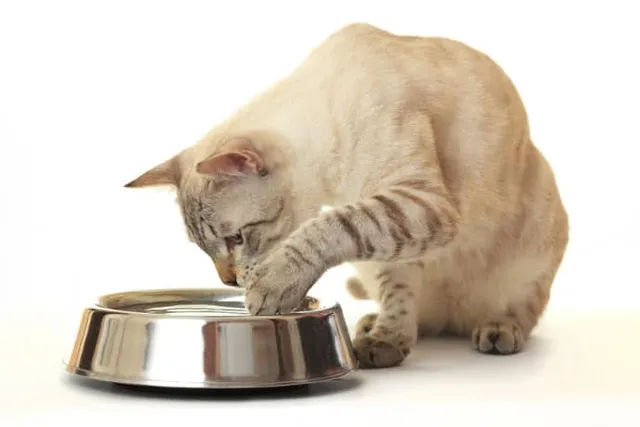
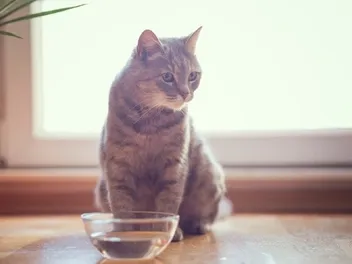
Place multiple water bowls around the house so your cat always has a convenient water source. Putting a water bowl next to the food bowl may seem sensible, but actually, cats prefer the water bowl to be away from their food bowl and litter tray. Try different sizes, shapes, and materials of water bowls to see if your cat prefers one in particular. Often, cats will even enjoy drinking from a glass on your bedside table!

4. Try a Cat Water Fountain
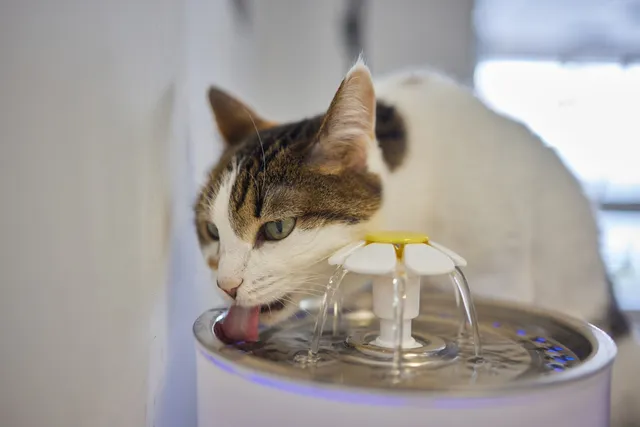
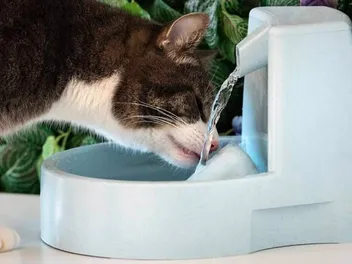
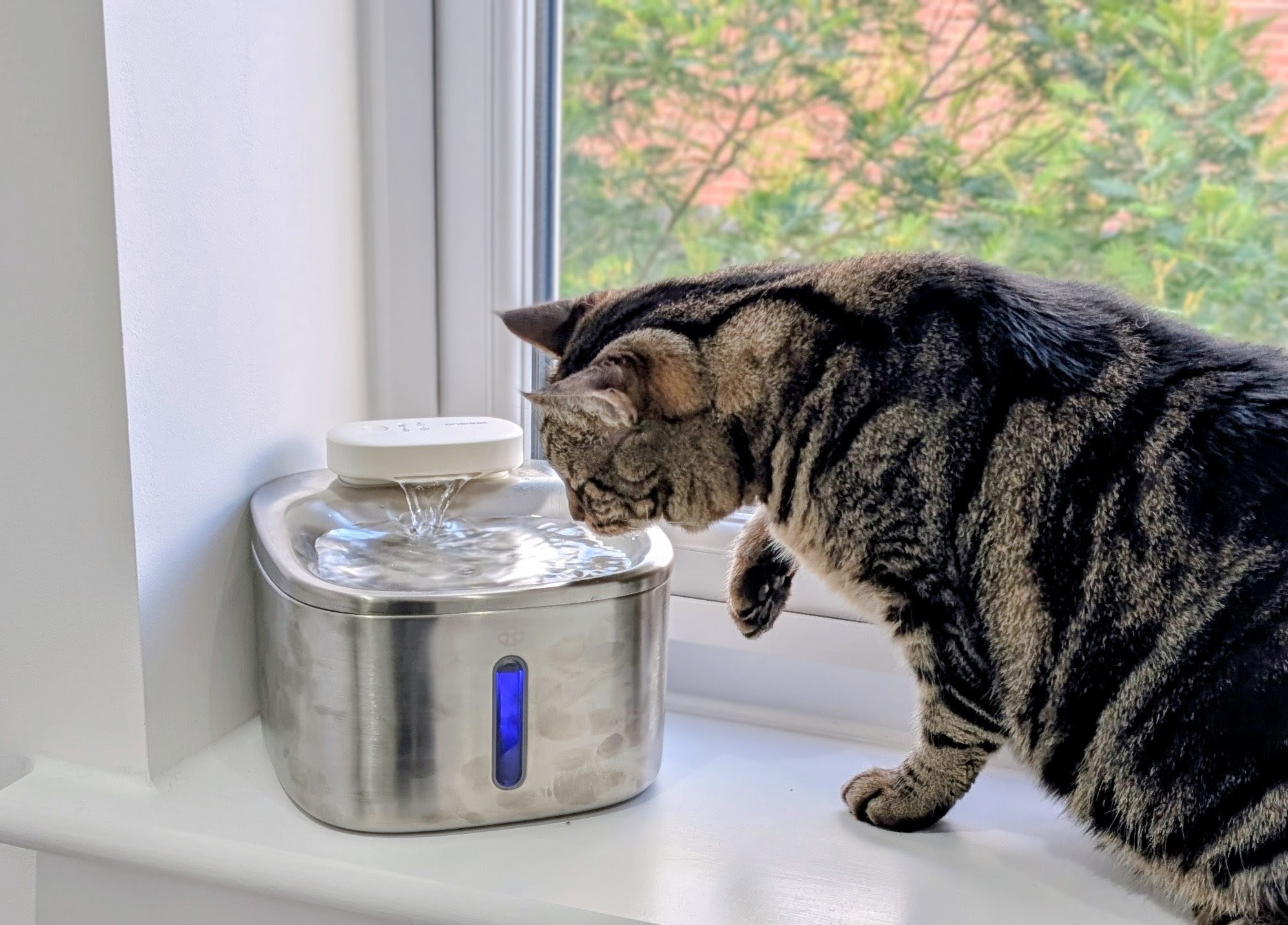
Many cats enjoy drinking moving water, so you could try letting a faucet drip, although this is not the most eco-conscious option. A better choice might be to purchase a cat water fountain. Make sure the fountain and filter are cleaned regularly.
5. Flavor the Water
Adding a bit of flavor to some of your cat's water may help them drink more. Clam juice, tuna juice, or broth are all possible options. Make sure you check with a vet first to make sure it's safe for your cat to drink these extras. Cat-safe broths and water additives are available.
Also, check the ingredients of any human broth you use to make sure it’s free of garlic and onions, which are toxic to cats. Many prepared broths are also very high in salt, which isn’t healthy for most cats. Just make sure they are managing to also ingest some regular, clean water as well during the day.

Conclusion
Water is essential for life, both human and feline. Luckily, you don't have to spend extra just to keep your cat hydrated. Tap water is a safe option available right out of your faucet. Along with eating a balanced diet, drinking enough water is key to maintaining your cat's health. If you're worried about your cat's water intake, try some of the tips we discussed, and be sure to discuss your concerns with a veterinarian.
See Also:
Featured Image Credit: rihaij, Pixabay
Expert cat care, straight to your inbox
News, insights, and useful advice, delivered to you.

No spam — unsubscribe anytime.
By signing up, you agree to our Terms & Conditions and Privacy & Cookies Policy.
How useful was this post?
Click a star to rate. You can leave written feedback afterwards. (We read all feedback.)
Elizabeth Gray is a lifelong lover of all creatures great and small. She got her first cat at 5 years old and at 14, she started working for her local veterinarian. Elizabeth spent more than 20 years working as a veterinary nurse before stepping away to become a stay-at-home mom to her daughter. Now, she is excited to share her hard-earned knowledge (literally--she has scars) with our readers. Elizabeth lives in Iowa with her family, including her two fur kids, Linnard, a husky mix and Algernon, the worldʻs most patient cat. When not writing, she enjoys reading, watching all sports, and spending time outdoors with her family.