Does Febreze Kill Fleas on Cats? Vet Reviewed Effectiveness & Alternatives

In this article
Febreze is a household cleaning brand specializing in producing deodorizing products. Products such as pet fabric fresheners and deodorizing sprays are some of their most well-known lines, but no products that Febreze manufactures are safe for direct use on cats, and none of them will kill fleas.
While their products are safe for use around pets, it's recommended by the ASPCA and Febreze themselves to never apply their products directly on your cat. Read on below to find out more.

What Is Febreze?
Febreze is a brand of household disinfectors and deodorizing sprays that concentrates on cleaning and freshening around the home. Since its introduction in 1996, Febreze has been a staple in homes in many countries worldwide, including the US and UK. Febreze uses ingredients that trap odors and dispel them, often combining these with perfumes and disinfectants to eliminate bad smells rather than just covering them.
Febreze has a line of pet products aimed at cleaning and deodorizing pet bedding and fabrics that pets come into contact with, including cat beds. This pet line includes a fabric spray and an air deodorizer. All Febreze products are made by Procter & Gamble.
Does Febreze Kill Fleas?
Fleas are notoriously difficult to kill. They are hardy, and while adult fleas may be more susceptible to chemicals, the larvae and eggs are very resistant to almost everything. Unfortunately, Febreze does not contain anything that can kill fleas at every life stage, which is the only way to eliminate 100% of the fleas in your home. As for the live fleas that live on your pet, a warm bath with shampoo can kill them temporarily, but the only effective way to eliminate fleas from your cat's coat and keep them away is by using a flea medication prescribed by your vet.
Febreze will likely irritate adult fleas and can potentially repel them due to the citronellol and citrus perfumes in the pet odor formulation. However, you shouldn't rely on using Febreze to get rid of fleas on your cat, as they'll likely stick around and multiply if you do!

Is Febreze Safe for Cats?
There has been some conflicting information surrounding Febreze and using it around pets for a while, but Febreze and the American Society of the Prevention of Cruelty to Animals (ASCPA) Animal Poison Control clarified the facts.
The ASPCA states that Febreze is safe to use around pets (including cats) as long as it’s used as directed. They also state that if a pet were to get the product on their skin accidentally, it might cause minor skin irritation and minor gastrointestinal upset if they were to ingest some.
However, the Febreze website makes it clear that Febreze products should not be used directly on pets. Spraying Febreze on your cat to get rid of their fleas won't work beyond upsetting your cat immensely and leading to them getting sore skin and an upset stomach, or worse.
What Can Be Used To Kill Fleas on Cats?
Several very effective flea-killing products can work in tandem with treatments for the home that your vet can prescribe. Firstly, take your cat in for an examination or speak to your vet about the best options for your cat, as some are more suitable for cats of a certain age or health status than others.
- Topical spot-on treatments, such as Advantage, are applied to the skin at the back of the neck and generally last for one month.
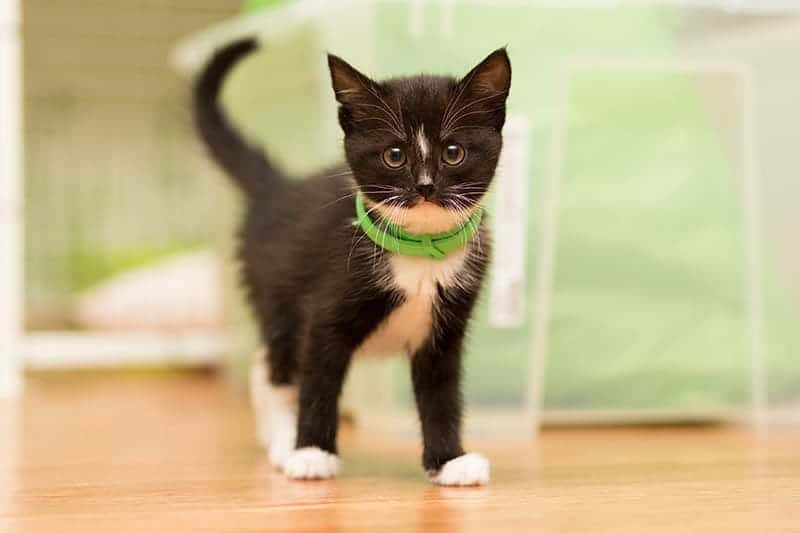
- Collars such as Seresto are impregnated with flea-killing ingredients. These must be worn all the time to be effective.
- Tablets kill fleas instantly but do not protect cats as long as topical treatments.
The common ingredients in these medicines are imidacloprid, pyrethrin, fipronil, and fluralaner. Make sure never to use permethrin on cats, as it is extremely toxic. Permethrin is often found in dog flea treatments, so never apply a dog flea treatment to a cat or allow a cat to be around a dog immediately after flea treatment has been applied.

How Can I Tell if My Cat Has Fleas?
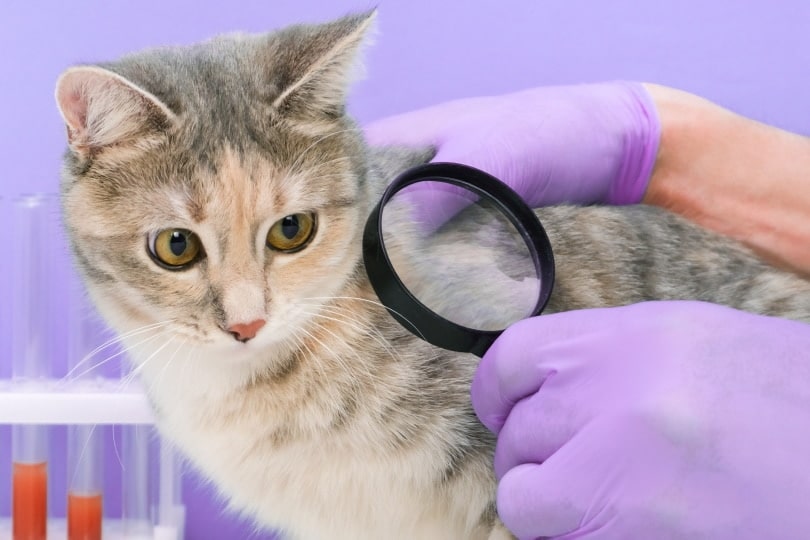
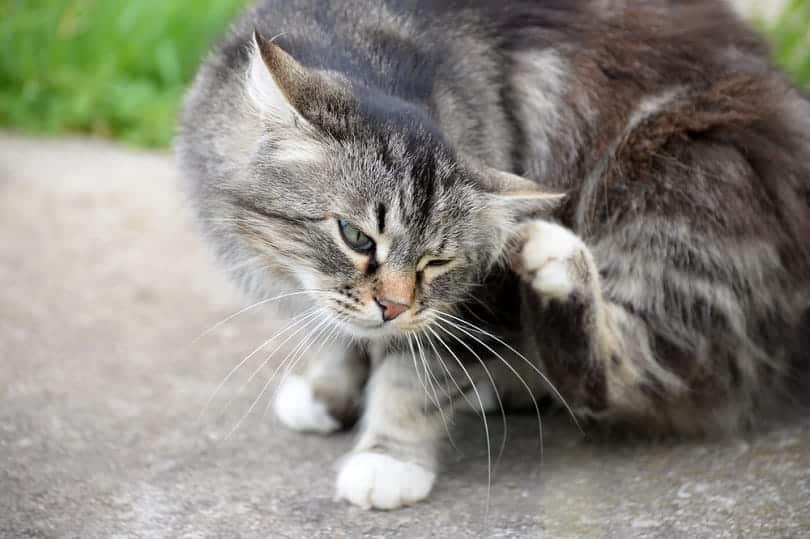
There are a few ways to tell if your cat has fleas, despite them sometimes being tricky to see! Most of the fleas in an infestation will live in your home and cat's environment rather than on the cat itself; only 5% of the fleas in your home will be on your cat. Looking at your cat's coat condition, looking for live adult fleas in their poop, and watching for behavioral changes are the best ways you can tell if your cat has fleas:
Final Thoughts
Febreze is a household deodorizer that is safe to use around pets, including cats. While the manufacturer and the ASPCA say that Febreze should never be sprayed directly onto a cat, they state that if your cat came into contact with wet Febreze and got it onto their skin or ingested it, it would only cause minor problems. Febreze cannot kill fleas, and spraying your cat with it will only scare them and make their skin sore, especially if they already have open wounds from the fleas!
If your cat has fleas, it's best to contact your vet and ask about a prescription flea treatment that can completely eradicate adult fleas. This flea treatment should be used with a household flea retirement to eliminate juvenile fleas and flea eggs.
See Also:
Does Pine Sol Kill Fleas on Cats? Vet-Reviewed Effectiveness & Safety Explored
Does Baby Powder Kill Fleas on Cats? Vet-Reviewed Facts & Safety Explored
Featured Image Credit: Maja Marjanovic, Shutterstock

Expert cat care, straight to your inbox
Vet-reviewed advice, behavior tips, and the best of Catster. Free, and you can unsubscribe anytime.
By signing up, you agree to our Terms & Conditions and Privacy & Cookies Policy.
Beth is a mom to two toddlers: one with four legs, one with two. Beth has years of practical experience as a veterinary care assistant, working in both the operating room and in consult, expanding her knowledge to gain certification in her favorite subject: feline behavior and welfare! When she's not writing about her favorite topics (cats and creature comforts), she's looking after her two-year-old daughter and her mischievous eight-year-old Nebelung, Kiba. When she gets a moment's respite, Beth loves to delve into fiction books. Horror is her favorite genre, with fantasy and rich history being her second go-to's.
Join the conversation
Ask a question, share your story, or send private feedback.