Can Cats Eat Cottage Cheese? Vet-Verified Nutrition Facts


In this article
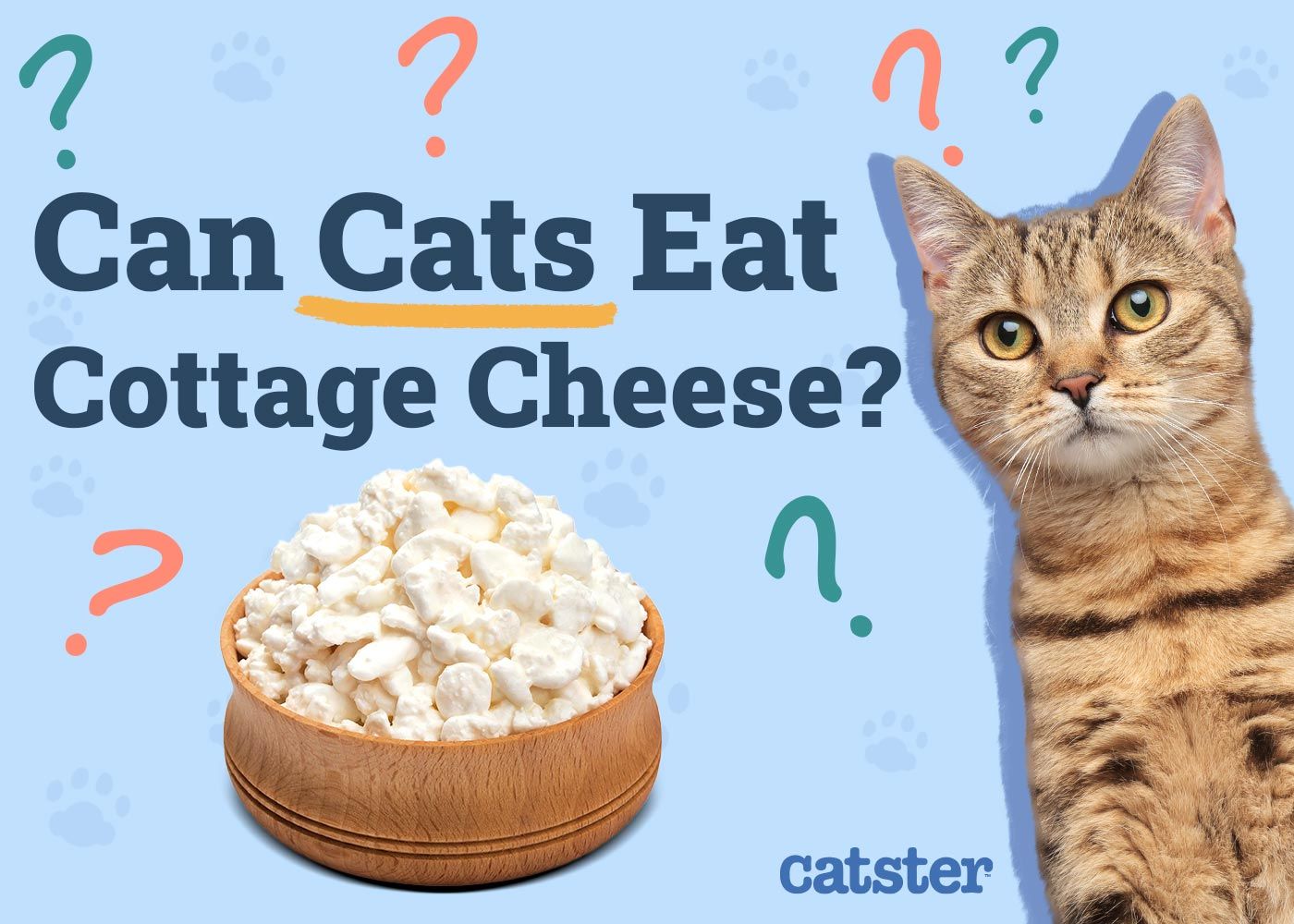
We know that cats can be picky eaters, but cheese seems to be one treat that is universally loved. So, can cats eat cottage cheese? Yes, you can feed cottage cheese to your cat, but only in moderation. Some vets recommend using cheese to sneak pills into the cat after draining the liquid from the cheese.
Cats are particularly fond of the taste and consistency of cottage cheese, and you can use it to entice them by adding it to their wet cat food. In this post, you’ll learn all there is to know about feeding cheese to your cat.

Is Cheese Bad for Cats?
Like all dairy foods, cheese contains lactose, which cats do not digest well once they are weaned. Cheese, particularly the cottage variety, is lower in lactose than many other dairy products like milk, cream, or yoghurt. It is also quite high in protein, but, it is still a dairy product, putting it in the category of foods not ideal for cats’ digestion.
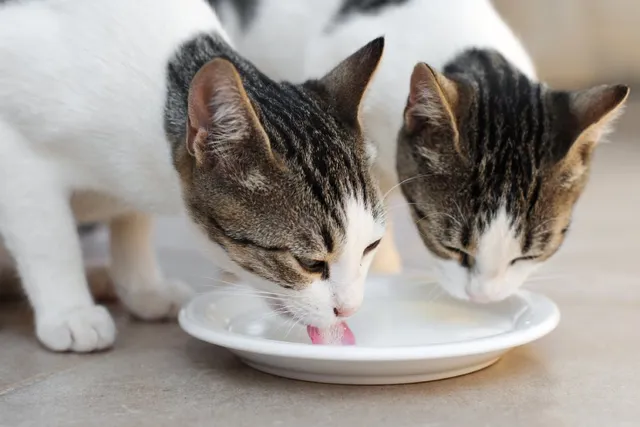
For this reason, feeding cheese to cats can create havoc in their digestive tracts. Despite the widespread belief that cats love milk, dairy is not a natural part of a cat’s diet, and your cat can struggle to digest any dairy product. Cats require a carnivorous diet since their systems are designed to process meat products.
The reason they might crave dairy is because of the protein and fat contained in it. Sadly, most cats are lactose-sensitive, and cheese can upset their digestive tract.

Felines are sensitive to dairy products because while most humans and other animals produce lactase enzymes that break down the lactose in dairy products, a typical cat’s body does not. For this reason, a cat’s intestinal tract has a hard time processing dairy.
Of course, just like humans, cats will often eat things that aren’t necessarily good for them, and if that includes a lot of dairy, they may show clinical signs like:
- Constipation
- Diarrhea
- Vomiting
- Gas
Additionally, cheese should not be given to cats that are obese and need to lose weight.
Can Cats Eat Cottage Cheese?
Of the myriad varieties of cheese in the world, cottage cheese is one of the more feline-friendly. Compared with many other cheese and dairy products, it is high in protein, low in fat, and has fairly low levels of lactose. Although cheeses like cheddar or brie have much lower lactose levels, they contain around ten times the amount of fat, making them a poor choice for cats.
| per 100g | Cottage Cheese | Cheddar Cheese | Whole Milk | Brie |
| Energy | 84 kcal | 409 kcal | 61 kcal | 334 kcal |
| Protein | 11 g | 23.3 g | 3.27 g | 20.8 |
| Fat | 2.3 g | 34 g | 3.2 g | 27.7 |
| Carbohydrates | 4.31 g | 2.44 g | 4.81 g | 0.45 g |
| Lactose | 3.98 g | 0.16 g | 4.81 g | < 0.45 g |
When we compare these cheesy figures to the feline nutritional requirements below, we can see that none of these dairy products really hit the mark when it comes to providing our cats with what they need.
Feline nutrient requirements per 100g of food (dry matter):
| Energy: | 400 kcal |
| Protein: | 25-40 g |
| Fat: | 5-10 g |
| Carbohydrates: (inc. Lactose) | 0 g |
The moral of the story? Although cats can eat a tiny taste of cottage cheese now and then, it’s not a good idea to make it a habit. The occasional teaspoon as a treat or to hide medication is unlikely to cause any major digestive disruptions, but be aware that, just like with humans, some cats will be much more sensitive to lactose than others.


Can Kittens Eat Cottage Cheese?
You might think cheese would be suitable for kittens because they consume their mother’s milk. What makes kittens tolerate their mother’s milk is that they produce a few lactase enzymes that allow them to digest and absorb milk naturally.
However, enzyme production among kittens gradually reduces when they start weaning. The kitten’s ability to digest dairy products disappears as soon as they adapt to solid cat food. Therefore, it would be best to stop offering dairy products, including cottage cheese.
Plus, kittens have strict nutritional requirements, and they require the proper nutrients to facilitate their growth and development. If you feed cottage cheese or any other cheese to your cat, they can develop intestinal issues, causing digestion problems like loose stools that could damage their developing intestines and immune systems.

- NO MESS - The 360° tray on this cat food and water bowl set has a raised design to catch and contain stray crumbs and drips. Protect your indoors and floors from wet and messy meals!
- WHISKER FRIENDLY - Shallow and wide metal containers with flat bottoms ensure your kitty can enjoy mealtime free from whisker fatigue!
- CHEW-SAFE MATERIALS - Kittens and cats love chewing on silicone and soft rubber - but it's a choking hazard. Our cat feeding station materials are anti-chew for a 100% safe feeding frenzy!
Learning about what your cat can and cannot eat is a crucial part of keeping them happy and healthy! Choosing a bowl to serve cat-friendly foods in is another important decision pet owners face. Satisfy the specific needs of your cat with the innovative design of the Hepper NomNom Cat Bowl. Learn why it’s our (and our cats!) favorite food and water dish here.
At Catster, we’ve admired Hepper for many years and decided to take a controlling ownership interest so that we could benefit from the outstanding designs of this cool cat company!
Summary
Cats are curious creatures, and many are tempted by cheese and other products with lactose. While it is not wrong to serve a bit of cottage cheese to your feline companion on occasion, you should consider their dietary needs beforehand.
The bottom line is that cats can enjoy cottage cheese as a treat, but if they are lactose-intolerant, cheese may predispose them to severe reactions and negatively affect their health.
Related Reads:
Expert cat care, straight to your inbox
News, insights, and useful advice, delivered to you.

No spam — unsubscribe anytime.
By signing up, you agree to our Terms & Conditions and Privacy & Cookies Policy.
How useful was this post?
Click a star to rate. You can leave written feedback afterwards. (We read all feedback.)
Christian started writing for a local newspaper as a teenager, and he's been involved in the publishing industry for most of his adult life. Combining his love of writing with a passion for animals, he is currently the Director of Editorial at Pangolia and the Editor-in-Chief at Catster.
Christian lives in the Philippines with his wife, son, and four rescue cats: Trixie, Chloe, Sparky, and Chopper.