Can Cats Eat Cream Cheese? Vet-Reviewed Nutrition Facts & FAQ


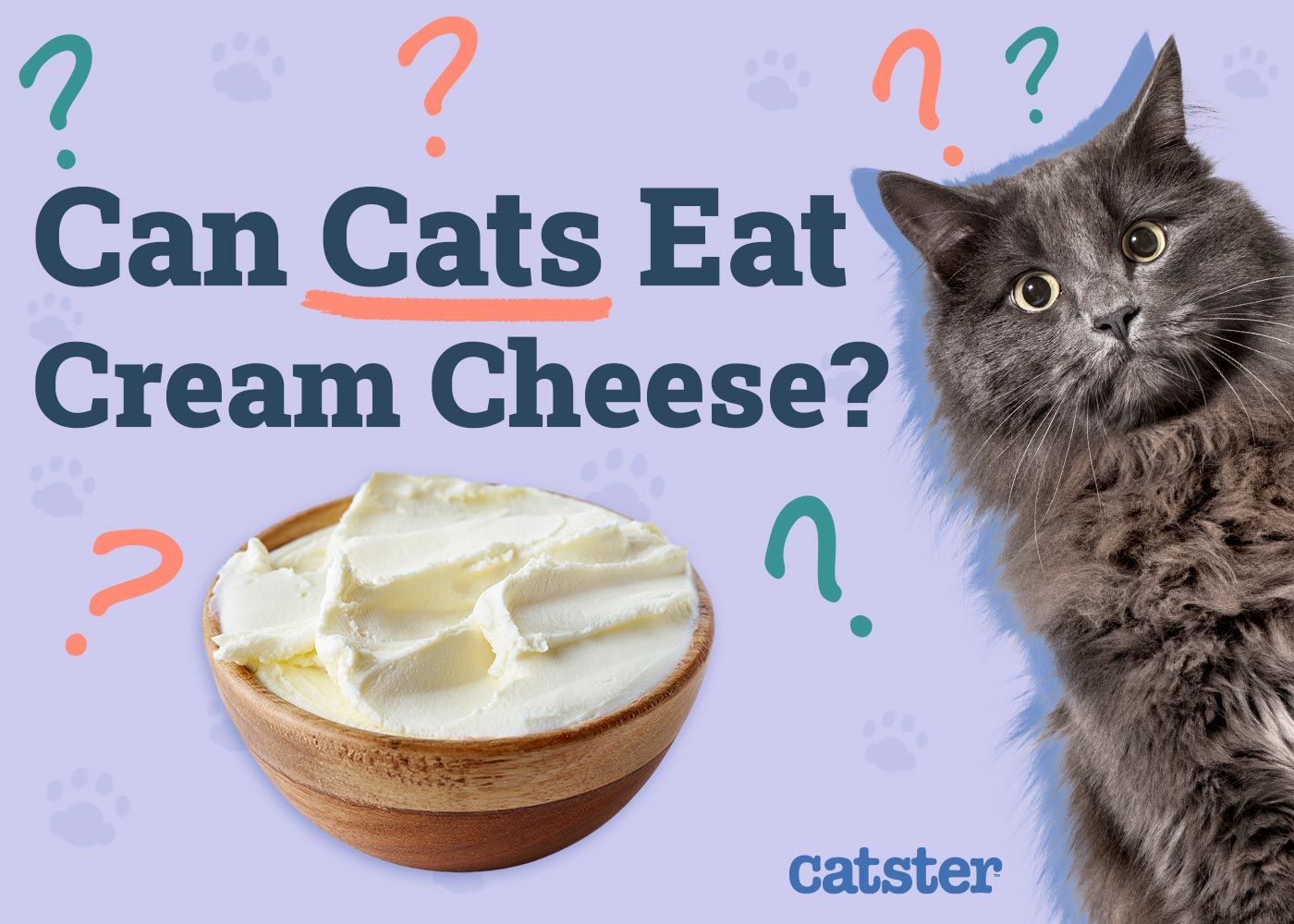
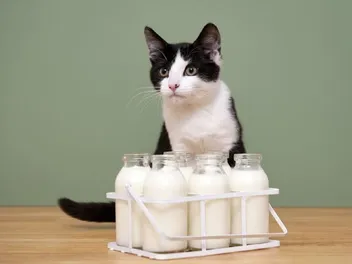
Most cats love dairy foods. The stereotypical cat loves milk, though it may upset most actual cats' stomachs. But what about cream cheese? While cream cheese isn’t toxic to cats, it isn’t exactly the best option for them either.
Cream cheese is a dairy product, but it's much higher in fat compared to some other dairy products. Some cats crave this high-fat food but may be unable to digest it properly. Others may ignore it.
Whether your cat seems to sneak cream cheese every time you turn around or not, you may want to think twice about letting your feline feast away. In this article, we discuss everything you need to keep in mind when giving your feline cream cheese.

The Potential Downsides of Cream Cheese
Cream cheese contains the sugar lactose, as do most other dairy products. It requires a specific enzyme called lactase to break it down. Otherwise, it won’t be digested properly and can cause an upset stomach.
While cats secrete lactase in their digestive tract as kittens, they do not retain the enzyme’s activity into adulthood. When a kitten is a few months old, their ability to secrete lactase is mainly gone. This leaves their digestive tract similar to that of a human with lactose intolerance. Some lactase activity may remain, but it will be insignificant compared to the lactose found in cream cheese.
Not all cats will develop lactose intolerance. Some do fine with dairy products as they grow older. Different cats will continue to produce different levels of lactase as they age. However, unlike people, most cats are lactose intolerant. The ability to digest lactose properly is a rare talent in the cat world.
Cream cheese contains less lactose than other dairy products, like milk. However, it still has more than most cats can handle, which is why we don’t recommend that cats consume it. Cream cheese also contains quite a bit of fat, which can be a problem by itself.
Cats are obligate carnivores and need meat to stay healthy. They thrive on high protein and moderate fat levels, which meat contains. However, cream cheese contains high-fat levels that most cats cannot comfortably digest at once. Even if your feline can handle the lactose, the excess fat might negatively affect their digestion.
Potential Signs After Eating Cream Cheese
If your cat consumes cream cheese, they probably won’t experience severe clinical signs. Like people with lactose intolerance, they can experience discomfort, bloating, pain, and diarrhea. This is due to the undigested lactose drawing in water and being fermented by their intestinal bacteria. Their stomach may feel upset and cramp up, and they will likely be more prone to accidents outside the litterbox. Usually, the signs pass after a few hours, when the lactose has left their system.
Of course, some cats have a more severe reaction than others. If your cat experiences severe diarrhea, they may be at risk of dehydration. If your feline’s condition worsens, you may need to visit a vet to get your cat fluids through an IV. While diarrhea is rarely deadly, it can be if it leads to severe dehydration.
Vomiting is rare with cream cheese. The digestive tract typically doesn’t get irritated until the treat has moved through the system a bit. However, some cats may react faster, which can cause vomiting. This is especially true if they are sensitive to fat or very sensitive to lactose1.
What Are Some Alternatives to Cream Cheese?
The best treats and snacks for felines are those made of mostly meat. Freeze-dried chicken and other meats are great options, as cats evolved to live off meat, anyway. You can find the treats at pet stores, grocery stores, and online retailers.
You can also make your treats by cooking unseasoned meat. Be sure that the treats never take up most of the cat’s diet, since they must primarily eat their cat food or a similar complete and balanced diet.
If you decide to cook up your meat treats, do not use any seasonings. Many are toxic to cats in large amounts.

- NO MESS - The 360° tray on this cat food and water bowl set has a raised design to catch and contain stray crumbs and drips. Protect your indoors and floors from wet and messy meals!
- WHISKER FRIENDLY - Shallow and wide metal containers with flat bottoms ensure your kitty can enjoy mealtime free from whisker fatigue!
- CHEW-SAFE MATERIALS - Kittens and cats love chewing on silicone and soft rubber - but it's a choking hazard. Our cat feeding station materials are anti-chew for a 100% safe feeding frenzy!
Learning about what your cat can and cannot eat is a crucial part of keeping them happy and healthy! Choosing a bowl to serve cat-friendly foods in is another important decision pet owners face. Satisfy the specific needs of your cat with the innovative design of the Hepper NomNom Cat Bowl. Learn why it’s our (and our cats!) favorite food and water dish here.
At Catster, we’ve admired Hepper for many years and decided to take a controlling ownership interest so that we could benefit from the outstanding designs of this cool cat company!
Conclusion
While cream cheese is not toxic to cats, the lactose it contains can cause digestive problems. It is best to avoid cream cheese and serve healthier treats instead. Some cats do fine with the lactose, but they may be bothered by the excess fat, which can also cause digestive problems.
Many cats are drawn to dairy, but that doesn’t mean it is good for them. If your feline snuck some cream cheese behind your back, there is no reason to worry. They may experience some digestive upset, but the signs usually aren’t severe. As long as they stay away from more dairy products, the signs will eventually pass.
Expert cat care, straight to your inbox
News, insights, and useful advice, delivered to you.

No spam — unsubscribe anytime.
By signing up, you agree to our Terms & Conditions and Privacy & Cookies Policy.
How useful was this post?
Click a star to rate. You can leave written feedback afterwards. (We read all feedback.)
Kristin is passionate about helping pet parents create a fulfilling life with their pets by informing them on the latest scientific research and helping them choose the best products for their pets. She currently resides in Tennessee with four dogs, three cats, two fish, and a lizard, though she has dreams of owning chickens one-day!