Get

In Your Inbox

Catster is reader-supported. When you buy via links on our site, we may earn an affiliate commission at no cost to you. Learn more.

Is Chamomile Poisonous to Cats? Vet Approved Facts & FAQ


Share

Catster_Is Chamomile Poisonous to Cats

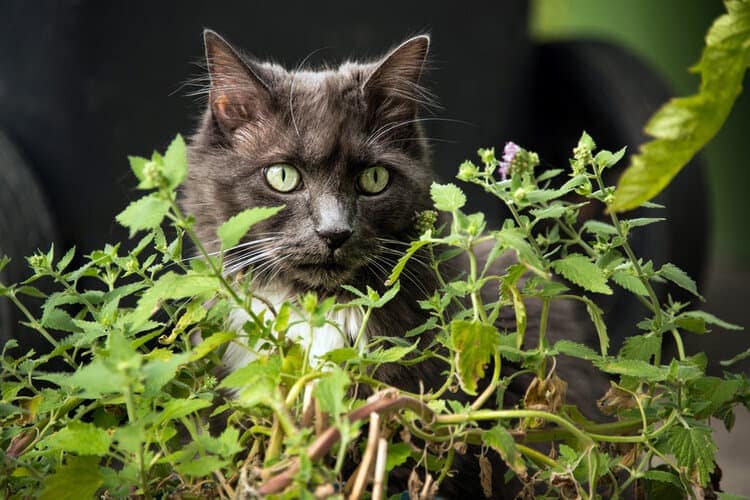
Many cats love to explore the great outdoors—stalking mice, or hiding among the flowers and shrubs of your garden, nibbling away at any plant that entices them. A popular plant your cat may come across on their garden adventures is Matricaria chamomilla (German chamomile), or Chamaemelum nobile (Roman garden chamomile).

The flowers of the chamomile plant look like small daisies that can capture your cat’s attention during its explorations. It’s natural to wonder if this flowering plant is safe for kitties to nibble on, and it’s important to know that chamomile is generally considered poisonous to cats.

divider 2 cats

What Is the History of Chamomile?

Tea drinkers are very familiar with the purported calming properties of the chamomile plant, as it’s been used in herbal teas for thousands of years. Dating back to the times of the ancient Romans, Egyptians, and Greeks, German chamomile has a long history of being used to treat medical ailments. Anxiety, colds, insomnia, gingivitis, ulcers, and inflammatory bowel disease are just some of the conditions that chamomile is recommended to help treat.

There are very few studies available as to whether chamomile is effective at treating these illnesses and conditions, so science hasn’t made a definitive verdict yet on whether this tiny flower is as helpful as its reputation. It is also difficult however, to find studies showing the toxic effect of chamomile on cats.

chamomile plant
Image By: szjeno09190, Pixabay

Chamomile for Vet Treatment

Vets don’t typically prescribe chamomile for cats, as it can make your cat ill. Chamomile is listed as being toxic to cats, dogs, and horses, but it may be fine in small doses under a vet’s care. Sometimes chamomile herbal supplements are used on dogs for the treatment of gastrointestinal irritation, for relaxing muscles, as an anti-inflammatory, to treat skin conditions, or as a sedative. It’s usually given to the animal via the mouth as a liquid, tea, capsule, or powder. It’s recommended that any use of chamomile should be done under a vet’s supervision, to avoid potential poisoning of your pet.

Signs of Chamomile Poisoning

Chamomile is not only found in gardens; it may also be lurking as tea on your pantry shelves, or as an essential oil in your diffuser. Some cats can be exposed to small doses and have no issues, but other cats may be more sensitive to the plant and could become ill. Potential side effects of chamomile include vomiting, diarrhea, skin conditions, weight loss, and allergic reactions.

If you believe that your cat is displaying any of these symptoms, and you believe they’ve ingested chamomile, monitor it closely and call your vet or poison helpline for advice. Your vet may request that you bring your cat in to be checked out and monitored, to determine necessary treatment.

If you need to speak with a vet but can't get to one, head over to PangoVet. It's an online service where you can talk to a vet online and get the advice you need for your pet — all at an affordable price!

PangoVet_Mention-in-Content for PangoVet2 save money

divider 2 cats

Conclusion

Chamomile appears not only on our pantry shelves, but also in many gardens. So, it’s important to watch your favorite feline, to make sure they don’t ingest this medicinal plant. While it’s long been used as a herbal remedy in humans, for everything from skin ailments to digestive issues, chamomile is considered poisonous for cats, dogs, and horses.

Use of chamomile supplements to treat your pet for any condition should be used under the direction of a vet. Be certain to only give the dose prescribed, and watch for any side effects. If your cat ingested chamomile out in the garden or from your tea stash, monitor your pet closely for vomiting, diarrhea, or allergic reactions, and bring them to the vet if showing symptoms. The bottom line is that it’s generally best for only humans to consume this calming plant, while our feline friends should avoid it to prevent potential health issues.


Featured Image By: Pixabay

Want content like this delivered to you?

Sign Up For Our Newsletter

News, insights, expert advice, and everything cat

* By submitting, you agree to our Terms & Conditions and Privacy & Cookies Policy.


How useful was this post?

Click on a star to rate (you can leave written feedback after clicking submit)

Help us improve Catster for pet parents!

Your feedback really matters.

What did you like about this post? Also how can we improve it?

Join the conversation

Leave a Reply

You’re very welcome to leave a comment or question. Please know that all comments must meet our community guidelines, and your email address will NOT be published. Let’s have a positive and constructive conversation.


Talk With A Vet Online

Peace of mind,
anywhere, anytime

Affordable vet advice

Why Chicken Bones Are More Dangerous for Cats Than Most Parents Realize

Chicken bones seem harmless enough, but for cats, they can cause serious damage quickly. Whether your cat swiped a piece off the counter...

Fantastic Pet Pantries and Where to Find Them

Let’s face it: times are really tough right now, and those of us in the 99% are struggling with the cost of just...

Ask Dr. Paola – Help! My Cat Refuses to Drink Water! (April 13, 2026)

Welcome to our “Ask Dr. Paola” series, where every Monday we bring expert advice straight from Dr. Paola Cuevas (MVZ) to help our...

Why Healthy Cats Still Vomit Sometimes (And How to Respond)

A cat that just vomited needs a specific kind of care, and the feeding decisions you make in the next few hours actually...

More related

Bengal Maine Coon Mix Cat Breed: Info, Pictures, Temperament & Traits

As the result of breeding a Bengal and a Maine Coon together, this mixed breed is beautiful, fun-loving, and a joy to spend...

Can Cats Get Bird Flu? Our Vet Explains Signs & Prevention Tips

Your cat’s habit of preying on birds may concern you when you worry about their exposure to bird flu and if they could...

Can You Put a Flea Collar on a Pregnant Cat? Vet-Reviewed Precautions & Risks

Cat flea collars use a form of insecticide to repel, deter, or kill fleas. They can be used in conjunction with spot-on treatments...

How to Train a Siamese Cat: 5 Tips & Tricks

Siamese cats are affectionate, loving, intelligent cats that can be easily trained if you know the right methods. In addition to teaching them...

Keep reading

PawTree Tear & Saliva Stain Remover Chews Review 2026: A Detailed Look

Just about every owner of a light-colored dog or cat knows the struggle with tear stains is real. Often, switching to a higher-quality diet can do wonders to stop tear stains in their tracks. But for some pets, even the...

PawTree Pet Supplement

Why Is My Cat Sneezing All of a Sudden? 6 Vet-Reviewed Reasons

Has your beloved feline friend suddenly started sneezing as if there’s no tomorrow? Cats sneeze for various reasons. Your kitty could have gotten wind of something that is disrupting their delicate sense of smell, or they are allergic to something...

tabby cat sneezing

How to Potty Train a Kitten: Vet-Approved Tips & Tricks

If you’ve landed on this post, odds are that you just added a new kitten to your life. Given that your new bundle of feline joy is a kitten, they will need a little direction from you. When it comes...

cat toilet_kachalkina veronika_shutterstock

Can Cats Eat Corn? Vet-Approved Nutritional Facts & FAQ

Corn is a common side dish in many culinary traditions. It’s sweet, delicious, and healthy, making it a favorite among people worldwide. You might have noticed that corn is also a common ingredient in many cat foods. Still, you know...

Can Cats Eat Corn

Does Lysol Kill Fleas on Cats? Vet-Verified Facts & Safety Guide

Fleas endanger our pets and homes beyond the bites and unpleasant stigma attached to infestations. They are also hosts to other parasites, such as tapeworms, which can hatch inside your cat’s intestine if ingested. In some cats, flea bites can...

Lysol cleaning product

Feline Upper Respiratory Infection: Vet Reviewed Causes, Signs & Care

Respiratory infections are unfortunately pretty common in cats, but are they something your cat will get over, or do you need to take them in to see the vet? And what about secondary illnesses? We’ll take a closer look at...

A cat having a check-up at a small animal vet clinic

10 Ways to Train Your Kitten: Vet-Approved Tips

Cats might like us to think that they’re untrainable, but the truth is that most cats enjoy short training sessions! The best time for them to learn is when they are still young, so beginning when your pet is a...

Tabby cat on white background

What Cleaning Products Are Safe for Cats? 10 Vet Approved Items to Keep at Home

Cleaning when you have cats can be a worrying business. Common cleaning agents like ammonia, chlorine (bleach), phenols, rubbing alcohol, formaldehyde, benzalkonium chloride, and essential oils can all be harmful to cats if they come into contact with them. If...

cleaning-a-dirty-mattress

Love Cats? So Do We! Join the Catster Community

Stay informed with expert pet care insights delivered straight to your inbox! Discover professional guidance on animal behavior, feeding tips, trusted product picks, and much more.


Sign up for the Catster Email Newsletter

Stay informed with expert pet care insights delivered straight to your inbox! Discover professional guidance on animal behavior, feeding tips, trusted product picks, and much more.