Can Cats Produce Tears? Vet Approved Facts


In this article
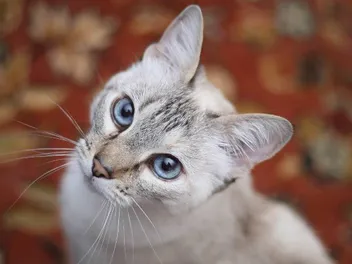
When you think of your cat being able to produce tears, what you really might be asking is can cats cry? After all, when we see a very emotional movie or have a tragic event happen to us in our lives, it is very common for us to ugly cry in our favorite PJs.
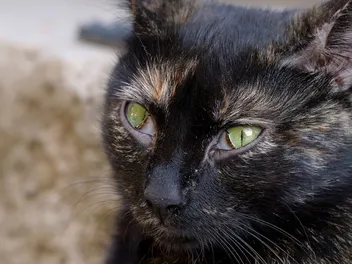
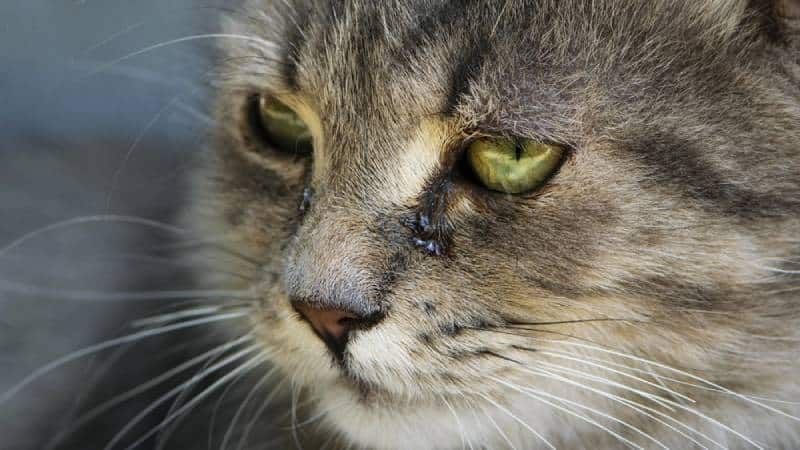
However, it doesn't seem that our pets extend the same sentiment, even though they get sad. It also doesn't mean that cats don't produce tears. Cats do produce tears, but they don’t cry tears like we do. Tears in cats serve to lubricate and protect the eyeballs.
In this article, we're going to go over exactly what tears do for cats’ eyes, the differences between tears and our cats’ emotions, and the reasons why your cat may produce abnormal tears.

Why Do Cats Produce Tears?
Since cats don’t cry the way that humans do, what do they use tears for? Cats’ tears serve to lubricate the eyes and keep the eyeballs moist. This protects them from debris, such as dust and dirt in the eyes, and provides nutrition to the delicate eye tissues.
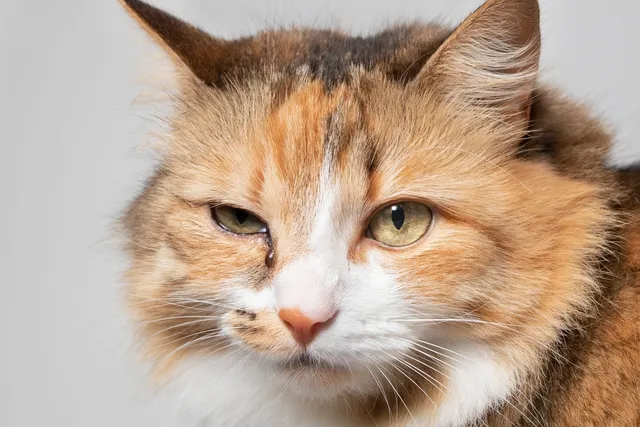
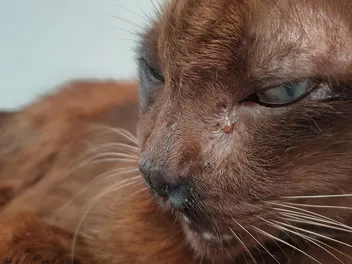
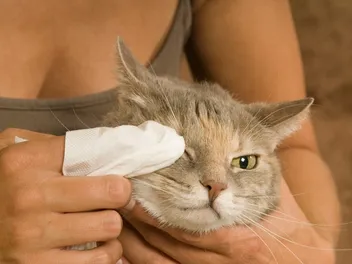
However, if a cat seems to be producing abnormal tears and these are very thick and mucousy, it could point to a health condition. The following health conditions can all cause cats to have watery eyes or abnormal discharge, but the conditions that can cause weepy eyes in cats are not limited to just these. So, it’s important to contact your vet if your cat’s eyes are more watery than normal or the discharge looks abnormal.
Allergies
Allergies in cats can cause their eyes to water more than normal, although not as commonly as in humans. Some allergies can be seasonal, but others can occur all year round.
The following are common substances that cause allergies or irritation in cats, making their eyes water:
- Pollen
- Mold/mildew
- Dust mites
- Cleaning products
- Perfumes/fragrances
Other common signs of allergies can include sneezing and itching, among others. Allergy signs may go away on their own, but contact your vet if these are severe or if they last more than a day.

Conjunctivitis
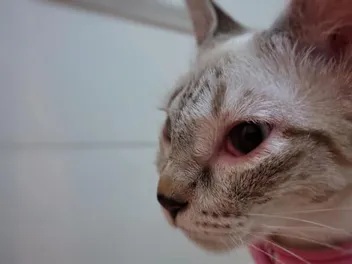
Conjunctivitis in cats, also called pink eye, is mainly caused by viral or bacterial infections. The eye will become red, inflamed, and partially swollen, and the discharge can be thick, mucousy, and sometimes crusty when the mucus dries.
Because this condition can be caused by a variety of things, it’s important to seek prompt vet treatment to make sure the problem does not worsen.
Upper Respiratory Tract Infection
Feline upper respiratory tract infections can be caused by a variety of pathogens, including:
- Chlamydia felis
- Bordetella bronchiseptica
- Mycoplasma species
- Feline calicivirus
- Feline herpesvirus
Your cat may also have nasal discharge, oral ulcers, feel lethargic, and even have a fever, depending on the underlying cause, so it’s important to seek prompt vet treatment.

What if Your Cat Stops Producing Tears?
Adequate tear production is just as important in felines as it is for human beings. Certain health conditions might cause chronic dry eye in cats. Chronic dry eye can be caused by a variety of things, and most require veterinary attention.
If you are concerned with your cat's tear production, you should always get in touch with your vet right away to get ahead of the issue. It could be something very simple or something that requires ongoing treatment. Early diagnosis is important to manage it as quickly and efficiently as possible.
Dry Eye Syndrome
Feline dry eye can also be called keratoconjunctivitis sicca (KCS) and is a medical condition in which the tear glands or cells that produce tears don’t work adequately or there is a problem with the eye’s nerve supply. Tears are required to lubricate the cornea and provide nutrition for the tissues, and whenever tear production is reduced, the eyes can be more prone to suffer from infections and inflammation.
Dry eye in cats is much less common than in dogs. It’s generally caused by different reasons and presents with more subtle clinical signs.
Typically the signs include:
There could also be a history of other eye issues like eye injury, ulcers, and conjunctivitis. If your vet suspects your cat has dry eye syndrome, they will likely perform a Schirmer tear test or STT. It's a wicking paper measuring the amount of tear film the eye produces.
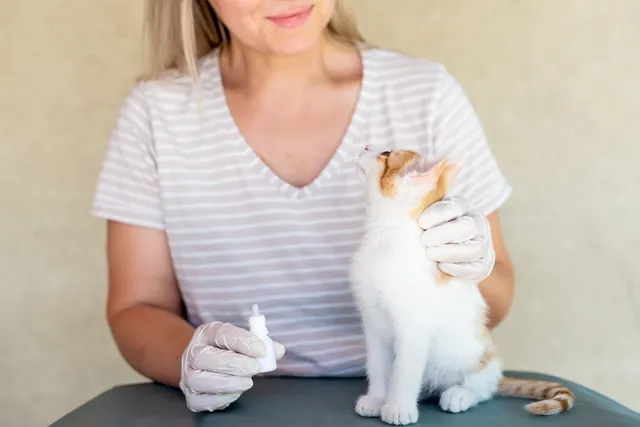
Vets will treat this issue by trying to understand why this happened and to stimulate tear production and replace the tear film, so the cornea remains protected and can recover. Often, if it is secondary to another issue, that problem will need to be treated as well.

Feline Herpesvirus
Feline herpesvirus-1 (FHV-1) infection is very common in cats. The herpesvirus in cats is a species-specific strain that can infect both domestic and wild cats at various ages. It is a major cause of upper respiratory disease and conjunctivitis, affecting the eyelids and third eyelid.
While this can cause ulceration and conjunctivitis, chronic infections can lead to dry eye. Often, FHV-1 infections are transmitted to kittens from their infected mother. They can also be more severe in younger animals, older animals, or those with chronic diseases.
Often, FVR infections are transmitted to kittens from their infected mother. They can also be more severe in younger animals, older animals, or those with chronic diseases.
Typically, you will notice these signs:
You might wonder how this particular issue causes dry eyes. It is quite a complex process and can occur through different mechanisms. Feline herpesvirus can damage the tissues and the nerves of the eyes, causing chronic changes that often require lifelong help. Often, this is a much later sign, and you likely already know something is wrong with your cat before it gets to this point.


Do Cats Cry?
Cats don't cry in the traditional way that we think. In response to emotional or physical pain, they will have a stress response, but it does not include the production of emotional tears. However, your cat might vocalize.
Perhaps you've heard them letting out long, drawn-out meows. This is considered a sign of distress, but is this the only reason they may vocalize? Absolutely not! Cats can also vocalize influenced by sexual hormones, to socialize, and signal danger among other reasons.
If you notice an increase in vocalization, it's a good idea to give your cat a check-over to make sure everything is OK. If you can't see any visible issues, but the situation is the same, take them to your veterinarian so they can examine your furry friend.
Do Cats Experience Sadness?
It's easy for us to try to humanize everything. Sometimes it's a little bit complicated for us as a species to understand what other creatures feel even if they don't display these emotions the same way we do.
After all, many of us probably equate being very sad to shedding tears. It might be a bit unusual to think about something being able to have these emotions without displaying them in the ways we do.
But the truth is, our cats do experience a broad spectrum of emotions, including sadness. So, even though they might not be sniveling over a pint of chocolate ice cream, they can feel sorrow.

Conclusion
Cats might not be able to cry like people, but they still absolutely produce tears. This is what keeps the eye lubricated and healthy to maintain excellent vision.
If you have noticed a change in your cat's tears or notice other visible signs that something isn't right, get them to your veterinarian right away. They can assess the issue and address it accordingly. The reality is there are various reasons why your cat might be experiencing abnormalities in their tears, and it always requires a prompt diagnosis.
Sources
Featured Image Credit: Oleksandr Filatov, Shutterstock
Expert cat care, straight to your inbox
News, insights, and useful advice, delivered to you.

No spam — unsubscribe anytime.
By signing up, you agree to our Terms & Conditions and Privacy & Cookies Policy.
How useful was this post?
Click a star to rate. You can leave written feedback afterwards. (We read all feedback.)
As a freelance dog writer and passionate pet enthusiast, Ashley Bates is pursuing studies in animal therapy. A mother to four human children and 23 animal companions, Ashley is dedicated to volunteering at shelters, advocating for animal rights, and rescuing animals in need. Her goal is to spread awareness, provide education, and offer entertainment about pets to reduce homelessness. Ashley's specialties include dogs and cats.