Is Catnip Safe for Kittens? Vet-Reviewed Facts & FAQ


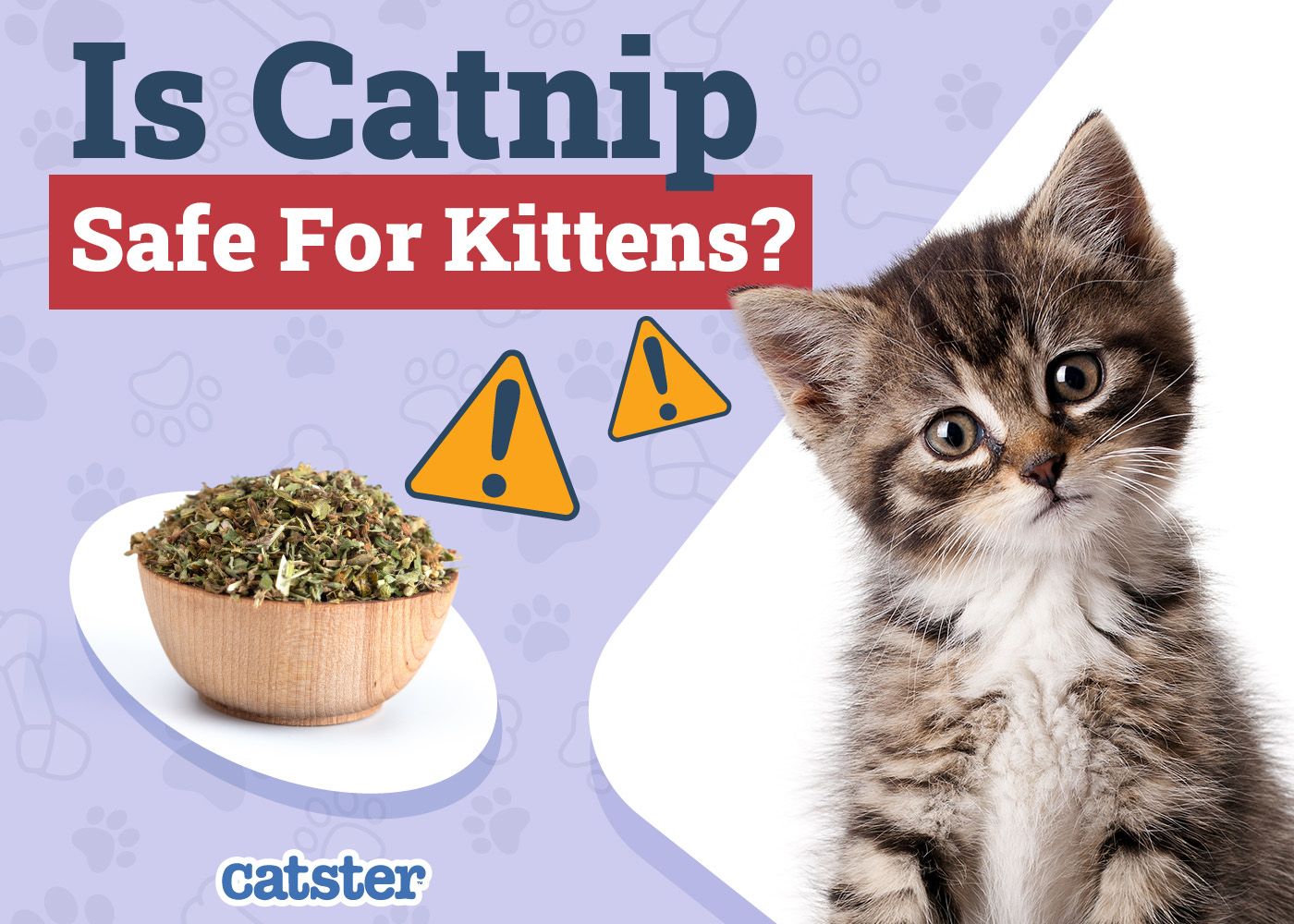
In a way, catnip is as much a treat for doting pet parents as it is for their feline family members. We may not get the same euphoric benefits, but it feels good to know we can offer an extra-satisfying treat without worrying about ill effects. Plus, watching their mad antics when the catnip-high kicks in is entertaining! Catnip is 100% safe in moderation for all cats, including kittens.
But does that mean kittens should have catnip for a treat? Catnip is safe for kittens to consume but may not give them a euphoric reaction. It can take time for cats to take an interest in it, and it's unlikely to happen within their first few months of life. We’ll explain whether it’s safe for kittens to enjoy catnip and why you may want to wait a while to introduce it.

What Is Catnip?
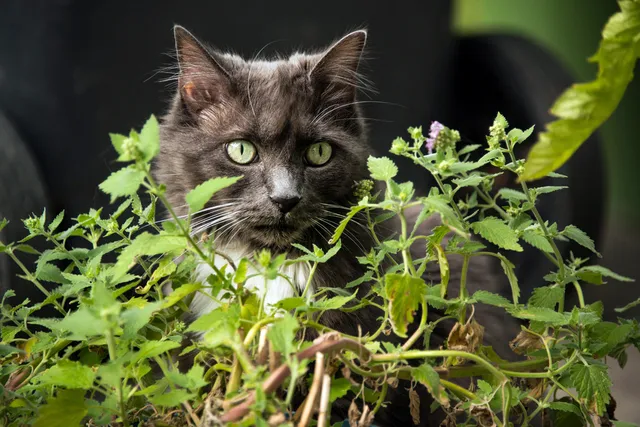
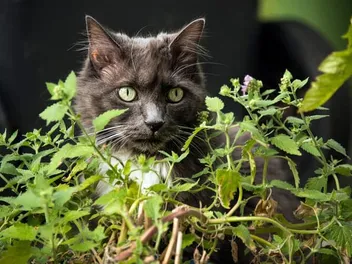
As a member of the mint family, catnip is an easy-to-grow herb featuring lavender flowers and light green serrated leaves. Though it’s sold commercially for kitties, humans have enjoyed several benefits of catnip when used in moderation. Teas and tinctures of catnip have a general soothing quality, thanks primarily to the trace amount of the chemical compound nepetalactone.
Nepetalactone also benefits cats, though in a much different way. While the oil appears in less than 0.5% of the plant, it's more than enough for cats to experience a euphoric sensation upon smelling and rubbing against it. The effect is unique to felines (including wild cats), and they’re the only group of animals that experience euphoric effects.
The oil rests within the leaves, stem, and plant bulb. When crushed, chewed, or otherwise disturbed, it releases and reaches the cat’s olfactory receptors connected to the brain. It stimulates the hypothalamus’s ventromedial nucleus, an area responsible for, among other things, sexual responses and behaviors. As a result, cats on catnip act as if they are under the influence of feline sex pheromones.
Is Catnip Safe for Kittens?

Catnip is safe for cats of all ages. Kittens can eat, sniff, and play with the plant without feeling any adverse side effects. But while they won’t necessarily overdose on catnip, overeating can cause unpleasant reactions like vomiting or diarrhea. Fortunately, cats are relatively reliable with self-regulation, making it unlikely for them to overindulge.
The only real safety issue with catnip for cats and kittens is the (low) risk of them scratching or irritating their eyes when rolling in the dried leaves and stems.
If you’re unsure of which catnip products to use with your cat, contact a vet for a recommendation.
How Does Catnip Affect Cats?
Since nepetalactone is partially responsible for feline sexual behaviors, affected cats often act similarly to those in heat. Males and females feel the effects equally. It does not matter whether the cat is neutered or intact.
This reaction is a genetic trait, and only 60% of cats respond to catnip. Interestingly, large wild cats like lions and jaguars can have a sensitivity and prolonged reaction to catnip, while others, such as cougars and tigers, show a minimal response.
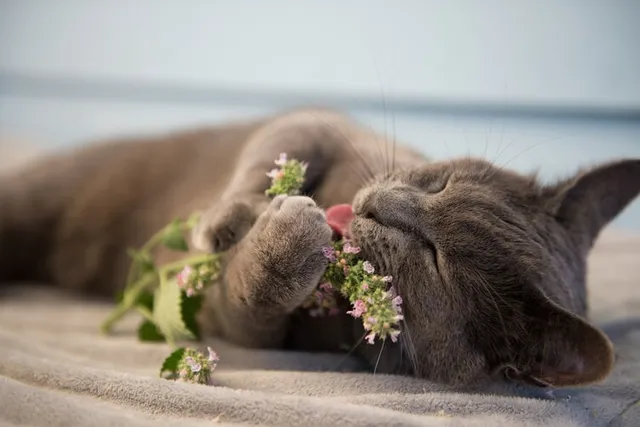
So, what are those reactions? It partially depends on how the cat enjoys it. The most common responses to catnip include cheek and chin rubbing, playing, relentless licking, chewing, and sniffing.
Smelling vs. Eating Catnip
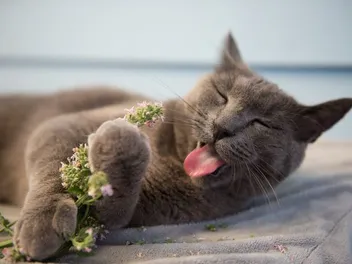
Upon smelling catnip, many cats become a delightful mix of highly energetic and goofy. They’ll roll on the floor, zip around the room, drool excessively, meow or purr, and, in some cases, display aggressive actions like growling or swatting.
Mild hallucinogenic qualities may also kick in, causing behaviors like pawing or swiping at the air. Catnip’s effects typically last up to 15 minutes. Active periods precede several minutes of the cat being “zoned out” and unreceptive to stimuli.
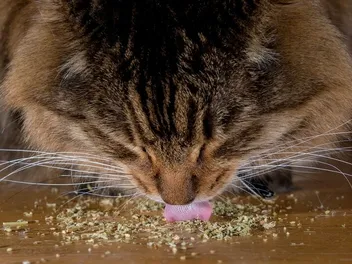
While most cats become energized, some may show passive behaviors, such as laying on their backs or reducing their vocalizations. Ingesting catnip can spark a similar reaction. Rather than liven up, cats often become more mellow and tired when they eat the plant.

Does Catnip Affect Kittens?
As you offer catnip to your young kitten, their disinterest may surprise you. Until around 3–6 months, kittens typically won’t display any reaction. Since catnip influences the opioidergic system, many believe that kittens show no response because their brains haven’t fully developed and lack the critical receptors that come with sexual maturity.
Can Catnip Help Cats?
Catnip may gain most of its notoriety for getting cats “high,” but there’s much more to love about the plant for you and your cat. Humans can enjoy its calming qualities in teas and use it as an eco-friendly, all-natural mosquito repellent. If you’re one of the lucky ones with a cat that responds to catnip, you may also use it to direct your pet.
Rubbing or spraying catnip on cat trees and scratchers is a perfect way to compel positive behaviors. Nepetalactone can have a calming effect on cats suffering from stress and separation anxiety, giving owners valuable peace of mind when they have to leave them in the house alone.
As an energizer, catnip is a helpful tool in keeping them active, reducing the risk of obesity and joint disease. Although too much catnip can cause GI upset and dizziness, moderate amounts can also be a digestive aid.
Final Thoughts
Catnip is safe for kittens, but there’s little reason to offer any until your cat matures to at least 6 months of age. And even then, there’s no guarantee that your cat will be among the two-thirds of felines that react to it. It's best to wait for your cat to grow and introduce catnip to your kitten slowly in a toy or spray to see how they take to it.
If they love it, start adding it to their standard play routine. And if not, don’t sweat it! There are countless ways to please our cats, and they’ll never need catnip to enjoy themselves when they have a caring pet parent to provide love and attention.
See also: Can Cats Eat Mint?
Featured Image Credit: Ilia Baksheev, Shutterstock
Expert cat care, straight to your inbox
News, insights, and useful advice, delivered to you.

No spam — unsubscribe anytime.
By signing up, you agree to our Terms & Conditions and Privacy & Cookies Policy.
How useful was this post?
Click a star to rate. You can leave written feedback afterwards. (We read all feedback.)
Christian started writing for a local newspaper as a teenager, and he's been involved in the publishing industry for most of his adult life. Combining his love of writing with a passion for animals, he is currently the Director of Editorial at Pangolia and the Editor-in-Chief at Catster.
Christian lives in the Philippines with his wife, son, and four rescue cats: Trixie, Chloe, Sparky, and Chopper.