Will My Cat Have a Period After Being Spayed? 4 Signs Your Cat is in Heat

In this article
Not every cat owner has experienced a cat in heat. Many choose to get their cats spayed as soon as they’re old enough, thus stopping the reproductive cycle for the rest of their lives. So, when your cat somehow has a period—more accurately referred to as being in heat, as it is very different from a human’s period or menstrual cycle—it can leave you in a state of shock. Do cats have periods after being spayed? Is that even possible?
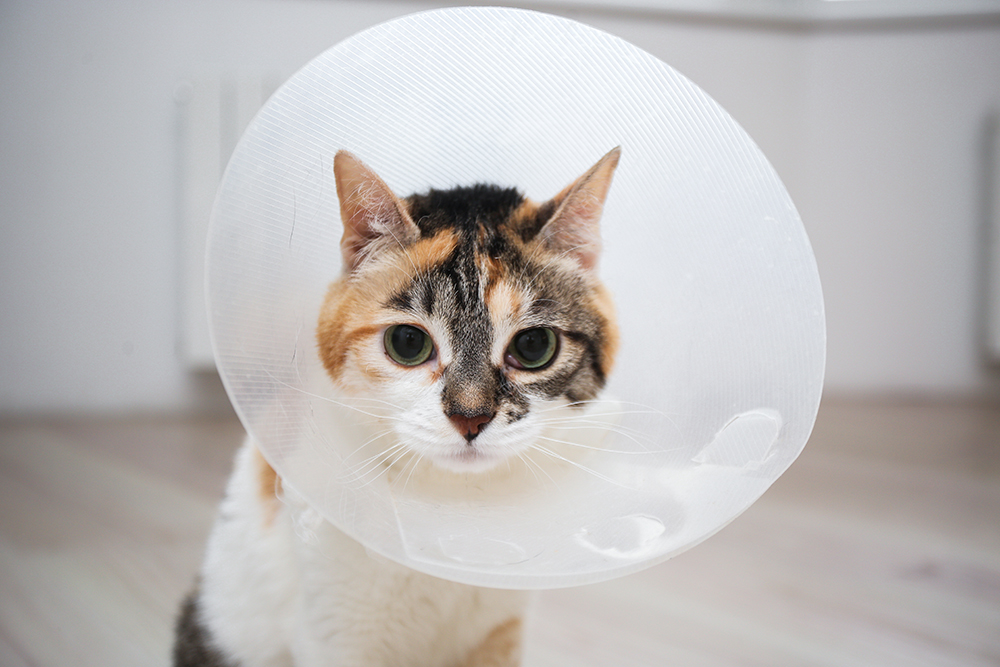
A spay surgery is typically a surefire way to end a feline’s hormonal cycles so that they do not have a heat cycle after being spayed. However, there are times when felines continue to go into heat even after the surgery. If this happens, take her to the vet for an examination.

The 4 Signs Your Cat is Having Her Period
Female cats reach sexual maturity when they are around 5 to 6 months old. At this time, they’ll usually enter their first heat cycle. Unlike humans and some other mammals, it is uncommon for cats to have periods during this time. So, what does a cat's “period” or estrus cycle look like?
1. Affectionate Behavior
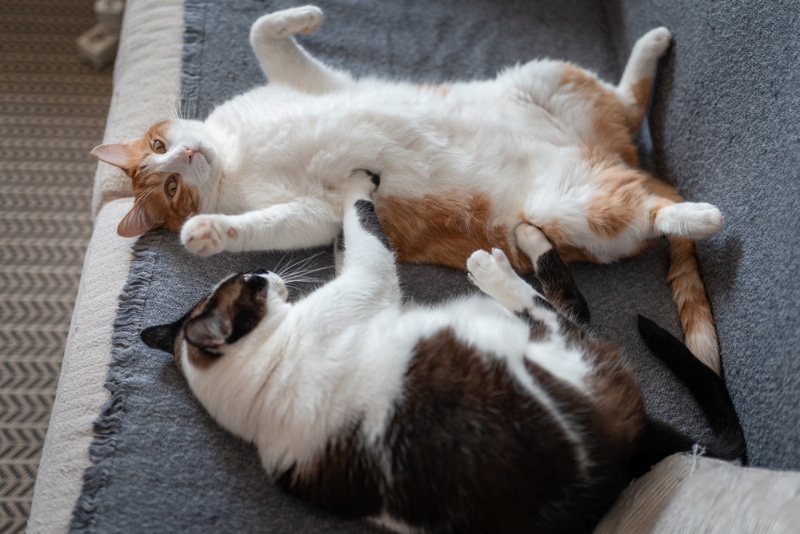
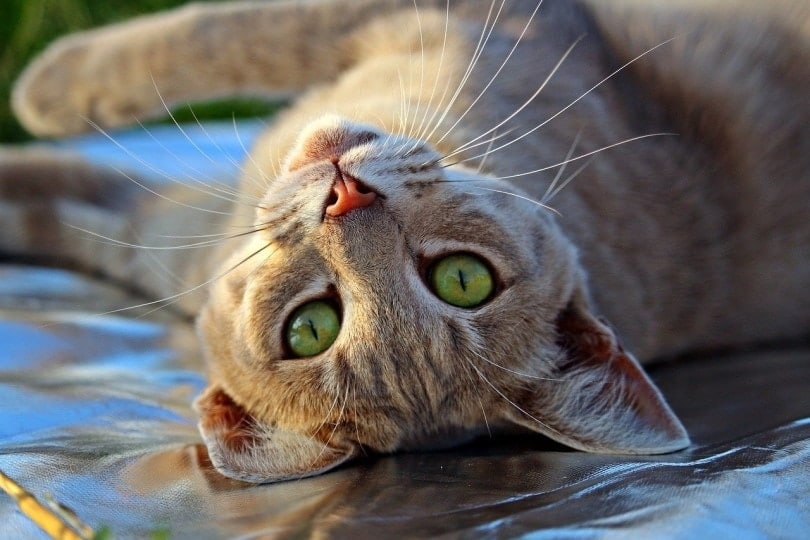
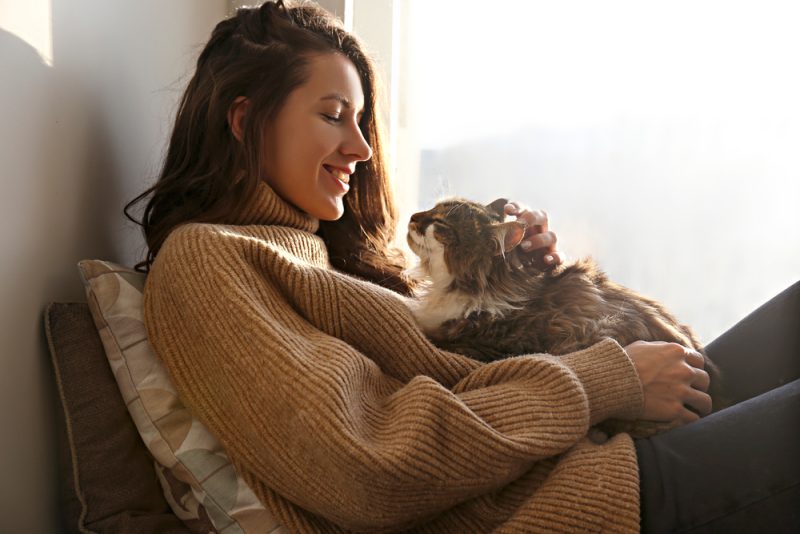
One sign that your female cat is in heat is if you notice behavioral changes. This usually presents itself through increased affection. Sometimes, the affection is so persistent and demanding that it seems like it will never stop. She may be rolling around on the floor, constantly head rubbing, or presenting her backside with her tail moved over to the side.
Another behavioral change you might notice is a complete shift in temperament. A once calm and even-tempered cat might now be moody or nervous.
2. Urinating Outside the Litter Box
Like male cats, female felines can spray urine. This strong-smelling spray has pheromones to attract potential suitors, and your cat might take it upon herself to spray all over the house.
Our Favorite Enzyme Cleaner
The Hepper Advanced Bio-Enzyme Pet Stain & Odor Eliminator Spray is our favorite enzyme cleaner out there. It permanently removes even the very worst kitty stains and smells, leaving your home fresh and clean! Click here to learn more about this amazing product and get yourself a bottle.

- ADVANCED ENZYMATIC CLEANER - Penetrates the most stubborn smells and stains at the deepest molecular levels to dissolve any pet mess you encounter and lift it away at the source.
- FOR ANY MESS, ON ANY SURFACE - This pet odor eliminator cleans your carpets, floors, furniture, fabrics, and more. Whether it's urine, feces, vomit, or drool, you can erase all foul spots and smells!
- FRESH, NATURAL ODOR - Our unique formulation doesn't rely on dangerous or unpleasant chemical fragrances to get the job done. We eradicate smells and stains, not just cover them up.
At Catster, we’ve admired Hepper for many years, and decided to take a controlling ownership interest so that we could benefit from the outstanding products of this cool cat company!
3. Increased Vocalization
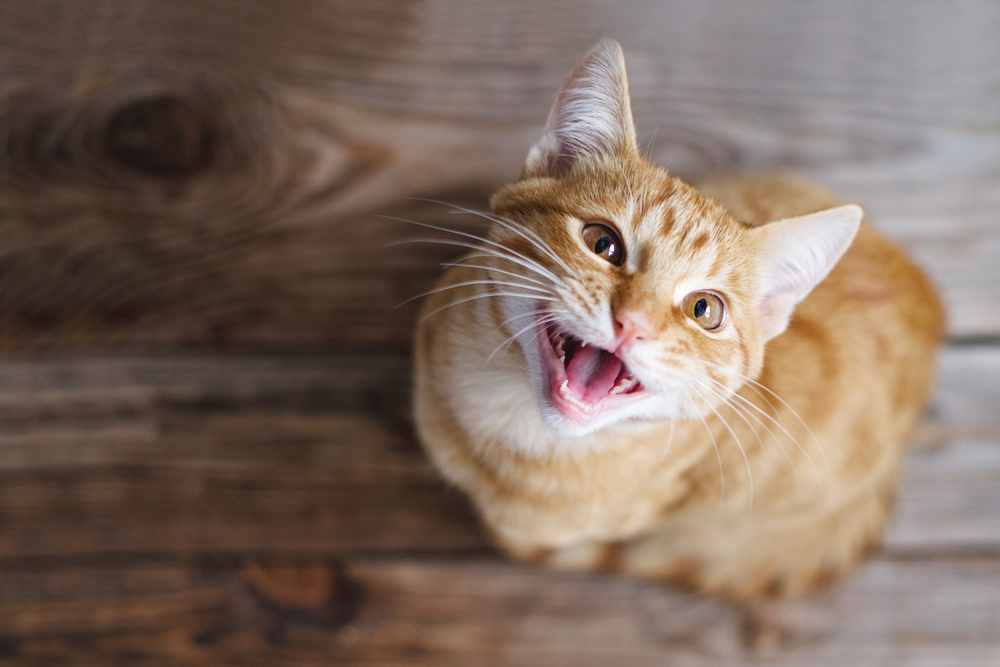
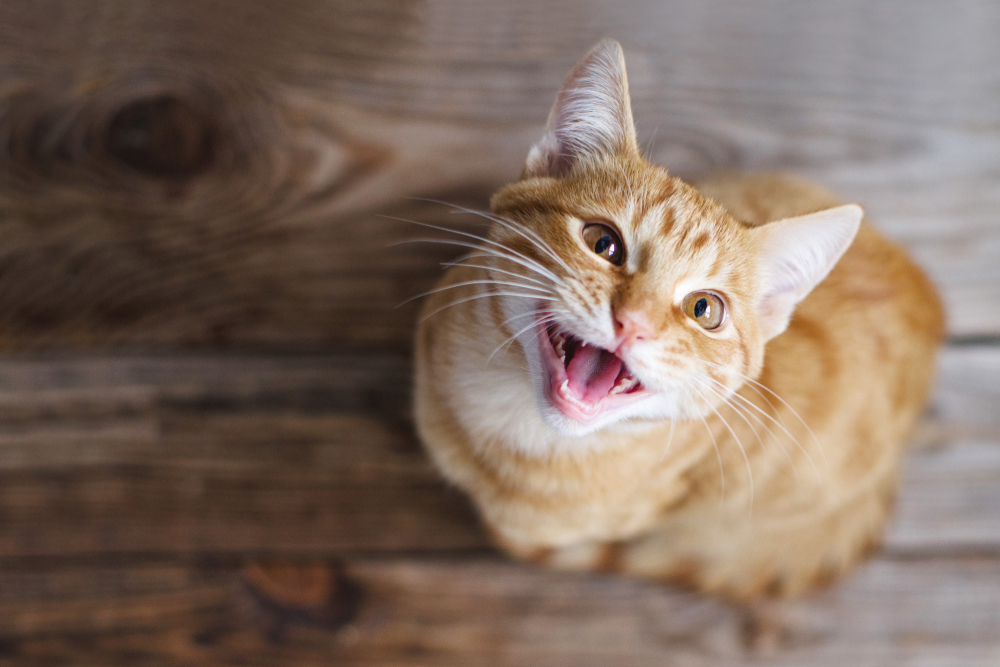
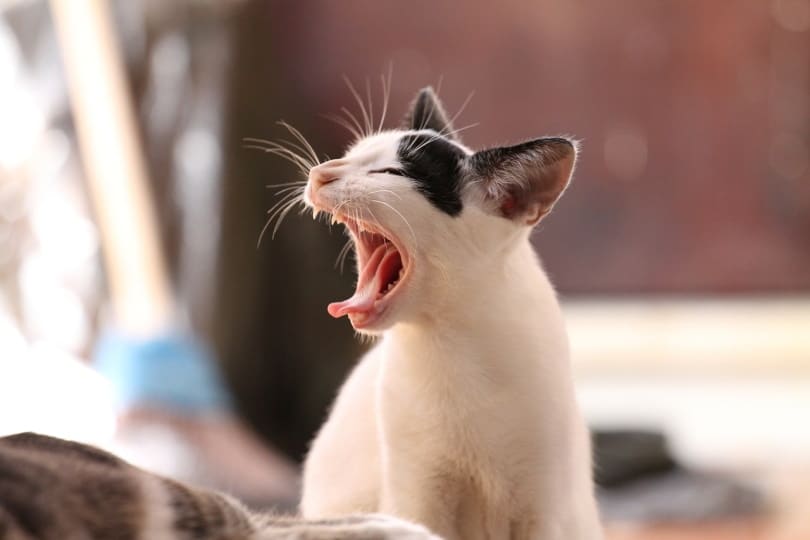
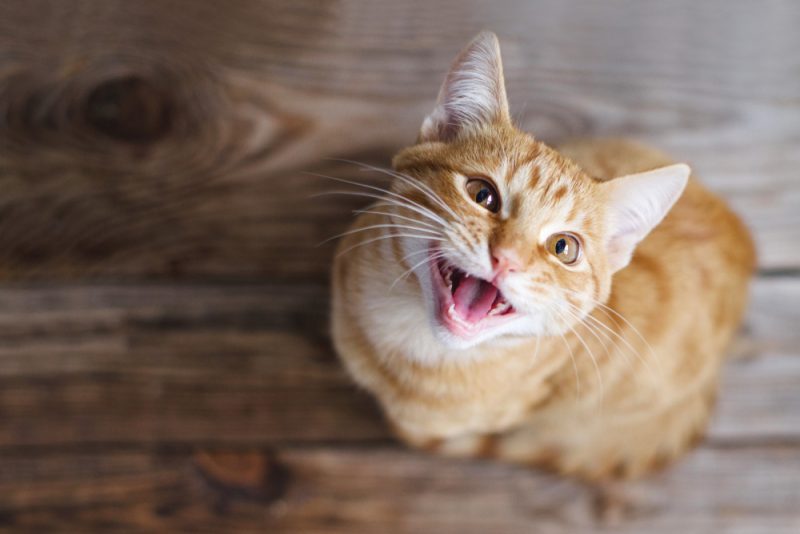
Females in heat are highly vocal and will do anything to attract a male. Don’t be surprised if you hear constant yowling from your cat. Cats in heat can keep you up for hours at night and well into the day.
4. Excessive Grooming
Cats in heat groom themselves more than usual. You might not pay any attention to it because cats already do a good job cleaning themselves, but there should be a noticeable increase if you pay close attention.

My Cat Is Spayed: Why Is She Still Going into Heat?
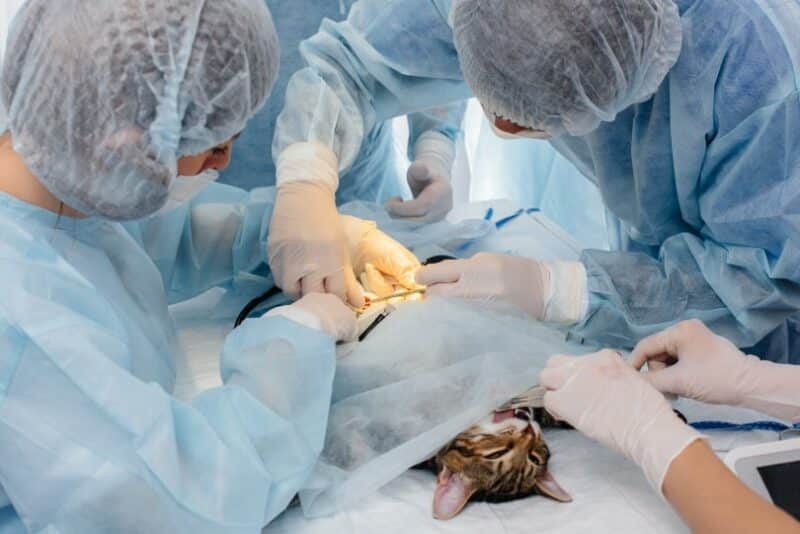
The cat spaying procedure is usually straightforward. Your veterinarian will make a small incision and remove her ovaries and uterus to stop the heat cycles and prevent pregnancy. With these removed, the body no longer produces estrogen and cannot send signals telling the body it needs to reproduce. This usually stops the heat cycles from that point forward, but there are rare occasions when it doesn’t.
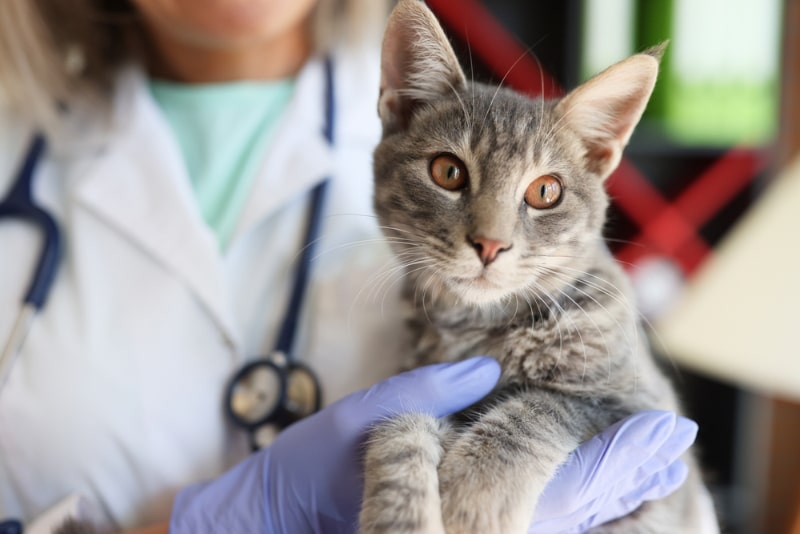
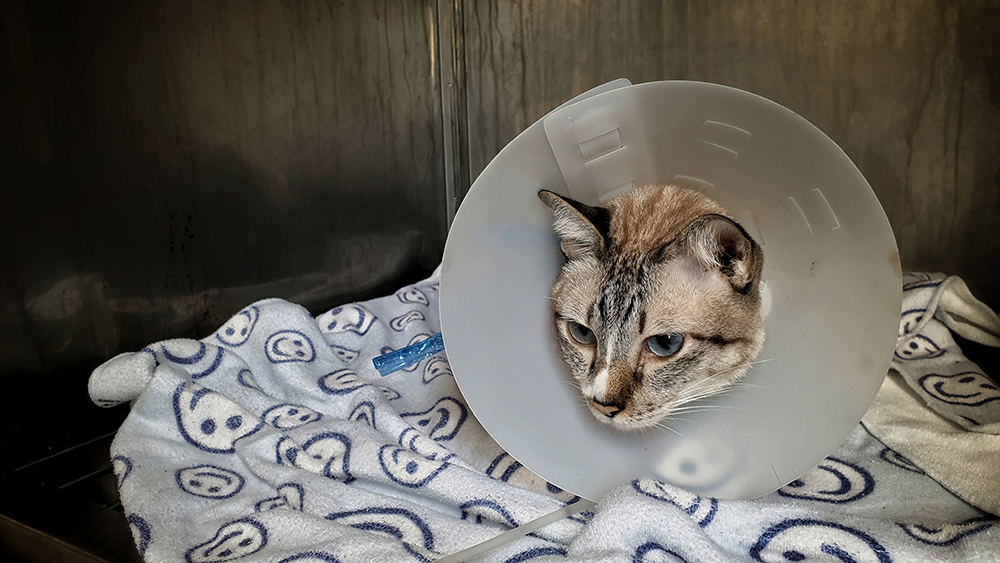
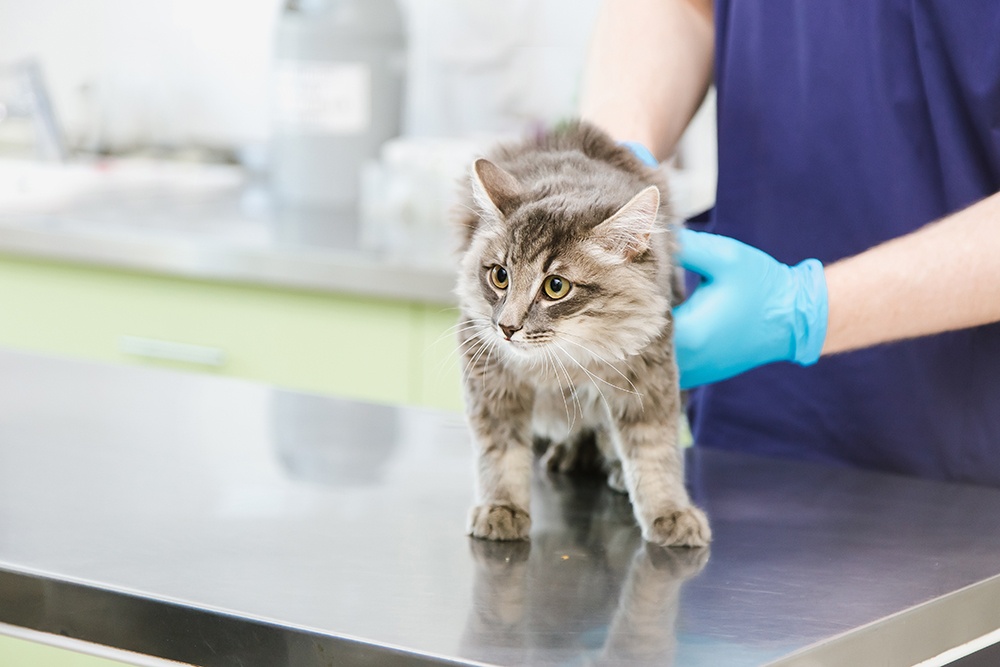
If your cat shows signs of being in heat after her surgery, it is not normal, and she needs to be taken to the vet. Vets can perform tests to determine what’s going on internally.
If you need urgent veterinary advice, consult a vet online.
Ovarian Remnant Syndrome
The most common cause of cats going into heat after being spayed is ovarian remnant syndrome. Ovarian remnant syndrome occurs when a small piece of ovarian tissue is left behind during surgery and results in the body continuing to produce estrogen.
It can also happen when a small piece of the tissue from the ovary breaks away as it is being removed (auto-transplant) and establishes a blood supply before continuing to produce hormones. It can sometimes take months or even years before you notice the signs of ovarian remnant syndrome.
Anatomical Abnormalities
It is possible, although not common, for a female cat to have anatomical abnormalities of the reproductive tract. For example, an extra ovary that was not seen during the first surgery could be present.
How Do You Diagnose Ovarian Remnant Syndrome?
The vet has several methods for coming to a diagnosis. Usually, they use one or more tests:
Conclusion
While cats do have periods they might not have the same symptoms that humans do, it is still possible for them to go into heat even after being spayed. While it is rare, you need to have it checked out by your vet. If confirmed, they will have to perform surgery to remove the remaining ovary tissue and truly end your cat’s heat cycles for good.
Related Reads:
Featured Image Credit: Roman G Potapov, Shutterstock

Expert cat care, straight to your inbox
Vet-reviewed advice, behavior tips, and the best of Catster. Free, and you can unsubscribe anytime.
By signing up, you agree to our Terms & Conditions and Privacy & Cookies Policy.
Hallie has been a proud nature and animal enthusiast for as long as she can remember. She attributes her passion for the environment and all its creatures to her childhood when she was showing horses on weekends and spending her weeknights devoting her attention to her pets. She enjoys spending most of her time in Michigan playing with her two rescue cats, Chewbacca and Lena, and her dog, Clayton. When Hallie isn’t using her degree in English with a writing specialization to spread informative knowledge on pet care, you can find her snuggled up on the couch reading books or watching nature documentaries.
Join the conversation
Ask a question, share your story, or send private feedback.