How Far Do Feral Cats Roam? Vet-Reviewed Facts & FAQ


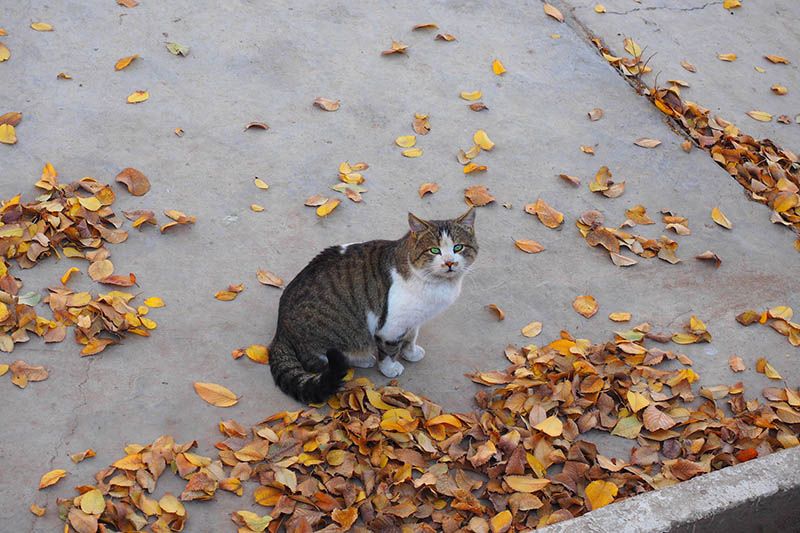
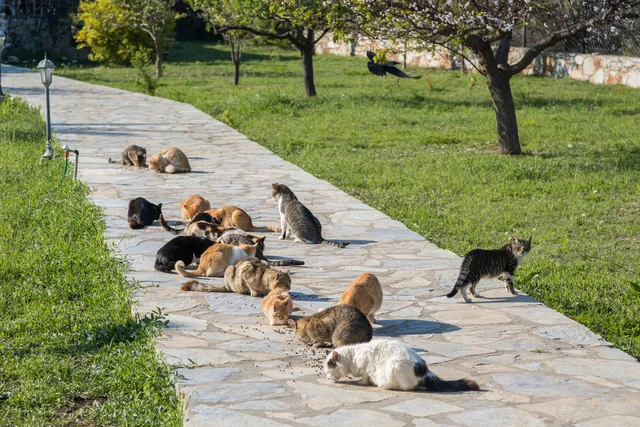
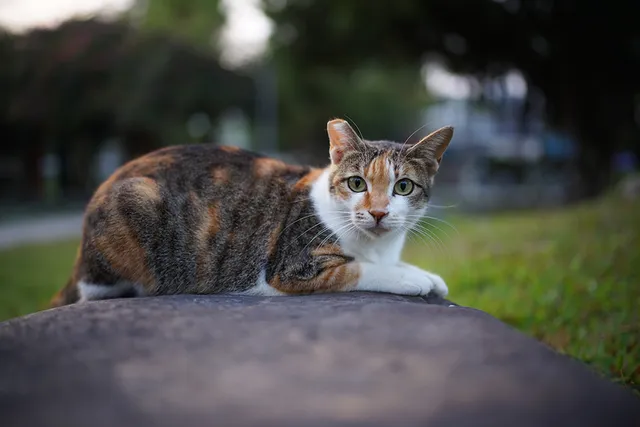
If you spend any time outdoors, you’ve most likely seen what you believe to be a feral cat. These cats are often confused with stray cats, which are domestic cats who, at one point, had a home but, for unknown reasons, are now living on their own. Feral cats are far different from stray cats. Feral cats have never lived in a home. They were born in the wild, have never been socialized with humans, and spend most of their time hunting for food and reproducing.
If you have feral cats in your neighborhood, those that aren’t fond of you approaching them and usually keep their distance, you may notice that you often see the same ones. This leads to the question of how far feral cats roam. Turns out male feral cats like to stick within 150 acres of whatever area they feel is home. Females stick a little closer to home at 40 acres. Let’s learn more about feral cats and their lives down below.

The Territory of Feral Cats
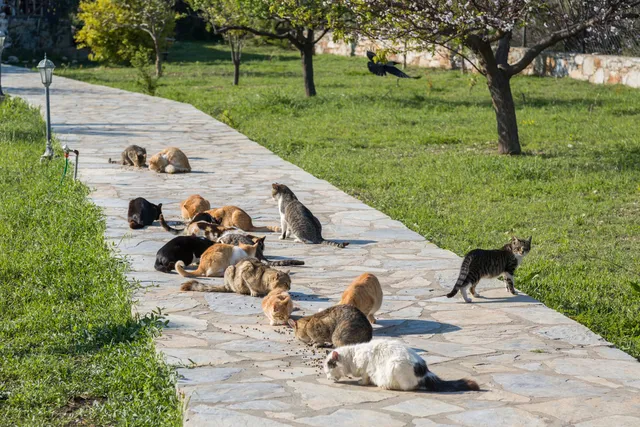
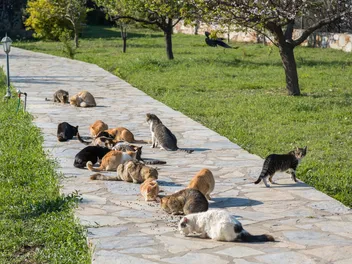
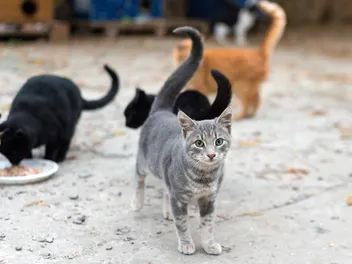
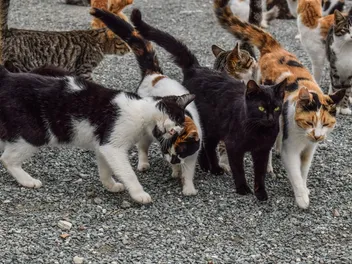
While they aren’t fans of human contact, feral cats often live in colonies. Inside these colonies, they socialize, reproduce, and live together. But how far do they go when hunting? On average, a male feral cat will stick within 150 acres of where he or the colony he is part of considers their home range. Females tend to stay closer to their home territory, possibly to help tend to kittens, and normally only roam about 40 acres. Of course, these numbers aren’t going to cover every feral cat out there. If food is scarce and a meal cannot be found, males and females will travel farther to meet their needs.

Can Feral Cats Be Tamed?
IMPORTANT
There is a lot of debate as to whether feral cats can be socialized and tamed. You’ll hear lots of people try to encourage you to steer clear of feral cats. Then there are others out there who claim they have tamed feral cats. In many situations, the people who form relationships with these cats allow them to continue their lives outdoors due to preferences and independent natures. This is why knowing how far one will roam from where they feel is home is important.
If you have feral cats in your neighborhood and attempt to tame them, food is always your best friend. By offering the cats something they need, they will start to feel safe with you. When the time comes that you’ve earned the cat’s trust, if you do decide that life indoors with you is the best option, make sure you visit the veterinarian immediately. Life on the street is hard on feral cats, and there are many illnesses they can pick up. A proper medical examination is always the first step before sharing your home with a cat you’re unfamiliar with.

Where Do Feral Cats Live?
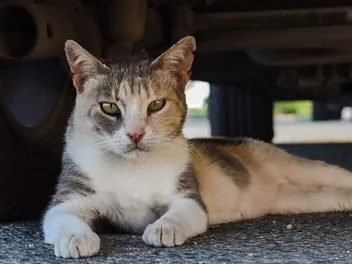
While they may stick to a certain area when roaming or hunting, feral cats will cuddle up anywhere they feel safe. These cats have been found in abandoned buildings, vacant lots, under homes, and even in crawl spaces. Like any cat, they aren’t fans of rain, so you’ll especially find them looking for shelter when the weather outside isn’t the best. Living in colonies means you may find them almost anywhere, and usually, more than one in an area.
Oddly enough, feral cats can live a content life. Colonies of these cats often live near one another and in areas where they feel food is plentiful. By living in groups, feral cats find friendship and aren’t as lonely as people think. They even help control rodent populations in areas where they take up residence. These cats get lots of exercise, but just like domestic cats, they are susceptible to sickness and disease. This is why it is best to help these cats from a distance until you’ve evaluated the situation enough to determine whether there is any danger involved.

How You Can Help Feral Cats
Unfortunately, there are people and organizations out there that believe controlling feral cats means diminishing their numbers by killing what they see as “unwanted” cats. This isn’t the case. With male feral cats roaming up to 150 acres and, at times, more, they won’t have an issue finding other cats to mate with. If you truly want to help the feral cats in your neighborhood, the best thing is to get involved with Trap, Neuter, and Release (TNR) programs. TNR programs are designed to control feral cat populations by safely catching these cats so they can be spayed and neutered. You’ll find that feral cats are less aggressive when they’ve been altered and that control of the colony numbers helps them feed themselves better. Other ways you can help feral cats in your area include offering shelter and access to rabies vaccinations. Feeding feral cats with the intention of rescuing them is considered acceptable in most instances. However, feeding feral cats with no intention of providing them with a better future is considered counterproductive to animal welfare. Many organizations that offer TNR also provide rabies vaccines to feral cats. You can also, if the cat warms up to you enough, take the cat in for a vaccination yourself. Placing small animal homes or carriers with warm blankets inside can help these cats when the weather outside isn’t great. You’ll also find that a steady supply of food will keep them in the area and make them more likely to become your friends.
Final Thoughts
While feral cats don’t roam as far as the experts once thought, 150 acres for males and 40 acres for females is still a good-sized area. These cats use this area as their hunting grounds to keep themselves and their colony properly fed. If hunting isn’t good, or we humans don’t step in and offer a bit of nutrition, this roaming area will grow, and the colonies may move on. If you are concerned with the feral cats in your area, reaching out to a TNR program to help control the population is a great way to help them. There is also a chance that you could potentially tame one of these cats and make it your friend. If you do decide to approach a feral cat, make sure to take precautions, as these cats were born wild and aren’t used to human contact. See Also:
Featured Image Credit: Shino, Unsplash
Expert cat care, straight to your inbox
News, insights, and useful advice, delivered to you.

No spam — unsubscribe anytime.
By signing up, you agree to our Terms & Conditions and Privacy & Cookies Policy.
How useful was this post?
Click a star to rate. You can leave written feedback afterwards. (We read all feedback.)
A native of East Tennessee, Melissa is an avid animal lover who enjoys writing in her notebooks and playing outside with her many pets. Currently, she has two cats, Princess and Pepper, who are total opposites that demand constant attention. Her three dogs, Jazzy, Whitey, and Demon, are spunky troublemakers.
Melissa is also a dedicated wife and mother to two children. Beyond her career as a freelance cat writer, she's a published Indie author under the pen name Rena Marin!