Is It Illegal to Relocate Feral Cats? Dangers, Legalities & FAQs
In this article
Although feral cats may be a nuisance, relocating them can be an illegal act in many cases. In this article, we'll discuss the legality of transferring the felines and what to do beforehand if you choose to proceed with relocation.
Feral cats have become notorious for being detrimental. They can attack other creatures and property and spread diseases. Thus, some people might feel that removal is their only option. Nevertheless, it’s important to know your local laws concerning such matters before making any final decisions.

Understanding Feral Cats
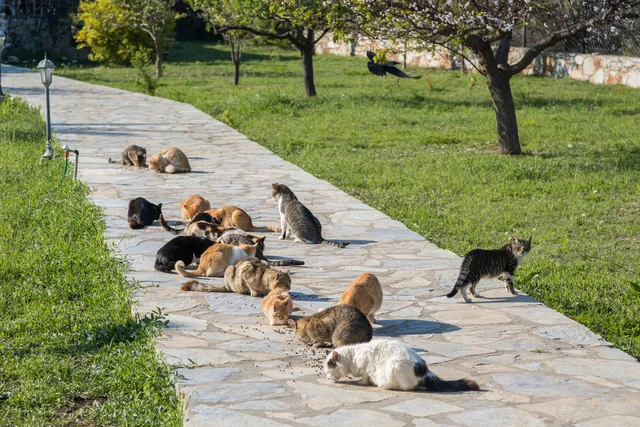
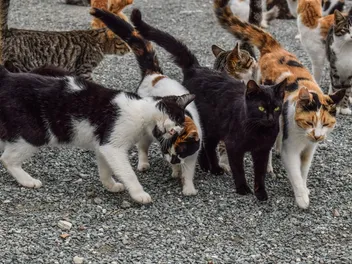
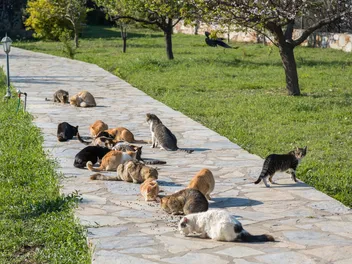
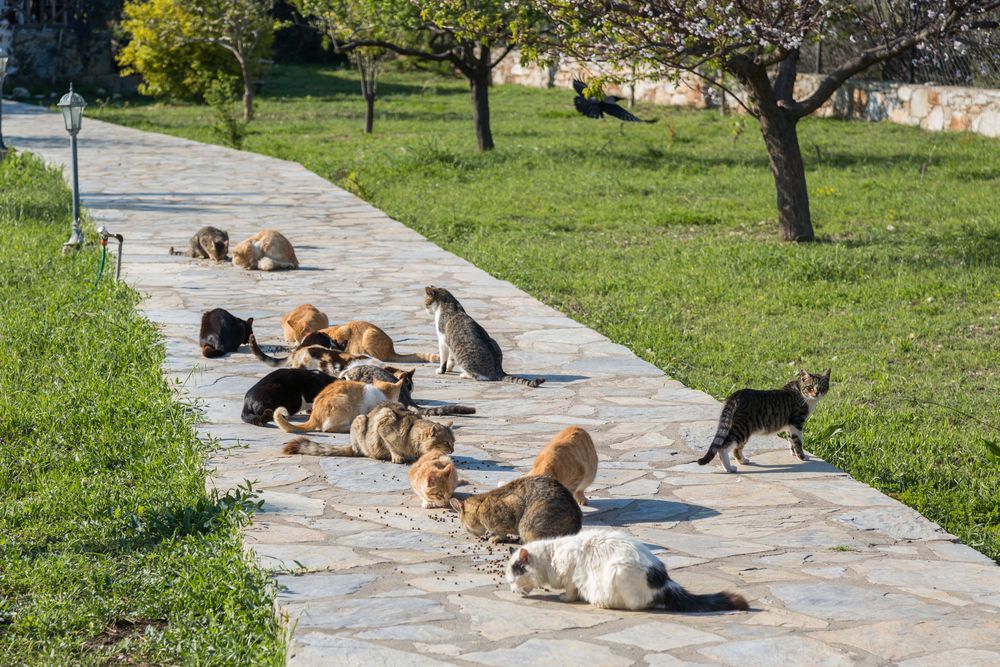
Feral cats are the descendants of formerly domesticated felines that were deliberately or inadvertently let go and have since adapted to wildlife.1 It is essential to differentiate them from stray cats, which may be lost or abandoned but still friendly toward humans.
As feral cats are unaccustomed to human contact, they can behave aggressively and, therefore, make it difficult to handle them.

Relocating Feral Cats: Legal or Illegal?
In most cases, it is not illegal to relocate feral cats if their lives are in danger, but generally, moving feral cats is against the law. The reason for this is the negative consequences of relocating feral cats. Feral cats are territorial and may see the relocation as an invasion. This could lead to them fighting with other animals in their new home.
If not vaccinated, feral cats can spread dangerous illnesses, such as rabies, toxoplasmosis1, and bartonellosis, to their new surroundings. When relocated, they can cause the disintegration of entire colonies, leaving helpless young kittens in the process.
Also, relocating a feral cat without the appropriate socialization and training can be inhumane. In some instances, humane euthanasia may be the only viable choice regarding feral cats.
Relocating a Feral Cat in Danger
In situations where you fear for the health and safety of a feral cat, you may be permitted to relocate it. However, you need to be aware of the following before acting:

Local Laws and Regulations
Before attempting to relocate a feral cat, it is vital to understand the local laws and regulations that are in place for their protection. Many states and towns have implemented rules that guarantee the animals’ welfare.
These laws are put in place to ensure feral cats don’t endure any unnecessary harm or suffering when trapped and released. So make sure you contact the proper authorities to ensure you have permission.
Humane Trapping and Relocation
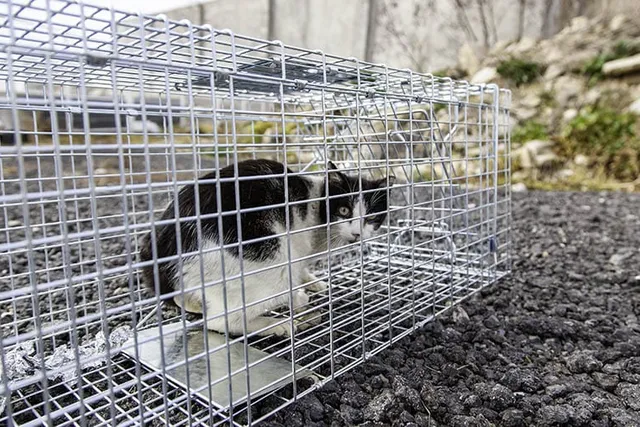
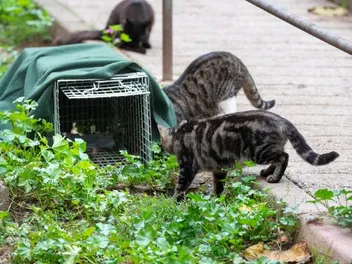
If you decide to relocate feral cats, it is crucial to do so humanely. Humane trapping is the preferred method of capturing feral cats. The trap should be baited with food and placed where the cats are known to frequent. Once the cat is trapped, it should be transported safely and securely to the relocation site.

Relocation Site
When choosing a relocation site, it is important to select a location that is suitable for the cats’ needs. The site should have adequate shelter, food, and water sources and be free from potential hazards such as predators or traffic.
To avoid unwanted disturbances in the area, it’s critical to ensure that relocating cats does not pose any issues for the local community.
Conclusion
If the relocation of feral cats is your only feasible option, ensure you comply with all local laws and regulations concerning humane trapping methods. Similarly, be judicious when selecting an appropriate relocation site for the felines.
If you are considering relocating feral cats for any other reason, consider euthanasia instead. It may be the kindest and most humane option for feral cats.
See also:
“Sources”
Featured Image Credit: Murat An, Shutterstock
Expert cat care, straight to your inbox
News, insights, and useful advice, delivered to you.

No spam — unsubscribe anytime.
By signing up, you agree to our Terms & Conditions and Privacy & Cookies Policy.
How useful was this post?
Click a star to rate. You can leave written feedback afterwards. (We read all feedback.)

Christian started writing for a local newspaper as a teenager, and he's been involved in the publishing industry for most of his adult life. Combining his love of writing with a passion for animals, he is currently the Director of Editorial at Pangolia and the Editor-in-Chief at Catster.
Christian lives in the Philippines with his wife, son, and four rescue cats: Trixie, Chloe, Sparky, and Chopper.