How Long Do Cat Colds Last? Causes, Signs, & Treatments

In this article
Just like us, our cats can get the sniffles here and there. Respiratory illnesses are among the most common things that can go wrong with cats, and severe cases generally require veterinary attention.
So, before reading the rest of this article, if your cat is displaying any signs that worry you, we recommend contacting your vet’s office immediately to make an appointment. Colds typically last between one and two weeks, but it can be a little more serious at times.
In this article, we are going to go over what exactly a cat cold is, how to treat a cat cold, and how to tell the difference between a cat cold and other possible complications.

What Is a Cat Cold?
As humans, we often don't think twice about passing colds around. It's just something we accept as the changing of the seasons occurs. Colds are very easy to recognize and once you understand the signs, it will be just as easy to notice in your pets.
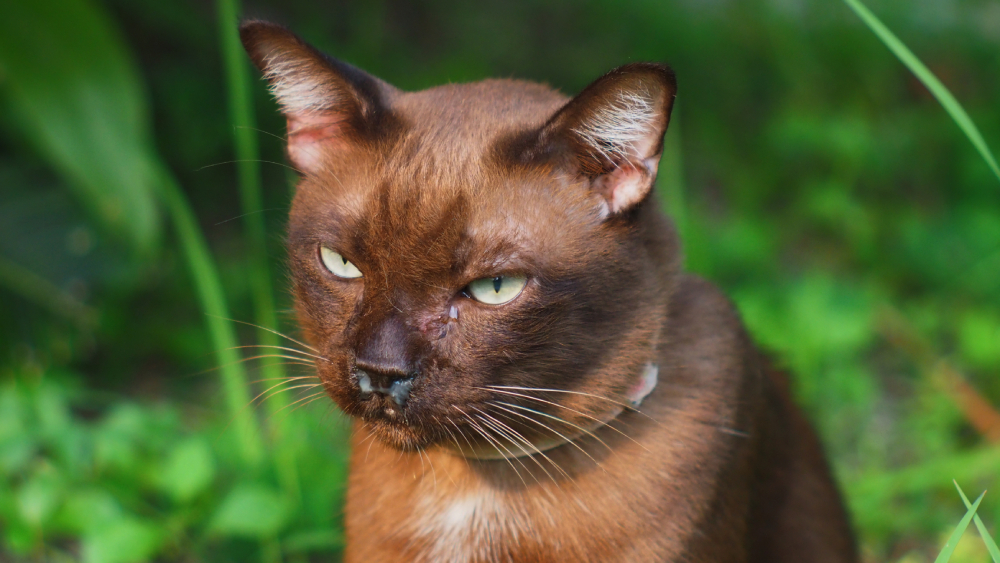
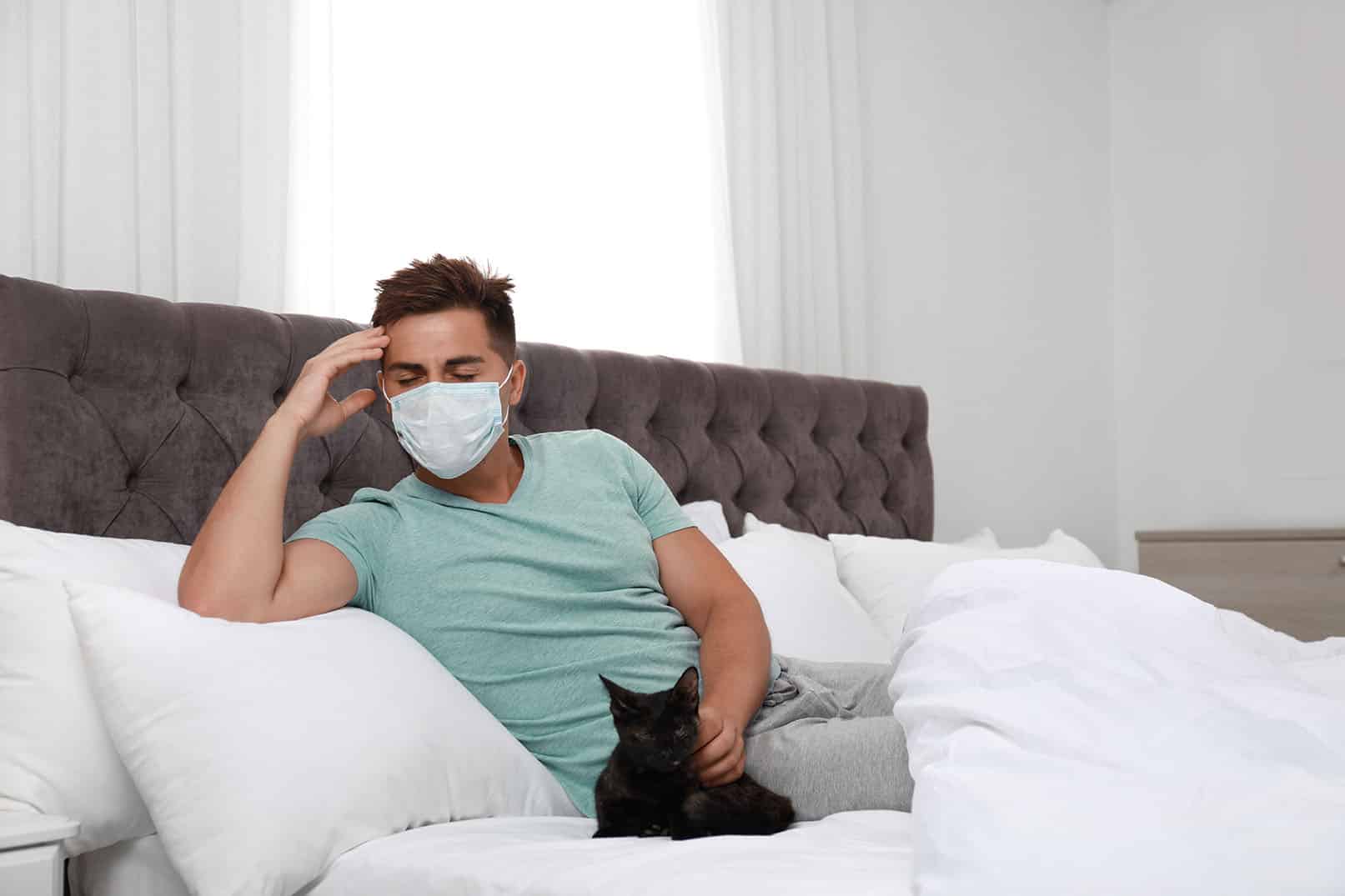
If your cat has a cold, they will display many of the same symptoms as human beings, and they catch it very similarly. Cat colds are considered upper respiratory infections; bacteria and viruses usually cause them.
While cats generally can't catch the same kinds of colds and viruses that we do, they can pass it back and forth between other felines. Cats often get colds in social settings, such as going outdoors with unfamiliar felines, being boarded in a facility, or visiting the vet.

Signs of a Cat Cold
Colds are pretty easy to scope out. However, they can also share the same signs and symptoms as more serious issues. That is why, if your cat is showing any signs of sickness, you should contact your vet right away.
Signs of a cat cold include:
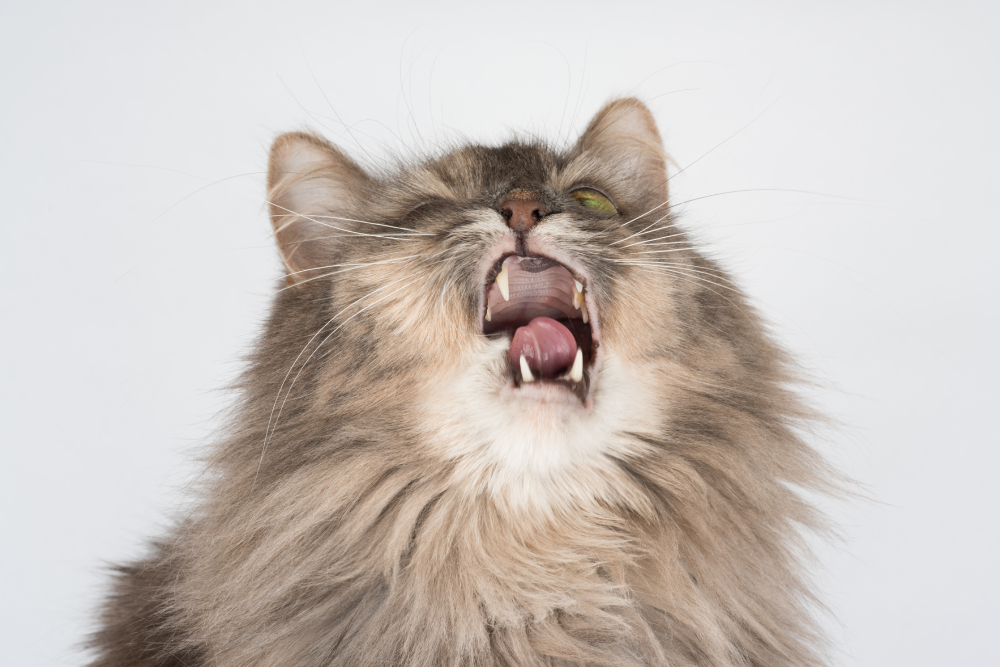
- Sneezing
- Sniffles
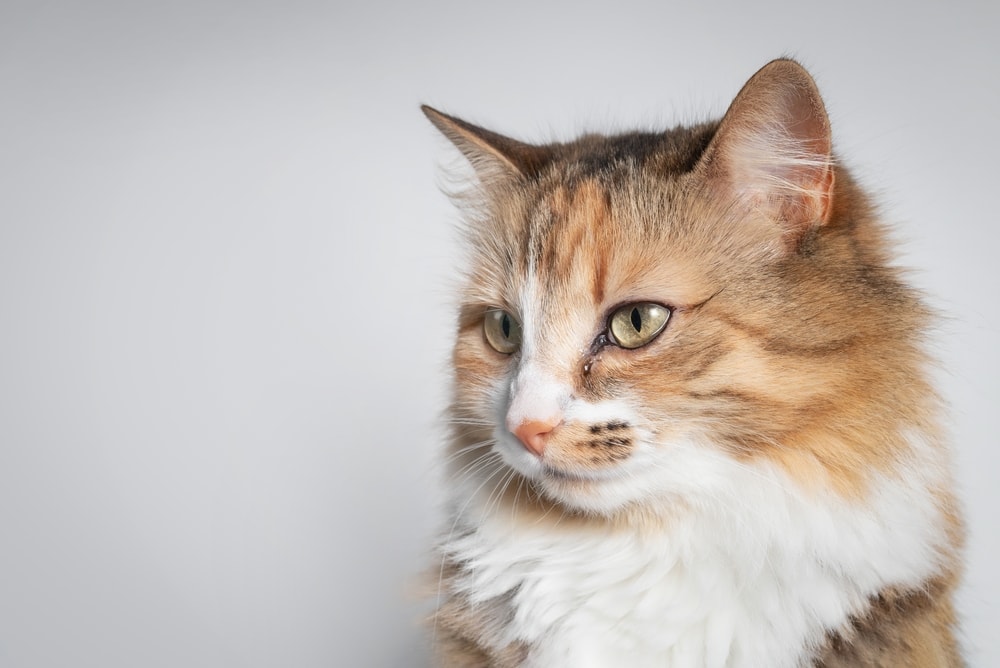
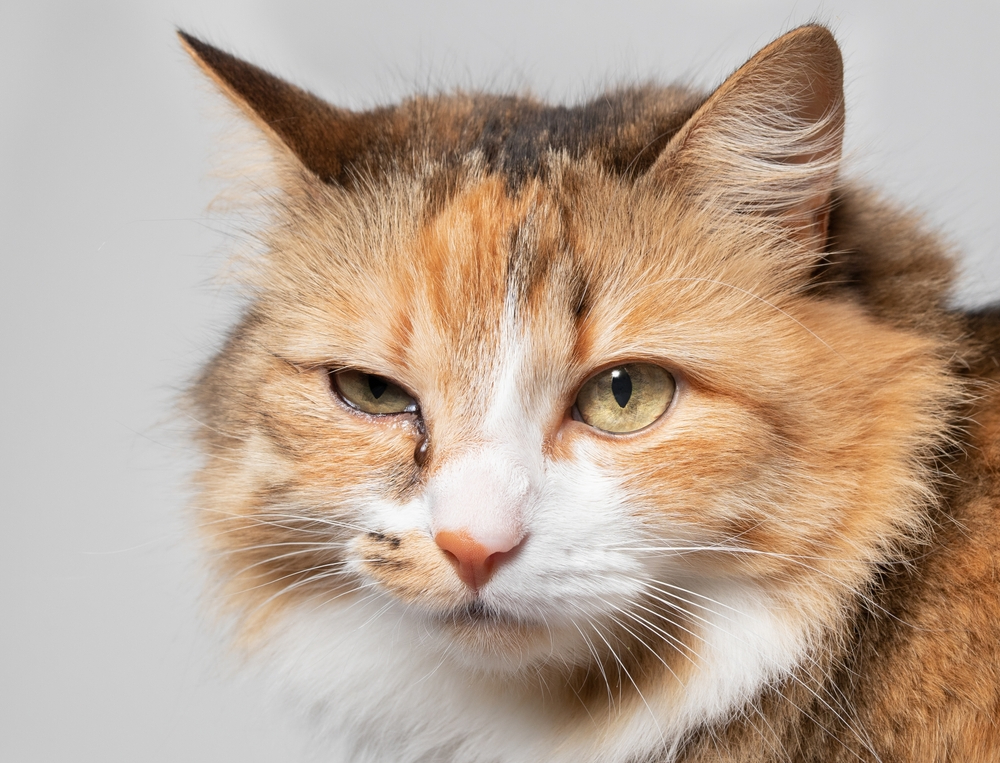
- Watery eyes
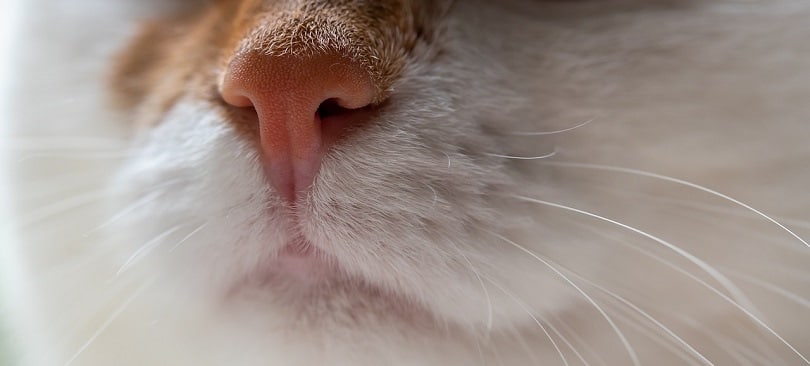
- Nasal discharge
- Low-grade fever
- Lack of appetite
- Coughing
There are certain things that make cats more susceptible to colds than others, such as high-stress levels or lack of routine vaccination. If your cat's cold is persistent, it can possibly develop into pneumonia, which can be much more complicated and expensive to treat.
Cat Cold Treatment
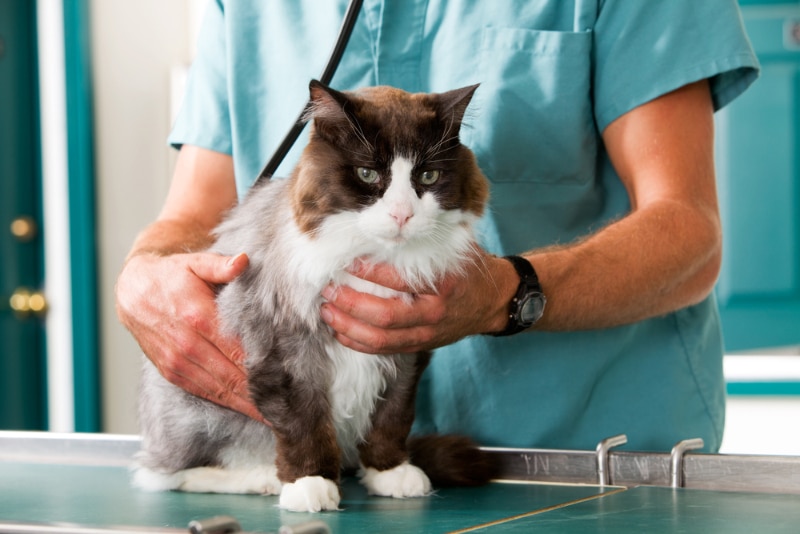
In many cases, after your vet has examined your cat and determines that your cat has a cold, they will likely tell you that the condition is viral and will pass on its own. If your vet comes to the conclusion that your cat has another health issue, it will be treated as necessary.
If a cold is the diagnosis, you can do what you can to make your cat comfortable at home, but often, no additional veterinary treatment is necessary. During this time, you can monitor their health. If there is no sign of improvement after about a week, you might want to contact you again for further guidance. Other concerns include a lack of appetite, or significant congestion, which your vet can also help to address.
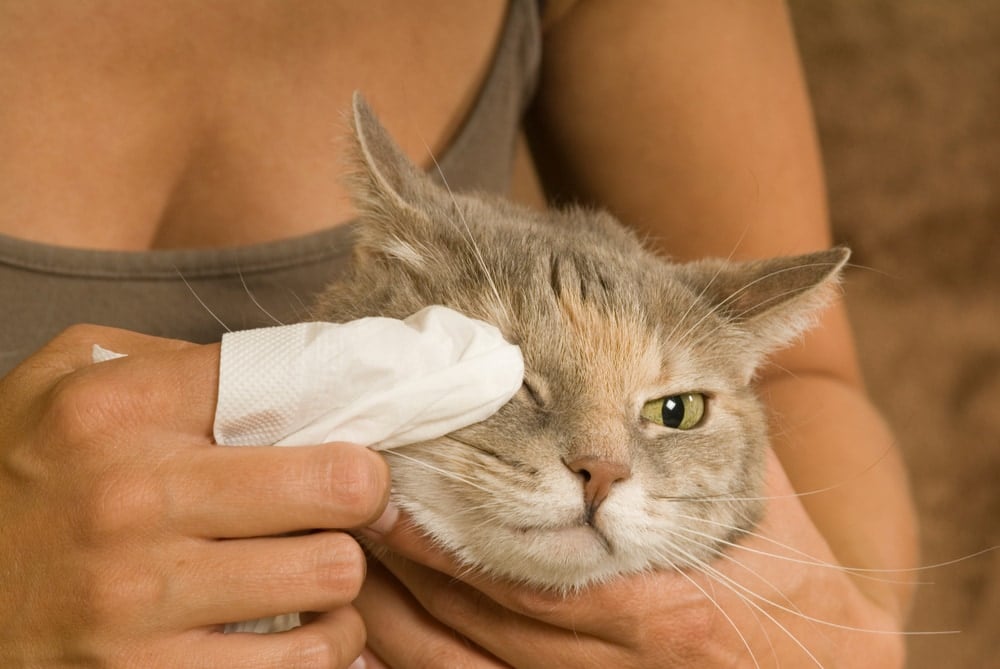
If you’re looking for a cat cold remedy you can do at home, your vet can advise you. But most of the time, you have to just let it pass on its own. You can look for ways to make your cat more comfortable, such as wiping away any discharge with a clean cloth and saline solution.
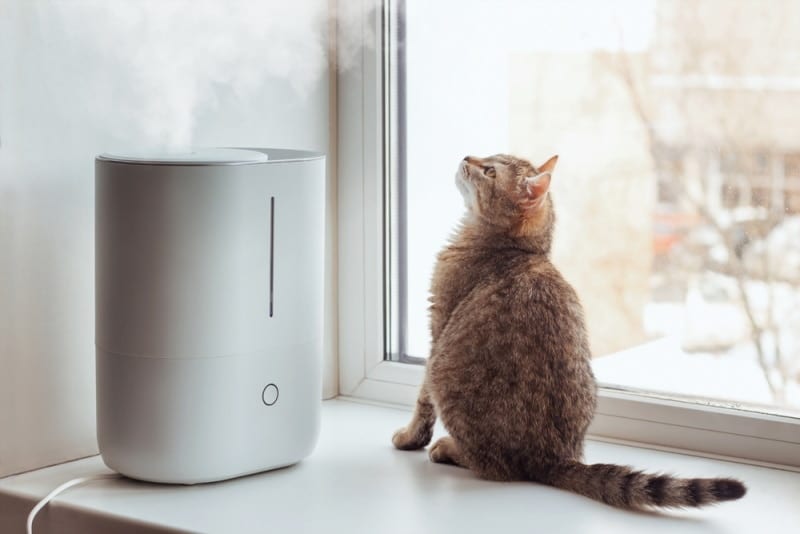
Humidifiers also might help to prevent respiratory tissues from drying out, and keep mucus moving. Our environment can get very dry, making it hard for congestion to work its way out of the body. If you don’t have a humidifier on hand, you can run the shower hot and bring your cat into the bathroom to benefit from the added moisture.

Protection from Cat Colds
Some colds can be inevitable. However, several vaccinations are available to help protect your cat from common upper respiratory infections. These vaccinations will help your cat's system fight off these intruders and keep it healthy.
It's also a good idea to keep your cat indoors. As much as your cat loves to frolic around and find things to do in the neighborhood, it makes them susceptible to illness. If your cat is exposed to unvaccinated or infected cats, it can make them very sick.
Also, make sure your cat has an appropriate diet. If they aren't properly nourished, it can impact their immunity and make them more susceptible to sickness.
Colds vs. Allergies
Sometimes, it's hard to differentiate between allergies and a cold. After all, they both share very similar signs, such as sneezing, coughing, and nasal and eye discharge. However, colds tend to pass while allergies stick around.
You can pinpoint the trigger, such as the type of litter you're using, when your cat goes outside, or identify another potential culprit. If you suspect your cat has allergies, your vet can potentially use testing to determine what the irritant is and how you can avoid it.
Often, environmental management can decrease symptoms significantly. In more severe cases, your cat might have to be on allergy medication or change diet formulas for resolution of allergy signs and symptoms.


Some Possible Causes of Cat Colds
Below, we'll discuss a couple of very common upper respiratory problems and how they're treated.
Feline Calicivirus
Feline calicivirus is a highly contagious illness that is transmissible from cat to cat. Most cats showing clinical signs of calicivirus develop upper respiratory symptoms, but it may also spread to the lower respiratory tract, which can induce pneumonia. Rarely, it can impact other body systems as well.
Generally, only supportive care is administered if a cat is healthy enough to fight off the infection. However, if it transfers into pneumonia or develops a secondary infection, it might require the use of antibiotics and other measures to combat the illness.
Feline Herpes Virus
The number of feline herpes viruses is staggering. Did you know that up to 97% of cats are exposed to this virus at some point in their lifetime? Typically, this virus can cause the upper respiratory symptoms we discussed earlier in the article, as well as ulcers on the cornea. Most of the time, cats with feline herpes virus develop a fever.
Depending on the severity of the disease, it can greatly impact what the vet decides to do for this particular illness. Often, cats are met with supportive care, but sometimes, they might also need nasal decongestants, antibiotics, and stress limitations.

Feline Chlamydiosis
Feline chlamydiosis is a bacterial infection that gets into a cat’s system. It requires very close contact for transmission and is often passed through bodily secretions. Infected cats typically develop conjunctivitis, amongst other signs. Antibiotics are usually the answer to this illness.
Conclusion
There are tons of ways you can help your cat through this little hiccup. First, you must get them to your veterinarian to determine the underlying cause of the symptoms to ensure that it is a viral cold that will pass in time.
If it's more serious, your vet can recommend further testing to rule out any other potential causes and determine the best treatment. Since common colds can mimic many things, it's always best to seek professional help rather than just try to wait it out at home.
Sources
Featured Image Credit: Kginger, Shutterstock

Expert cat care, straight to your inbox
Vet-reviewed advice, behavior tips, and the best of Catster. Free, and you can unsubscribe anytime.
By signing up, you agree to our Terms & Conditions and Privacy & Cookies Policy.
As a freelance dog writer and passionate pet enthusiast, Ashley Bates is pursuing studies in animal therapy. A mother to four human children and 23 animal companions, Ashley is dedicated to volunteering at shelters, advocating for animal rights, and rescuing animals in need. Her goal is to spread awareness, provide education, and offer entertainment about pets to reduce homelessness. Ashley's specialties include dogs and cats.
Join the conversation
Ask a question, share your story, or send private feedback.