Moving With an Outdoor Cat: 12 Vet-Approved Tips to Consider


In this article
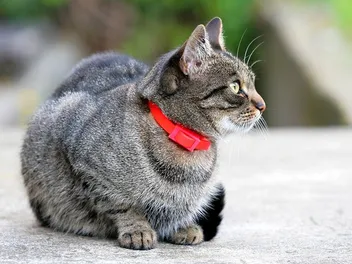
Moving is always chaotic, and it’s just as stressful for your pets as it is for you. While an indoor cat is used to spending time indoors, moving with a cat that’s used to wandering outside is an extra challenge. Since they will want to go outside at the new house, you will have to take steps to make sure they don’t get lost or end up back at the old house.
Fortunately, moving with an outdoor cat only needs a bit of planning. This guide has 10 things to remember when you move with an outdoor cat, including tips on how to reintroduce them to the outdoors when you’re both settled.

About Outdoor Cats
The 12 Things to Consider When Moving with an Outdoor Cat
1. Research Vaccination & Legal Requirements
If you’re moving to a new place, especially a new jurisdiction, you should thoroughly research the rules and regulations about pet ownership there. Furthermore, it’s very important to check all vaccination and pet passport requirements prior to your trip, as many places have specific requirements for pets being transferred to the place.
2. Pre-Move Planning - Scent Transfer
If possible, a few days before you move, rub a towel or piece of cloth on your cat and go to your new place to then rub that same piece of fabric on the walls, floor, and furniture of where you intend to initially house your cat. This helps transfer your cat’s scent to the new place. Cats recognize their territory by scent, and if your cat is able to pick up their scent in their new home, it might make the transition easier for them.

3. Restrict Your Cat’s Movements
A few days before you move, it’s also best to restrict your cat’s movement and prevent them from roaming unsupervised. This is because your cat might be fearful if, one day, a massive truck shows up and several people come into the house and begin moving furniture around and causing quite the commotion. In such a situation, a startled cat may bolt out of fear. The last thing you want on your moving day is to figure out where your cat is.
4. Introduce Your Cat to the Pet Carrier
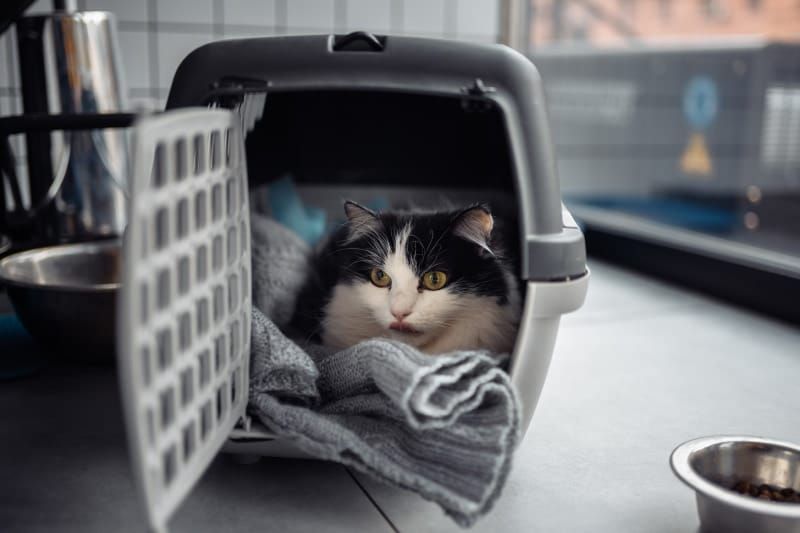
A secure carrier is always the safest and most reliable way of transporting your cat anywhere. Even if you’re making most of the journey by van or car, a carrier will make it easy to carry your cat and ensure that they’re safe the whole time that you’re moving.
To make the experience less traumatic, show your cat that the carrier isn’t something to be fearful of. Inside, place their favorite blanket, a fluffy sweater that smells like you, or a toy that they adore. You should also leave the carrier open around their favorite spot in the house or on the porch for a few days before moving so your cat can get used to it.
Once they know that it’s safe, they might even go in on their own, saving you time on moving day.

5. Microchip Your Cat
If you haven’t already, moving is a great opportunity to make sure your pets are microchipped. Even if your cat wears a collar and an ID tag, they can easily lose both somewhere in your home or more likely, out on the streets while they explore. A microchip is a safe, tamper-proof, and permanent form of ID that is always with your cat.
It only takes a few seconds to insert a microchip, and many pet owners get the procedure done when their cat is spayed or castrated (neutered). You will need to know the identification number on the microchip and register it in the database with your information.
If your outdoor cat gets lost at any time, the information on the microchip will help anyone who finds them get them back to you. Since moving is a time when cats frequently get lost, a microchip provides a safety net to get your cat back home.
6. Choose a Temporary Cat Room
Moving with an outdoor cat means keeping them inside for a while. The first few days following a move, it’s best to keep your cat in one room so they don’t get scared by all the moving around by you and any movers.
Choose a room that’s big enough for your cat to play and explore and contains enough space for their bed, litter tray, and food and water dishes. You can do this before you leave your old house too. By shutting your cat in a safe room, you can keep them inside until you’re ready to leave and stop them from getting scared by all the activity.
Always make sure the windows and door are kept shut so your cat is safe inside and can’t escape and get lost.

7. Move Your Cat Last
Placing your cat in a secure room is one thing, but keeping a cat locked in a carrier for hours is not practical. The best approach is to confine them to their carrier for as little time as necessary. This is why a cat-safe room at your old and new houses can work wonders.
By the time you move your cat, you should already have a cat room set up at your new house. This will give you somewhere to let your cat out as soon as you arrive. You can feed them and let them use their litter tray without worrying about losing them. By moving them last, they’ll also find it easier to adjust to their new surroundings, since they'll be surrounded by familiar scents and you will be with them when they reach the new house.
8. Introduce the New Environment Slowly
After the first few days, your cat will probably be eager to get back outside, especially if they’ve been shut in one room of your new house the whole time. While you can’t let them out immediately, you can give them the run of the house instead of continuing to restrict them to one room.
This gives you a few days to organize things until you’re mostly ready to go. You’ll have the furniture where you want it and will just need to unpack the less bulky boxes. When you let your cat explore the house, make sure all the windows and doors are shut. If you’re still running in and out, leave them in their cat room until it’s quiet.
Don’t be alarmed if your cat darts back to their safe room. You need to give them time to adjust to their new home, and this can take a few weeks.

9. Leave Your Contact Details with the New House Owners
Many cats have a remarkable ability to find their way home if they get lost. One of the reasons it’s so easy to lose your outdoor cat during a move is that they’re not familiar enough with their new home to consider it a safe place. If you let them go outside before they’ve adjusted, they might just head back to the old house simply because that’s the home they’re familiar with.
In this case, it’s always a good idea to leave your contact details with the new owners or your neighbors. Ask them to keep an eye out for your cat, especially if they go missing sometime after the move. If your cat finds their way home, you’ll know that you have people there who will contact you and let you know.
10. Prepare for Accidents
While using a litter tray is mostly instinctive, cats can be fussy about their bathroom habits. If their litter tray doesn’t meet their exacting standards, they’ll show their displeasure by eliminating wherever.
Cats are also sensitive to changes in their routine and they might eliminate where they shouldn’t due to stress from the move or simply from being confined indoors.
Your outdoor cat might not have a problem using their new litter tray in the house for a while. However, you should keep paper towels, waste bags, and enzyme cleaners on hand for any messes.
11. Keep Your Cat Indoors
For the first 2 weeks following the move, it’s recommended that you keep your cat indoors. They’ll likely be frustrated about this and beg to go out, but this period is important to help them adjust to their new home.
Use the 2 weeks to get your cat used to their new home. You want to get them used to familiar scents in a new environment where you can monitor their reaction and help them adjust. If you move with your furniture, rugs, and their cat tree, the familiar sights and smells will help them adjust faster.
This time also gives you a chance to finish unpacking and let your cat settle in without all the boxes and constant activity. At this point, you might want to consider turning your outdoor cat into an indoor cat instead.
12. Consider Supervised Roaming
There are many ethical reasons why allowing a cat to roam unsupervised is not advised. Cats can be very destructive toward the local environment and can decimate populations of local fauna by hunting birds, rodents, and other animals that are in their neighborhood. It’s important to remember that cats are not native to many parts of the world; they are native to Africa.
Allowing your cat to roam unsupervised also raises concerns for their safety. Cats can go missing, get injured, get into fights with other cats, ingest something toxic, or be involved in motor vehicle accidents while they roam. They can also contract illnesses, parasites, or diseases when they roam. It is also possible for a cat to be preyed on by other larger animals.
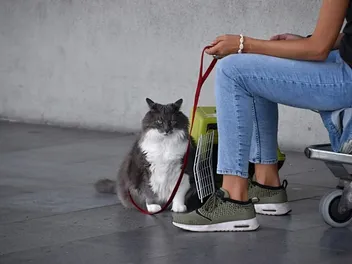
If your cat loves the outdoors, it’s best to leash train them so that they can roam under your supervision. This also allows you to bond with your cat. Alternatively, an enclosed, escape-proof garden or “catio” can be utilized to allow your cat the opportunity to roam.
Can You Move with Feral Cats?
Feeding Feral Cats
Despite how much you might love that old feral stray that you’ve been feeding for years, it’s usually not possible to take feral cats with you. Moving with an outdoor cat and keeping them safe while you do so will depend on their bond with you. They need to be willing to approach you and stay in your home.
Feral cats are often too wary around people to let you anywhere near them. If they only ever appear at meal times and dart for cover whenever you get close, even if it is to toss them a few pieces of kibble, they’ll be much happier staying put.
Before you leave, ask the new owners or your neighbors if they’ll take over feeding the stray cats that you’ve grown attached to. You might even find that they’ve been feeding them too! Moving a feral cat from somewhere they know where to get food from is not recommended.
Conclusion
Moving with an outdoor cat poses interesting challenges, especially with some cats’ ability to find their way home again after getting lost. That, coupled with the fact that allowing cats to roam unsupervised comes with several risks, means it’s best to be careful with your move and your future plans with your cat.
Sources
Featured Image Credit: Rovsky, Shutterstock
Expert cat care, straight to your inbox
News, insights, and useful advice, delivered to you.

No spam — unsubscribe anytime.
By signing up, you agree to our Terms & Conditions and Privacy & Cookies Policy.
How useful was this post?
Click a star to rate. You can leave written feedback afterwards. (We read all feedback.)
Christian started writing for a local newspaper as a teenager, and he's been involved in the publishing industry for most of his adult life. Combining his love of writing with a passion for animals, he is currently the Director of Editorial at Pangolia and the Editor-in-Chief at Catster.
Christian lives in the Philippines with his wife, son, and four rescue cats: Trixie, Chloe, Sparky, and Chopper.