Get

In Your Inbox

Catster is reader-supported. When you buy via links on our site, we may earn an affiliate commission at no cost to you. Learn more.

Who Will Take Care of My Cat When I Die? Here’s How It Works

Share

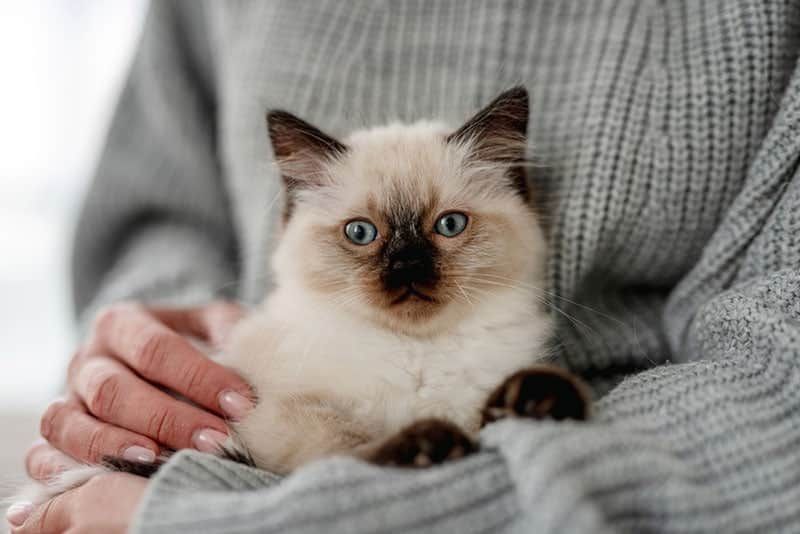
female owner holding her ragdoll kitten

As a pet parent, it’s critical to ensure your cats are properly cared for if something happens to you. There are a few ways to ensure that your cats are taken care of after your death, but the first step is to clarify your wishes and determine who you’d like to care for your companions.

Legally, cats are considered property;  your cat’s future living situations can be outlined in wills, but they can’t directly inherit cash or assets. When it comes to providing for your cats’ care, pet trusts and leaving money to whoever takes care of them are both possibilities. Some organizations work with people to ensure their pets are cared for in the long run.

divider 2 cats

Evaluate Potential Guardians

Start by thinking about friends and family members who might make good guardians. Take their ages and living arrangements into consideration. Other important factors to keep in mind include whether the person has children, other pets, or a lifestyle that would make pet ownership difficult.

Some organizations work with those facing life’s end to provide rehoming services for pets, and there are retirement homes where cats can live out their days in comfortable surroundings.

Some shelters have programs specifically designed to find new homes for cats left alone due to an owner’s death, and they provide pets with lots of perks, including loving foster homes and medical care.

Think About Your Cat’s Needs

While your 21-year-old cousin may love cats and be the sweetest soul on earth, if your companions are older and have medical needs, they may be better off with a more settled guardian who spends lots of time at home and has extra cash on hand to pay for medical bills that may come up.

With multiple cats, it’s critical to think about how important it is for the bunch to stay together so you can factor that in when evaluating potential guardians. If your best friend already has a cat and lives in a small apartment, for example, you may want to consider other options when finding a new home for your buddy.

man feeding british shorthair cat
Image Credit: LightField Studios, Shutterstock

Have a Discussion With a Potential Owner

Reach out to the person you’re considering and ask if they’re willing to step in and care for your cats after your death. Make sure to provide a clear and honest picture of your cats’ needs and your wishes regarding their care.

Allow the person plenty of time to think things over after you’ve given them an idea of what caring for your buddy will likely involve, as a loving and considered refusal can often be the best thing for everyone involved.

Make sure they’re aware of any medical conditions your cats may have, and be upfront and honest about the costs of caring for your companions and any special needs they have that require extra attention.

Save Money for Care Costs

Instructions regarding cats can be included in wills since pets are generally considered property, but you can also keep things simple and leave informal written instructions regarding their care.

It’s possible to leave money to cover expenses to the person you’ve asked to become your cat’s new guardian, but whoever inherits the money can usually use it without restrictions. Pet trusts provide more control by requiring the money spent on cat care, but they can be expensive to set up and complicated to administer.

Speak to an Attorney

Once you decide what steps to take, it’s time to make things official. You can speak to an attorney who specializes in pet law if you’re interested in establishing a trust for your cat or providing money for their care in your will.

Many rehoming programs require pet parents to enroll ahead of time, so make sure you’ve done the legwork to ensure your cats are signed up and your loved ones know about the arrangements you’ve made.

two professionals talking in a meeting
Image By: Kite_rin, Shutterstock

divider 2 cats

Conclusion

You have a few options when arranging for your cats to be cared for after your death. The first thing to do is to determine who you would like to care for your buddies and under what circumstances. Cats can be included in wills, and they can be provided for by pet trusts. You can also work with friends or relatives to set up a plan to keep your cats safe after you’re gone.


Featured Image Credit: Tatyana Vyc, Shutterstock

Want content like this delivered to you?

Sign Up For Our Newsletter

News, insights, expert advice, and everything cat

* By submitting, you agree to our Terms & Conditions and Privacy & Cookies Policy.


How useful was this post?

Click on a star to rate (you can leave written feedback after clicking submit)

Help us improve Catster for pet parents!

Your feedback really matters.

What did you like about this post? Also how can we improve it?

Join the conversation

Leave a Reply

You’re very welcome to leave a comment or question. Please know that all comments must meet our community guidelines, and your email address will NOT be published. Let’s have a positive and constructive conversation.


Talk With A Vet Online

Peace of mind,
anywhere, anytime

Affordable vet advice

Why Chicken Bones Are More Dangerous for Cats Than Most Parents Realize

Chicken bones seem harmless enough, but for cats, they can cause serious damage quickly. Whether your cat swiped a piece off the counter...

Fantastic Pet Pantries and Where to Find Them

Let’s face it: times are really tough right now, and those of us in the 99% are struggling with the cost of just...

Ask Dr. Paola – Help! My Cat Refuses to Drink Water! (April 13, 2026)

Welcome to our “Ask Dr. Paola” series, where every Monday we bring expert advice straight from Dr. Paola Cuevas (MVZ) to help our...

Why Healthy Cats Still Vomit Sometimes (And How to Respond)

A cat that just vomited needs a specific kind of care, and the feeding decisions you make in the next few hours actually...

More related

Can Cats Eat Cherries? Vet-Reviewed Risks & Precautions

Cherries are a perennial favorite for late summertime, and for good reason. They’re tasty and come in both tart and sweet varieties. They...

How Do Cats Ask for Help? Vet-Verified Signs to Look For

Anyone who has ever lived with a cat has probably wondered more than once what their buddy was trying to tell them. Cats...

Are Cats Good Therapy Animals? Vet-Verified Facts & Benefits

Though cats don’t make the news for visiting children’s hospitals or assisting with traumatized veterans nearly as often as their canine counterparts, that...

History of Tuxedo Cats – Taking a Look at Their Past

With their gorgeous black and white coats, tuxedo cats appear ready for a night on the town. Anyone can recognize a tuxedo cat...

Keep reading

Can Cats Have Olive Oil? Vet-Approved Nutritional Facts & FAQ

The health benefits of olive oil for people are well-established. Evidence suggests it can improve cardiovascular health by lowering LDL, what is referred to as “bad cholesterol.” Many pet owners consider their animal companions family members. Just as you’d give...

Can Cats Have Olive Oil

Can Cats Eat Graham Crackers? Vet-Reviewed Facts & Alternatives

Cats are known for their picky eating habits, but they can sometimes surprise us by nibbling on unexpected treats. One strange item that seems to get many cats’ attention is graham crackers, but are they safe for cats to eat?...

Can Cats Eat Graham Crackers

Do Cats Get Winter Coats? Vet-Verified Fur Facts & Care Tips

The trees turning colors and the weather growing colder aren’t the only changes that happen during the fall months. Like many dogs, cats also get winter coats. This fur coat is thicker and denser than their summer coat and serves...

black long-haired cat winter snow

Can Cats Be Allergic to Humans? Vet-Reviewed Facts

Approximately 10% to 20% of the population is allergic to cats and dogs. Of course, people can be allergic to far more than just pets. We can be allergic to different foods, pollen, dust, mold, etc. While everyone knows that...

tabby cat sneezing

Will Ammonia Keep Cats Away? Humane & Natural Alternatives

Even the most devoted animal lover doesn’t want cats trampling through their garden or defecating on their lawn. You can make many DIY cat repellants to keep cats out of undesired areas, and you may have read that spraying ammonia...

ammonia

Why Does My Cat Lick the Wall? 5 Vet-Reviewed Reasons for This Behavior

Typically, cats use their tongues to clean themselves and lap up water. However, you may have noticed that your feline has taken a liking to licking the wall. From our perspective, there is no point in licking the wall at...

cat head_Goran Horvat_Pixabay

How to Get a Stray Cat to Trust You: 6 Vet-Approved Tips & Tricks

Do you have a beautiful stray that lingers in your neighborhood? You might want to make friends with them, but it will prove to be quite a task. Stray cats often tug on the heartstrings of animal lovers. So, how...

man feeding stray cat

Why Do Cats Like Fish? 4 Interesting Vet-Reviewed Reasons

There are few things more ingrained in our thoughts and beliefs about domestic cats than the connection of cats liking fish. It is an interesting animal for cats to take an interest in, though. After all, most cats don’t like...

black cat looking at the aquarium fish

Love Cats? So Do We! Join the Catster Community

Stay informed with expert pet care insights delivered straight to your inbox! Discover professional guidance on animal behavior, feeding tips, trusted product picks, and much more.


Sign up for the Catster Email Newsletter

Stay informed with expert pet care insights delivered straight to your inbox! Discover professional guidance on animal behavior, feeding tips, trusted product picks, and much more.