How to Get a Feral Cat to Use a Shelter: 8 Vet-Reviewed Tips & Considerations


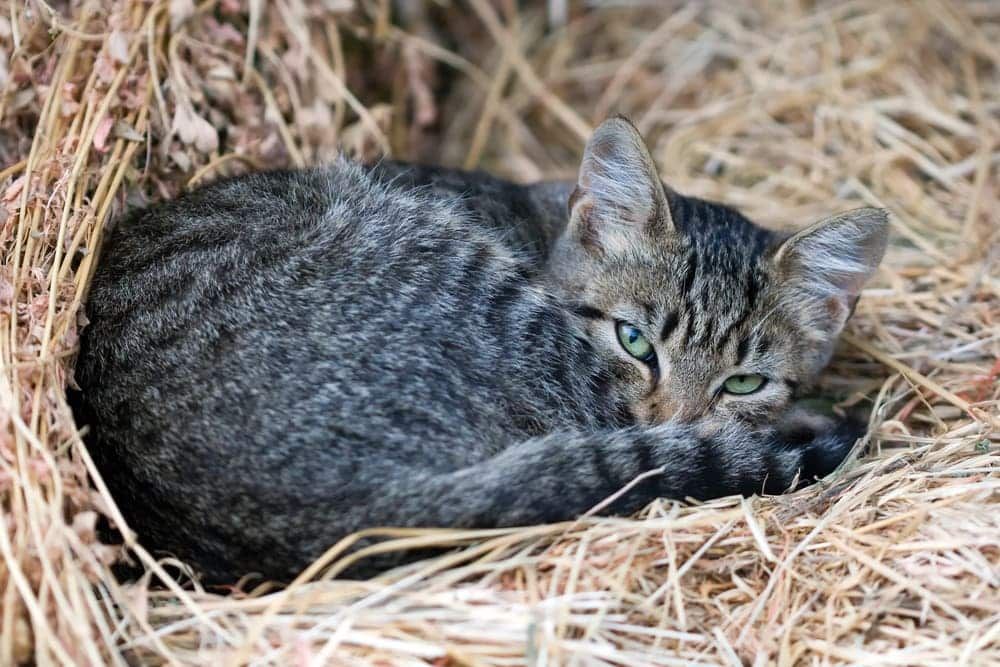
Feral cats scare some people, but when you’re a cat lover, you want to do everything you can to ensure the cats are warm and safe, especially during the frigid winter months. If you’ve taken the time to build a shelter for the feral cats in your neighborhood, you might be wondering how to actually get a feral cat to use the shelter. Feral cats may, at times, not approach the shelter. In addition, it’s also possible that the feral cat will get so used to being around you that they will take up residence at the shelter near your house and never want to leave. If that happens, there is an ethical conundrum to consider, which we’ll dive into before offering tips on how you can go about providing shelter for a feral cat.

The Feral Conundrum
It’s only natural that you would want to help an unowned animal. Having the compassion to assist such cats is considered commendable by many. However, there are a few things to consider before springing into action. The first is understanding what a feral cat is. In a strict sense, there’s no definition for the term “feral cat”. In some parts of the world, a feral cat is identified as a cat that’s never been owned by anyone, and such cats are found in close proximity to humans but are often very fearful of humans and don’t readily approach them. This often calls for a distinction between them and formerly owned cats who have found themselves in a circumstance where they are displaced from their homes; such cats are also referred to as strays. These cats are more likely to approach humans and beg for food and might also not be opposed to being physically interacted with. In other parts of the world, cats are culturally appreciated and accepted by just about everyone and therefore, it’s impossible to tell a feral cat apart from a stray; cats readily approach and aren’t fearful of people. Providing a shelter for an unowned cat (specifically one that has never been owned by anybody) is viewed as controversial by many people, for several justifiable reasons.
Why assisting a feral cat might be controversial:
These concerns have raised debates when it comes to assisting unowned cats (not to be confused with a displaced pet). In addition, feeding a cat who is lost and misidentified as a “friendly stray” or “friendly feral” is also controversial, as it would delay their reunion with their owners. A friendly, approachable cat should therefore be scanned for a microchip as soon as possible.
If you wish to help a feral cat, the ethics of doing so can only be assessed on a case-by-case basis. Broadly speaking though, many humane organizations are against helping a feral cat with no intention to adopt or rehabilitate them.
As such, we do encourage you to ensure it is legal to help feral cats before doing so. Also keep in mind that approaching or interacting with a feral animal poses health risks to you, your family, children, and your pets. Therefore, it’s best to check the guidelines of your local humane society before setting up a shelter for feral cats.

The 8 Tips for How to Get a Feral Cat to Use a Shelter
Please Note
1. Make Sure the Shelter Has More Than One Door
Most feral cats are used to being alone, and many are afraid of humans. A feral cat will not spend time inside a shelter with only one door because it may make them feel trapped. If another cat or anything the cat considers a threat comes in one entrance, the feral cat may want to escape through the other entrance.
If you want to get a cat to use your shelter, it’s best ensure there is more than one door. It’s also best to have the doors on opposite sides of the shelter.
2. Sprinkle Catnip Inside the Shelter
If you want to attract feral cats to your shelter, there’s nothing better for enticing them than sprinkling a little catnip on the inside. You should put it just inside the door so they will go inside to get it and perhaps realize how warm it is and want to stay. However do keep in mind that not all cats respond to catnip.
3. Leave the Doors Completely Open
When trying to attract cats to your shelter, it’s best keep the doors open. Feral cats will panic if they can’t get out of the shelter. Make sure there are no obstructions that stop the cat from being able to see outside. Once the cat is used to the shelter, you can add flaps or a cat door to the shelter's doors, but this may not be the best option in the beginning.

4. Consider Safety First
It’s best to build your shelter in a location protected from the elements and predators or neighbors who might not be as tolerant of feral cats as you are.
You should consider the safety of the cats and your family and household pets first. Place the shelter out of sight, in an area where only the cats can get in and out, and if you’re in an area with dogs, put your shelter in a fenced-in area that dogs can’t get into.
5. Consider Soft Bedding
Many pet owners try to entice feral cats into their shelters by providing them with soft bedding. Examples include straw or, in some cases, hay. If you opt for such bedding, ensure that it is dust and mold-free.

6. Consider Adding a Feeding Station
Some people think that food shouldn’t be placed in or near the shelter since it attracts other animals when you’re just trying to protect feral cats. However, they feel as though you can feed the cats while they are there. You can add a feeding station with food and water for the cats you’re trying to attract. But do keep in mind that as we’ve discussed earlier, this act (along with helping ferals) is viewed as extremely controversial by many.
7. Avoid Loud Noises
Outdoor cats that aren’t used to human companionship may panic and bolt if they’re startled by a loud noise. Your shelter might not be accepted by a feral cat if it’s not quiet enough. Setting it up in a relatively quiet area might be more successful at luring a feral cat to the shelter.

8. Be Patient
You’ll have to be patient if you want the feral cats in your neighborhood to come to your shelter. Most feral cats have lived challenging lives, and some may never truly become accustomed to your presence. They may take a while before deciding your shelter is a safe place to live. The best thing you can do is build the shelter and then patiently wait for the cats to come.
Conclusion
If you want to keep the cats in your neighborhood warm, safe, and dry, you’ll first need to assess the long term ethical implications of doing so. In addition, you’ll need to be patient and wait for them to come to you.
Feeding feral cats is very controversial. If you decide to feed feral cats, you might inadvertently be perpetuating the feral problem and contributing to their long term plight. Because of this, we strongly recommend having a plan for potential adoption or rehabilitation of such cats instead of acting on a whim.
Featured Image Credit: Peter Radcsi, Shutterstock
Expert cat care, straight to your inbox
News, insights, and useful advice, delivered to you.

No spam — unsubscribe anytime.
By signing up, you agree to our Terms & Conditions and Privacy & Cookies Policy.
How useful was this post?
Click a star to rate. You can leave written feedback afterwards. (We read all feedback.)
Patricia is a pet writer and lifelong animal lover. She has two cats (Binx and Link) and one dog (Mystery). Binx was found as a kitten under her house and has been part of the family ever since! Patricia is also a published author under the pen name Skylar McKinzie. When she isn’t writing, Patricia enjoys volunteering at her local animal rescue.