How to Clean a Cat Bowl: 8 Easy Steps & Vet-Reviewed Precautions


In this article
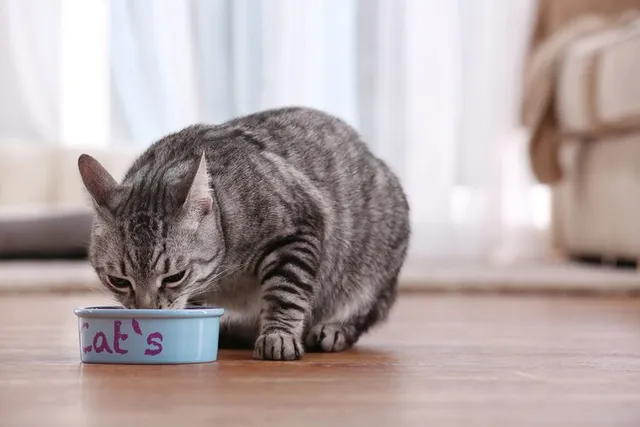
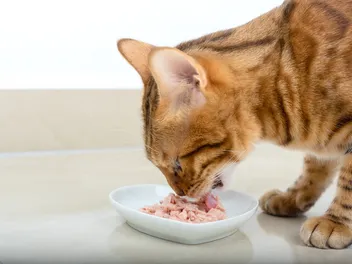
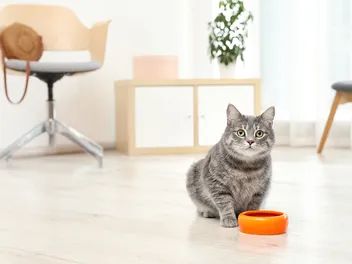
A cat bowl is easily one of the most important pieces of equipment for a cat owner. Just like humans, cats are affected by food-borne illnesses, most commonly caused by bacteria such as Salmonella, E.coli and Listeria. These illnesses can cause a wide range of signs, most commonly a stomach upset. Cats are clean animals, and they like their bowls to be clean, too.
In this article, we will provide you with tips on how to properly clean your cat’s food or water bowl and keep your pet healthy and happy.

Before You Get Started
The fact that you should wash your cat's food bowl and food mat every day may surprise you. The fourth most germ-ridden thing in our house is our pet bowl, according to NSF International, an organization in the field of public health and safety.1 So, for the sake of your cat’s health—and your own—be prepared to wash your cat’s food consumption items on a daily basis.
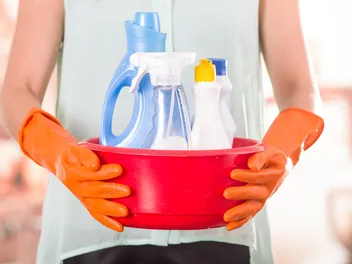
Supplies
Our Favorite Enzyme Cleaner
The Hepper Advanced Bio-Enzyme Pet Stain & Odor Eliminator Spray is our favorite all-purpose enzyme cleaner. It kills harmful bacteria and permanently removes even the worst kitty stains and smells, leaving your home fresh and clean! Click here to learn more about this amazing product and get yourself a bottle.
| Rating | Image | Product | Details | |
|---|---|---|---|---|
Best Enzyme Spray
 |

|
Hepper Advanced Bio-Enzyme Pet Stain & Odor Eliminator Spray |
|
Check Price |
At Catster, we’ve admired Hepper for many years and decided to take a controlling ownership interest so that we could benefit from the outstanding products of this cool cat company!

The 8 Steps on How to Clean a Cat Bowl
1. Use Rubber Gloves

To clean your cat bowl, put on rubber gloves to avoid coming in contact with the dirty food particles. The cat food and water as well as the bowls can contain bacteria that can cause illness, especially in case of inappropriate hand hygiene. They can be a breeding ground for bacteria, so it is important to take precautions when cleaning cat food bowls. The gloves will also protect your hands from the chemicals in the cleanser.
2. Discard Old Food

Reach into the bowl and grab as much of the slop as you can, then dump it into the toilet. Flush the toilet to get rid of the waste. Alternatively, this can be done by dumping it into the trash. Be sure not to dispose of this down the drain, as it can cause clogging. If there is still some slop left in the bowl, use a spoon or your gloved hand to remove it.
3. Deal With Dried-on Leftovers

Next, remove any dried-on leftovers. You can soak the bowl in hot water and dish soap to help loosen any hardened food particles and make the residue easier to scrub off. The dish soap helps to break down grease and dirt, making it easier to rinse them away. After 5–10 minutes, even the most stubborn caked-on food should disintegrate under a little pressure. Next, spray on an enzyme cleaner to kill bacteria, lift stains and
4. Scrub the Bowl

The next step in cleaning your cat food bowl is to scrub it clean. Apply dish soap to the bowl. Use a brush or sponge to work up some suds and remove any food or hair that may be stuck to the sides of the bowl. Be sure to get into all the nooks and crannies so that it is completely clean.
5. Rinse Away Dish Soap

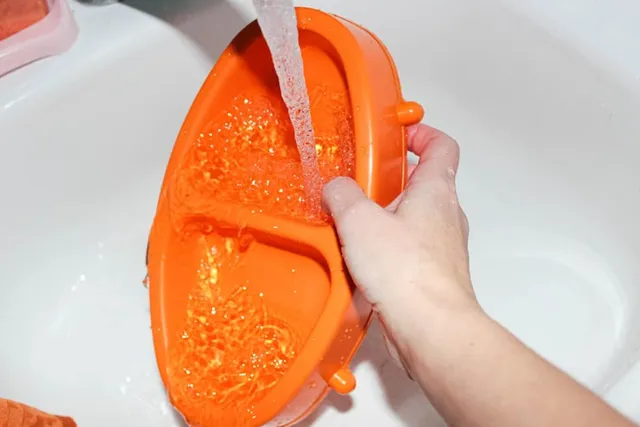
Finally, use a forceful stream of water from the faucet to rinse away the soap and debris. Yes, you can wash your cat's bowl with dish soap, and is important for hygiene because it helps to remove food residue and bacteria from dishes. If there is any residue left behind, it will only attract more dirt and grime. If dishes are not rinsed off properly with dish soap, the food residue and bacteria can be transferred to other dishes or kitchen surfaces. It’s best to wash the cat’s bowls in a different sink than your kitchen one, if possible, such as the one in the bathroom or utility room, using a brush or sponge solely for this purpose.
6. Clean the Food Mat

Now is the time to clean up your cat’s food mat, also. If you don’t have a food mat—rush out and buy one! They keep the floor around the food bowl clean by catching all the messes and waste. The best way to begin cleaning your cat's food mat clean is to sweep it off with a broom. Then, soak it in a tub of soapy water. The food mat should also be cleaned daily to remove any traces of food.
This will minimize the number of bacteria that can grow on the surface of the mat and also keep your cat's feeding area clean. If you don't clean the food mat, it can become a separate breeding ground for bacteria.
7. Allow the Bowl & Mat to Dry

The next step is to allow the food bowl to air dry after wiping it down. This will help to prevent any nasties from growing in the bowl. Bacteria, fungus, and mold can cause your cat to become sick, so it is important to take these precautions. Be sure to also allow the mat to dry completely before putting it back under the food bowl.
8. Wash Your Hands

Even though you’ve been wearing rubber gloves, it’s always a good idea to wash your hands thoroughly when you complete a task like this. Food-borne illnesses can be serious, and it’s better to be safe than sorry. Additionally, unless you regularly launder your rubber gloves, they, too, can harbor germs.
Frequently Asked Questions
Attracting Pests
Uncleaned cat food bowls can also attract pests, such as ants, rodents, and cockroaches. These pests can contaminate the food in the bowl, as well as spread disease to your cat and through the rest of your house. It is vitally important to clean the bowl regularly to avoid these problems.
Why Is Plastic the Worst Material for Cat Food Bowls?
There are a few reasons why plastic is bad for cat food bowls. For one, kittens that like to chew can easily chew through plastic, leading to potential health problems if they eat any of the plastic shards. In addition, the chemicals used in the manufacturing of plastic can leach into the food, contaminating it and potentially making your cat sick. Scratched plastic allows for easier adhesion of bacteria and formation of biofilm which can be difficult to clean, and may lead to your kitty getting sick. Finally, when a plastic bowl is heated (like when left in the sun), it can release harmful toxins into the surrounding environment and your cat’s food.
How About Stainless Steel and Ceramic?
There are a few reasons why stainless steel is often the material of choice for cat food bowls. First, stainless steel is durable and won't easily chip or break. Second, it's easy to clean and won't harbor as much bacteria, but not all pets like the sound it makes if not fixed in place as they eat or drink from it. However, bowls made of a lesser grade of stainless steel may contain harmful contaminants in the steel, such as radioactive material. This is why you should look for products labeled as grade 304 or 18/8.
Ceramic bowls may contain some of the most pathogenic strains of bacteria, including E.coli, Salmonella, and methicillin-resistant Staphylococcus aureus (MRSA). Cadmium and lead are often found in the glaze, which can leach into the food or water if the bowls have been poorly made, and any cracked or chipped bowl should not be used.

- NO MESS - The 360° tray on this cat food and water bowl set has a raised design to catch and contain stray crumbs and drips. Protect your indoors and floors from wet and messy meals!
- WHISKER FRIENDLY - Shallow and wide metal containers with flat bottoms ensure your kitty can enjoy mealtime free from whisker fatigue!
- CHEW-SAFE MATERIALS - Kittens and cats love chewing on silicone and soft rubber - but it's a choking hazard. Our cat feeding station materials are anti-chew for a 100% safe feeding frenzy!
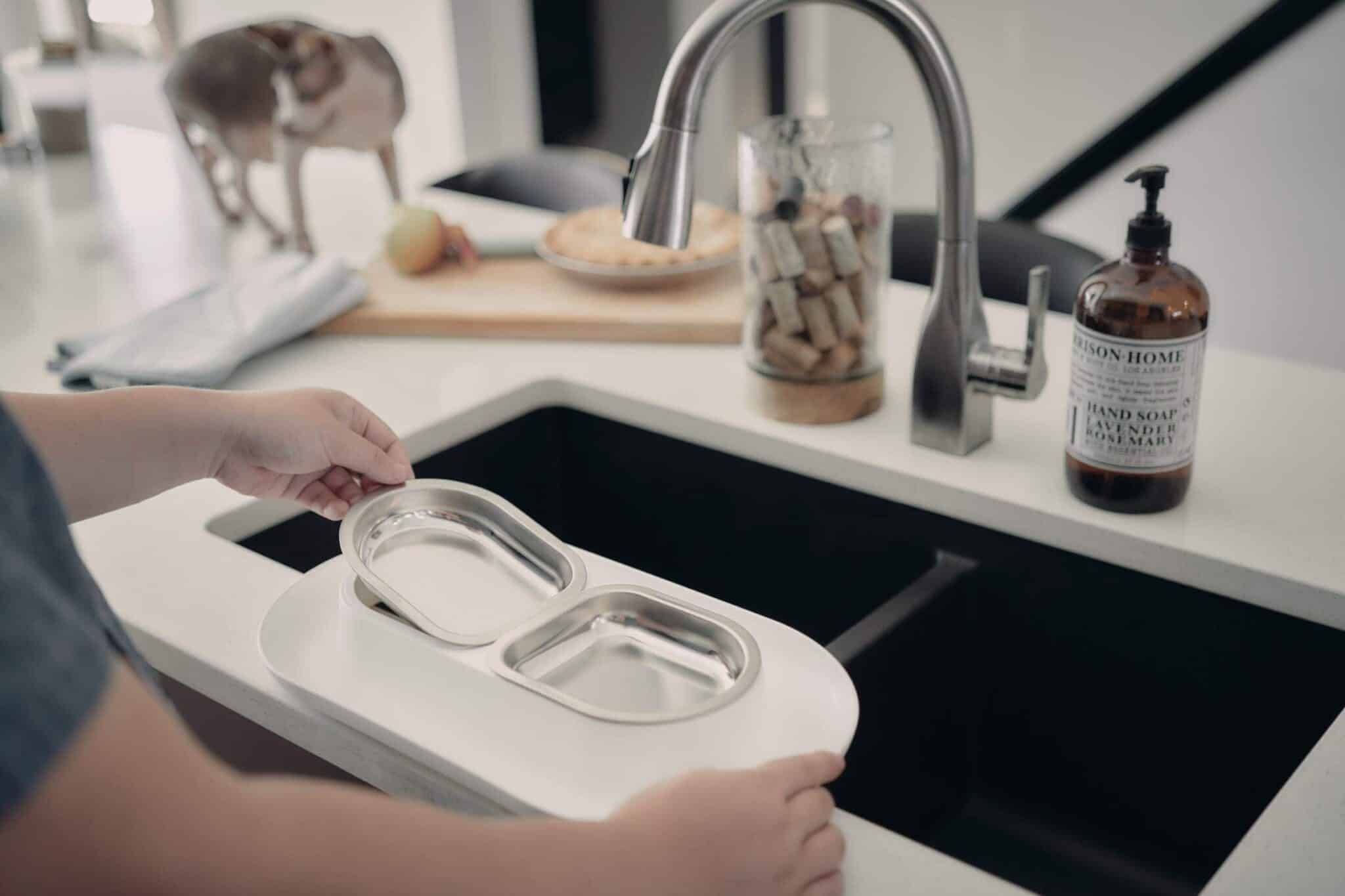
Choosing the right food and water bowls for our feline companions can pose certain challenges for pet owners. The Hepper NomNom Cat Bowl provides a chic and innovative solution that supports cat specific needs, such as shallow bowls and a subtle elevation that fosters whisker relief, posture comfort, and improves digestion. It features an elegant contemporary design with a wide wrap-around tray aimed at minimizing any messes from ending up on your floor! Furthermore, this bowl is entirely dishwasher safe, so pet owners are able to spend more time with their cats instead of cleaning up after them. Discover why the Hepper NomNom Cat Bowl is right for both you and your kitty by clicking here.
At Catster, we’ve admired Hepper for many years and decided to take a controlling ownership interest so that we could benefit from the outstanding designs of this cool cat company!
What Is Lurking in Uncleaned Cat Food Bowls?
Hidden in uncleaned cat food bowls are bacterial colonies that can cause food poisoning in cats and humans. The bacteria can survive for long periods on the surface of the bowl and its surroundings, so it is important to clean the bowl and surrounding area regularly. Bacteria such as E. coli and Salmonella can contaminate the food and cause gastrointestinal problems in cats and humans.
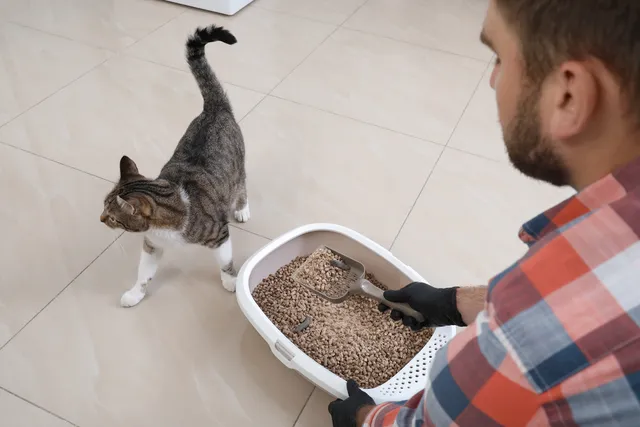
There is a risk of parasites, like roundworms and sometimes even Toxoplasma, if the cat’s food bowls and mats get contaminated with feline feces and are not cleaned properly, as cats may bring some litter and poo on their paws to their feeding area. Uneaten food and water left in the bowl can create a perfect environment for bacterial and fungal microorganisms to grow and thrive. In addition to being a health hazard for your pet, these organisms can also be dangerous for humans.

- ADVANCED ENZYMATIC CLEANER - Penetrates the most stubborn smells and stains at the deepest molecular levels to dissolve any pet mess you encounter and lift it away at the source.
- FOR ANY MESS, ON ANY SURFACE - This pet odor eliminator cleans your carpets, floors, furniture, fabrics, and more. Whether it's urine, feces, vomit, or drool, you can erase all foul spots and smells!
- FRESH, NATURAL ODOR - Our unique formulation doesn't rely on dangerous or unpleasant chemical fragrances to get the job done. We eradicate smells and stains, not just cover them up.
At Catster, we’ve admired Hepper for many years and decided to take a controlling ownership interest so that we could benefit from the outstanding products of this cool cat company!

Conclusion
In conclusion, knowing how to clean a cat bowl is a simple process that only requires a few minutes of your time. By following these simple steps, you can keep your cat's food clean, fresh, and free of bacteria. Remember to always wash your hands after cleaning the bowl and mat to avoid getting sick. This small daily task will do wonders for your cat’s health and the hygiene of your whole household. Happy cleaning!
Sources
Featured Image Credit: Hepper
Expert cat care, straight to your inbox
News, insights, and useful advice, delivered to you.

No spam — unsubscribe anytime.
By signing up, you agree to our Terms & Conditions and Privacy & Cookies Policy.
How useful was this post?
Click a star to rate. You can leave written feedback afterwards. (We read all feedback.)
Christian started writing for a local newspaper as a teenager, and he's been involved in the publishing industry for most of his adult life. Combining his love of writing with a passion for animals, he is currently the Director of Editorial at Pangolia and the Editor-in-Chief at Catster.
Christian lives in the Philippines with his wife, son, and four rescue cats: Trixie, Chloe, Sparky, and Chopper.