How Often Should You Wash a Cat's Food & Water Bowls? Vet-Approved Advice


In this article
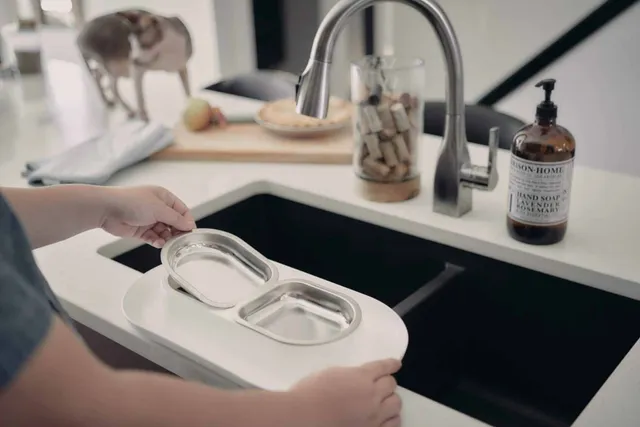
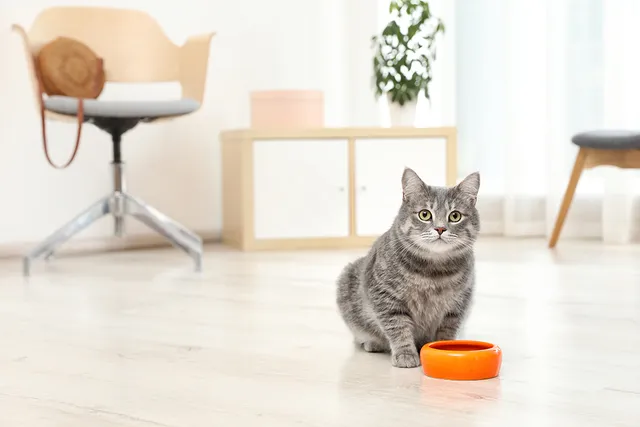
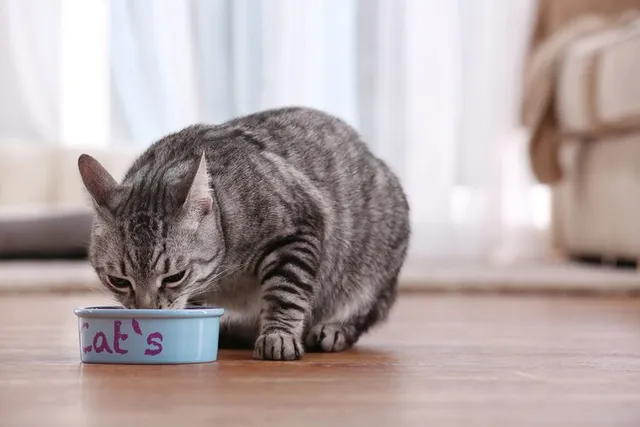
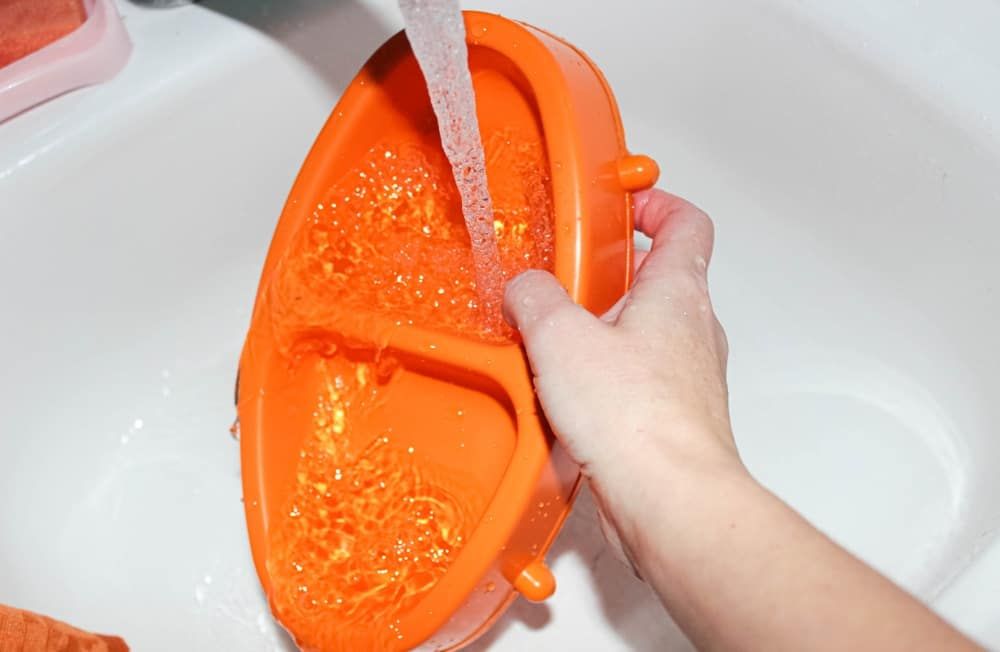
Keeping your cat's food and water bowls as clean as possible is important. Cleaning them regularly can reduce the risk of dangerous bacterial contamination, which can lead to health issues for your pet. But how often should you be washing their dishes? As a general rule, we recommend washing your cat's food bowls after every meal. Water bowls should be washed at least once a day. Read on to learn more.

How Often Should You Wash Your Cat's Food and Water Bowls?
The frequency at which you wash your cat's bowls depends on several factors, including the material of the bowls, the frequency of use, and the typical cleanliness of the bowls. Usually, the more frequent, the better. After every use is ideal, but daily is the recommended minimum.
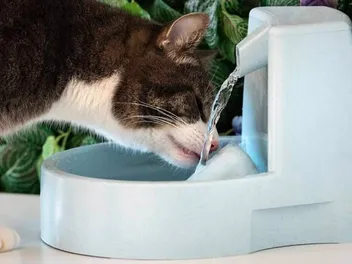
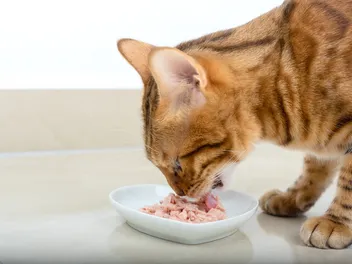
If your cat is one of the millions of picky eaters and doesn't finish their food in one sitting, removing leftover food and washing the bowl before refilling it is essential. Wet food, in particular, can spoil quickly, so it's important to keep the bowl clean to prevent bacterial growth. Similarly, water should be changed daily, and the bowl should be washed at least once a day to prevent the growth of harmful bacteria.
It's a good idea to have several spare bowls for your cat so you can easily grab a clean bowl if you're too busy or unwell to keep up with daily cleanings. Even if the bowls appear clean, harmful bacteria can still thrive in microscopic crevices and cracks in the material. Therefore, daily washing is the best way to ensure your cat's bowls are free from harmful bacteria.
How to Disinfect Your Newly Clean Cat Dishes
Once you've washed your cat's bowls, it's important to disinfect them. This can be done by soaking them in a weak bleach and water solution. A good dilution for such purposes is 1:32, or a 3% dilution. Ensure you soak the dishes in the disinfectant for at least 5 minutes before thoroughly rinsing them and letting them completely dry overnight before using them. Alternatively, you may place your cat's bowls in a UV sterilizer, such as those used for disinfecting baby bottles.
Both of these methods will kill harmful pathogens that may still be present in the dishes. This thorough disinfection should ideally be done once a week. A more frequent disinfection protocol should be adopted if your cat has an infectious disease (especially one that can spread to you, such as ringworm).


What to Look for in a Good Cat Bowl
When choosing a cat bowl, there are several factors to consider, including the material, size, durability, and ease of cleaning.
Material
Cat bowls come in various materials, including plastic, ceramic, stainless steel, and glass. Each material has its pros and cons. Plastic bowls are lightweight and inexpensive, but they can harbor bacteria and scratch easily, providing a breeding ground for harmful bacteria. Ceramic bowls can be fragile and chip easily, but they are non-porous and easy to clean.
Stainless steel bowls are sturdy and non-corrosive, making them a good choice for cats that scratch or chew their bowls. Glass is another option, as it is non-porous and easy to clean, but it's heavier and more fragile than other materials.
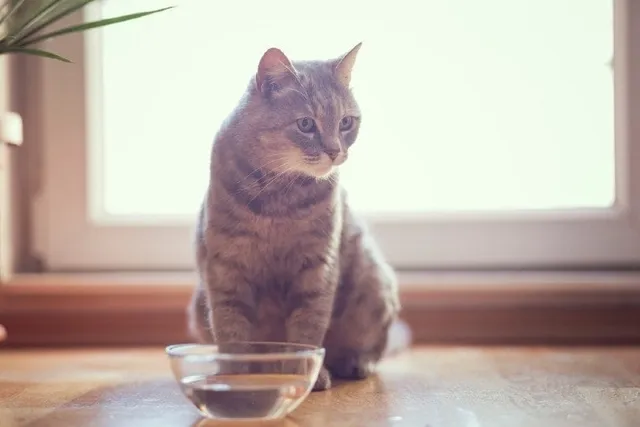
Because shattered glass is quite dangerous for pets and humans, glass bowls aren't recommended and should only be used temporarily (with appropriate caution).

- NO MESS - The 360° tray on this cat food and water bowl set has a raised design to catch and contain stray crumbs and drips. Protect your indoors and floors from wet and messy meals!
- WHISKER FRIENDLY - Shallow and wide metal containers with flat bottoms ensure your kitty can enjoy mealtime free from whisker fatigue!
- CHEW-SAFE MATERIALS - Kittens and cats love chewing on silicone and soft rubber - but it's a choking hazard. Our cat feeding station materials are anti-chew for a 100% safe feeding frenzy!
Choosing the right food and water bowls for our feline companions can pose certain challenges for pet owners. The Hepper NomNom Cat Bowl provides a chic and innovative solution that supports cat specific needs, such as shallow bowls and a subtle elevation that fosters whisker relief, posture comfort, and improves digestion. It features an elegant contemporary design with a wide wrap-around tray aimed at minimizing any messes from ending up on your floor! Furthermore, this bowl is entirely dishwasher safe, so pet owners are able to spend more time with their cats instead of cleaning up after them. Discover why the Hepper NomNom Cat Bowl is right for both you and your kitty by clicking here.
At Catster, we’ve admired Hepper for many years and decided to take a controlling ownership interest so that we could benefit from the outstanding designs of this cool cat company!
Size
The size of the food bowl is also important. It should be large enough to hold an adequate amount of food or water but not so big that it's difficult for your cat to reach. A good practice to follow is to choose a bowl one and a half times the size of your cat's food or water portion.
Durability
Cats can be rough on their bowls, so it's essential to choose one that is durable and can withstand scratching and chewing. Stainless steel and ceramic bowls are typically the most durable options. Plastic and silicon dishes are also durable if made with high-quality materials. Avoid flimsy bowls that crack or chip easily. If you have a dishwasher, ensure the bowls you buy are dishwasher-safe.
Ease of Cleaning
The bowl you choose should be easy to clean, with no tiny crevices or cracks that can trap food particles or bacteria. Stainless steel and ceramic bowls are generally the easiest to clean.

FAQ About Washing Your Cat's Food and Water Bowls
Do I Need to Use Soap When Washing My Cat's Bowls?
It is best to use a mild dishwashing detergent to clean your cat's bowls before wiping them down and leaving them to dry.
Is It Okay to Put My Cat's Bowls in the Dishwasher?
Yes, you can put your cat's bowls in the dishwasher. However, this should be done on a gentle cycle and with only mild detergent. You should also ensure that any plastic components are labeled as “dishwasher safe” before putting them in the dishwasher.
What Type of Material Is Best for Cat Bowls?
Stainless steel or ceramics are generally the best materials for cat bowls. They are non-porous, durable, easy to clean, and don't harbor bacteria. Plastic bowls are lightweight and inexpensive but should probably be avoided as they can easily scratch and provide a breeding ground for bacteria.
What Happens if I Don't Clean My Cat's Bowls Regularly?
Not cleaning your cat's bowls can lead to the overgrowth of harmful pathogens, which can make your cat sick. To keep your cat healthy and safe, it is crucial to wash their bowls regularly and change their water daily.
Why Is My Cat's Water Bowl Slimy?
If your cat's water bowl has a slimy buildup, it is likely due to bacteria or other contaminants. It is vital to regularly wash and change your cat's bowl to prevent the growth of harmful bacteria or other pathogens.

What Type of Soap or Cleaner Should I Use on My Cat's Bowls?
When cleaning your cat's bowls, use a mild dish soap or a pet-safe cleaner. Be sure to rinse thoroughly after using cleaners and avoid harsh chemicals that could be toxic to your cat.
Can I Put My Cat's Bowl in the Microwave?
Though some cat bowls are microwave-safe, you shouldn't place them in the microwave. A hot bowl of food from the microwave might burn your cat and scald their skin, lips, or tongue.
How Can I Prevent My Cat's Bowl From Tipping Over?
The best way to keep your cat's bowl from tipping over is to use a rubber-backed mat under the bowl. This will keep the bowl stable and reduce the risk of spilling. You can also use a heavier bowl or one with a wide, stable base.
Are There Any Special Considerations I Should Keep in Mind When Washing My Cat's Bowls?
Yes, pay attention to the type of material your cat's bowls are made from, and use only mild detergents that are safe for cats. You should also avoid boiling plastic bowls and make sure to rinse them thoroughly after washing since soap residue can be harmful to cats.
Should You Use Separate Bowls for Wet Food and Dry Food?
It is best to use separate bowls for wet and dry food. It will reduce the risk of cross-contamination and keep your cat healthy. It can also help you monitor how much your cat is eating if you have designated bowls for each type of food.

Conclusion
To keep your cat healthy and happy, it's vital to keep their food and water bowls clean. Wash the bowls daily, choose high-quality, durable, easy-to-clean bowls, and frequently disinfect them to ensure longevity. The correct bowls and, more importantly, their cleanliness and maintenance will go a long way to ensure a healthy life for your cat.
Sources
Featured Image Credit: MargaPI, Shutterstock
Expert cat care, straight to your inbox
News, insights, and useful advice, delivered to you.

No spam — unsubscribe anytime.
By signing up, you agree to our Terms & Conditions and Privacy & Cookies Policy.
How useful was this post?
Click a star to rate. You can leave written feedback afterwards. (We read all feedback.)
Christian started writing for a local newspaper as a teenager, and he's been involved in the publishing industry for most of his adult life. Combining his love of writing with a passion for animals, he is currently the Director of Editorial at Pangolia and the Editor-in-Chief at Catster.
Christian lives in the Philippines with his wife, son, and four rescue cats: Trixie, Chloe, Sparky, and Chopper.