How to Care for a Cat with FIV: 8 Vet-Verified Tips for Better Feline Care


In this article
Disclaimer:
Although an incurable disease, feline immunodeficiency virus (FIV) doesn’t automatically mean a cat is doomed to a short life. This common infectious disease impacts a cat’s immune system, making them more vulnerable to illness and infection.
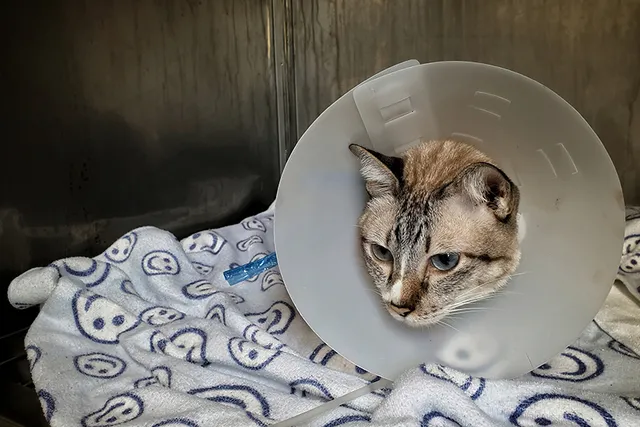
However, cats with FIV can still live happily for many years with the right care, but life with one of these kitties presents some challenges. Here are eight tips to help you care for a cat with FIV, including whether supplements are helpful for cats with this disease.

How to Care for a Cat with FIV
1. Keep Your Cat Inside

If your cat is diagnosed with FIV, one of the easiest steps you can take to keep them healthy is to house them indoors. Outdoor cats are exposed to more diseases and parasites than indoor cats, which is risky for FIV+ cats with weak immune systems.
In addition, allowing an infected cat outside puts other kitties at risk. The disease is spread primarily through bite wounds, and if an FIV+ cat fights other kitties outside, they’ll likely pass the infection on to them.
2. Spay or Neuter Your Cat
If your FIV+ cat isn’t spayed or neutered, talk to a vet about having the procedure performed. Intact cats, especially unneutered males, are much more likely to fight each other. Because of their weak immune systems, wounds take longer to heal for FIV+ cats, and they won’t be able to fight off infection as easily.
Unspayed female cats are at risk of developing an infection in their uterus called a pyometra. This medical condition is dangerous for healthy cats and can be devastating for FIV+ kitties.
3. Lower the Stress Levels

Cats with FIV do best in a low-stress environment. Stress can cause medical and behavioral issues in cats. Cats with FIV may prefer to be only pets unless they’re already accustomed to living with other housemates.
Ensure they have plenty of litter boxes, beds, toys, food bowls, and other resources so they don’t feel the need to compete, especially if there are other cats at home. Limit household changes as much as possible and monitor your cat for signs of stress, such as inappropriate urination, hiding, or overgrooming.
Those caring for anxious cats understand the struggles and discomfort that their companions feel on a daily basis. The innovative bowl shape of the Hepper Nest Bed provides nervous pets with support and its high sides offer a sense of security, diminishing stress and worry. To learn about how to the Hepper Nest can provide solace to your cat, click here.

- COMFY KITTY - Your cat or kitten will have an amazingly deep sleep in this self warming, nesting cat bed. The warm, fluffy cat bed lining provides calming stress relief for cats of all ages.
- PRETTY HOME - This round cat bed has a modern and unique design that’s perfect for a sleek indoor look. We don’t think of it as cat furniture but think of the Cat Nest as a “cat home”.
- SPACE SAVER - Reclaim your desk, window sill, or couch from kitten encroachment. This calming nest cat bed has an elevated, space-saving hideout so comfortable your kitty can't resist!
At Catster, we’ve admired Hepper for many years and decided to take a controlling ownership interest so that we could benefit from the outstanding designs of this cool cat company!
4. Choose the Right Diet
Cats with FIV should be fed a high-quality, nutritionally balanced diet. The best options are commercial feline diets, which are required to contain all the essential nutrients. While you might think home-cooked diets are healthier, they frequently lack the key vitamins, minerals, and amino acids.
Most importantly, FIV+ cats should never eat raw diets or uncooked food. Because of their weak immune systems, cats with FIV are especially vulnerable to dangerous foodborne bacteria, such as Salmonella, which are frequently present in raw foods.
Commercial cat foods should contain all the nutrition your cat needs. Talk to a veterinarian first if you want to offer your FIV+ cat supplements to boost their immune health.
5. Dental Care

The accumulation of plaque on the teeth can lead to periodontal disease, gingivitis, and infections, all of which can cause major problems in FIV+ cats. Having a good dental care routine will help prevent any issues. Teeth brushing is the best method of dental care, but it might take some getting used to. Start with just examining the mouth and putting your fingers in your cat’s mouth. Reward them with treats if they let you do this. When they are accepting of this you can then add a finger toothbrush to brush their teeth. Dental treats, water additives, and dental diets can also help; talk to a vet about which products would be best for your cat.
6. Don’t Neglect the Preventatives
Cats with FIV should receive regular monthly parasite prevention, even if they live indoors. Fleas can find their way inside by way of other pets or even on humans' shoes or clothes. They can carry diseases and intestinal parasites that can put FIV+ cats at risk.
Look for a preventative medication that also protects your cat from ear mites, intestinal worms, and heartworms. Your vet can help you pick the right option for your cat. Oral or topical products are more effective than collars or shampoos.
7. Visit the Vet Regularly

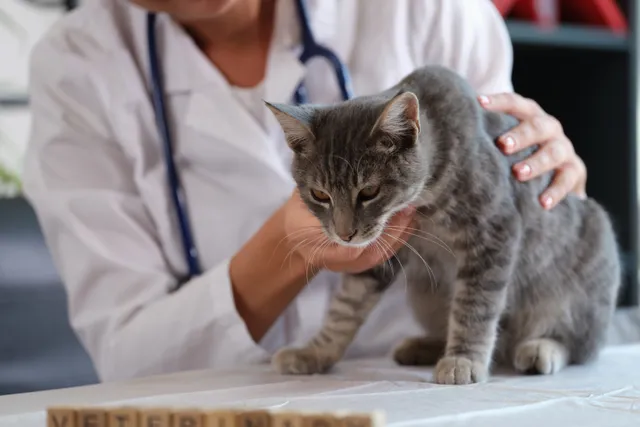
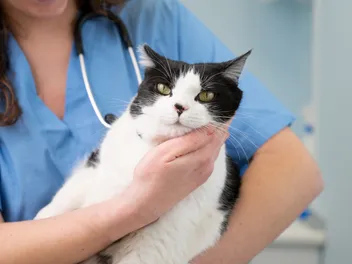
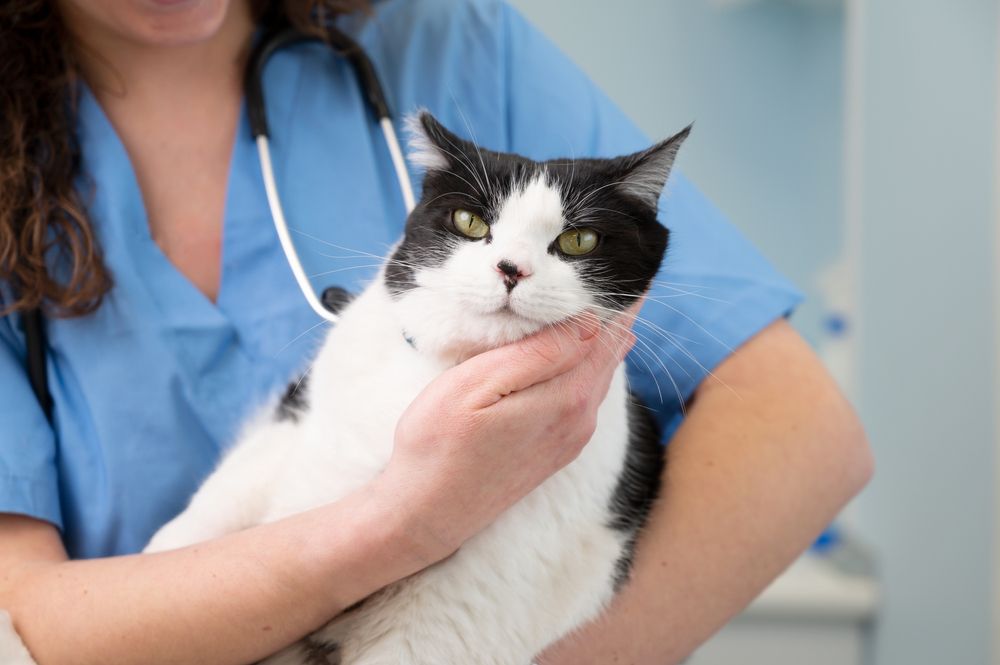
All cats should visit the vet at least once a year for a checkup, but FIV+ cats need more frequent exams because of their compromised health. Ideally, FIV+ cats should see a vet every 6 months for a physical.
During these visits, they may also need blood screening tests to monitor their overall health and catch any issues early. A vet is your best partner in keeping your FIV+ cat healthy.
They can provide advice on how to protect your cat, strengthen their immune health, and keep them happy as long as possible. If your cat starts suffering from a more severe illness due to their FIV+ status, a vet can help you treat them.
8. Be Vigilant
Living with an FIV+ cat means never taking their health for granted. Medical issues that a healthy cat would easily resolve just aren’t that simple for these kitties. Because of that, you’ll always have to be alert to any small changes in your cat’s behavior or health. In addition, be aware of the spread of infectious diseases. If you encounter a sick cat, wash your hands and change clothes to avoid spreading disease within your home. Don’t bring any strange animals that could be carrying disease in.
Minor injuries or infections can take longer to heal, so you must keep a close eye on your kitty. Your cat might need extra medications, supplements, or anti-viral medications to manage their health. If you’re ever concerned about your cat, it’s best to have them checked out by a vet.
Preventing FIV Infections
As we mentioned, FIV can’t be cured, and infected cats are vulnerable to multiple health issues due to their compromised immune system. The best way to keep your cat safe from FIV infection is to keep them inside.
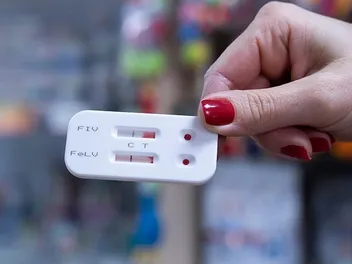
If your cat spends time outside, talk to a vet about whether to vaccinate your cat against FIV. The vet may also suggest regularly testing your cat for FIV and feline leukemia virus (FeLV).
If you adopt a new cat, ensure they’re tested and negative for FIV and FeLV before allowing them to interact with your other cats. Quarantine new cats for at least 2 weeks before introducing them to the other pets.
Accidents and escapes happen, unfortunately, despite your best efforts. If your cat is exposed to FIV during an escape, talk to a vet about what to do.
Conclusion
Previously, cats who tested positive for FIV struggled to live a happy life. Current knowledge tells us that many FIV+ cats can live a normal lifespan if they don’t also have FeLV. If you want to provide an FIV+ cat with a loving home, look for special needs rescue groups in your area. The tips in this article can help ensure your FIV+ kitty stays as healthy as possible.
Featured Image Credit: David Herraez Calzada, Shutterstock
Expert cat care, straight to your inbox
News, insights, and useful advice, delivered to you.

No spam — unsubscribe anytime.
By signing up, you agree to our Terms & Conditions and Privacy & Cookies Policy.
How useful was this post?
Click a star to rate. You can leave written feedback afterwards. (We read all feedback.)
Elizabeth Gray is a lifelong lover of all creatures great and small. She got her first cat at 5 years old and at 14, she started working for her local veterinarian. Elizabeth spent more than 20 years working as a veterinary nurse before stepping away to become a stay-at-home mom to her daughter. Now, she is excited to share her hard-earned knowledge (literally--she has scars) with our readers. Elizabeth lives in Iowa with her family, including her two fur kids, Linnard, a husky mix and Algernon, the worldʻs most patient cat. When not writing, she enjoys reading, watching all sports, and spending time outdoors with her family.