Catster is reader-supported. When you buy via links on our site, we may earn an affiliate commission at no cost to you. Learn more.

Cat Health & Care

The Importance of Regular Cat Checkups: 4 Vet Reviewed Benefits

By Codee Chessher · Reviewed & fact-checked by Dr. Karyn KanowskiVet Approved
Dr. Karyn Kanowski
Reviewed & Fact-Checked byDr. Karyn KanowskiBVSc MRCVS (Veterinarian)
Dr. Karyn comes from Queensland, Australia, and has lived in the UK for the past 10 years. In 2010, she graduated from The University of Queensland School of Veterinary Science and also has a Bachelor’s degree in Zoology. She is passionate about using evidence, experience, and owner collaboration to provide the best solutions for pets, and believes in making reliable information about animal health accessible to all. Dr. Karyn shares her home with five cats, four dogs, and one husband. When she is not in the scrubs, she spends her time writing, gardening, and cleaning up pet hair!View authorThe information is current and up-to-date in accordance with the latest veterinarian research. Read about our vets
Share
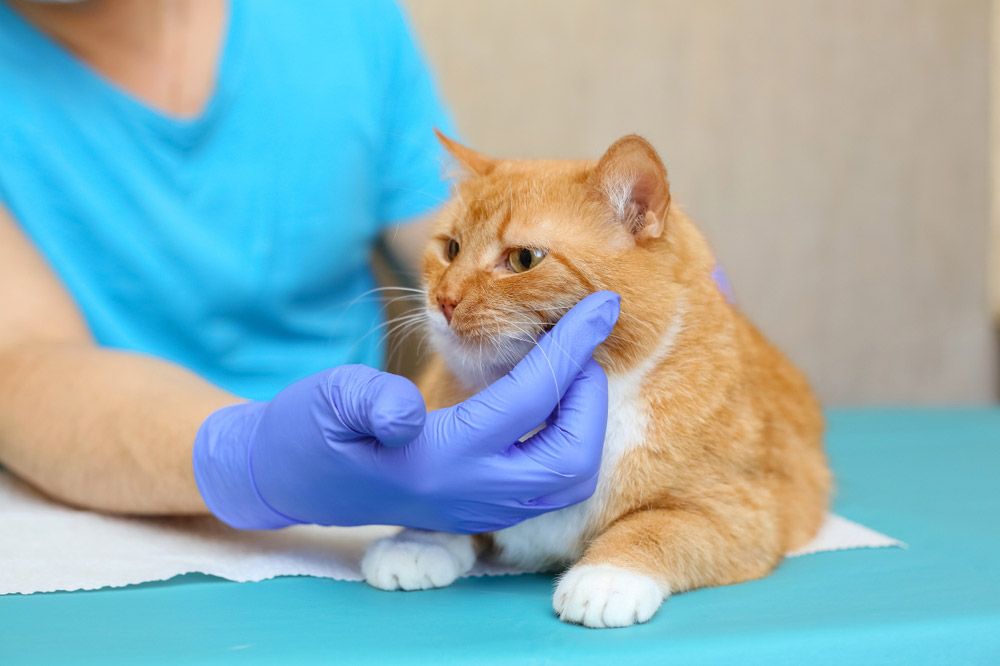
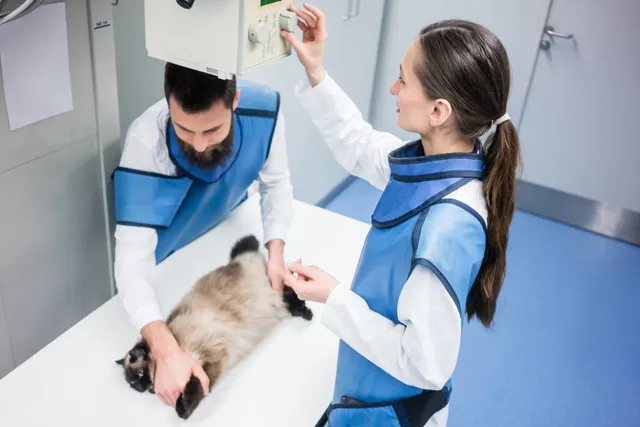
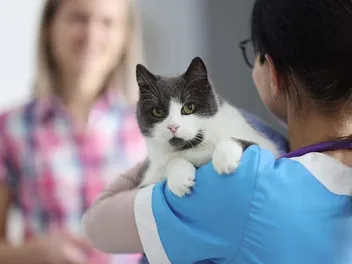
vet checking up the cat

Cats are biologically very different from humans, but what they have in common is a need for regular wellness checks. Even healthy cats should be examined at least once a year by a qualified veterinarian to ensure they are fit and healthy, and check for any signs of illness that aren’t easily seen. Let’s check out the benefits of regular cat checkups at the vet.

divider cats oct 2024

Top 4 Benefits of Regular Cat Checkups

1. Keeping Up With Their Different Life Stages

If you compare the average human life expectancy to that of our cats, we can see how our life stages line up:

HumanFeline
Life expectancy76.4 years14 years
Geriatric> 60 years> 9 years
Middle age36-60 years2 -8 years
Young adult19-35 years10-24 months
Teenager13-18 years4-9 months
Child0-12 years0-3 months

By the time they’re 9 months old, our cats are the equivalent of an 18 year old human! So you can see why it’s important to have kittens checked regularly during those early months. As they get older, having a yearly check up is the equivalent to us visiting our doctor once every 7-8 years, which is why vets recommend that older cats be seen twice a year; the equivalent of older people having a check up every 3-4 years.

These health checks make sure that you and your vet are making sure that your cat is reaching appropriate milestones, eating the right foods, and staying healthy.

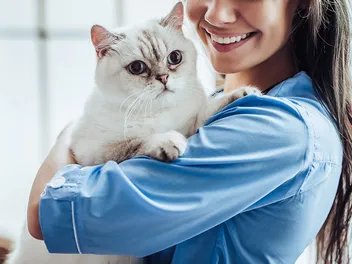
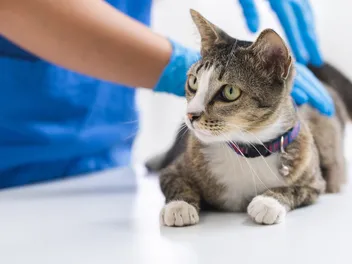
veterinarian examining a bengal cat at the clinic
Image By: Pressmaster, Shutterstock

2. Early Detection of Illness

Cats are very good at hiding when they’re sick, which can give us owners a run for our money as far as spotting signs of illness. It’s not unusual for a feline patient to be masking an illness long before they feel unwell enough for us to see the signs. Having regular wellness checks can result in early detection of disease, allowing us to be more proactive about treating it.

Here are some common problems picked up during a vet exam that might not be noticed at home:

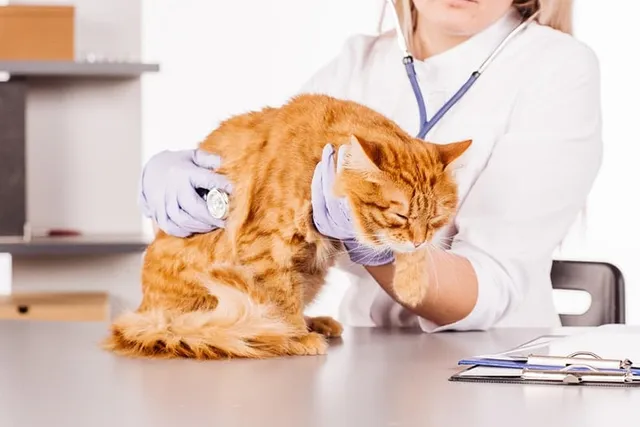
  • Heart disease - a heart murmur or arrhythmia may be the sign of primary heart disease, or a range of other conditions, and can only be detected with a stethoscope.
  • Weight changes - we often don’t notice that our cat has lost or gained a lot of weight if it has happened over a period of time, so it is helpful to have regular weight and body condition checks in order to monitor changes over time.
  • Tumors - one of the things your vet is feeling for when they are squishing your cat’s belly is masses or tumors. If detected early enough, some tumors can be removed before they can cause more damage.
  • Kidneys - the size, shape, and feel of your cat’s kidneys can tell us a lot, even before a blood test might. Cat’s kidneys are usually quite easy for your vet to feel during a health check.
  • Pain - cats are masters at hiding pain, and it’s not until your vet checks certain areas that we might find that they are starting to get arthritis. When it comes to arthritis, early treatment gives the best long term results.
  • Dental disease - we might get a quick peek at our cat’s teeth when they yawn, but it’s not always easy to have a thorough look at home. Your vet can examine their teeth and gums, looking for early signs of dental problems.

3. Assessing Behavioral Issues

Things that might seem minor at home, can actually be an indicator of a significant problem, so never leave out any details about any changes you may have noticed.

Here are some examples of behavioral changes, and what they might mean:

  • Purring a lot more but not seeming happy - we all know that cats purr when they are happy and content, but sometimes they purr as a way of making themselves feel better. If you have noticed your cat purring at unusual times, it could be a sign that they are unwell or in pain.
  • Sleeping on cold surfaces - this might just be a way of staying cool in summer, but if they’re doing this in cooler weather too, it can be a sign of a fever. Cats can get high temperatures for a number of reasons, including infection, inflammation and cancer.
  • Excessive grooming - cats love to be clean, but sometimes their grooming regime goes into overdrive. This can be a sign of stress, pain, or skin disease, so be sure to mention it to your vet.
  • Staring into space, seeming confused - our older cats can be affected by dementia-like signs, referred to as Cognitive Dysfunction Syndrome. Although this sort of process is a normal part of aging, there are many things that we can do to help our geriatric felines. Vacant, staring behavior can also be a sign of kidney disease, high blood pressure (hypertension), and eye problems.

These are just a few examples, but it shows you how your cat’s behavior can tell us a lot about their health.

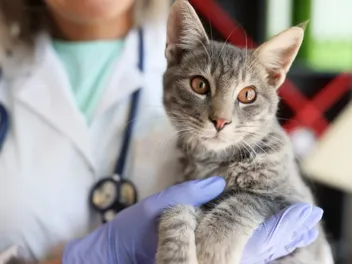
scottish-fold-kitten-in-vet-clinic
Image Credit: Ground Picture, Shutterstock

4. Keeping Up With Preventive Health

Depending on where you live, there may be different viruses and parasites that your kitty could be at risk from. Even cats that stay indoors can be infected with airborne viruses like cat flu, and fleas aren’t exactly deterred by a locked door. Kittens should be inoculated against common feline viruses, including rabies, and these vaccinations need to be boosted after a year. Even if you decide not to continue with yearly vaccinations, you should make it a priority to keep up with yearly checkups in case there are changes in disease prevalence in your area that you need to be aware of.

Flea, tick, heartworm and intestinal worm treatment and prevention is a must for outdoor cats, but is also important for those that stay indoors. Your annual check up is an ideal time to talk to your vet about your concerns and work out a plan that works for you and your cat. Don’t be afraid to talk to your vet if you prefer to use more natural remedies - they can advise you about what is safe, what is dangerous, and what might be most effective.

divider cats oct 2024

How Often Should My Cat Have a Wellness Exam and What’s Involved?

The average adult cat should have a wellness exam every year, while kittens need wellness checks monthly until their growth levels out at maturity. Senior cats at higher risk for developing health problems should be examined more frequently—most experts recommend biannual wellness checks.

For a more precise idea of what a cat wellness exam entails, let’s take a look at what kinds of tests you can expect to see performed at your vet’s office.

Cat’s Wellness Exam Tests Typically Include:

  • Questions about your cat’s behavior and general lifestyle.
  • Questions about changes in your cat’s water and food intake or litter box habits.
  • Checks to ensure your cat is at a healthy weight and size for their age.
  • Updates on recommended vaccinations or medications for your cat.
  • Vital assessments such as taking your cat’s pulse, resting respiratory rate, and temperature.
  • Listening to your cat’s heart and lungs with a stethoscope.
  • Eye exam with an ophthalmoscope.
  • Physical assessment looking for unusual growths, bumps, and lumps that could indicate cancer.
  • Coat and muscle assessment to ensure the muscles and coat are in healthy condition.
  • Skin check to search for ticks, fleas, mites, and other skin-level problems.
  • Eye and ear check to look for excessive discharge, earwax, or other concerning signs.
  • Dental check to make sure your cat’s teeth are healthy and not in need of further dental care.

Depending on how healthy your cat is, that may be all that is involved. However, depending on your cat’s lifestyle, age, and physical condition, your vet may recommend some additional tests.

For example:

  • Elderly cats or those that are drinking more water than usual, or have lost weight, should have a blood test to check their kidney and liver function and screen for diabetes and hyperthyroidism.
  • Cats showing some gastrointestinal issues may need fecal screening to check for internal parasites.
  • If you are traveling with your cat, they may require additional blood tests and vaccinations.

Wellness checks are also the ideal time to ask your vet any questions about anything that’s been worrying you about your cat, whether it’s a change in their behavior or a change in their toileting habits. There are absolutely no silly questions when it comes to your cat’s health, so don’t be afraid to ask any questions if you believe it’s important!

divider cats oct 2024

Wrapping Up

Cats might prefer to hide it, but they get sick too. Our feline friends can’t tell us when they’re feeling under the weather, which is why regular cat checkups are essential for their continued development and health. Prevention is always better than cure, and early intervention leads to much more favorable outcomes. So if you think your healthy kitty doesn’t need a vet check, think again; it might just save their life.

See Also: 

Sources

Featured Image Credit: Eliz A, Shutterstock

The Catster Newsletter

Expert cat care, straight to your inbox

News, insights, and useful advice, delivered to you.

No spam — unsubscribe anytime.

By signing up, you agree to our Terms & Conditions and Privacy & Cookies Policy.

Click a star to rate. You can leave written feedback afterwards. (We read all feedback.)

Codee Chessher
Authored by

Codee Chessher

Leave a Reply

You're very welcome to leave a comment or question. Please know that all comments must meet our community guidelines, and your email address will NOT be published. Let's have a positive and constructive conversation.

How Often Should You Take Your Cat to the Vet? What Vets Recommend

How Often Should You Take Your Cat to the Vet? What Vets Recommend

One of the best ways to love your kitty is to get regular veterinary care. But how often is "regular?" Unfortunately, there's a belief that cats don't need vet…

Emma Stenhouse
By Emma Stenhouse ·
Senior Cat Wellness Checks & Care (Vet Reviewed)

Senior Cat Wellness Checks & Care (Vet Reviewed)

Whether you adopt a kitten, a young cat, or a feline already in their senior years, eventually you’ll need to care for them when they’re older. While those wit…

Adam Mann
By Adam Mann ·
Cat Preventive Care for Good Health & Longevity: 8 Fundamental Pillars

Cat Preventive Care for Good Health & Longevity: 8 Fundamental Pillars

There is an aspect of veterinary medicine that is called preventive care; meaning preventing health problems through proactive measures. Preventative care mean…

Grant Piper
By Grant Piper ·
National Take Your Cat to the Vet Day 2026: When It Is & How to Particiapte

National Take Your Cat to the Vet Day 2026: When It Is & How to Particiapte

National Take Your Cat to the Vet Day occurs on August 22nd. This national day advertises the importance of taking your cat to the vet. Sadly, many cat owners…

Catster Editorial Team
By Catster Editorial Team ·

How Often Should You Take Your Cat to the Vet? Vet-Approved Advice

Vet visits can be extremely stressful for you and your cat, which may lead to you opting to avoid taking your cat to the vet altogether. However, it’s extremel…

Brooke Billingsley
By Brooke Billingsley ·
How Often Should You Take Your Cat to the Vet? Vet-Approved Advice

How to Make a Cat Live Longer: 6 Vet Approved Tips

It's hard to think of a world without your beloved cat, which is why you might be willing to try just about anything to help your cat live longer. Most cats ha…

Keri-Beth Clur
By Keri-Beth Clur ·
How to Make a Cat Live Longer: 6 Vet Approved Tips

10 Ways to Monitor Your Cat’s Health at Home: Vet Verified

Thanks to their instincts for self-preservation, cats are masters at hiding signs of illness or injuries. If you want to catch medical problems early, you must…

Elizabeth Gray
By Elizabeth Gray ·
10 Ways to Monitor Your Cat’s Health at Home: Vet Verified

Cat Life Stages Explained (Plus 12 Vet-Approved Tips To Improve Their Wellbeing)

It’s not uncommon for cats to live well into their 20s, and certainly into their late teens, largely thanks to improved healthcare and nutrition, but also as a…

Nicole Cosgrove
By Nicole Cosgrove ·
Cat Life Stages Explained (Plus 12 Vet-Approved Tips To Improve Their Wellbeing)

12 Vet-Approved Tips That New Cat Parents Should Know About Feline Health

If you've recently adopted a cat, you may wonder how to ensure your new companion stays healthy so you can enjoy years of happiness together. There's plenty of…

Lorre Luther
By Lorre Luther ·
12 Vet-Approved Tips That New Cat Parents Should Know About Feline Health

Kittens First Vet Visit: What to Expect & How to Prepare (Vet-Approved)

The first days and weeks after welcoming a new kitten into your home are usually full of excitement as you become acquainted with your new companion. Getting t…

Lorre Luther
By Lorre Luther ·
Kittens First Vet Visit: What to Expect & How to Prepare (Vet-Approved)

What Normal Aging Looks Like in Cats and When You Should Worry

These days, cats can live anywhere from 13 to 17 years on average, with some making it well into their 20s. That is a long life, with considerable changes affe…

Dan Seymour
By Dan Seymour ·
What Normal Aging Looks Like in Cats and When You Should Worry

Costs of Treating Cat Injuries & Diseases (2026 Price Guide)

If you're considering bringing a fluffy friend into your life, it's essential to be clued up on the potential cost of treatment if they're unlucky enough to ge…

Kit Copson
By Kit Copson ·
Costs of Treating Cat Injuries & Diseases (2026 Price Guide)

Love Cats? So Do We! Join the Catster Community

Stay informed with expert cat care insights delivered straight to your inbox! Discover professional guidance on feline behavior, feeding tips, trusted product picks, and much more.

You may opt-out at any time. View our Privacy Policy for more information.

The Catster site on a phone