What Causes Mouth Ulcers in Cats? Our Vet Explains Signs, Causes & Prevention

In this article
Mouth ulcers in cats are spots in a cat’s mouth that can cause them to drool and not eat and intensify their bad breath. But there’s more to this condition in cats than just those signs. In fact, mouth ulcers in cats can be linked to a few different diseases.
If you’re looking to rid your cat’s life of mouth ulcers or any useful information about them, read on to learn about the potential causes, treatments, and other things to look for.

What Are Mouth Ulcers in Cats?
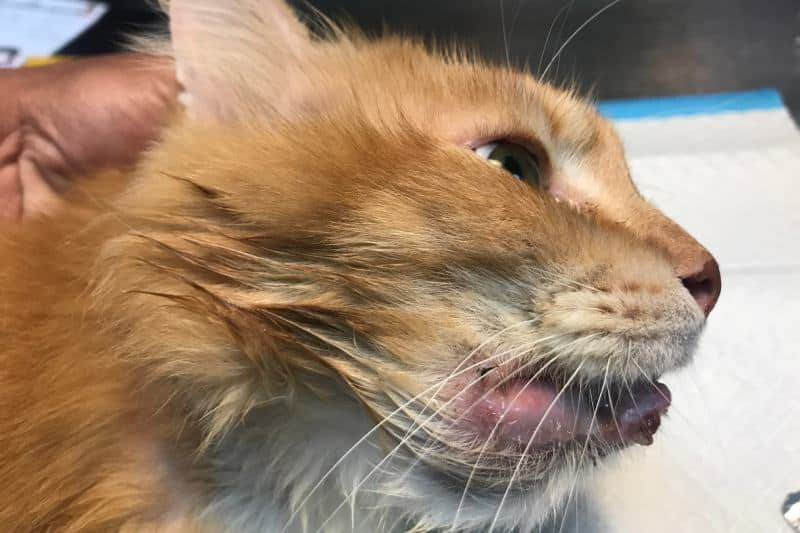
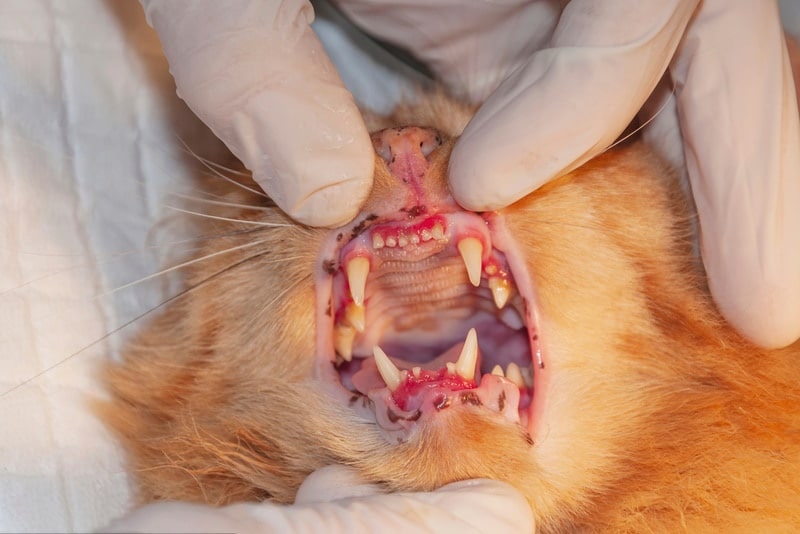
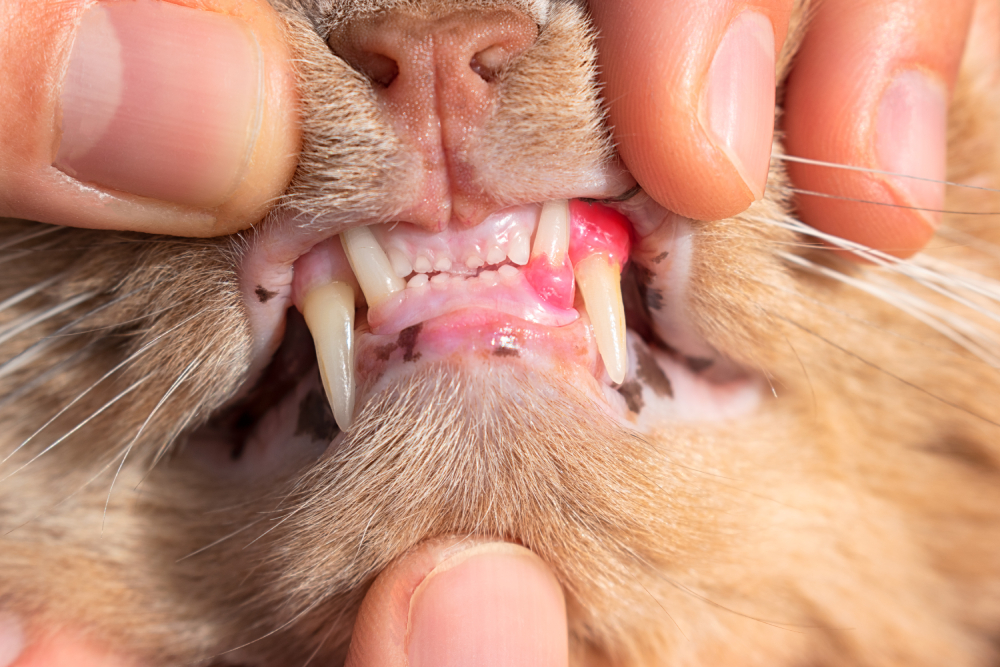
By definition, an ulcer is a break in the skin, so mouth ulcers are breaks in the skin of the mouth, including the lips, gums, tongue, inner cheeks, and even the throat. They’re often inflamed, making them an angry red, and can lead to tissue loss, creating painful “pits” in your cat’s sensitive mouth.
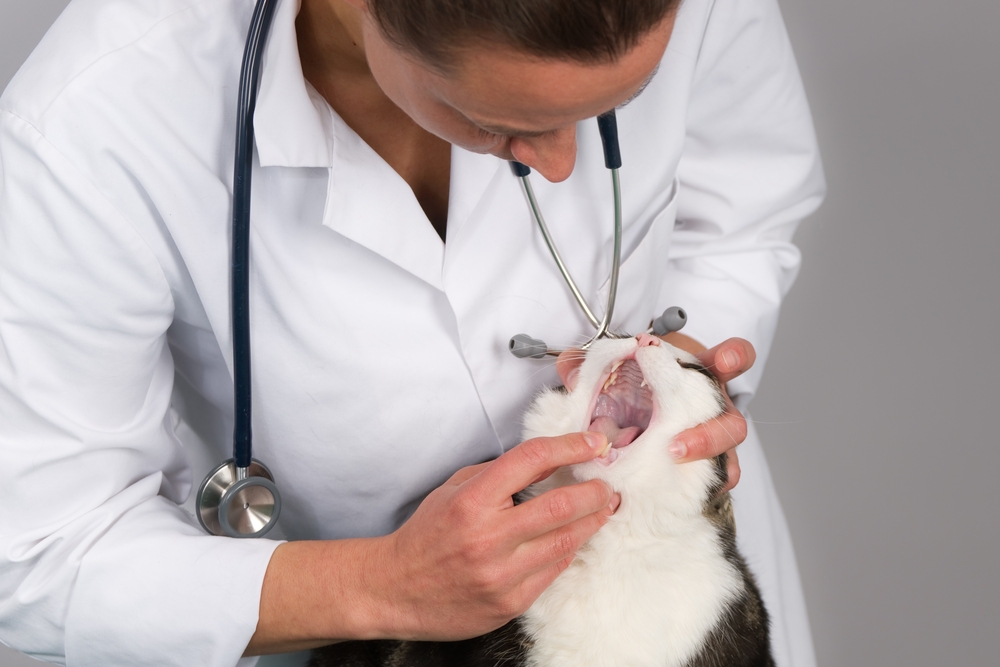
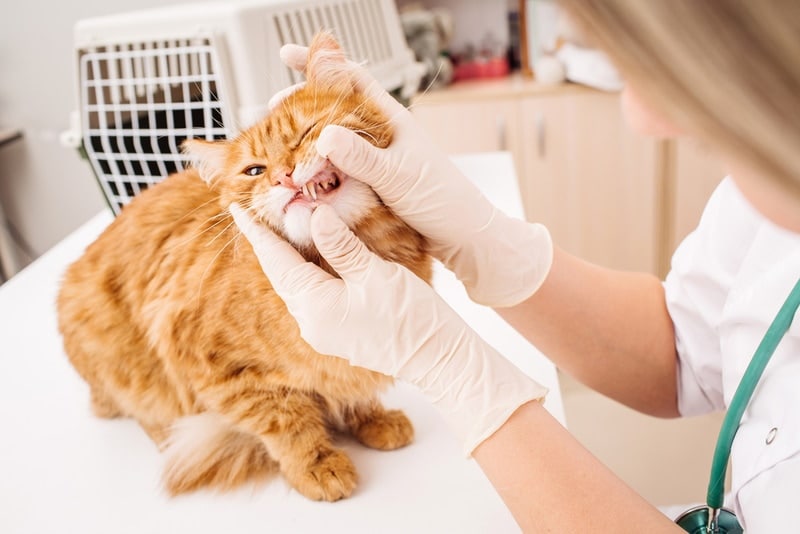
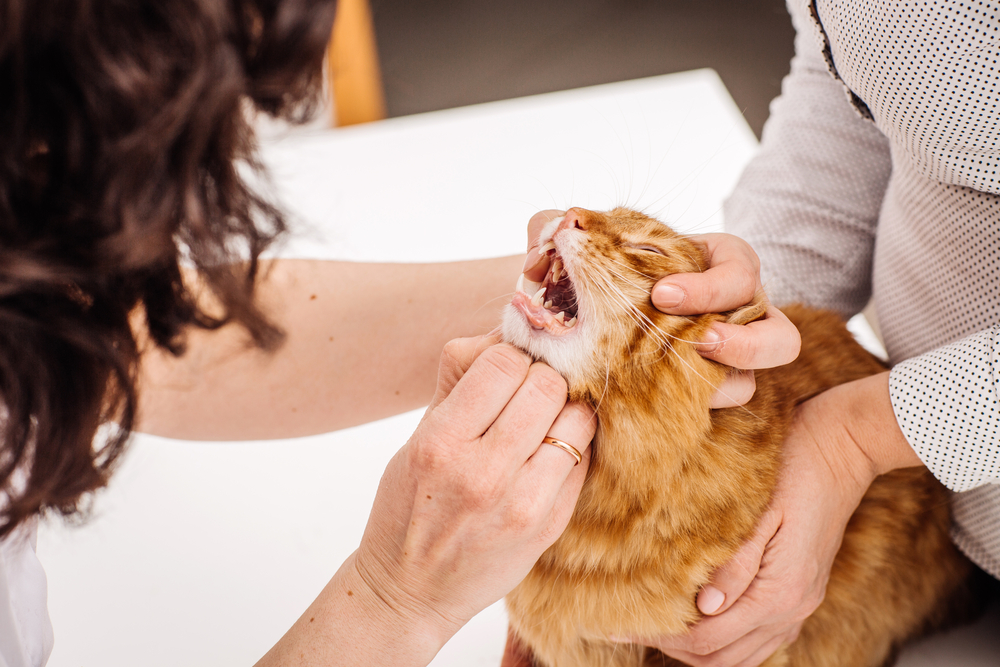
Mouth ulcers have been linked to various viral infections, dental disease, allergies, and unknown causes. It’s clear that these things are painful, though, and can cause your kitty a fair amount of discomfort and distress, meaning you’ll want to get them under control as soon as possible. This isn’t always easy, of course, as most cats won’t willingly open their mouth and say, “Ahh.” Even when your vet does get a good view of the offending oral ulcer, finding the underlying cause may still be challenging.

What Are the Signs of Mouth Ulcers in Cats?
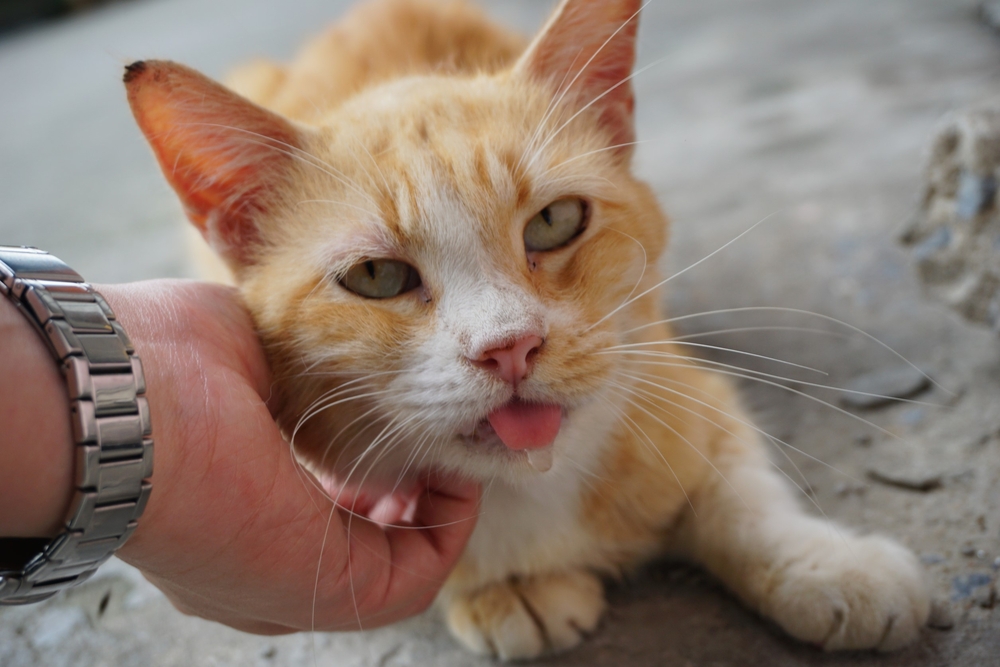
The most obvious sign of a mouth ulcer in your cat is seeing an angry red spot when they open their mouth. Whether you actually see an ulcer in your cat’s mouth, though, you will probably see a few of the associated signs.
Any of these warrants a veterinary visit, so be on the lookout for:
If the oral ulcer is associated with another disease, you may see additional signs, including:
Consulting a veterinarian is recommended for the best course of action.
What Are the Causes of Mouth Ulcers in Cats?
Physiologically speaking, mouth ulcers in cats form when an irritant or infection causes the skin cells in the mouth to become inflamed. As that inflammation progresses, layers of the cells die off, creating a crater or hole in the skin and leading to redness, swelling, and pain.
The most common cause is dental disease. It affects between 50% and 90% of cats over 4 years of age and encompasses many issues, including gingivitis, periodontitis, and tooth resorption, depending on which dental structures are affected. Dental disease may also contribute to mouth ulcers by stimulating inflammation or infection. Fortunately, it’s often easily treated with regular cleanings and veterinary care.
There are a few other causes of mouth ulcers in cats, including viral infections like calicivirus, herpesvirus, and feline leukemia. Fortunately, many of these can be prevented through proper vaccination. If your kitty does happen to come down with one of these illnesses, your vet can treat their clinical signs, but be aware that some of these viruses can’t be completely cleared, so your cat will remain positive for life and may require special care to prevent flare-ups.
Immune dysfunction issues can lead to indolent ulcers. These are part of an issue called eosinophilic granuloma complex, where immune cells go haywire and create an inflammatory response to irritants that aren’t actually there. Kitties may present with ulcers along their lips that will need lifelong management. Stomatitis may also fit in this category, even though there is a bit of crossover with dental disease.
Mouth ulcers in cats can also show up as a result of other numerous issues, including cancer, injuries, toxic substances, and kidney disease. All will require veterinary treatment, so see your vet if you think that your cat is suffering from mouth ulcers.

How Do I Care for a Cat With Mouth Ulcers?
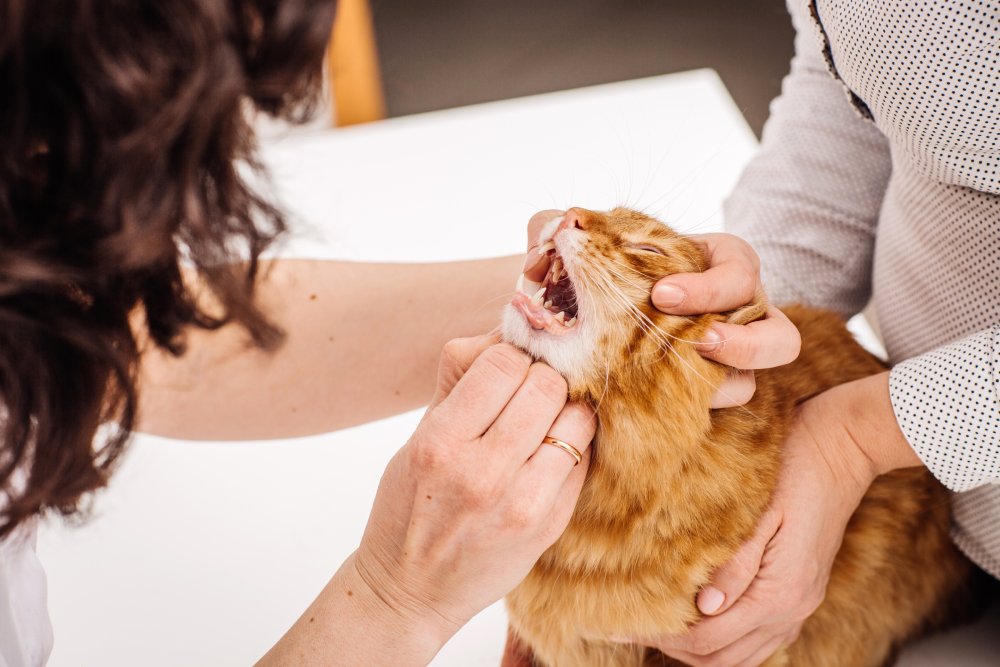
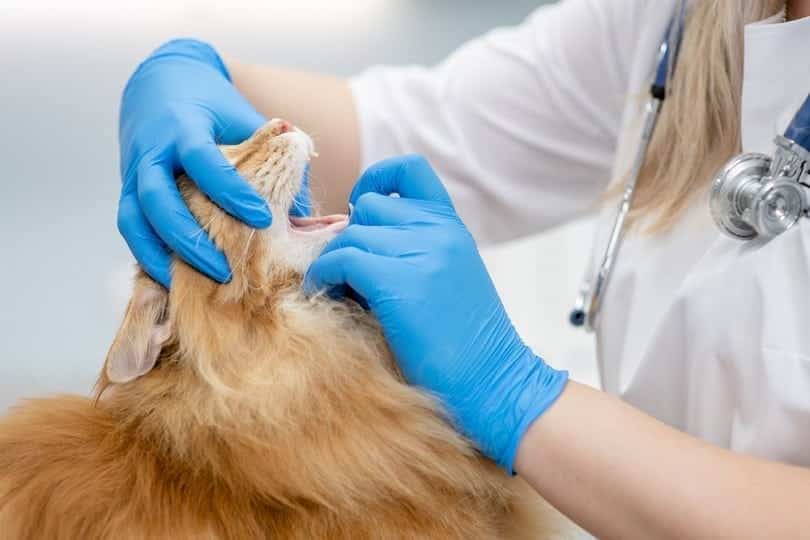
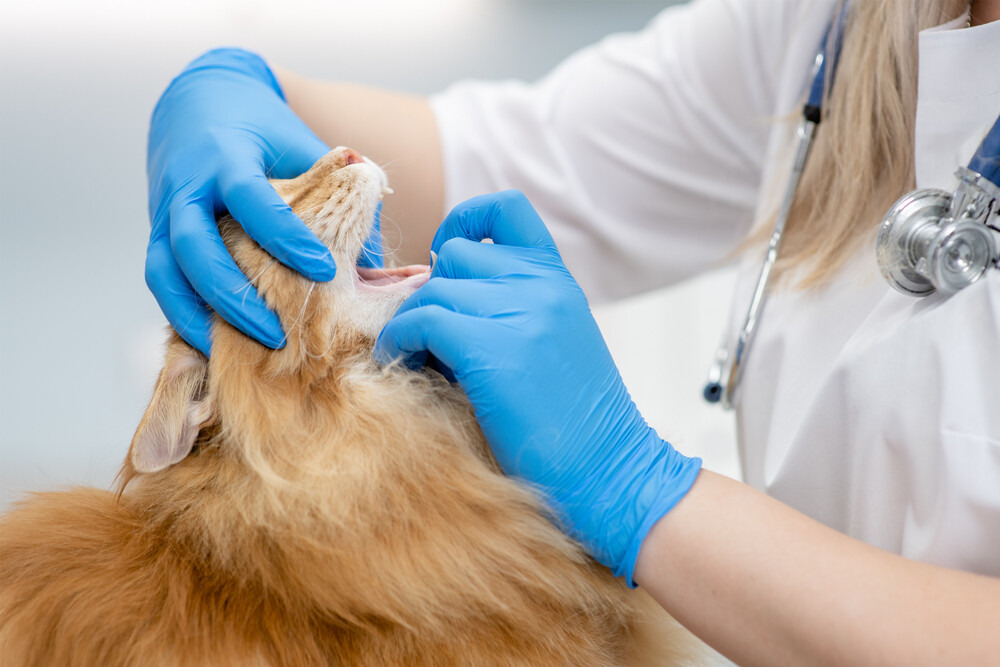
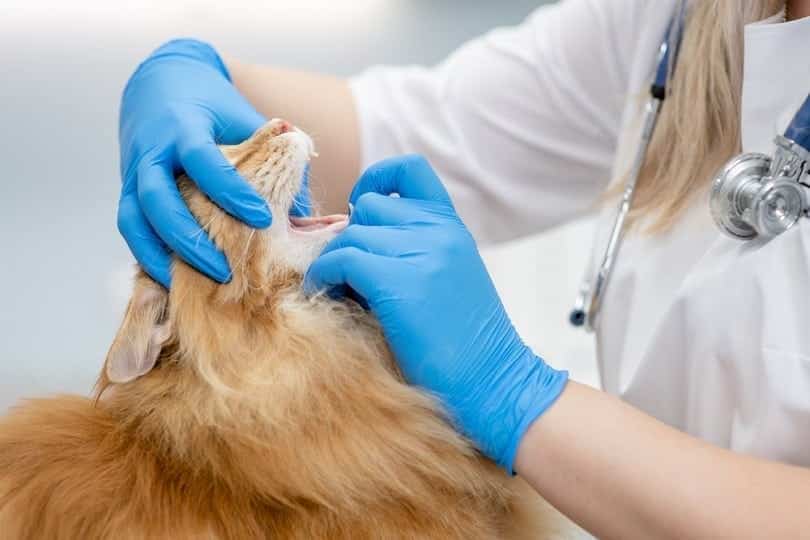
Mouth ulcers in cats require veterinary treatment to get the pain and inflammation under control and to get a proper diagnosis and treatment for the underlying cause. Since cats usually aren’t keen on letting you look in their mouth and mouth ulcers tend to be painful, making an oral exam even less likely, your vet may choose to sedate your kitty to get the best look.
Along with a good oral examination, your vet may choose to run blood work, take X-rays, and get samples of the ulcers. These will help rule out kidney disease, viral causes, dental disease, immune disorders, and cancer, among other issues.
Treatment may start with easing your cat’s signs with supportive therapy, such as anti-inflammatories and pain medications. An alternative form of feeding may be necessary for severe cases, since the cats may not want to eat.
If an underlying issue is identified, treatment will be started to cover that too. For dental disease, this may include a professional cleaning with antibiotics and possibly tooth extractions. Continued care at home may include regular tooth brushing, water additives, gels, wipes, or other tooth cleaners to help prevent recurrence.
Immune issues may require immunosuppressive medications and environmental changes like flea treatment and diet. These will be lifelong changes, so be sure you and your cat are ready for this type of treatment.
Viral infections may require further supportive treatment. Cats may need fluids to rehydrate or alternative feeding methods to keep them nourished while the ulcers heal.
Other causes may require treatments like surgical removal of a tumor or radiation, antibiotics and anti-inflammatories for an injury, or other treatments for toxin ingestion. Whichever route your vet has to take to treat your cat’s mouth ulcers, just make sure you understand what your kitty is in for and for how long.
Frequently Asked Questions
How Long Do Mouth Ulcers in Cats Take to Heal?
Once the underlying issue is under control, most mouth ulcers will go away within a few days. However, if that cause isn’t addressed, the ulcers can make it difficult for a cat to eat, which can quickly become a serious problem.
What Can I Give My Cat for Mouth Ulcers?
There are no viable at-home treatments for mouth ulcers in cats. You’ll need to see a veterinarian first. However, you may choose to switch to a canned food while the ulcers heal, as this food is softer and potentially easier for a cat with mouth pain to eat.

Can Mouth Ulcers in Cats Be Prevented?
Since there is such a wide range of causes of mouth ulcers in cats, it’s impossible to completely prevent them, but there are a few steps that you can take to decrease their likelihood. Make sure your cat is properly vaccinated and update them as directed by your veterinarian. Ensure that your kitty has regular dental care, including frequent cleanings at home and professionally. Keep all toxic substances and objects that could cause injury to your cat’s mouth safely locked up, and get your cat comfortable with routine oral exams to hopefully catch an issue while it’s small.
Conclusion
Mouth ulcers in cats can be the result of various causes, including everything from injury or viral infection to an immune disorder. If you notice painful, red spots in your cat’s mouth or see any signs of pain, difficulty eating, drooling, etc., see your vet for immediate diagnosis and treatment.
Sources
Featured Image Credit: Ermolaev Alexander, Shutterstock

Expert cat care, straight to your inbox
Vet-reviewed advice, behavior tips, and the best of Catster. Free, and you can unsubscribe anytime.
By signing up, you agree to our Terms & Conditions and Privacy & Cookies Policy.
Dr. Chyrle Bonk DVM (Veterinarian)
On top of healing animals and writing for veterinary publications, Dr. Chyrle Bonk owns a small cattle herd! When she’s not busy with those things, she can be found somewhere in the Idaho outdoors with her husband and two kids.
Chyrle has practiced in a mixed animal clinic for over 10 years. She also writes for various veterinary websites and magazines, like Catster!
Dr. Chyrle Bonk received her Doctor of Veterinary Medicine (DVM) from Oregon State University in 2010.
Join the conversation
Ask a question, share your story, or send private feedback.