The Wild Survival Instinct That Makes Cats Hiss at Their Owners


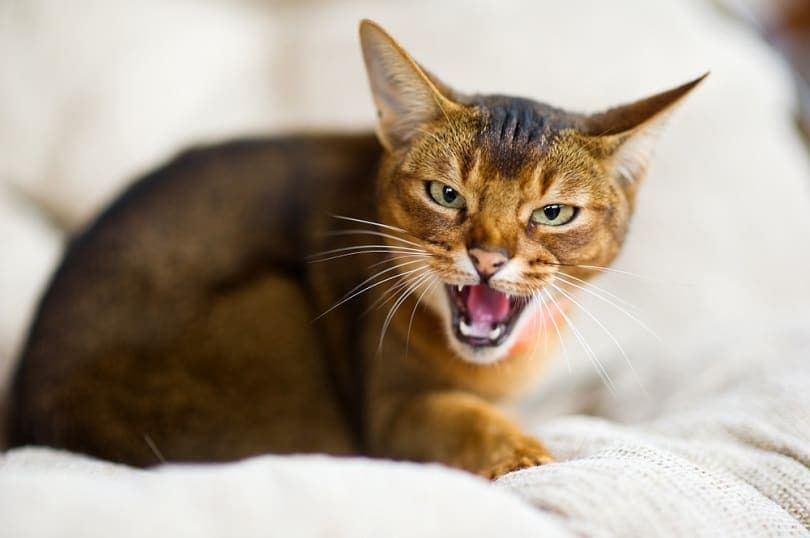
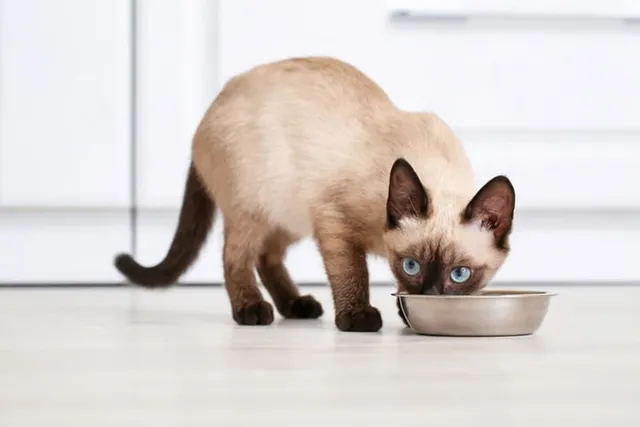
Have you ever reached down to pet your cat while they're eating, and suddenly they're hissing at you like you're a stranger who broke into their house? Or maybe your cat has started blocking the other pets from accessing the litter box, standing guard like some furry little bouncer. This isn't the sweet companion you brought home. What's happening here?
What you're witnessing is called resource guarding, and while it's more common in dogs, cats absolutely do it too. It's aggressive behavior aimed at protecting something they value, whether that's food, a favorite sleeping spot, or even your lap. The tricky part is that resource guarding doesn't just go away on its own. If anything, it gets worse when ignored.

What Resource Guarding Actually Means
Resource guarding is exactly what it sounds like: your cat aggressively defending something they consider valuable. The most obvious example is food or treats, but cats also guard sleeping spots, toys, litter boxes, scratching posts, and sometimes even specific people. Your cat isn't being spiteful. They're acting on a deep-rooted instinct to protect their territory and everything in it.
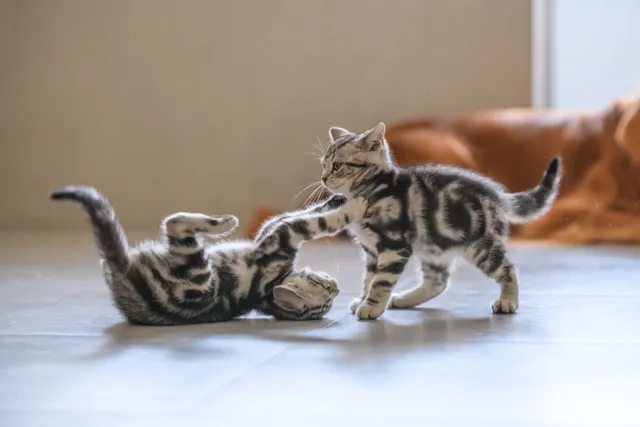
Several factors influence whether a cat develops this behavior. Genetics plays a role, as does anxiety and how a cat was raised during their critical socialization period. Territoriality starts incredibly early in a kitten's life, beginning soon after their eyes open. Competition between littermates is normal and rooted in survival instinct. In the wild, losing resources can literally mean the difference between life and death.
Even though humans domesticated cats roughly 12,000 years ago, felines are still connected to their wild side. The critical window to influence cat behavior happens between 2 and 7 weeks old. Negative experiences during this time can leave permanent marks, so resource guarding often traces back to early life experiences.

Recognizing the Warning Signs
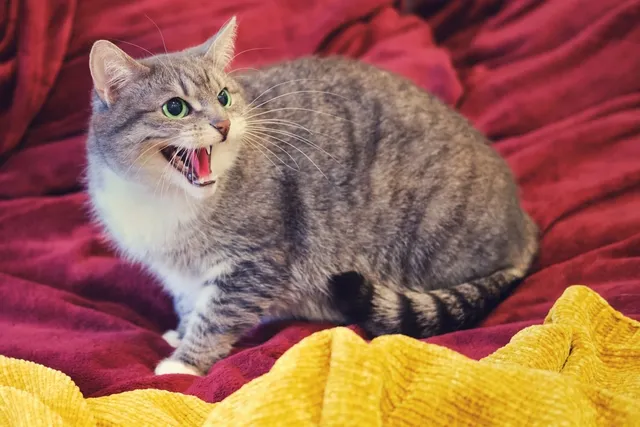
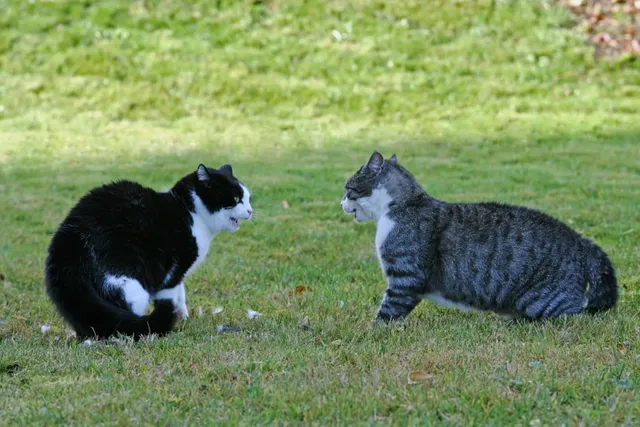
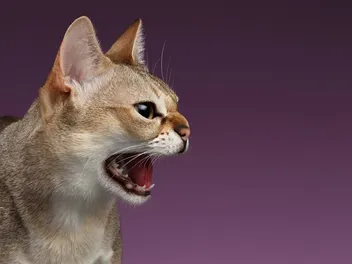
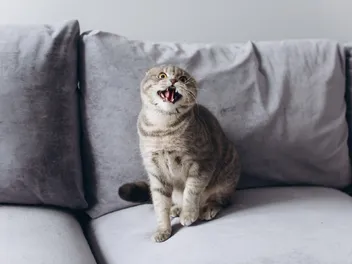
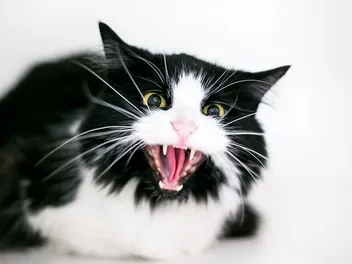
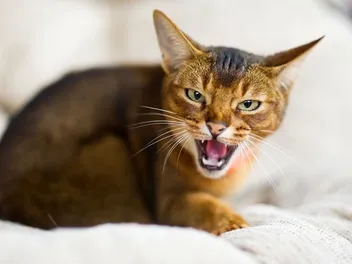
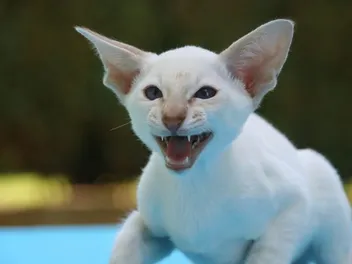
You don't need special training to spot resource guarding. Cats make it pretty obvious when they're unhappy. A relaxed cat holds their ears upright with their tail in a neutral position. An angry, guarding cat flattens their ears against their head, dilates their pupils, and raises the hair along their back.
Watch for these behaviors: stalking, chasing other pets or people, hissing as a warning to stay away, swatting at anyone who gets close, physically blocking another pet's access to what they're guarding, and spraying on items or people they're claiming. Your cat might be guarding food, water bowls, toys, litter boxes, cat trees, favorite napping spots, specific people, or anything they've decided belongs to them.
What Causes This Behavior
Resource guarding typically happens when there's a perceived lack of resources combined with underlying stress. Poor socialization during those critical early weeks is another major contributor. Genetics might also play a role. One study found that Turkish Vans showed greater aggression toward both humans and other cats, while Oriental, Burmese, and Korat cats were more likely to be friendly. Resource guarding can emerge during a kitten's ranking period when dominance hierarchies are being established.

What to Do About It
Ignoring resource guarding is the worst possible approach. This behavior escalates over time, especially when inadvertently reinforced. You need to address it immediately.
Start by consulting your veterinarian. Resource guarding can stem from health problems you might not realize exist. Researchers have observed it in pets with chronic gastrointestinal disease or muscle pain. Cats hide pain exceptionally well, but that doesn't stop them from acting out through redirected aggression. Something hurts them, and they take it out on whoever happens to be nearby.
Resource guarding can also manifest as territorial behavior linked to sexual maturity. If your cat isn't neutered, talk to your vet about your options. This behavior might be your cat's way of defending their turf.
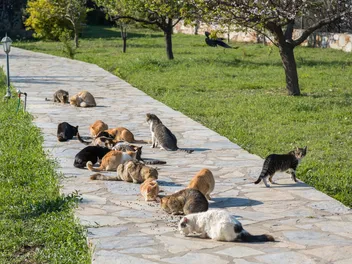
If you have multiple cats, feed them separately in their own bowls, even in different rooms if necessary. Make sure each cat has their own resources. The general rule is one of everything per cat, plus one extra. This reduces the perception of scarcity that often triggers guarding behavior.
Your cat might engage in resource guarding because they feel stressed about household changes. A new cat, new furniture, visitors, or any unexpected disruption can trigger this behavior. Cats prefer predictable environments, and changes can signal potential threats to their resources.
Pheromone sprays or diffusers can help reassure anxious cats. If things don't improve after trying environmental changes and stress reduction, discuss the situation with your vet or request a referral to a veterinary behaviorist who can create customized treatment plans.
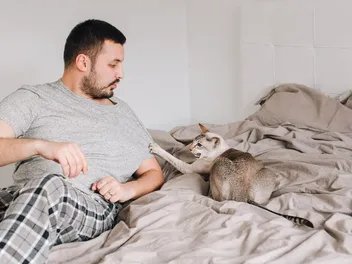
One important thing to remember: if your cat is guarding you specifically and won't let other pets near you, don't punish them. Punishment reinforces anxiety and makes guarding worse. Instead, calmly walk away when your cat acts aggressively. They'll eventually learn that driving others away means losing access to their favorite spot.

Final Thoughts
Resource guarding is instinctual behavior for cats, particularly rescues and young animals who experienced poor socialization. At its core, this is about survival. Your cat isn't being malicious. They're protecting what they believe they need to survive.
Talk to your veterinarian to explore available options, including potential referral to a specialist in feline behavioral issues. Resource guarding is one of the most common reasons cat adoptions fail, so addressing it early protects both your household and your relationship with your cat. With the right approach and professional guidance, most cats can learn that their resources are secure and aggression isn't necessary.
Sources
https://www.paws.org/resources/developmental-stages-of-kitten-behavior/
https://www.ncbi.nlm.nih.gov/pmc/articles/PMC7071134/pdf/animals-10-00318.pdf
https://www.webmd.com/pets/features/pet-pheromone-products-for-behavior-problems#1
https://www.catwatchnewsletter.com/features/defending-his-turf-toys-food-and-you/
Feature Image Credit: Slava Dumchev, Shutterstock
Did You Know?
- Our brand-new posts are rounded up and included in our weekly emails. Don't miss out on the latest - sign up for our newsletter below!
Expert cat care, straight to your inbox
News, insights, and useful advice, delivered to you.

No spam — unsubscribe anytime.
By signing up, you agree to our Terms & Conditions and Privacy & Cookies Policy.
How useful was this post?
Click a star to rate. You can leave written feedback afterwards. (We read all feedback.)
Dan has been working in the pet world for over 4 years covering cats, dogs, and all other pets in between. He loves helping pet parents keep their companions happy, healthy, and of course, totally spoiled! Originally from London, Dan now travels and works remotely, which unfortunately means no pets at home, but it gives him plenty of opportunities to fuss over other people's furry friends.