Is It Safe for Cats to Eat Moths? Vet-Reviewed Facts & FAQ


Cats are natural predators that enjoy a good hunt, whether to catch a mouse running by or to chase butterflies in the sun. Typically, if they can catch their prey, they also have the instinctual drive to eat it. Although it is difficult to control everything your cat finds and eats, it's best to monitor your cat when they're on the prowl.
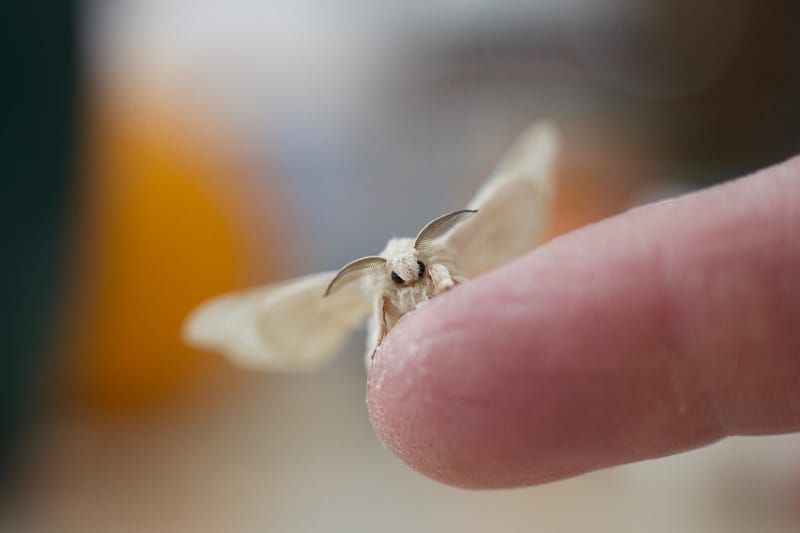
Your cat can encounter insects inside your home, and it's best to know if any of them are poisonous for cats. A moth is one of the most common creatures you can find in the home. Moths love dusky areas with plenty of fabrics and other materials to lay eggs on. Your cat will likely find them as they sneak around the home and into dusty storage spaces.
Since there is such a high possibility that your cat will find and eat a moth, it is helpful to know if they are toxic. Can cats eat moths? Yes, cats can eat most moths without experiencing any health issues. In this article, we'll discuss the safety of cats eating moths and their caterpillars and the potential dangers they might encounter.

Are Moths Safe for Cats to Eat?
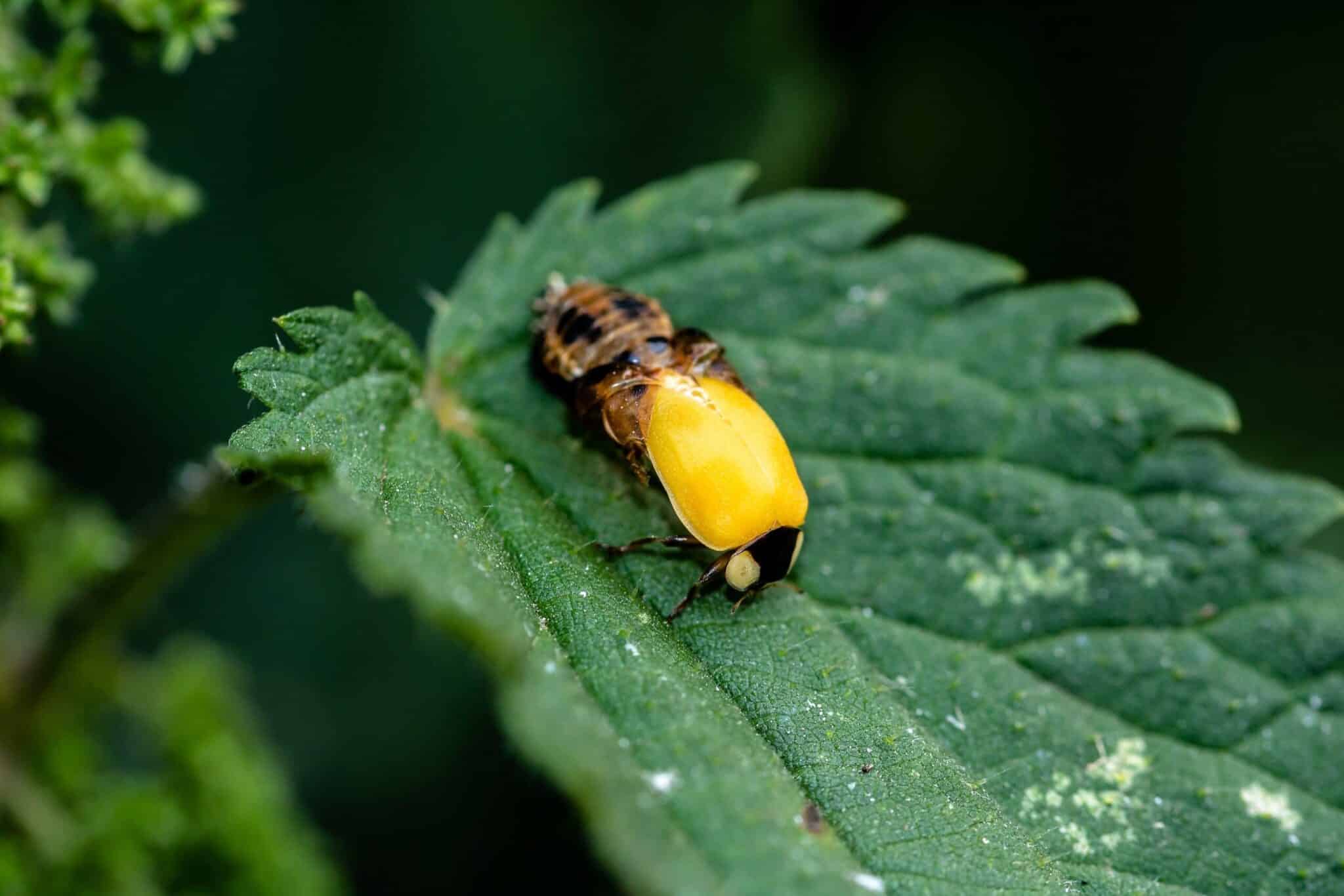
Most butterflies and moths are safe for cats to eat and typically don’t pose a risk to them. If they would somehow eat a large amount, which is highly unlikely, they may suffer from a mild digestive upset. However, some moths, such as the Garden Tiger Moth, may cause mild side effects if ingested by cats, while the hairs of the caterpillar are quite irritating if touched or licked. Unfortunately, the potential toxic effects of this species of moth have not been studied well enough to see the potential effects it may have on cats.

Potential Risks Associated with Cats Eating Moths
The potentially most harmful aspect of attacking a moth is if your cat tries to eat one of the caterpillars. As moths and butterflies work through their life stages, their effect on the animals that eat them can change. Since caterpillars can’t fly, they are much more vulnerable to predators and are also better at protecting themselves.
They might taste bitter to cats and convince them to stay away the next time. Caterpillars can inflict stings using chemical compounds released on the ends of barbs or hairs across their bodies. The stings can sometimes be dangerous and will initially cause your cat a few seconds to minutes of slight discomfort or pain. However, the sting of some caterpillars can be poisonous, sometimes leading to skin irritation and a burning sensation, drooling if licked, or a stomach upset if ingested.
If you want to try keeping moths out of the house and away from the open jaws of your cat, try using cedar to deter them. Moths don’t like the smell of cedar and tend to avoid rooms with the bark in them, but make sure it’s well out of reach of your cat, as some cedar trees may be toxic to cats.
Also, avoid using mothballs to deter the insects. They're more dangerous than moths and caterpillars and are incredibly toxic for cats. Even eating a single mothball can poison a cat since it is a concentrated form of pesticide.
The signs of mothball toxicity include lethargy, trouble breathing if exposed to the fumes, seizures, tremors, gastrointestinal signs, and less commonly liver or kidney damage. If your cat has eaten one, call a veterinarian right away.
What Are Other Insects That Cats Can Safely Eat?
There are several insects that a cat might encounter. Most of the ones you might find in your home will generally be fine, especially if you live in a temperate climate with harsh winters. If your cat encounters small centipedes, they are typically harmless.
Black ants are also acceptable, but you should try to keep your cat away from the fire ant’s venomous bite, which may cause swelling and blistering, stinging, and sometimes even an allergic reaction. Hard-bodied insects are also typically non-toxic for cats, but eating their tough exoskeletons can cause an upset stomach if they are too big, or lead to mouth or teeth injuries in rare cases. Insects like these include roaches, crickets, beetles, and grasshoppers.
The only other issue with a cat eating insects is the parasites that the insects might be carrying. That is especially true with bugs like roaches. That is why it is best to ensure that your cat always gets their preventative deworming since you can’t consistently moderate what they ingest.


Summary
If your cat encounters moths or other insects in your home, it is typically not a cause for alarm. They are often relatively harmless, especially if they are small. If you notice your cat eating quite a few bugs, contact a vet for advice. Most healthy felines that consume quality cat food won't fill up on insects, unless they are very bored or you have an insect infestation in your home.
If you decide to do something about a moth infestation in your home, ensure your cat is not present. The chemicals from most bug bombs or other preventative treatments, even ant traps, can be harmful or toxic for cats.
Sources
Featured Image Credit: danielburchmore, Pixabay
Expert cat care, straight to your inbox
News, insights, and useful advice, delivered to you.

No spam — unsubscribe anytime.
By signing up, you agree to our Terms & Conditions and Privacy & Cookies Policy.
How useful was this post?
Click a star to rate. You can leave written feedback afterwards. (We read all feedback.)
Christian started writing for a local newspaper as a teenager, and he's been involved in the publishing industry for most of his adult life. Combining his love of writing with a passion for animals, he is currently the Director of Editorial at Pangolia and the Editor-in-Chief at Catster.
Christian lives in the Philippines with his wife, son, and four rescue cats: Trixie, Chloe, Sparky, and Chopper.