Why Is My Cat Throwing Up Undigested Food? Our Vet Explains 6 Potential Causes

In this article
If you’ve owned a few cats, chances are you’ve cleaned up your fair share of cat vomit. Vomiting in cats is very common and can be innocent, but it can also be a sign of underlying illness. So why do cats throw up? And how do you know if your cat’s vomiting warrants a check-up at your veterinary clinic?

Why Is My Cat Vomiting?
Cats vomit for many different reasons, and some cats are very prone to it. If you have a cat throwing up undigested food but acting normal and seems otherwise well, this is unlikely to be a concern. However, if it is yellow bile or froth that is brought up, or if your cat has other signs of being unwell, it shouldn't be ignored and veterinary advice should be sought. Here are some of the reasons why cats vomit.
If you’re looking for an effective yet safe solution to cleaning up vomit, check out our favorite pet-friendly products here.
Why Is My Cat Throwing Up Undigested Food?
1. Overeating

If your cat regularly gorges on food, quickly eating more than their stomach can comfortably contain, they may vomit the undigested food back up, reasonably soon after eating. Some cats are prone to this behavior, and it can happen regularly, even daily.
To try to combat your cat's gorging, you must try to change the speed at which they eat. It can be tough to know how to make a cat eat slower, but there are some methods you can try. One of the most reliable methods would be using a slow feeder. Store-bought puzzle feeders or slow-feeders will help by making it trickier for your cat to get at the food so that they have to make more effort and aren't able to guzzle.
If your budget is tight, you could try your own method of making a slow feeder by feeding from a flat plate rather than a bowl so that food moves around more and is, therefore, more of a challenge for your cat to eat. Failing that, you could try splitting meals into smaller amounts and feeding more frequently.
2. Regurgitation

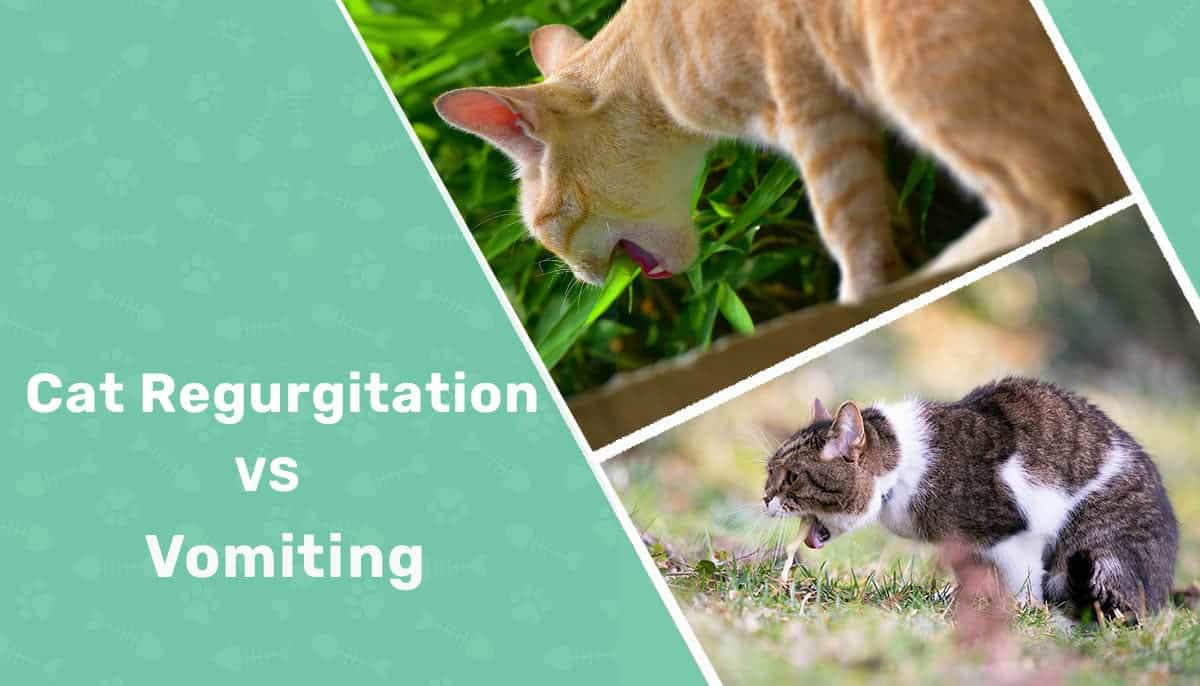
It's useful to know whether your cat is actually vomiting, or just regurgitating food since that will have an impact on the possible causes and treatments. If you see your cat bring up food, note whether there is any heaving or abdominal effort, or whether the food just seems to come up easily with no effort.
Regurgitation is normally a consequence of gorging behavior; however, some rare conditions affect the muscles and function of the food pipe (esophagus), which may lead to regurgitation.
3. Hairballs
Cat hairballs can be perceived as vomiting, and the process of bringing them up is much the same but rather than food or bile being brought up, it is clumps of hair. Hairballs are very common, especially in long-haired cats or lazy groomers!
One way to manage hairballs is to start a regular grooming routine with your cat. Some cats just don't spend the necessary time on self-care and can build up excessive dead hair in their coat. By brushing this out regularly, you will reduce the chances of hairballs. If your cat doesn't enjoy or even tolerate a grooming session from you, some products can help to bind and lubricate the hairball to help it to move through the guts.
4. Grass Eating

You might have noticed your cat eating grass and then vomiting soon afterward. Or you may have seen grass blades within piles of vomit around your home. Cats often enjoy eating grass, but the shape and length of blades of grass can irritate the gag reflex, especially if some grass gets lodged in the throat.
Many people believe that cats will choose to eat grass when they feel sick in order to make themselves vomit. However, since we can’t ask them, there’s no way of knowing whether this is true or whether they just enjoy it.
5. Bowel Obstruction
Although cats are generally fussier than dogs and less likely to eat something they shouldn’t, occasionally they can take a fancy to something dangerous. Often, it’s just over-zealous playing that’s got slightly out of control when they swallow some tinsel or cotton thread. If this foreign material gets lodged in the guts, it can cause an obstruction, which leads to vomiting. If your cat is vomiting or unwell and you have a suspicion that they may have swallowed a foreign body, it’s really important to contact a veterinarian urgently.
6. Allergies
Just like humans, cats can have food allergies. In some cats, an ingredient in a standard cat food will cause an allergic reaction. This would commonly be a protein or carbohydrate source. If your cat has a cat food allergy, they may persistently vomit, lose weight, have diarrhea, and become lethargic. Your veterinarian will be able to do some tests to find out if an allergy is the cause and then recommend an appropriate hypoallergenic diet.
There are several hypoallergenic diets available on prescription, and the best results are often seen with these. However, a home-formulated hypoallergenic diet may be attempted under the supervision of your veterinarian and a veterinary nutritionist. A home-made hypoallergenic diet works by ensuring you only use protein and carbohydrate sources that your cat has never had previous exposure to. Diet changes will take around 8 weeks of strict adherence to make an impact, so don't lose hope if you don't see an instant improvement.
Frequently Asked Questions
Why is my cat vomiting undigested food?
The main cause of vomiting undigested food is gorging. If your cat eats too much, too quickly, the stomach becomes overstretched and vomiting occurs soon after feeding. To combat this, try to ensure your cat eats more slowly, or feeds little and often. Sometimes a simple change in your cat's food dish can help eliminate this issue.
Is it normal for a cat to throw up every day? How bad is it?
Although it can be normal for a cat to vomit daily due to gorging food, there are other more concerning reasons why your cat could be vomiting. Seeking the reassurance of an examination by a veterinarian would be a good idea if your cat frequently vomits.
What can I give my cat for vomiting?
Unless you are certain that your cat is vomiting due to gorging food, it would not be sensible to attempt any home remedies to treat your cat’s vomiting without seeking veterinary advice. If you are sure that the vomiting is resulting from your cat being a bit greedy and guzzling food, try feeding small amounts frequently rather than larger meals.
How do I get my cat to eat slower?
Try feeding small amounts of food more frequently, or use a puzzle feeder or flat plate to make it more challenging for your cat to pick up the food.
So, Do I Need to Worry if I Have a Cat Throwing Up Undigested Food?
While it is always sensible to seek the advice of a veterinarian if you are concerned about your cat, there are some innocent reasons why your cat may be vomiting. Watch out for other signs that your cat is unwell, and consider whether your cat may be eating too fast or having trouble with hairballs. Ultimately, a quick call to the veterinary clinic will help to put your mind at ease if you are unsure.
Want more free vet advice? Check out some of our other Ask-a-Vet posts:
Expert cat care, straight to your inbox
News, insights, and useful advice, delivered to you.

No spam — unsubscribe anytime.
By signing up, you agree to our Terms & Conditions and Privacy & Cookies Policy.
How useful was this post?
Click a star to rate. You can leave written feedback afterwards. (We read all feedback.)
Dr. Joanna Woodnutt BVM BVS (Veterinarian)
Joanna is an experienced veterinarian working in the UK. She has written about pets and their health for many blogs, pet magazines and pet websites and loves to help readers understand their pets through her writing.
She has started her own freelance company so she can help more pet parents than just the one standing in front of her in a consultation room.
She enjoys teaching and educating clients, so a career in writing, public education and pet health is the perfect combination for her.