Get

In Your Inbox

Catster is reader-supported. When you buy via links on our site, we may earn an affiliate commission at no cost to you. Learn more.

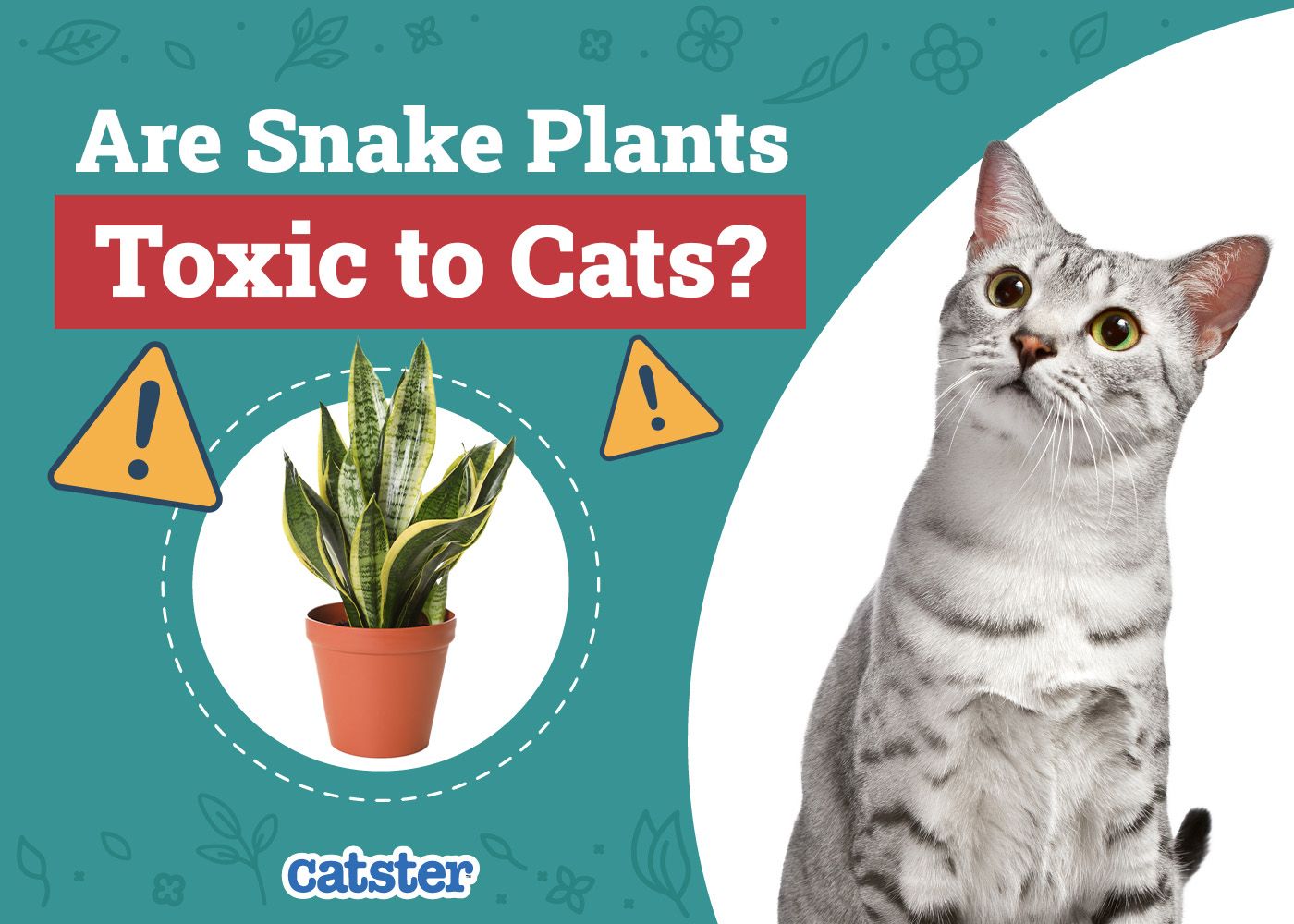
Are Snake Plants Toxic to Cats? Vet Approved Facts & FAQ

Share

Catster_Are Snake Plants Toxic to Cats

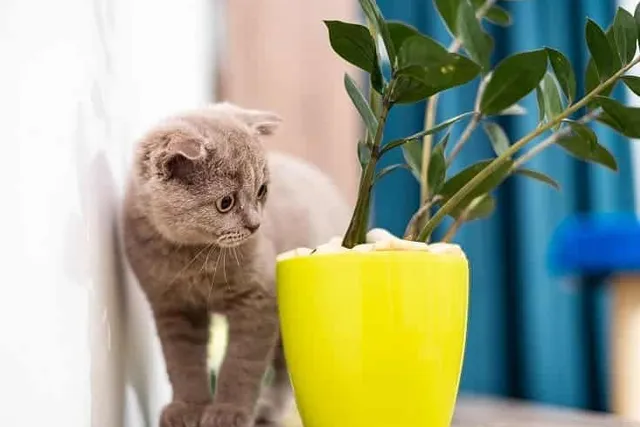
Snake plants are charming, large-leafed plants that look stunning in almost any home setting. But sometimes when we mix plants and our household pets, it can be a recipe for trouble. Can you really blame them—look at how they bend! It’s like the plants are just asking for an attack from your cat’s point of view.

Cats like to get into things they aren’t supposed to, and some plants can be downright lethal to ingest. So are snake plants toxic to cats? Yes, they are toxic to both dogs and cats if ingested. Let’s learn about just how harmful these plants can be for our feline friends.

divider 3 paws

What Are Snake Plants?

The snake plant, or Sansevieria trifasciata, is an attractive house plant popular in many homes worldwide. They are native to tropical climates in West Africa. It is a hardy, beautiful plant that is easy to grow, even for beginners.

Snake plants grow upward in a tightly bound, pointed structure. Each leaf has its green hues and variations between seafoam and forest green. The leaves are stiff and crisp—not bendy or long-flowing. These plants can grow well in both low-light and high-light environments.

They sound like a dream for any plant-lover. However, when it comes to our feline friends, is the snake plant a good choice to have in the home? It depends—but if your cat likes to munch on other plants, you might want to keep this species off your list.

Image Credit: Aquarius Studio, Shutterstock

Snake Plants Are Toxic to Cats

So, we know that snake plants are toxic to cats and other household pets—but in what way? This plant won’t hurt anything if you only have it sitting in your home. Additionally, if your cat brushes against it with their fur, it won’t cause adverse reactions.

However, ingesting it is a problem. We all know that individual cats have a draw to houseplants—and another plant has likely paid the price before. The snake plant is not a smart choice for munching. It is highly toxic to both dogs and cats.

So, if you have a multi-pet household, know that dogs are even more adversely affected than cats.divider 2 cats

What Happens if Your Cat Eats Snake Plants

An interesting side effect of snake plant-eating is numbness. There is a type of poison in the plant makeup that causes numbing and swelling of the throat and tongue. That can be really dangerous since it could potentially block your cat’s airway.

vet checking cat with a stethoscope
Image Credit: Andrey_Kuzmin, Shutterstock

Signs of Toxicity in Cats

If you suspect your cat has eaten a leaf from your snake plant, look for the following signs:
  • Nausea
  • Vomiting
  • Diarrhea

When to See a Vet

Because of the toxicity in snake plants, you should get your cat to the vet if you know they’ve eaten a significant chunk. Even small portions can have extremely negative impacts on your kitty.

For future buying purposes, the ASPCA compiles a list of toxic versus non-toxic plants for pet owners.

divider 3 paws

Ways to Curb Houseplant Chewing

There are ways to keep your cat from your plants; you might just have to get creative.

  • Get your cat their plot of cat grass. For those kitties that absolutely love chewing up plants, you can grow their very own, 100% safe cat grass. Essentially it’s an organic blend of regular grass that has no toxic additives.
  • Keep your plants in an unreachable space. If you can outsmart your cat, try to put your plants in a spot that they cannot access. We know this can be hard since cats are very determined.
  • Try hanging baskets. If your ceilings are high enough and you don’t put the hanging baskets close to a perch that your cat can reach—these contraptions can be a blessing.
  • Eliminate access to your plant room. Designate one room for your plants—and don’t let your cat in. Sure, they might be offended, but they will get used to it.
  • Only buy cat-safe plants. Do your homework before bringing any fresh greenery home. If you can’t seem to separate your kitty from toxic plants, it’s best to stay away from them altogether. There are plenty of choices you have that won’t harm your cat at all.
divider 2 cats

Final Thoughts

You might get lucky and have a special place to keep your snake plant out of your cat’s sight. If there is no way your cat can contact it, there’s no reason you can’t grow one of these magnificent plants.

Remember that to curb your cat’s houseplant appetite, you might try getting their very own cat grass for chewing.

See Also: 


Featured image credit: Tanuj_handa, Pixabay

Want content like this delivered to you?

Sign Up For Our Newsletter

News, insights, expert advice, and everything cat

* By submitting, you agree to our Terms & Conditions and Privacy & Cookies Policy.


How useful was this post?

Click on a star to rate (you can leave written feedback after clicking submit)

Help us improve Catster for pet parents!

Your feedback really matters.

What did you like about this post? Also how can we improve it?

Join the conversation

Leave a Reply

You’re very welcome to leave a comment or question. Please know that all comments must meet our community guidelines, and your email address will NOT be published. Let’s have a positive and constructive conversation.


Catster's Digital Magazine is Back!

Vet-approved health & behavior advice

Real cat stories & community features

Is Your Cat Happy? Here’s How You Can Tell

Cats have a reputation for being indifferent, even inscrutable. But despite their seemingly ambivalent appearance, cats experience many emotions, including happiness, and they...

Human Brains Age Like Cats – New Study Debunks the 7-Year Rule

If you’ve ever caught your senior cat staring blankly at a wall, wandering the halls at 3 am, calling out for no clear...

Chatting with Devin About Here! Have a Kitten, Fostering, & Why Two Are Better Than One | Chatty Cattys, Episode 29

In this episode of Catster’s Chatty Cattys podcast, Nicole & Dr. Karyn sit down with Devin, the founder and one-woman show behind “Here...

Decoding The Cat Loaf: What It Means and When to Worry

Few cat behaviors have captured the internet quite like the loaf. Paws tucked neatly beneath the body, tail wrapped in, perfectly rectangular. As...

More related

5 Best Nail Caps for Cats (2026) – Reviews & Top Picks

Most educated cat owners won’t even think of de-clawing their feline friends, but some people struggle with cats who scratch furniture, floors, people,...

7 Cat Gods & Cat Goddesses From Ancient Cultures

People have been sharing their lives and homes with cats for millennia, but some ancient cultures took kitties a bit more seriously than...

Can Cats Eat Imitation Crab? Vet-Approved Facts & FAQ

You’ve most likely seen an old cartoon where someone tosses a bit of seafood out to a cat. Typically, this seafood is a...

How to Put Weight on Your Cat: Our Vets Answer

Perhaps you have just adopted a cat or rescued one that is malnourished or suffering from a medical condition that has made them...

Keep reading

Can Two Female Cats Get Along? Vet-Verified Info & Introduction Tips

If you already have a female cat at home and are considering adopting another cat, you may wonder how to make the transition as smooth as possible for your furry family member. Would your cat be happier with a male...

Can Two Female Cats Get Along

How Long Should Kittens Stay With Their Mother? Vet-Reviewed Facts & Development

There is no doubting the attraction of young kittens. They’re tiny and stumble around, and our instinct to protect them takes over. However, taking a kitten away from their mother too soon can be detrimental to the little furball. Not...

cat smelling kitten

Say Goodbye to Fleas (and Hello to Happy Cats!)

If your cat has been scratching, biting, or losing fur, fleas could be the reason. These tiny pests can make your cat uncomfortable and quickly spread around your home. Fortunately, most flea problems can be solved with a few at-home...

vet holding magnifying glass searching cat fleas over a grey and orange cat

How to Tell the Difference Between a Cat Hairball & Cough: Vet-Reviewed Facts

Seasoned cat owners could hear a cat retching up a hairball from a mile away, but the sound might sound like a cough to an inexperienced owner. However, these two things are different, and it’s essential to tell the difference...

cat cough

Where Do I Put Cat Food & Water Bowls? 6 Vet-Reviewed Options

Though the placement of your cat’s food and water bowls may seem like a minor consideration, it is a lot more important than some may think. Cats are fastidious animals that need routine and love having a calm, quiet, safe...

owner feeding his cat

Why Does My Cat Scratch the TV? 4 Vet Reviewed Tips to Stop This Behavior

It isn’t common for cats to paw at and damage TVs. However, it does occur. Some cats seem prone to this behavior for one reason or another. Luckily, no matter why your cat is doing it, preventing it from occurring...

Cat intently watching TV

Cat Blood Types: How to Find Out (Vet-Approved Guide)

If you’ve ever given blood before or had surgery, you probably know your blood type. Humans have four blood groups—A, B, AB, and O. These groups can be Rh positive or negative, which means you can have one of eight...

vet sampling cat's blood

How Long Can Cats Go Without Food? Vet-Verified Dangers & Tips

Cats are often hungry little monsters devouring their food rapidly. Conversely, they may be picky eaters that refuse to eat anything but their favorites! In either case, if your cat stops eating, this is a cause for concern. Cats are...

well-fed-cat-looking-for-food-and-not-eat

Love Cats? So Do We! Join the Catster Community

Stay informed with expert pet care insights delivered straight to your inbox! Discover professional guidance on animal behavior, feeding tips, trusted product picks, and much more.


Sign up for the Catster Email Newsletter

Stay informed with expert pet care insights delivered straight to your inbox! Discover professional guidance on animal behavior, feeding tips, trusted product picks, and much more.