Get

In Your Inbox

Catster is reader-supported. When you buy via links on our site, we may earn an affiliate commission at no cost to you. Learn more.

Are Gardenias Toxic to Cats? Vet-Reviewed Houseplants Explained


Share

Catster_Are Gardenias Toxic to Cats

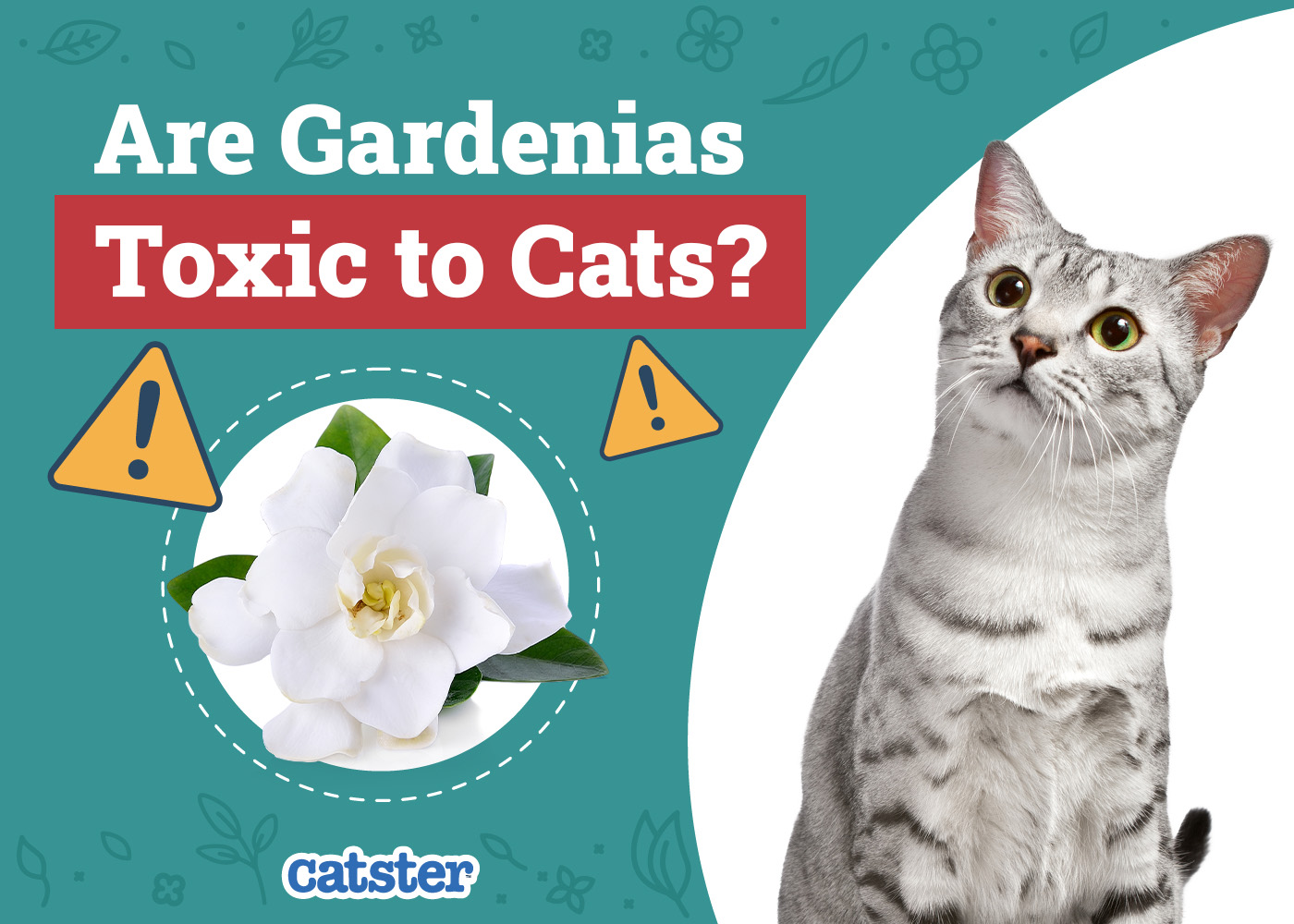
Known for their strong fragrance and huge blooms, gardenia bushes are a gorgeous addition to your outdoor space. Cut blossoms make beautiful indoor decorations and dried flowers, but if you share your home with cats, you’ll want to proceed with caution. Gardenias are considered toxic to cats, although the symptoms of poisoning tend to be uncomfortable and messy rather than life-threatening.

In this article, we’ll discuss the signs of gardenia toxicity and how to keep your cat safe from ingesting this plant. We’ll also suggest some safer garden plants and cut flowers you can enjoy instead.

divider cats oct 2024

Gardenias & Cats: A Toxic Mix

According to the ASPCA’s Pet Poison Control, gardenias of the species Gardenia jasminoides, (also called Cape Jasmine) contain two toxic compounds: genioposide and gardenoside. These compounds give the gardenia a bitter taste when chewed, which guards the plant against falling victim to hungry herbivores.

If your cat chews on the leaves and flowers of the gardenia, he or she may exhibit some of the following common symptoms post-ingestion:

  • Vomiting
  • Diarrhea
  • Hives

The ASPCA states that these symptoms are typically mild. However, you should still contact your veterinarian if you believe your cat has ingested gardenia parts. Prolonged vomiting and diarrhea put your cat at risk of dehydration.

In addition, if your cat loses their appetite for even a few days as a result of their symptoms, they could develop more severe problems, such as a life-threatening condition called hepatic lipidosis.

If you require urgent veterinary care, contact a vet online.

divider cats oct 2024

How to Keep Your Cat Safe from Gardenias

Gardenias are typically grown outdoors, either in the ground or in containers, because of their size. The simplest way to keep your cat safe from chewing on outdoor gardenias is to keep the animal indoors. If you allow your cat to spend supervised time in the yard, keep an eye on them to make sure they avoid the gardenia bushes.

If you bring cut gardenias indoors as a bouquet, place them out of reach or in a closed room that your cat can’t access. Even if your cat isn’t interested in chewing on the flowers, they can hurt themselves by knocking over and breaking the vase.

cat walking indoor
Image By: Larry Zhao, Unsplash

Safe Alternatives to Gardenias

Gardenias are not the most dangerous plant your cat could be exposed to, but if you want to prevent any chance of poisoning, you may want to choose other flowering species for your yard.

A flowering shrub of the Elaeagnus family, commonly called autumn olive or silver berry, is non-toxic to cats and produces flowers with a similar scent to gardenias. However, this species is considered invasive in many areas and should be planted with caution.

Some additional plants and flowers you can grow that are safe for cats:
  • Roses
  • Snapdragons
  • Gerbera daisies
  • Wax flower
  • Herbs such as basil, dill, and rosemary
  • Orchids

Be aware that many pesticides and fertilizers are toxic to cats, posing a risk if they are used even on these otherwise safe plants.

divider cats oct 2024

Conclusion

Because the safest place for your cat to live is indoors, you can grow gardenias completely out of their reach. Unlike many other plants and flowers, gardenias typically won’t cause severe symptoms if chewed by a cat. However, keep in mind that even safe shrubs could upset your cat’s stomach if consumed because cats cannot digest plant matter very well.

See Also: 


Featured Image Credit: bunekeeditor, Pixabay

Want content like this delivered to you?

Sign Up For Our Newsletter

News, insights, expert advice, and everything cat

* By submitting, you agree to our Terms & Conditions and Privacy & Cookies Policy.


How useful was this post?

Click on a star to rate (you can leave written feedback after clicking submit)

Help us improve Catster for pet parents!

Your feedback really matters.

What did you like about this post? Also how can we improve it?

Join the conversation

Leave a Reply

You’re very welcome to leave a comment or question. Please know that all comments must meet our community guidelines, and your email address will NOT be published. Let’s have a positive and constructive conversation.


Catster's Digital Magazine is Back!

Vet-approved health & behavior advice

Real cat stories & community features

When a Cat Becomes a Water Fountain – Why Cats Vomit After Drinking

Seeing a cat drink water and then promptly bring it back up can be confusing. Sometimes the explanation is fairly simple, particularly if...

Chatting About Sleeping Positions, Loafing & Cats in Tubes | Chatty Cattys, Episode 33

In this episode of Catster’s Chatty Cattys podcast, Dr. Karyn and Nicole dive deep into the fascinating world of feline sleep behaviors. From...

The Bite Stuff: The Truth Behind a Cat’s Sudden Nip

A cat bite that seems to come out of nowhere is one of the more confusing things a cat owner deals with. Everything...

Your Cat’s Purr Proves They’re One of a Kind

There are few sounds more comforting to a cat parent than the familiar rumble of a purring cat. You probably know your own...

More related

Cat Litter Box Tips: 9 Vet-Approved Ideas For Placement, Cleaning & More

Cats are notorious for being particular about their litter boxes. Most have specific ideas about where their facilities should be located, what type...

Ginger Cat Appreciation Day 2026: How and When Is It Celebrated?

Ginger Cat Appreciation Day comes around every year on September 1st. Chris Roy came up with the idea to commemorate his sweet 15-pound...

How to Clean Cat Toys Safely: 5 Vet-Approved Steps That Work

Having to clean your cat’s toys might seem quite obvious now that you think about it, but you’d also be forgiven for not...

Can Cats Eat Canned Chicken? Vet-Reviewed Info to Know

Everyone knows that cats are obligate carnivores. In other words, they evolved to eat meat entirely. They don’t typically eat anything else, though...

Keep reading

Are Geckos Poisonous to Cats? Vet-Reviewed Dangers & FAQ

Geckos are not venomous or poisonous to cats and dogs, but they can carry a liver fluke, the trematode parasite Platynosomum fastosum, which can potentially cause serious illness. The condition that it causes is sometimes called “lizard poisoning.” Read on...

leopard gecko

Can Cats Eat Green Beans? Vet-Verified Nutritional Guide

Being a cat owner comes with a unique set of challenges. Not only are cats a bit high-strung at times, but their diets are also different from those of dogs. Cats have one basic need when it comes to their...

Can Cats Eat Green Beans

Can Cats Eat Bacon? Vet-Reviewed Facts & FAQ

It’s not a secret that bacon isn’t a particularly healthy food. We often think of bacon as a cut of meat not dissimilar to a steak or pork chop, but it’s not. Bacon is heavily processed, as it goes through...

Can Cats Eat Bacon

Bengal Cat Health Problems: 9 Common Issues

Bengal cats are outgoing, social, and love to talk and interact with their owners. This breed is also incredibly intelligent and can easily learn to perform tricks. However, as with every breed, they have a few common health issues that...

Catster_Health Problems of Bengal Cats

10 Best Cat Foods for Constipation In 2026 – Reviews & Top Picks

Does your kitty need help, “moving things along”? Have you noticed they haven’t passed feces for a few days or have small dry poops? If so you may be wondering what are the best foods for constipation in cats. As...

side view of tabby cat eating pet food from feeding bowl on white background with copy space

Are Prayer Plants Toxic to Cats? Vet-Reviewed Houseplants Examined

The prayer plant, Maranta leuconeura, enjoys the cooler, even temperatures found inside your home and indirect light through a shady window or a sheer curtain. It typically grows to about 12 inches in height with broad, dark green leaves that...

Catster_Are Prayer Plants Toxic to Cats

Why Does My Cat Sleep on Me? 6 Vet-Reviewed Reasons & Solutions

Cats have strange and quirky behaviors that help keep their owners both entertained and confused. One common yet endearing habit of felines is choosing to curl up and sleep on their owners. While having your cat snooze on your lap...

cat sleeping on its owner's chest

Can Cats Eat Lollipops? Health Risks & Vet-Approved Alternatives

Cats are curious creatures, and they often want to try things we eat, so it’s not unusual to wonder if cats can eat lollipops. The answer is, unfortunately, no. Lollipops are made with sugar and other ingredients that can be...

Can Cats Eat Lollipops

Love Cats? So Do We! Join the Catster Community

Stay informed with expert pet care insights delivered straight to your inbox! Discover professional guidance on animal behavior, feeding tips, trusted product picks, and much more.


Sign up for the Catster Email Newsletter

Stay informed with expert pet care insights delivered straight to your inbox! Discover professional guidance on animal behavior, feeding tips, trusted product picks, and much more.