4 Home Remedies for a Spider Bite on Your Cat – Our Expert Guide


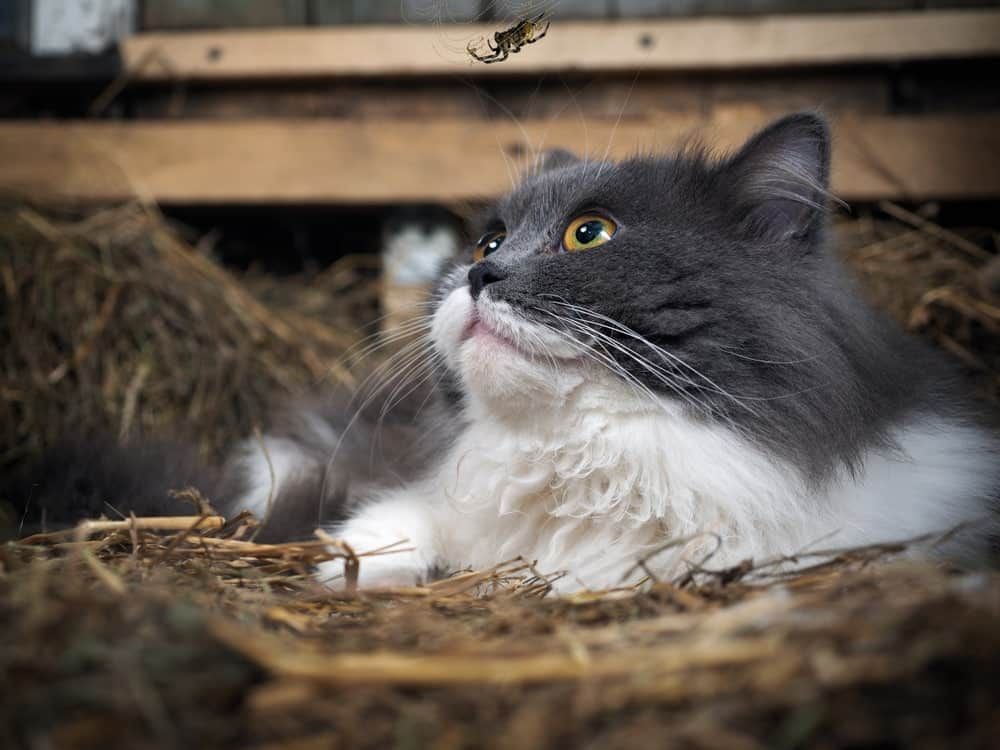
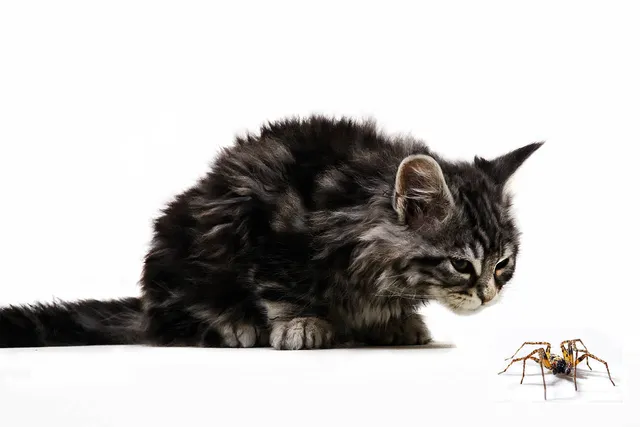
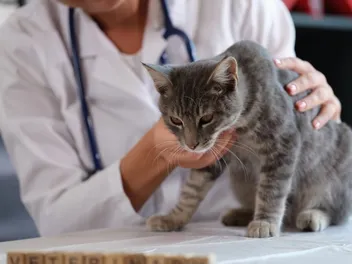
Some cats love to investigate anything and everything, which sometimes includes spiders! Spider bites can be serious, so while there are home remedies that you can use to soothe adverse reactions, we recommend taking your cat to the vet for a consultation. Spider bites can be deadly for cats, so it’s better to be over-cautious.
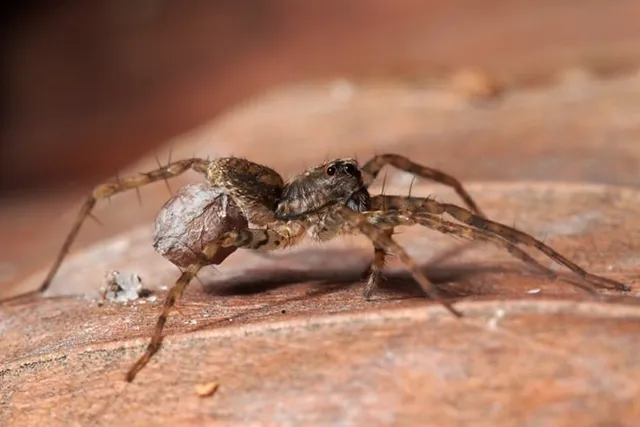
The good news is that most spider species in the U.S.A. can’t harm your cat, as their fangs are too short to do any damage. Your cat may get a bite, but it won’t cause any long-term harm. However, two types of spiders in the U.S.A. are venomous, and a bite from one of these can cause serious complications for your cat. These species are:

What Should You Do if You Think a Spider Has Bitten Your Cat?
If you think your cat has been bitten by a spider, look for any of the following signs:
Bear in mind that the signs of a spider bite often present a few hours after the bite itself. Call your veterinarian immediately, and tell them you think a spider has bitten your cat. If you saw the bite happen and the spider is still visible, collect the spider in a jar or take a photo. If the spider can be positively identified, it will be quicker and easier for your vet to decide which treatment is needed.
While waiting to take your cat to the vet, you can use the following home remedies.
The 4 Remedies for Spider Bites
1. Restrict Your Cat's Movement

Allowing your cat to walk or run will increase their blood circulation, making the venom travel faster around their body. Place your cat in their carrier, or keep them in a small space where it’s harder for them to move around.
2. Keep the Bite Below Your Cat's Heart Level

This can also help slow the spread of the venom.
3. Wash the Site of the Spider Bite

Use cold water and soap or an antimicrobial spray if you have it. This can help reduce the risk of a secondary infection developing.
4. Apply a Cold Pack

Placing a cold pack on the bite, if your cat allows it, can numb the pain and help reduce swelling. The temperature reduction will also slow the circulation in that area, reducing the spread of the venom.
Treatment for Spider Bites
The type of treatment your vet uses will depend on the species of spider that has bitten your cat. For any venomous spider, immediate veterinary care is critically important. Bites from a black widow spider can cause your cat’s diaphragm to become paralyzed. Your vet may administer an antivenin, intravenous fluids, pain medicine, or muscle relaxants.
Brown recluse spider bites can cause the tissue surrounding the bite to die off. This can leave a red wound with a pale ring surrounding it and itchiness and bruising. It can also cause nausea and a fever. Left without treatment, a deep tissue injury is likely. Your vet may use an antivenin and prescribe steroids to reduce any damage to tissues or remove dead tissue. Antibiotics may be used to prevent secondary infections. It can take up to a month for your cat to recover.
How to Reduce the Chance of Spider Bites
If you’re concerned about your cat getting bitten by a spider, remember that most spiders can not harm your cat. Make sure to vacuum the corners of each room, both up high and down low, where spiders like to hang out. If you see cobwebs, try to remove them. Keep your cat away from areas of the house where spiders may be more likely, such as the basement or attic. If you have a woodpile, move it away from the house, and don’t allow your cat to follow when you collect wood, as spiders love woodpiles!
Some spiders like to hide in long grasses, so keep the lawn around your house as short as possible. If you spot multiple venomous spiders, there may be a nest nearby. We recommend calling in a pest control company that can remove the infestation for you.
Sources
Featured Image Credit By: Irina Kozorog, Shutterstock
Expert cat care, straight to your inbox
News, insights, and useful advice, delivered to you.

No spam — unsubscribe anytime.
By signing up, you agree to our Terms & Conditions and Privacy & Cookies Policy.
How useful was this post?
Click a star to rate. You can leave written feedback afterwards. (We read all feedback.)
Christian started writing for a local newspaper as a teenager, and he's been involved in the publishing industry for most of his adult life. Combining his love of writing with a passion for animals, he is currently the Director of Editorial at Pangolia and the Editor-in-Chief at Catster.
Christian lives in the Philippines with his wife, son, and four rescue cats: Trixie, Chloe, Sparky, and Chopper.