Get

In Your Inbox

Catster is reader-supported. When you buy via links on our site, we may earn an affiliate commission at no cost to you. Learn more.

Is Jasmine Poisonous to Cats? Vet-Reviewed Houseplants Examined


Share

Catster_Are Jasmine Poisonous to Cats

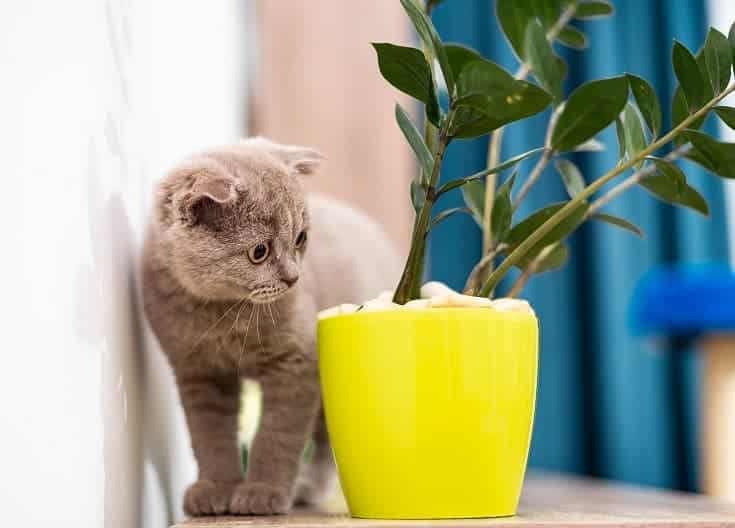
Most of us love the look of live houseplants and gorgeous, colorful gardens. However, many of these plants can pose an unexpected threat if we also own curious pets.

Plenty of houseplants are toxic to cats, including some types of Jasmine. True Jasmine covers a wide variety of plants. Some are toxic to cats, and some aren’t, so it’s vital to know the difference before including one in your décor or garden.

divider 3 paws

Types of Jasmine

Numerous plants are often referred to as Jasmine. According to the USDA Natural Resources Conservation Service, true Jasmine has 12 separate species in the Jasminum genus.

A variety of other plants may be called “Jasmine” as a common name or a misnomer. This includes Star Jasmine and Carolina Jessamine.

Many types of Jasmine are popular for ornamental use. But if you want to include these in your home or garden, discerning whether they’re toxic to cats is a bit more challenging. The toxicity of Jasmine depends on whether the plant is true Jasmine or belongs to the genus of Jasmine plants.

According to the ASPCA, true Jasmine isn’t toxic to cats. In fact, its poison control website lists the various species in the Jasminum genus, and they’re all considered non-toxic to pets. Star Jasmine, a spring-blooming ornamental native to China that resembles Jasmine, is also non-toxic to pets.

jasmine flowers up close
Image Credit: Geraldine Dukes, Unsplash

Jessamine Toxicity

Carolina Jessamine, known as “false Jasmine,” is a native US plant often referred to as Jasmine, though it’s not in the same genus. All parts of the Jessamine plant contain hazardous neurotoxins like alkaloids, gelsemine, and sempervirens.

If a cat consumes Jessamine flowers, stems, leaves, or roots, it can lead to symptoms like paralysis, decreased respiratory rate, weakness, hypothermia, difficulty swallowing, vision problems, seizures, or death.

wet jasmine flowers
Photo Credit: Dagmara Dombrovska, Unsplash

Other Plants Commonly Called Jasmine

Besides Jessamine, Jasmine may be used to refer to:

  • Brazilian Jasmine is an ornamental plant grown indoors and outdoors. This plant isn’t toxic to cats, but it can cause digestive upset if consumed in large quantities.
  • Chilean Jasmine is an ornamental plant in temperate regions. This plant is non-toxic to cats but may cause digestive upset if ingested in large quantities.
  • Madagascar Jasmine is a house and garden plant with pure white flowers. This plant is non-toxic to cats and other pets.
  • Night-Flowering Jasmine is an outdoor garden plant, not to be confused with Night-Blooming Jessamine. This plant is non-toxic to cats and other pets.
  • Cape Jasmine is a garden plant in subtropical and tropical areas. The fruits are often used as yellow dye for food and clothing. This plant is toxic to cats, because it contains hasgeniposides and gardenosides that lead to severe digestive upset.
  • Red Jasmine is a garden tree or plant that’s toxic to cats. It contains poisonous alkaloids that lead to diarrhea, vomiting, and excessive salivation.
  • Night-Blooming Jessamine is a subtropical ornamental plant with strongly scented flowers. All parts of the plants, including the berries and flowers, are toxic to both humans and other mammals like cats. Affected animals suffer from severe diarrhea, vomiting, weakness, lethargy, and confusion.
  • Crape Jasmine is a houseplant with attractive foliage and flowers. This plant is toxic to cats because of its indole alkaloids that lead to heart damage, paralysis, and delirium.

If you’re concerned about your pet’s well-being, we recommend consulting a veterinarian.

If you need to speak with a vet but can't get to one, head over to PangoVet. It's an online service where you can talk to a vet online and get the advice you need for your pet — all at an affordable price!

Preventative wellness PGV mention keep cat healthy Preventative wellness PGV mention keep cat healthy mobile

divider 3 paws

Conclusion

True Jasmine is safe and non-toxic for cats and other pets, but the confusion comes in the wide variety of plants that are mistakenly categorized as Jasmine. It’s important to be mindful of the plants you cultivate in your home or garden where your pets can access them. If you suspect your cat ingested a toxic plant, Jasmine or otherwise, call your veterinarian as soon as possible.


Featured Image Credit: Alexas_Fotos, Pixabay

Want content like this delivered to you?

Sign Up For Our Newsletter

News, insights, expert advice, and everything cat

* By submitting, you agree to our Terms & Conditions and Privacy & Cookies Policy.


How useful was this post?

Click on a star to rate (you can leave written feedback after clicking submit)

Help us improve Catster for pet parents!

Your feedback really matters.

What did you like about this post? Also how can we improve it?

Join the conversation

Leave a Reply

You’re very welcome to leave a comment or question. Please know that all comments must meet our community guidelines, and your email address will NOT be published. Let’s have a positive and constructive conversation.


Catster's Digital Magazine is Back!

Vet-approved health & behavior advice

Real cat stories & community features

Chatting About the Rainbow Bridge, Euthanasia, and Laughter During Grief | Chatty Cattys, Episode 24

If you’ve ever felt the loss of a beloved cat, or are dreading the day when your pet crosses the rainbow bridge, you’ll...

The Simple Reasons Cats Refuse to Let Anyone Use the Bathroom Alone

Cats have an extraordinary talent for making themselves present in the most inconvenient places, and the bathroom ranks near the top of the...

A Paw-sitive Milestone: Canada Officially Becomes a Declaw-Free Nation

Canada has officially become a declaw-free nation. On May 25, 2026, a new regulation was filed in Ontario under the Provincial Animal Welfare...

The Surprisingly Simple Ways to Help a Cat With Hairballs

Cats spend an astonishing amount of time grooming. It is part hygiene routine, part comfort ritual, and part instinct that traces back generations....

More related

Zen Clipper Cat Nail Trimmer (2026 Review)

Review Summary Nail trimming is an essential part of cat ownership to keep your kitty’s nails in tip-top shape while also protecting your...

Maine Coon Kittens for Sale in Pennsylvania: Breeders List 2026

Catster advocates for adopting before shopping, though we fully understand there are many reasons for seeking a breeder. So, we encourage it to...

Maine Coon vs. Ragdoll: The Differences (With Pictures)

Maine Coons and Ragdolls share several similarities; they’re extremely large kitties with gorgeous thick coats. Maine Coons have long coats, and Ragdolls sport...

Can Cats Eat Goldfish? Vet-Reviewed Risks & Precautions

Cats are popular pets that are obligate carnivores, meaning they need nutrients found in animal protein to survive. They also happen to be...

Keep reading

How Long Does It Take for a Cat to Digest Food? Vet-Verified Digestive Anatomy & Physiology

Many pet cat owners love watching their cat feasting on their favorite food, grooming themselves, and then going on to do adorable “cat things”. Meal times also offer pet owners a very interesting way to bond with their pets, feeding...

Cat eating wet food from white bowl on wooden floor

Why Does My Cat Carry Around a Toy and Meow? Cat Behavior Explained (Vet-Reviewed)

If you have a cat who likes to carry around their toy and meow, you are probably wondering what’s up with this strange behavior. Cats can do curious things, and this might be one of them! Should you shrug it...

Ginger kitten with white chest

Can Cats Eat Sardines? Health Benefits & FAQ

Does your cat come running after the sound of a cracking can of sardines? Most felines are attracted to these tiny fish and will likely commit the sound of an opening can to memory. As you try to enjoy your...

Can Cats Eat Sardines

Can a Cat Detect Seizures? – Anecdotal Reports and Scientific Facts in Perspective

Most people know that certain dogs qualify as service animals under the Americans with Disabilities Act (ADA). Dogs have the ability to detect seizures in humans before they happen, or respond once they begin, and these dogs are known as...

Domestic cat lying on owner's lap

10 Best Ear Mite Treatment for Cats in 2026 – Reviews & Top Picks

If you’re watching your cat scratching their ears obsessively and continuously shaking their head, they might have ear mites. While they aren’t terribly serious, complications can arise if left untreated. The first thing you need to do is take your...

grayish cat's owner cleaning its ears_Te9I_shutterstock

Are My Cats Playing or Fighting? 6 Vet-Reviewed Ways to Tell the Difference

Cats love to wrestle and play, but they also fight. Even if you have two litter siblings that have lived together their whole lives without any problems, there is a chance that something can change. One might get carried away,...

cats in grass

How to Cool a Cat Down Fast: 10 Vet-Verified Ways to Avoid Heat Stroke

This article has been reviewed by a qualified veterinarian using information available at the time of review. The knowledge of feline medicine is continually evolving. This article is not intended to replace consultation with a veterinarian for your specific pet....

Gray persian cat is licking ice to cool off

Dwarfism in Cats: Causes & Care Tips (Vet-Verified)

Different cat breeds are predisposed to certain genetic conditions, and knowing which conditions your cat may be prone to can help you prepare preventative care for your pet. While not all genetic conditions are easily observed, some are much more...

munchkin-kitten-sitting

Love Cats? So Do We! Join the Catster Community

Stay informed with expert pet care insights delivered straight to your inbox! Discover professional guidance on animal behavior, feeding tips, trusted product picks, and much more.


Sign up for the Catster Email Newsletter

Stay informed with expert pet care insights delivered straight to your inbox! Discover professional guidance on animal behavior, feeding tips, trusted product picks, and much more.