Get

In Your Inbox

Catster is reader-supported. When you buy via links on our site, we may earn an affiliate commission at no cost to you. Learn more.

Are Cast Iron Plants Toxic To Cats? Vet-Reviewed Houseplants Examined


Share

Catster_Are Cast Iron Plants Toxic to Cats

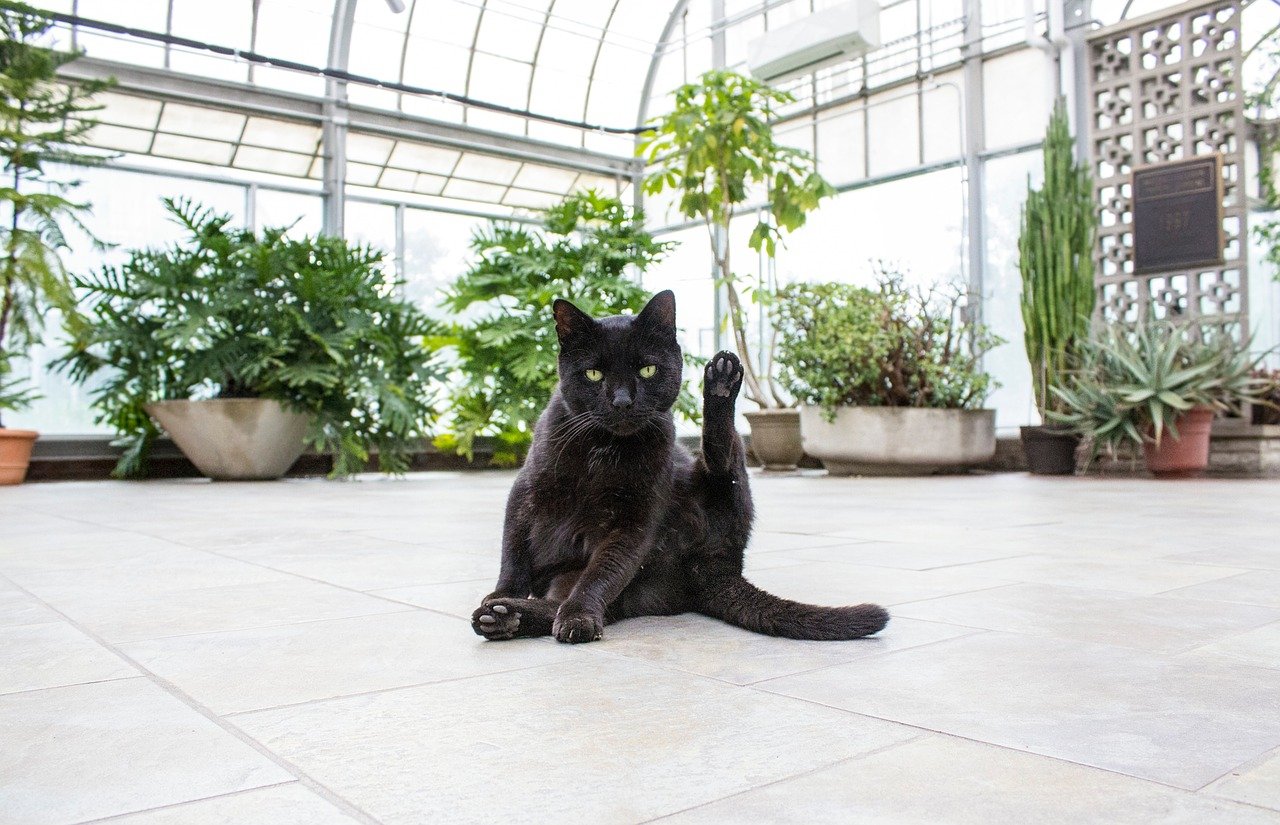
If you have a green thumb and a cat obsession, you know that your two great loves don’t always coexist seamlessly. Not all flowers and plants are safe for cats, so caution is required any time you add to your collection of greenery. However, you have safe options, such as the cast iron plant, which is non-toxic to cats.

In this article, we’ll tell you a little about the cast iron plant and why it is safe for cats. We’ll also mention a few precautions you should take with non-toxic plants to minimize any potential dangers to your kitty. Finally, we’ll suggest some other safe plants and flowers you can grow, plus a few that should be avoided entirely.

divider 2 cats

All About the Cast Iron Plant

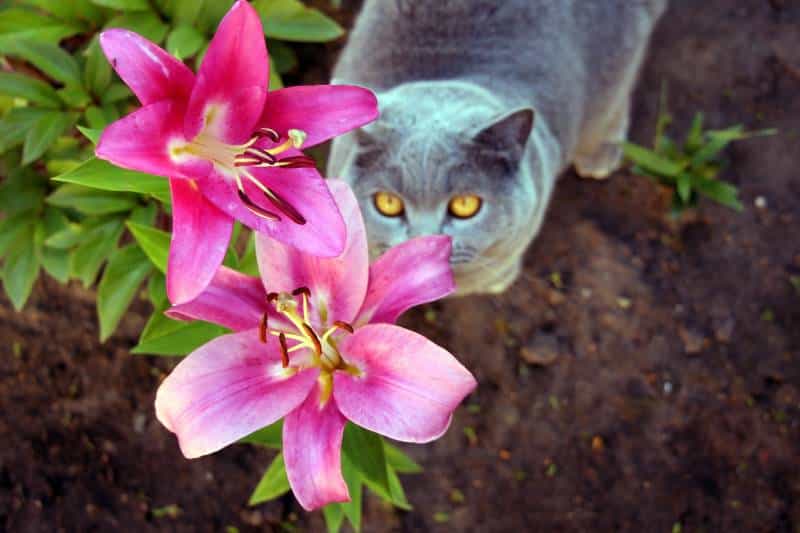
The cast iron plant, Aspidistra elatior, also known as the iron plant and bar room plant, is a slow-growing evergreen native to Japan and China. You might be surprised to learn that this plant is a member of the Lily family, most species of which may be deadly to cats if eaten. According to the ASPCA, however, the cast iron plant is non-toxic to cats, dogs, and horses.

Cast iron plants can be grown outdoors, where they produce dark green, pointed leaves up to 2 feet high. They are also popular houseplants because they are extremely tough and forgiving, even for the most inexperienced plant enthusiasts. Cast iron plants come in two additional varieties (also non-toxic), one with striped leaves and one with spotted leaves.

Cast iron plant in the wild
Photo Credit: leoleobobeo, Pixabay

Precautions to Take Even With Safe Plants

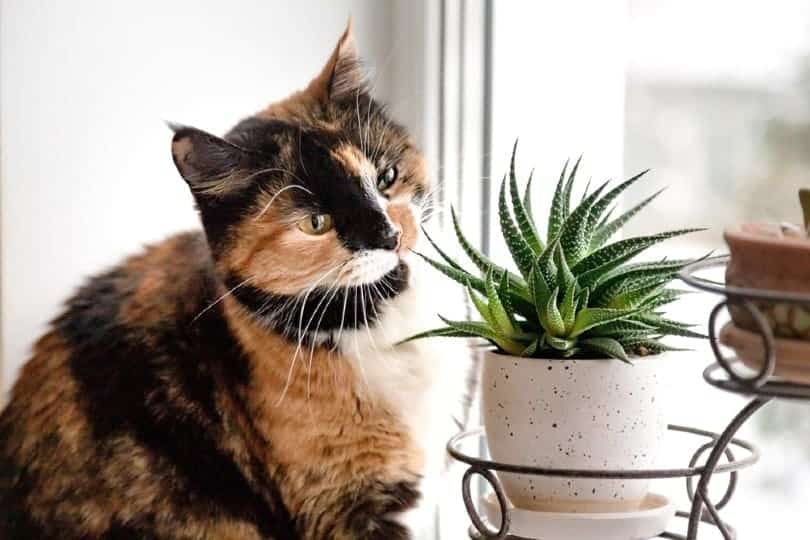
Even though the cast iron plant is non-toxic, ingesting any type of vegetation could upset your cat’s stomach. The cat’s digestive system isn’t set up to process plant material, which could lead to vomiting and diarrhea if your kitty snacks on your cast iron plant.

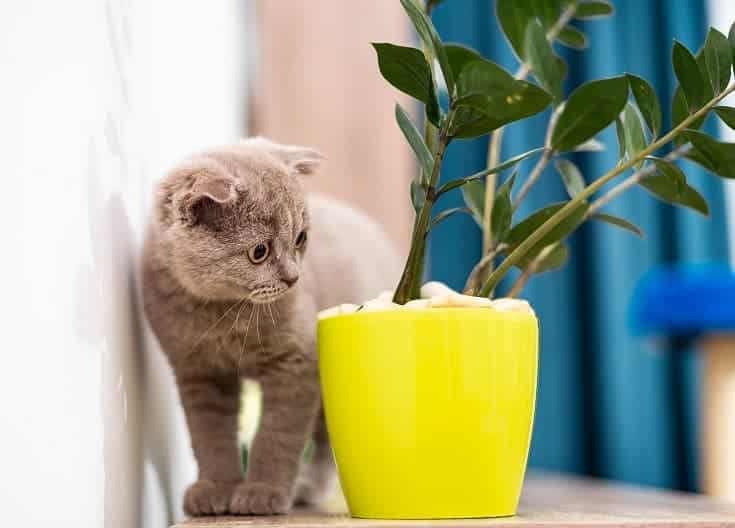
Curious cats could also knock over an indoor cast iron plant, potentially shattering its glass or ceramic pot into dangerous shards. Many fertilizers and insecticides are toxic to cats, so double-check labels before using these products.

Your cast iron plant could also be damaged by your cat chewing, scratching, or digging in its soil. For the safety of both, try to discourage your kitty from bothering the plant. If your cat is a known plant destroyer, consider placing the cast iron plant out of reach or in a room the cat isn’t allowed.

Other Safe Plants to Grow (And Some to Avoid!)

If you want to expand your plant family beyond the cast iron plant by adding a flowering variety, you’ll have several options to choose from. Here are some other safe plants and flowers to consider:

  • Roses
  • Orchids
  • Boston fern
  • Most herbs (basil, rosemary, etc.)
  • Sunflowers
  • Spider plant
  • Bamboo
  • Friendship plant

We already mentioned that most other members of the lily family are toxic and should not be kept around cats. Here are some other plants that are poisonous to your cat:

  • Daffodils
  • Hyacinth
  • Azalea
  • Mums
  • English ivy
  • Tulips
  • Sago palm

If you are ever concerned that your cat may have eaten a toxic plant, call your veterinarian right away. Try to bring a sample of the offending item with you to the hospital so the vet can confirm what your cat ate and provide the best treatment options.
You can also consult a vet online if you need quick and easy access to an expert’s opinion.

If you need to speak with a vet but can't get to one, head over to PangoVet. It's an online service where you can talk to a vet online and get the advice you need for your pet — all at an affordable price!

Preventative wellness PGV mention keep cat healthy Preventative wellness PGV mention keep cat healthy mobile

divider 2 cats

Conclusion

Owning cats and growing houseplants can be wonderful mood-lifters, and the plants can help keep the air in your house cleaner. The cast iron plant is one of many options that are non-toxic to cats and safe, with a few precautions, as we mentioned. If you aren’t sure whether a plant or flower is safe for your cat, talk to your vet before bringing it into your home or consult the ASPCA’s list of toxic plants.


Featured Image Credit By: Endah Kurnia P, Shutterstock

Want content like this delivered to you?

Sign Up For Our Newsletter

News, insights, expert advice, and everything cat

* By submitting, you agree to our Terms & Conditions and Privacy & Cookies Policy.


How useful was this post?

Click on a star to rate (you can leave written feedback after clicking submit)

Help us improve Catster for pet parents!

Your feedback really matters.

What did you like about this post? Also how can we improve it?

Join the conversation

Leave a Reply

You’re very welcome to leave a comment or question. Please know that all comments must meet our community guidelines, and your email address will NOT be published. Let’s have a positive and constructive conversation.


Catster's Digital Magazine is Back!

Vet-approved health & behavior advice

Real cat stories & community features

Chatting About the Rainbow Bridge, Euthanasia, and Laughter During Grief | Chatty Cattys, Episode 24

If you’ve ever felt the loss of a beloved cat, or are dreading the day when your pet crosses the rainbow bridge, you’ll...

The Simple Reasons Cats Refuse to Let Anyone Use the Bathroom Alone

Cats have an extraordinary talent for making themselves present in the most inconvenient places, and the bathroom ranks near the top of the...

A Paw-sitive Milestone: Canada Officially Becomes a Declaw-Free Nation

Canada has officially become a declaw-free nation. On May 25, 2026, a new regulation was filed in Ontario under the Provincial Animal Welfare...

The Surprisingly Simple Ways to Help a Cat With Hairballs

Cats spend an astonishing amount of time grooming. It is part hygiene routine, part comfort ritual, and part instinct that traces back generations....

More related

Cats and Countertops: What Olga Gets Away With

Hi, I’m Christopher! Read my introduction to learn more about me and my silly Russian Blue cat, Olga. Due to their climbing and...

Do All Cats Hate Water? Vet-Verified Info & Bathing Tips

Lots of dogs love jumping into ponds, swimming pools, or the ocean. But would a cat even take the plunge and dip their...

Why Does My Cat Have Diarrhea All of a Sudden? 6 Vet-Reviewed Reasons

When you’re a cat parent, you know that there will be one or two icky messes to clean up. Occasionally, these messes are...

How to Stop a Cat From Climbing a Christmas Tree: 6 Vet-Reviewed Safety Tips

Christmas is a time to decorate your home with decorations to get you in the holiday spirit. One such decoration that is found...

Keep reading

How to Tell if a Mother Cat Has Abandoned Her Kittens: Vet-Reviewed Facts & FAQ

Although it doesn’t happen too often, after giving birth, a mother cat may refuse to care for a particular kitten in her litter, whether it’s because she thinks they’re sick or weak or due to another reason. She may even...

abandoned newborn kittens

Neutered vs. Unneutered Male Cats: Vet-Verified Differences Explained

When you have a male kitten, you must make an important decision about whether to get him neutered or not. It can be helpful to know the differences between neutered and unneutered males. There are significant behavioral differences, as well...

A fluffy cat on a hardwood floor.

Why Is My Cat Peeing Outside the Litter Box? 7 Possible Vet-Approved Reasons

Cat pee is not a pleasant odor, even when it’s safely contained in a litter box. However, when a cat starts urinating in inappropriate locations, the situation escalates. Inappropriate urination is a common reason that cats are surrendered to animal...

orange cat beside litter box

Cat Asthma: Vet Reviewed Signs, Life Expectancy, & Treatment

Asthma isn’t just a human disease; it can affect our pets too. In fact, it affects between 1% and 5% of cats. It’s a chronic but treatable breathing condition that causes inflammation and reactive constriction of the airways. While it’s...

tabby cat sneezing

Is Your Cat Constipated? 12 Simple Remedies Vets Recommend Trying at Home

Few things worry cat parents more than when their kitty can’t go. Constipation is one of the most common digestive issues cats face — and one of the most uncomfortable. While some cases are mild and manageable at home, others...

cat outside the litter box

Can a Flea Collar Make a Cat Sick? Vet-Reviewed Risks & Considerations

Flea collars can seem quite convenient, but many of them do not work well. For one thing, some do not have proven ingredients that will keep fleas away, so the results may vary. There are also safety concerns. Flea collars...

kitten wearing green flea collar

Do Cats Fart? Vet Reviewed Causes, Treatment & Prevention

We all want our pets to be happy and healthy. Cats don’t show illness until they are very unwell because it makes them vulnerable to predation. Instead, they hide it to keep themselves safe and under the radar of predators...

Ginger cat raising its butt

Can A Cat And A Newborn Interact Safely? How to Prepare & Safety Risks

If you have a cat and are expecting a baby, you might wonder whether it’s safe for your pet and your newborn to spend time together. While brief, gentle interactions can be safe, they should always be closely supervised. It’s...

Brown cat kissing a Caucasian newborn baby

Love Cats? So Do We! Join the Catster Community

Stay informed with expert pet care insights delivered straight to your inbox! Discover professional guidance on animal behavior, feeding tips, trusted product picks, and much more.


Sign up for the Catster Email Newsletter

Stay informed with expert pet care insights delivered straight to your inbox! Discover professional guidance on animal behavior, feeding tips, trusted product picks, and much more.