Are Flea Collars Safe for Cats? Vet-Verified Facts & Alternatives


In this article
Whether yours is an indoor cat or an outdoor cat, fleas are a constant and potential health hazard. An outdoor cat may be exposed to fleas every time they step outside. However, if you think your indoor cat is protected from fleas, think again. There are multiple ways that fleas can get in your house and on your indoor cat.
This problem with fleas leads to a question many cat owners eventually ask: Are flea collars safe for cats? Unfortunately, when it comes to flea collars for cats, the answer is no, they are not considered safe for cats for several reasons. Read on to discover those reasons and other valuable information, tips, and hacks that can help you keep your cat flea-free.

What’s the Problem With Flea Collars for Cats?
You're not alone if you're wondering why flea collars aren't safe for cats. The truth is that flea collars are an incredibly popular device used by hundreds of thousands of pet owners across the United States. You would think such a popular product would be 100% safe for cats, but unfortunately, that's not correct.
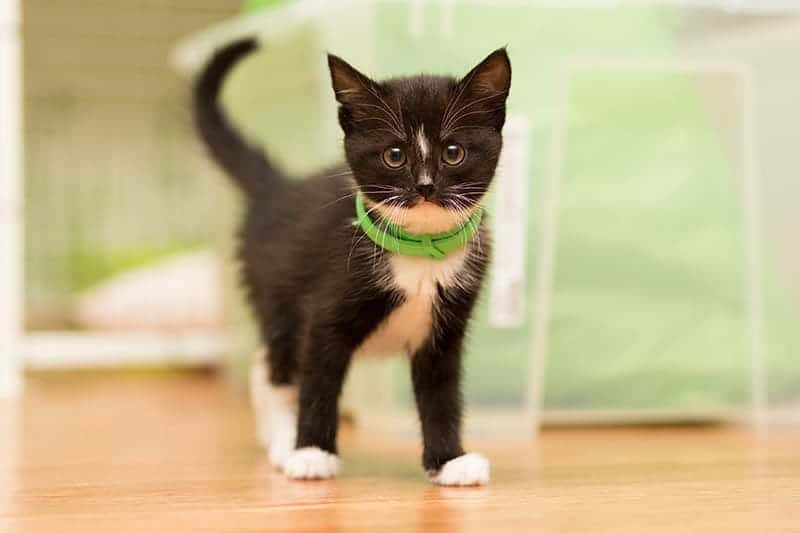
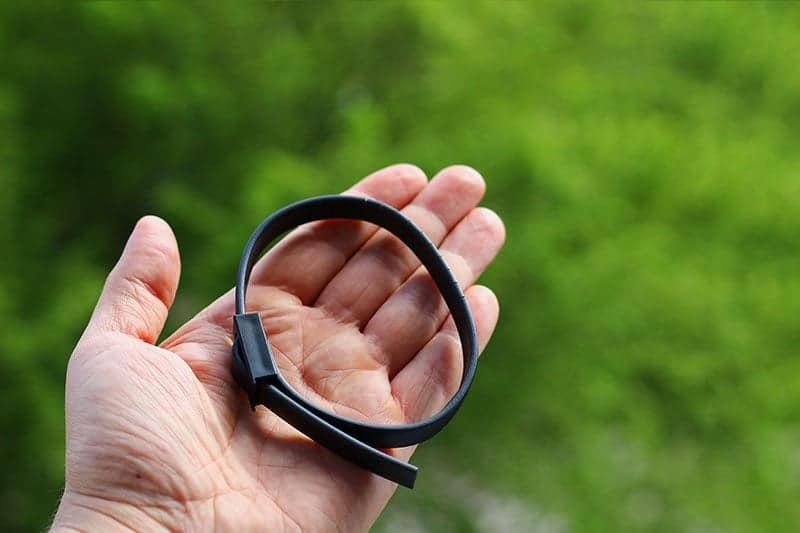
Flea collars work by transferring a potent chemical to your cat’s skin that kills or repels fleas. The problem is that the chemicals may be toxic to cats, other pets, and people. This is especially true of flea collars made for dogs. Some dog flea collars can be especially toxic to cats and should never be used on a cat or when one is around.
Not only can the chemicals contained in flea collars cause irritation of your cat’s skin, they can also be absorbed where they can cause further damage, which can lead to vomiting, diarrhea, muscle tremors, and more. If your pet ingests the chemicals, the effects can be even more severe.
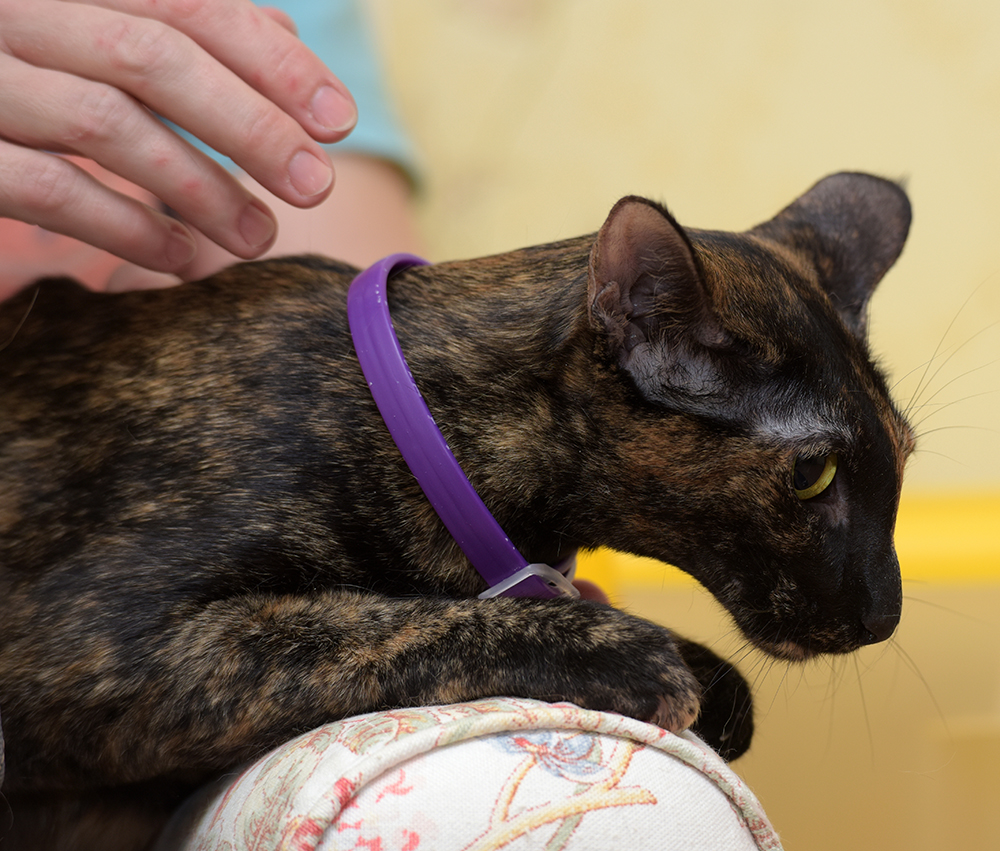
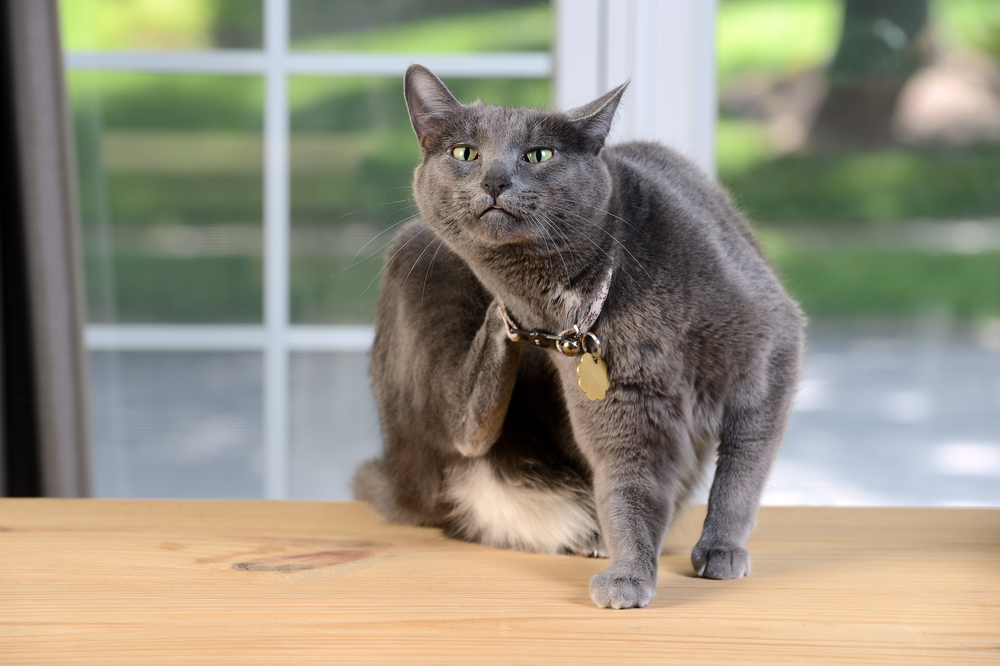
Not only that, wearing a collar can put your cat in danger, especially if it’s not a safety collar or if it’s ill-fitting. Collars can snag or get hung up on things, potentially causing strangulation.

Flea Collars Are Harmful to Humans Too
One of the reasons there’s a growing number of veterinarians who recommend against using flea collars on your cat is that they aren’t just harmful to cats but also to humans. This study, for example, found that flea collars cause “serious health consequences to humans.”
The study stated that some of the chemicals used in flea collars exceed acceptable levels and stay on your cat for weeks. That exposes you, your family, and others to these chemicals whenever they touch your cat. That’s bad for adults, but for children it is even worse.
Studies have linked the chemicals in cat flea collars to learning disabilities, behavioral issues, and other severe childhood health problems. These studies have also found that the chemicals in cat flea collars can affect a child still in the womb if their mother comes into contact with a flea collar.
How Do Fleas Affect Cats?
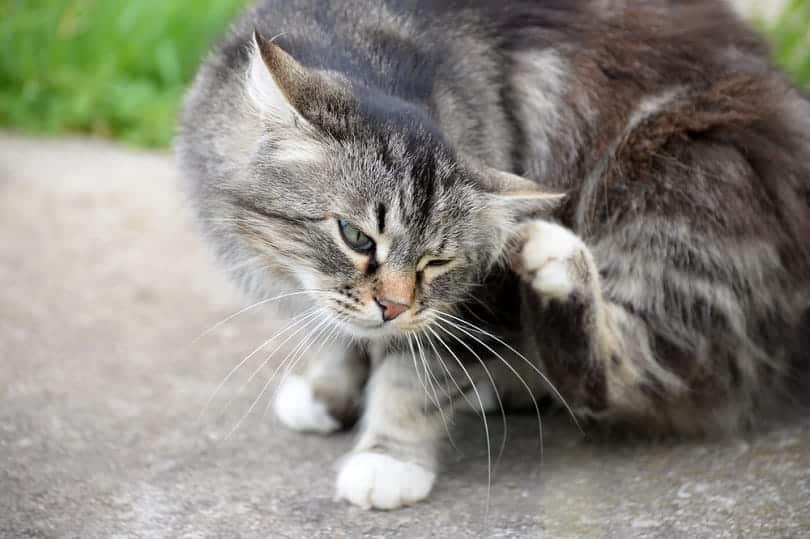
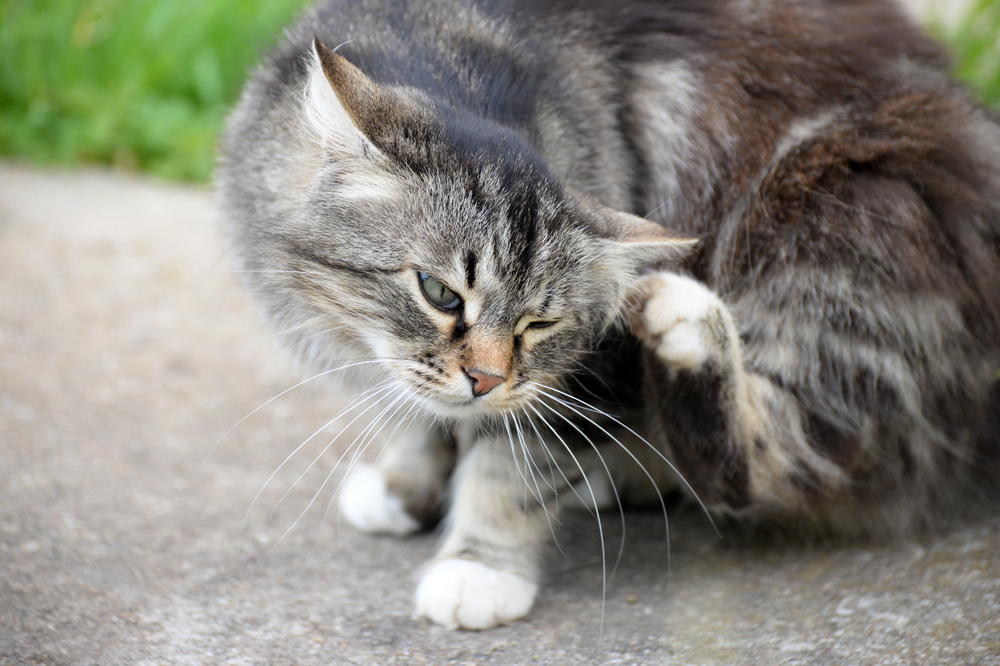
Fleas are a type of parasite that feeds on your cat's blood. To do that, they need to bite into their skin. Flea bites, especially when there are multiple fleas, can cause your cat to itch intensely, which can be very uncomfortable.
All of that itching can lead to hair loss or open wounds which can become infected. As if that wasn’t bad enough, fleas can also carry and transmit diseases that can harm you, your cat, and your family.
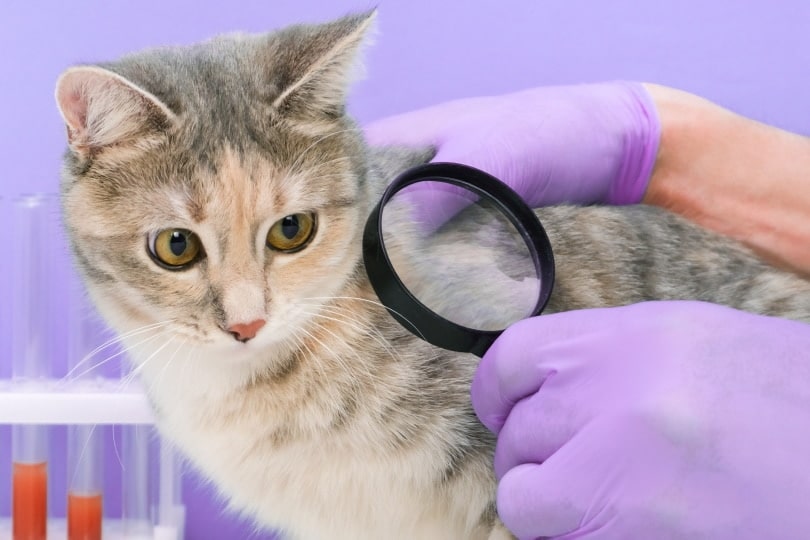
One last problem with fleas (as if there weren't enough already) is that it's not always obvious when your cat has fleas. That’s because fleas are incredibly tiny and can easily hide in your cat's fur. You might not even know your cat has a flea problem until they (or you) start suffering and your home is infested.

Where Do Outdoor Cats Get Fleas?
Fleas are practically everywhere outside your home and hide in moist and shady areas of your yard, including leaf piles, shrubs, grass, and bushes. All your cat has to do is brush against an area where there are fleas, and the fleas, who are incredible jumpers, will hitch a ride and start feeding on your cat.
Compounding the problem is that while adult fleas typically stay on a live, warm cat, their eggs are specially designed to survive without a warm body. When a flea lays its eggs, the eggs fall off your cat and land wherever they happen to be. Then, the eggs will hatch, and the next warm-blooded animal that walks by will be the baby flea’s first meal ticket.
Another place where an outdoor cat can come into contact with fleas is when they get close to another infested animal, including other cats, dogs, squirrels, rabbits, chipmunks, and more. If your outdoor cat kills a small animal, they can get fleas. The fleas will abandon a dead animal like rats leaving a sinking ship because they need fresh blood to survive.
Where Do Indoor Cats Get Fleas?
As we mentioned earlier, indoor cats can get fleas almost as quickly as outdoor cats. For example, if you have multiple pets in your home and one or more are allowed to go outside, they can bring fleas back inside with them. Those fleas can then jump onto your indoor cat as soon as they encounter them.
Lastly, and this might chill your bones a little, fleas can hitch a ride into your home on your clothes and, once inside, will switch to your cat. Amazingly, an adult female flea lays up to 50 eggs per day. That means all you need is one or two fleas in your home, and the next thing you know, you have an infestation on your hands (and on your poor cat’s body).

Top 5 Alternatives to a Flea Collar to Protect Your Cat
One of the biggest puzzles with flea collars for cats is that, on the surface, they seem to do a good job. Also, while most cat parents would never want to use something that harms their cat, many believe there are few alternatives to keeping fleas at bay. The good news is that there are several methods you can use to prevent your cat from getting fleas and, if they get them, other methods to get rid of those fleas quickly.
1. Regular Combing
Combing is a surprisingly effective method of keeping fleas from proliferating on your cat. You should comb them regularly, at least twice a week. Experts advise having a container with soapy water nearby when you comb your cat so that if you remove any fleas, you can dunk them immediately in the soapy water and kill them.

2. Regular Baths
As most cat parents can attest, cats do not like baths, but they’re a fantastic way to prevent fleas from proliferating on their fur. The reason why is simple: Soapy water kills adult fleas. If yours is an outdoor cat, bathing them once every 10 days is a good suggestion. For indoor cats, a bi-monthly bath should suffice. Also, remember that you don’t need a special “flea shampoo” to kill fleas. Like we said, good old soapy water will do just fine. Just make sure you’re not overdoing it with bathing and drying out your cat’s skin. Talk to your veterinarian if you have any questions about how frequently you should bathe your cat.
3. Wash and Clean Cat Supplies Weekly
Cat supplies are what cats use, including bedding, furniture, throw rugs, etc. Those items should be kept as clean as possible, including washing them in hot, soapy water. If you and your cat are suffering from a flea infestation, you should clean these things every day until the infestation is wiped out. That includes vacuuming items like rugs and furniture, especially between sofa cushions where fleas can hide.

4. Make Your Yard a Flea-Free Zone
It might be challenging to keep your yard free of fleas because they’re so prolific, but there are a few things you can do. The first is to purchase nematodes at your local garden supply store. Nematodes are worms that love eating flea larvae and can keep them under control. You can also consider purchasing diatomaceous earth and spreading it in your garden. However, diatomaceous earth can hurt your cat if they inhale it deeply or get it in their eyes. They probably won’t do that, but you never know. Diatomaceous earth is still better than cat flea collars, though.
5. Ask Your Veterinarian About Oral Flea Treatments
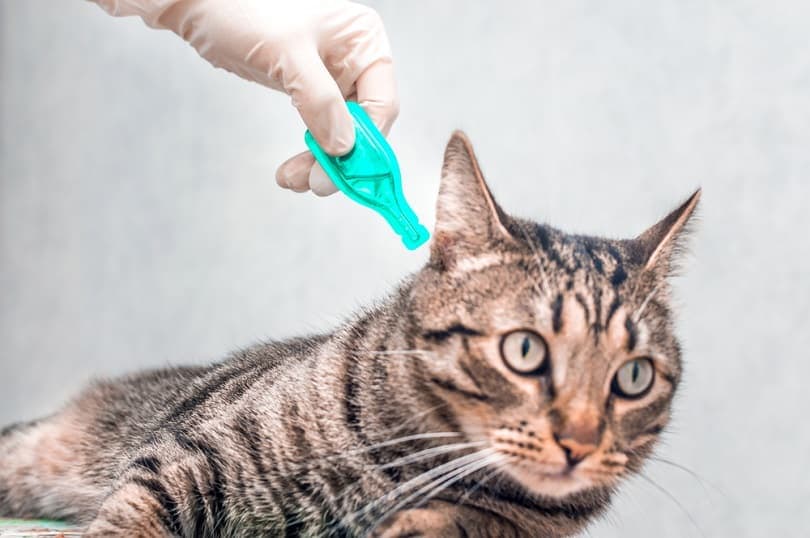
This last method, oral flea prevention treatments, has been shown to work and is much safer for your cats, you, and other family members. However, flea prevention medications are usually expensive since they need to be prescribed by a vet.

Final Thoughts
As we've seen today, flea collars are not safe for cats, humans, and other pets. That's because cat flea collars use incredibly potent chemicals that, while they kill fleas, can also be quite harmful to other organisms and animals. Flea collars can cause various health problems for your cats that are much worse than fleas and can also cause long-lasting health problems for children, even before they’re born.
We hope the information we've shared with you today has been helpful and answered all your questions about the safety of flea collars for cats. If you've been using flea collars with your cats, many veterinarians and cat experts recommend that you stop and use one of the less toxic methods listed above. Whatever you decide, we hope you and your cat stay safe and healthy, and you can keep flea problems to a minimum.
See Also:
Featured Image Credit: AlexanderDubrovsky, Shutterstock

Expert cat care, straight to your inbox
Vet-reviewed advice, behavior tips, and the best of Catster. Free, and you can unsubscribe anytime.
By signing up, you agree to our Terms & Conditions and Privacy & Cookies Policy.
Gregory Iacono former chiropractor and self-taught writer. Greg has experience in a wide variety of subjects including video script. As a man of clinical experience, Greg has the ability to digest a complex subject and make it accessible to the reader. Greg enjoys traveling and spending time with his two daughters and son.
Join the conversation
Ask a question, share your story, or send private feedback.