Why Is My Cat Attacking The Mailman? Possible Reasons & Prevention Tips

In this article
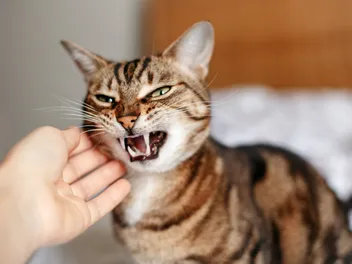
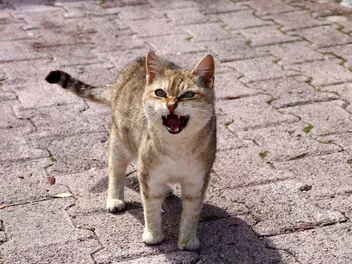
There are several reasons that your cat may decide to attack the mailman. In many cases, cats attack them for the same reasons that dogs do: out of territorial instincts or playful curiosity.
In this article, we go over all the potential reasons that your cat may attack the mailman and provide potential fixes.

The 6 Possible Reasons Cats Attack the Mailman
If your cat is attacking the mailman, it may seem amusing at first. However, cats can do some pretty serious damage, especially if they really go after the mailman.
In order to prevent these attacks from occurring, it’s important to figure out why your cat is going after the mailman to begin with. There are tons of potential reasons.
1. Play
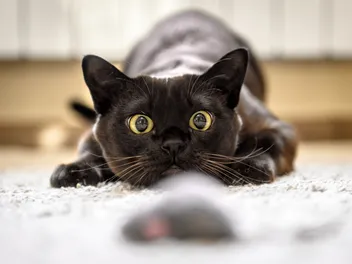
In some cases, your cat may just be trying to play with the mailman. Very young cats are especially prone to this, as they tend to be the most playful. Some younger cats really get into their play, and it can be easy to misconstrue their playfulness as aggression. Often, these cats may stalk and chase the mailman. They will probably recover quickly from the session and often won’t get very “fluffy” or hiss.
2. Territorial

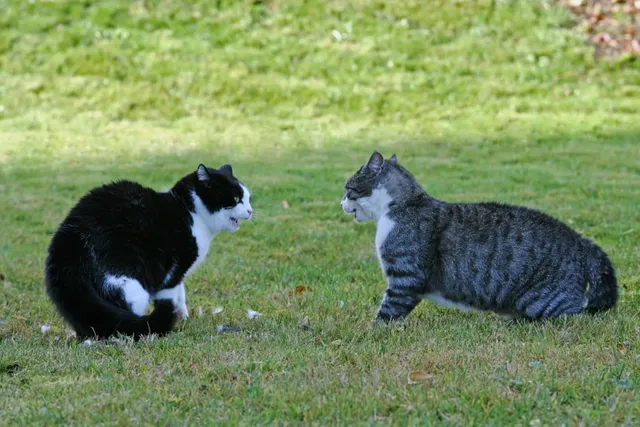
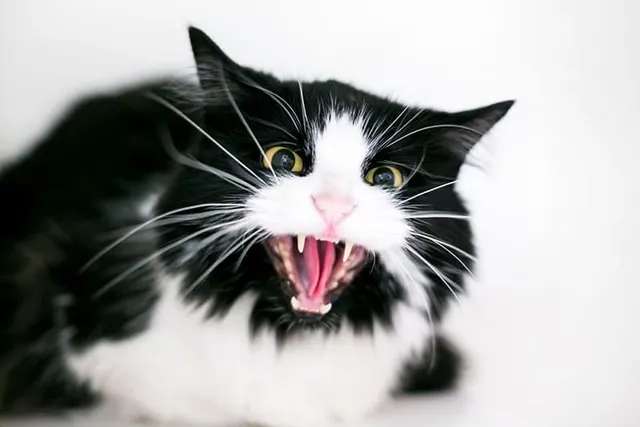
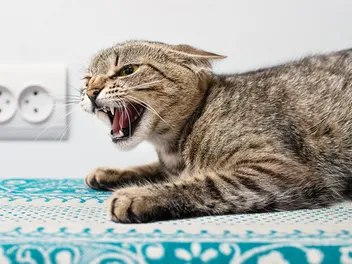
Cats are naturally territorial, though some are more territorial than others. Your cat may see the mailman as an intrusion on their home. For braver cats, this may lead to them chasing the mailman away—or at least attempting to. In many cases, this will involve your cat getting fluffy and hissing.
3. Fear
Sometimes, your cat may be fearful or shy of strangers. If the mailman encroaches too closely on their space, they may turn aggressive. Often, cats will try to escape something scary by running home, which is exactly where the mailman is going. Your mailman doesn’t mean to intrude on your cat’s safe space, but that’s exactly what your cat might think they’re doing!
4. Boredom

If your cat is bored, they may be looking for any possible way they can have some fun—including chasing the mailman. Chasing the mailman can be an exciting way for them to run off some steam and entertain themselves. Often, this will be play-driven, but it can occur in older cars with a higher frequency.
5. Past Negative Experiences
If your cat was scared by the mailman in the past, they may associate the mailman with negative emotions. Some cats react to this by becoming aggressive in an attempt to avoid whatever bad thing happened to them in the past.
6. Medical Issues

Rarely, medical problems can cause strange behaviors, like chasing the mailman. Often, neurological problems are the most common issue that would cause this problem, but hyperthyroidism is another potential illness, too. Of course, the best way to tell if this is the case is to visit your vet.

Stopping the Mailman Attacks
To prevent your cat from attacking the mailman, there are several steps you’ll need to take. The reasons we discussed previously will have a huge impact on exactly what you can do to stop this behavior.
1. Figure Out Why
If you haven’t figured it out already, you need to find out why your cat is attacking and chasing the mailman. Check for specific triggers that cause your cat to attack. Sometimes, these will roll over to other strangers too. Does your cat attack everyone who comes to the front porch? Are they showing other strange behaviors?
Very targeted aggression is likely caused by a bad past experience. However, all-around playfulness may signal that your cat just wants to play with the mailman.

2. Keep Your Cat Inside
Cats do not do as much damage as dogs do. However, your cat still doesn’t need to be attacking the mailman. Therefore, while you work on stopping the attacks altogether, it’s important to keep your cat inside. This step also prevents the behavior from becoming a habit. Some cats may just keep attacking the mailman because they always have, even after you’ve fixed the underlying cause.
Sometimes, just removing your cat from the mailman for a month or more is enough to “reset” their behavior and prevent further attacks, especially when they are younger.
3. Desensitize Your Cat
No matter why your cat is attacking the mailman, desensitization is often called for. This process makes your cat stop seeing the mailman as a threat or something new for them to play with. You can do this by giving your cat treats every time they see the mailman. If you’re home, you can do this by hand. Other times, a treat dispenser placed by the front door or window is a good option.
You can even have a friend dress up as the mailman and come to your door, allowing you to time the treats a bit better.
If your cat gets upset around all strangers, desensitizing them to strangers in general will often make the mailman less scary too.

4. Provide Enrichment
Even if your cat isn’t attacking out of boredom, providing extra enrichment can be helpful. Many cats experience increased anxiety when they don’t get enough enrichment, which can lead to increased playfulness, fear, and territorial behaviors. Wearing your cat out with plenty of toys, playtime, and climbing structures can help limit these poor behaviors.
Some cats are simply more playful or energetic than others, making them require more stimulation than others. Therefore, there isn’t a one-size-fits-all guideline on how much exercise or mental stimulation your cat needs.
5. Consult With Your Vet
In some cases, you may need to consider getting your cat to see your vet. If your cat is showing other weird behaviors or seems suddenly very aggressive, a vet visit is called for. Often, cats are very good at hiding their illnesses. Sometimes, you don’t get any other signs that your cat is ill except for a few strange behaviors.

Conclusion
It isn’t normal or good behavior for your cat to chase the mailman, even if they see it as good behavior in their eyes. Territorial cats need to learn that not everyone is a threat to their home and to allow the mailman to pass through unhindered. It’s your job to teach your cat these correct behaviors.
Start with the “why” first. Often, figuring out why your cat is doing something can help you determine how to fix it. Practically all cats benefit from desensitization and more added playtime in their day.
Featured Image Credit: Pixel-Shot, Shutterstock
Expert cat care, straight to your inbox
News, insights, and useful advice, delivered to you.

No spam — unsubscribe anytime.
By signing up, you agree to our Terms & Conditions and Privacy & Cookies Policy.
How useful was this post?
Click a star to rate. You can leave written feedback afterwards. (We read all feedback.)

Kristin is passionate about helping pet parents create a fulfilling life with their pets by informing them on the latest scientific research and helping them choose the best products for their pets. She currently resides in Tennessee with four dogs, three cats, two fish, and a lizard, though she has dreams of owning chickens one-day!