Male Tortoiseshell Cats: Do They Exist & How Rare Are They? Vet-Approved Facts


In this article
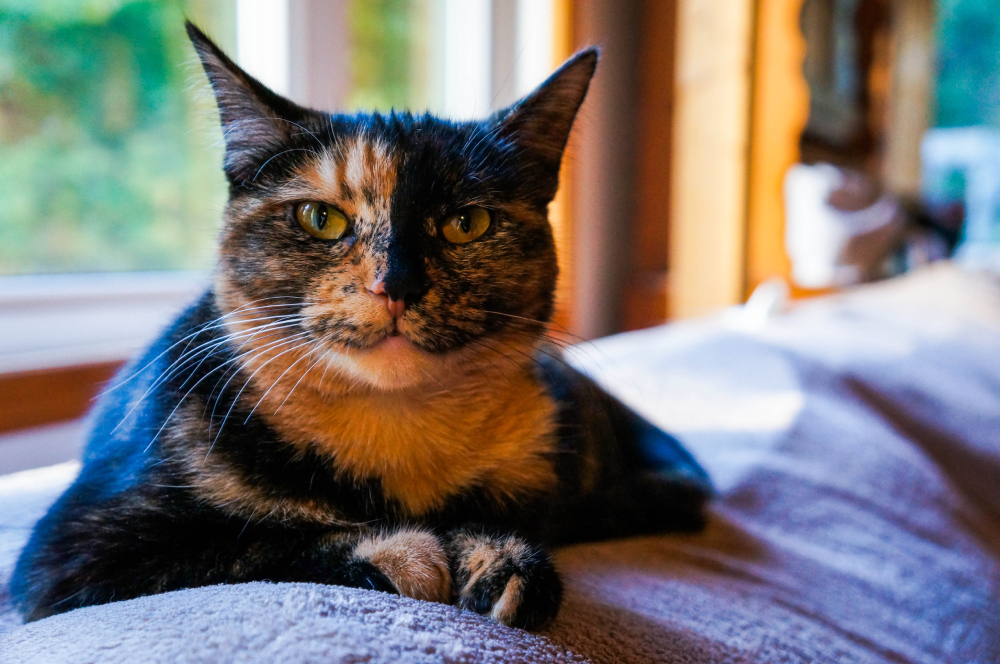
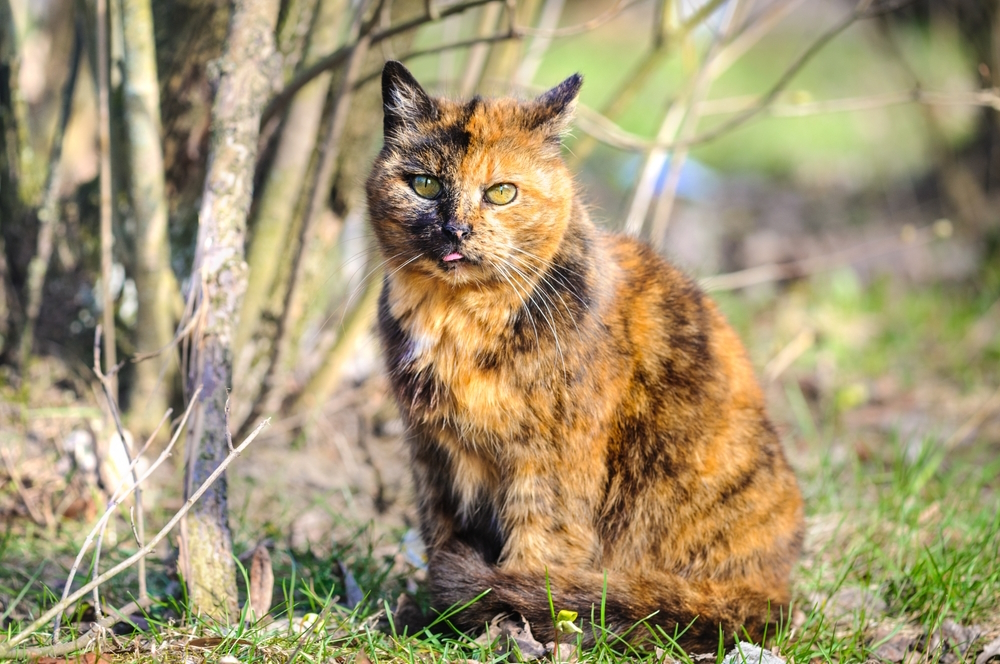
Cats differ from dogs in many ways, but one particularly unique way is that people often associate a particular color with the sex of the feline. Think male orange tabbies and female calicos. Another coat color surfaces in these discussions, though. So, can tortoiseshell cats be male? Observations and anecdotal evidence suggest it isn’t likely. However, just like male calicos, male tortoiseshell cats can exist, although very rarely (about 1 in 3,000 cats).

Genetics and Male Tortoiseshell Cats

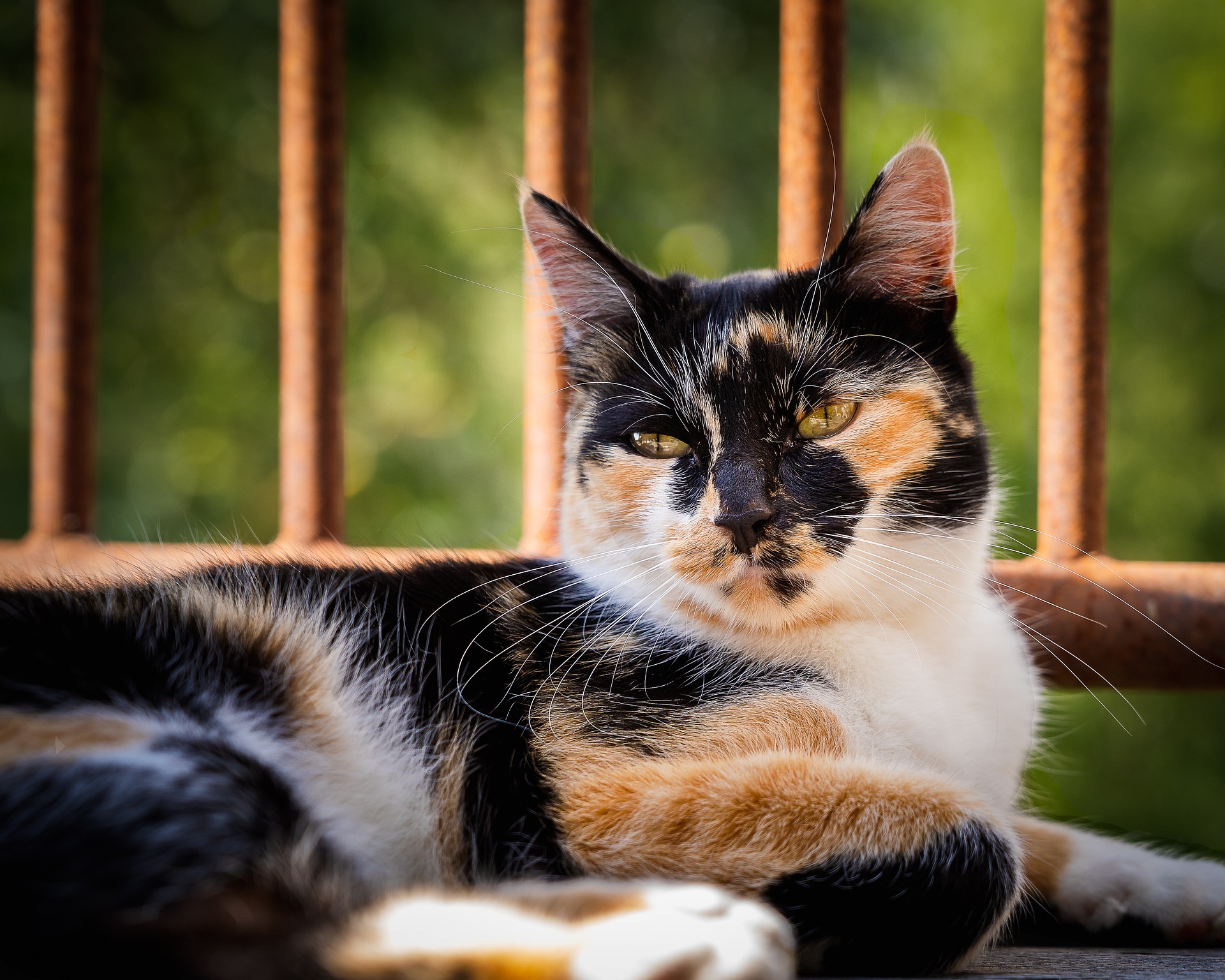
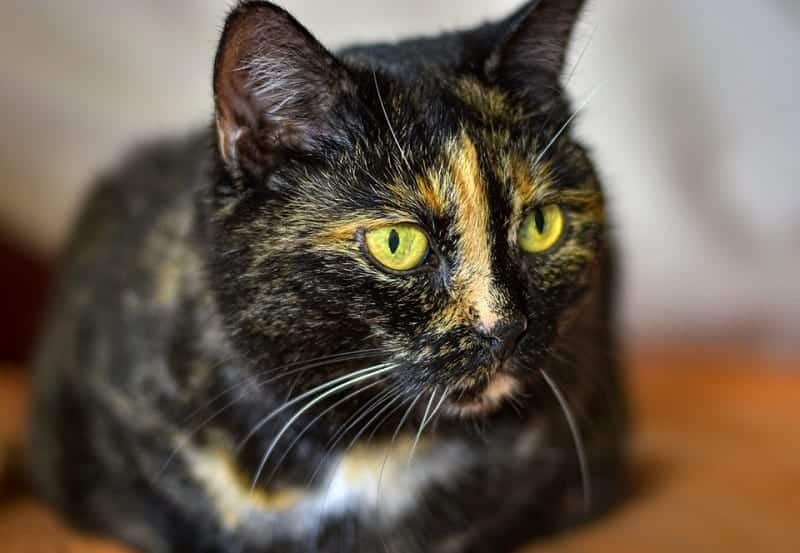
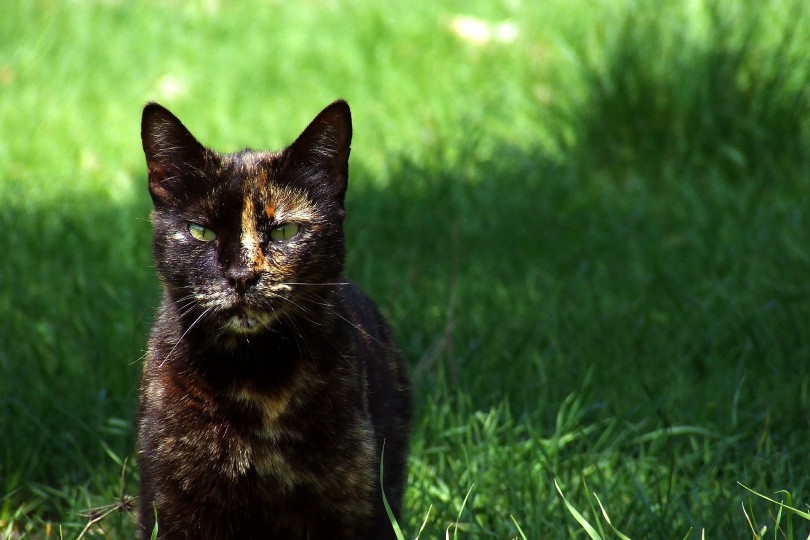
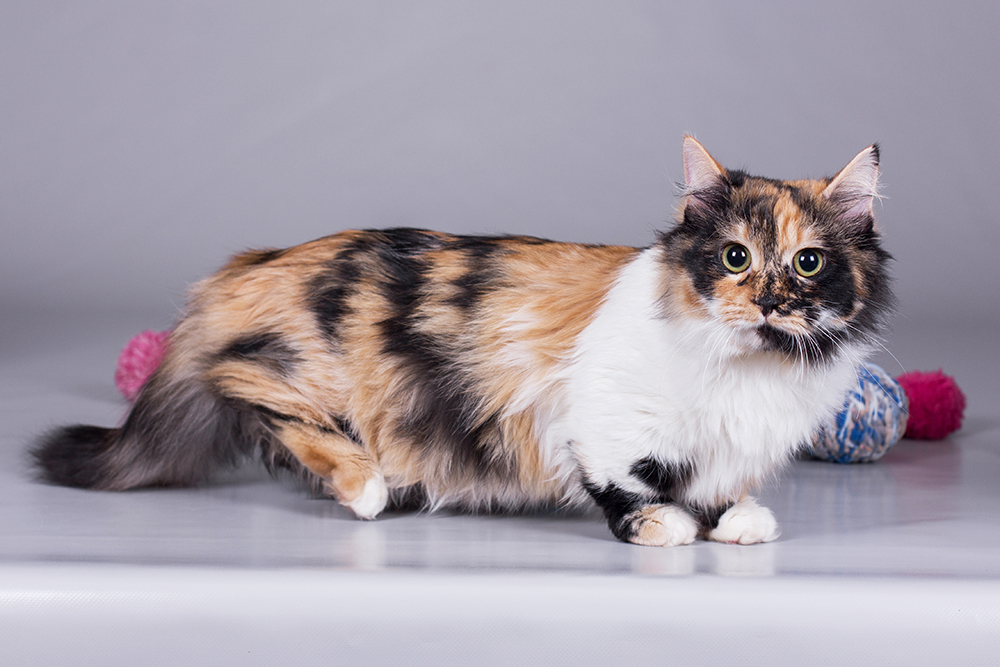
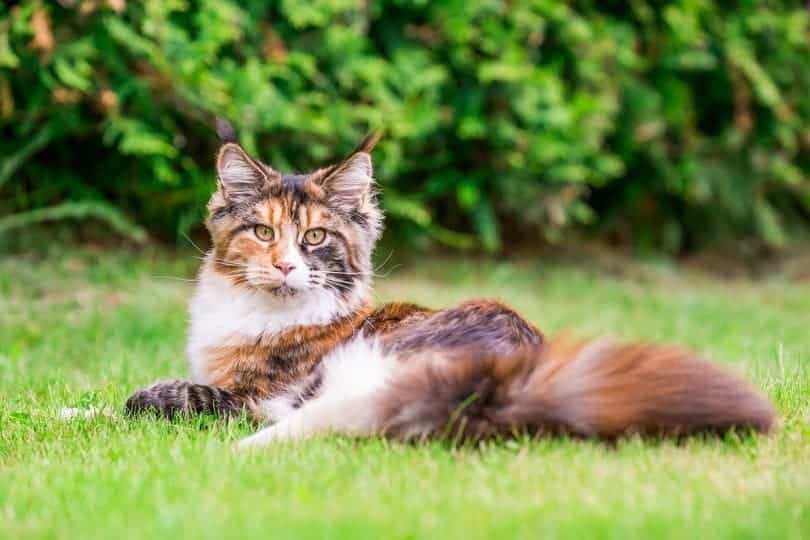
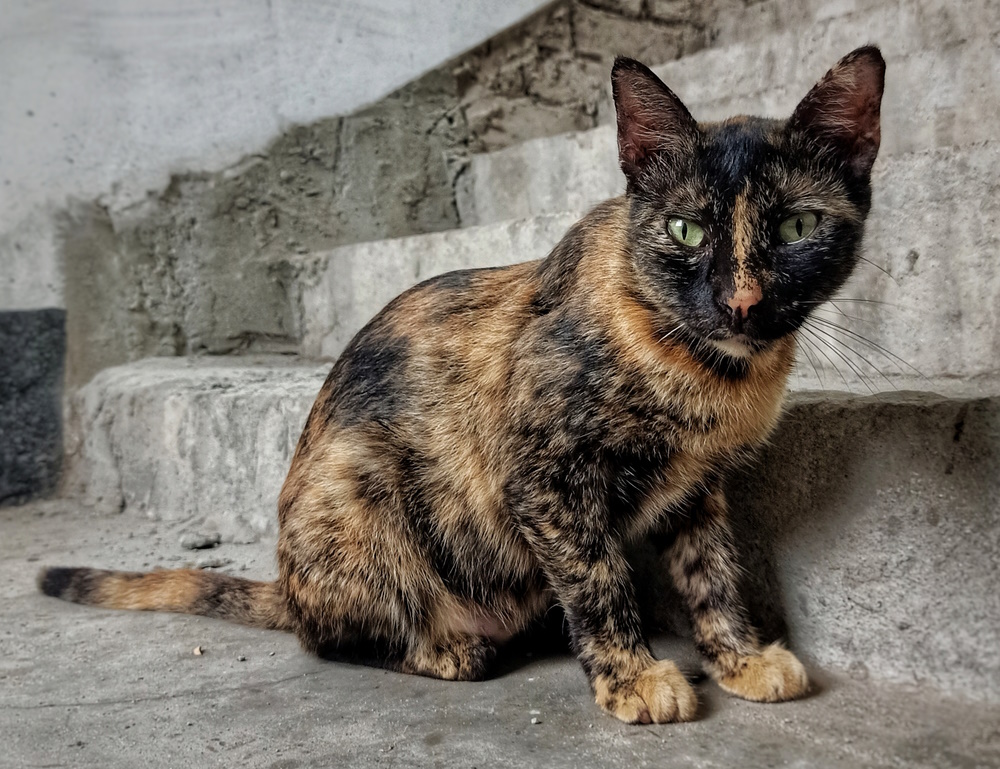
Tortoiseshell cats are a fused patchwork of orange and black fur. Calicos differ with the inclusion of white into the mix. However, we can draw similar conclusions regarding the genetics of these animals. Domestic cats normally have 38 pairs of chromosomes, including the sex chromosomes (X and Y). Males have an X and Y chromosome, whereas females have two X chromosomes. Different genes reside on the chromosomes.
Most chromosomes are autosomal, meaning they reside on a sex chromosome. Basic Mendelian inheritance tells us that the visual representation of a trait or phenotype depends on which version or allele an offspring receives from each of their parents. The alleles can be dominant (Z) or recessive (z). The former means that only one copy is necessary in the pair for the trait to appear in the young.
For example, if the alleles an offspring receives from their parents are ZZ or Zz, the dominant traits are visible. The only way for a recessive characteristic to show is if the alleles are zz. The sex chromosomes add another wrinkle to inheritance patterns. That’s where our discussion about male tortoiseshell cats comes into play.
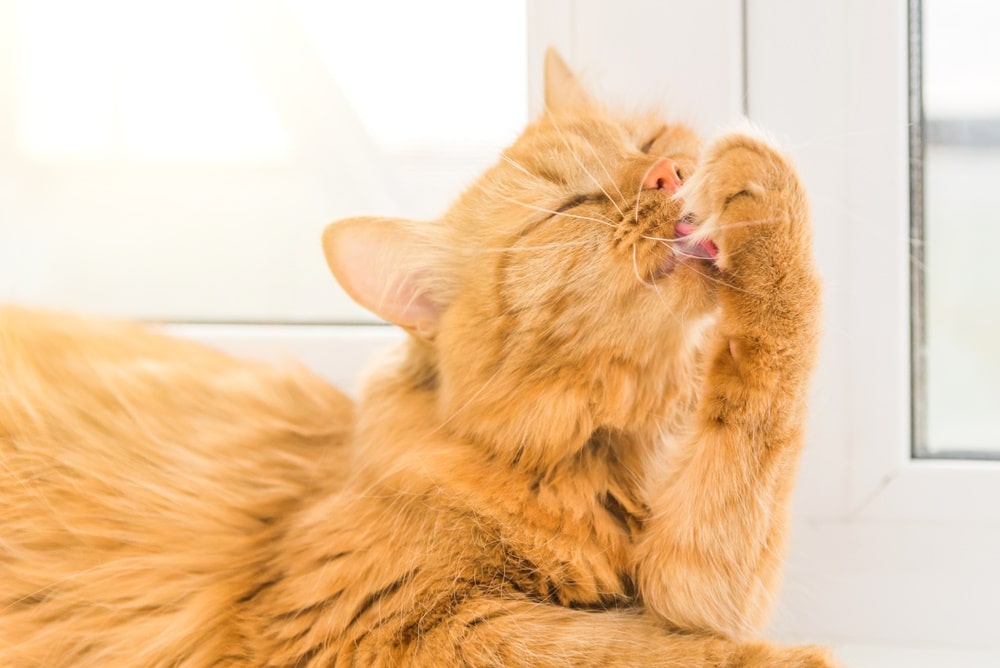
Genes on the sex chromosomes are sex-linked since the various traits they code for depend on the sex of the offspring. Scientists have documented more than 1,000 genes on the X chromosomes.1 The Y chromosome doesn’t have nearly as many genes. The orange coat color gene (O/o) is an X-linked, dominant trait. The dominant O allele codes for orange coat pigment, whereas the recessive o codes for lack of orange pigment, i.e. brown or black. Cats that are OO are orange. Animals that are oo won’t have any orange and are black or brown. Those that inherit one of each allele (Oo) are tortoiseshell.
Remember that a dominant gene only needs one allele for this trait to be visible. Here is the anomaly: If only one is required, why aren’t all females with it orange? A cat that is Oo is a tortoiseshell, which seems to contradict the definition of a dominant gene. It also doesn’t explain why males can be tortoiseshell. Nature has another trick up her sleeve to explain this quandary.

Expression of the Coat Color
We’ve discussed the larger number of genes that are X-linked versus Y-linked. It’s worth noting that not all are necessarily positive for survival. Evolution has naturally selected ways to dampen the expression of some X-linked traits that could be potentially fatal. Scientists describe this phenomenon as X-chromosome inactivation (XCI).
That means that the female’s body can silence some O alleles to prevent their expression. Instead of an all-orange cat, the female offspring develop a seemingly random pattern of blended orange, black, and brown, giving the animals their characteristic tortoiseshell pattern. The same thing occurs with calicos since 11 other genes are involved in coat color.2 Other ones are expressed instead of the orange coat.
The takeaway is that two X chromosomes are necessary for this pattern, with the orange gene being expressed by some cells, and silenced by others, giving the orange, brown and black spotted appearance we call tortoiseshell. X-chromosome inactivation doesn’t occur in males. With only one X chromosome, they’ll either be orange or not orange, with other genes controlling the animal’s coat color. It’s not that a male can’t be a tortoiseshell. It’s a rare occurrence in about only 1 in 3,000 felines. But why would it happen at all?

The Relationship With Human Klinefelter Syndrome
The only way it would seem for the tortoiseshell color to occur is in a male with two X chromosomes, making them XXY. This condition in humans is called Klinefelter syndrome. It is a random genetic mutation, resulting in the extra X chromosome. Sadly, it has many complications, including infertility, weak bones, lower muscle mass and developmental delays.
Interestingly, felines and humans share 90% of their DNA.3 Recent research has suggested that cats are a better lab subject because of their greater genetic relatedness and organization to humans.4 Individuals with Klinefelter syndrome and male tortoiseshell cats share another complication of this genetic error: sterility. That also explains why these animals are so rare. But wait! There’s more!
These findings indicate that these cats would never reproduce. However, one team of researchers examined three male tortoiseshell felines, of which two were fertile.5 The scientists concluded that gene instability may have been at work, causing the unequal expression of the colors. Another explanation is a chimera or organism with DNA from another. It can occur in twins if one dies and is reabsorbed.
The secondary DNA provides the extra X chromosome that allows some males to display the tortoiseshell color. You may think that breeding a fertile male tortoiseshell would make them more common or at least more expensive because of their rarity. However, the happenstance of a male born with XXY sex chromosomes is not heritable; it’s a random and unpredictable thing.


Final Thoughts
In any case, the occurrence of male tortoiseshells is rare, whether it’s the result of a random genetic error, gene instability, or a chimera. They can and do exist, but it speaks more to the vagaries of the mutations of genetics. It’s merely chance, but a lucky one for people who prefer male cats. And it’s even more special if they are healthy and fertile.
Sources
Featured Image Credit: Nafia Haseen, Shutterstock

Expert cat care, straight to your inbox
Vet-reviewed advice, behavior tips, and the best of Catster. Free, and you can unsubscribe anytime.
By signing up, you agree to our Terms & Conditions and Privacy & Cookies Policy.
Chris has been a science-focused pet writer since 2009, specializing in health and the environment. She lives with her husband Norm and three amazing cats in the land of 10,000 lakes. When she's not writing about cats, Chris also enjoys boating and sampling wine. She has her WSET 1 and 2 certifications and is currently pursuing her Certified Wine Specialist Award (CSW).
Join the conversation
Ask a question, share your story, or send private feedback.