15 Plants to Add to Your Cat-Friendly Garden (Vet Answer)

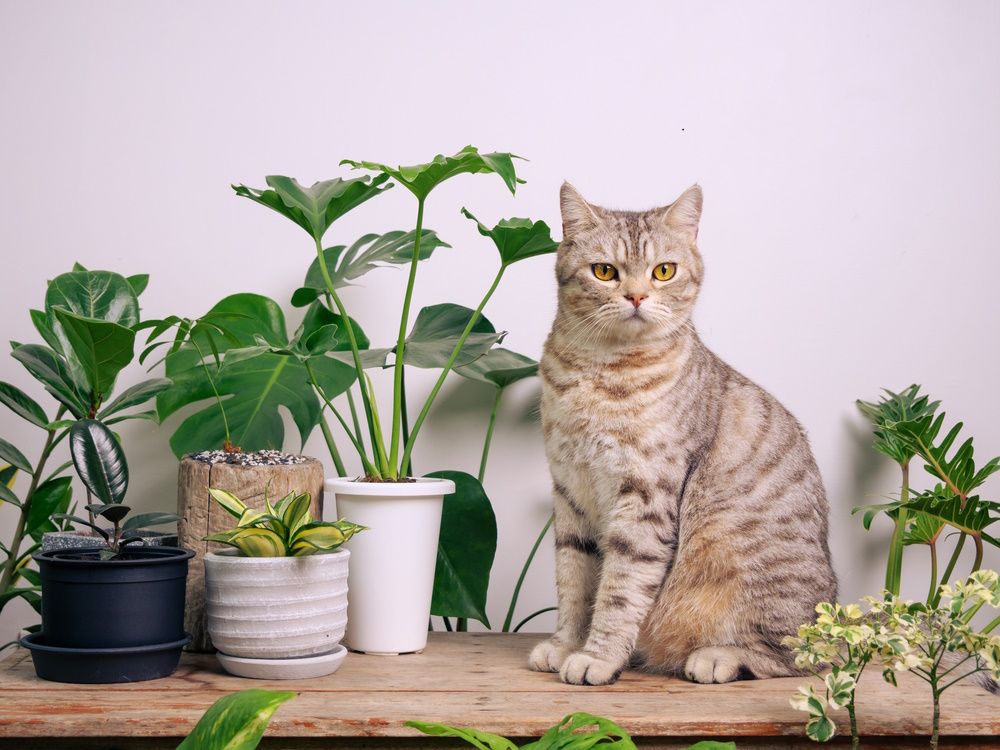
If your cat goes outdoors and you have a green thumb, you should be aware that your garden can be hazardous to your kitty if you don’t have cat-friendly greenery. Many potentially dangerous plants could cause real trouble for your feline. If you’re unsure what plants are safe and how to make your garden cat-friendly, read on.

What Makes Plants Cat-Friendly?
Plants are considered cat-friendly when they are non-toxic if a cat ingests or comes in contact with them. This doesn’t mean you want to give your cat free range to graze on all the plants on this list, but you can rest assured that if your cat nibbles on them, they shouldn’t have any serious problems.
A cat-friendly garden should also include fertilizers, pesticides, and weed control. When possible, choose natural sources, and always opt for pet-friendly versions. Speak to a vet if you have any questions about yard chemicals that are safe for your cat.

The 15 Cat-Friendly Garden Plants
1. Catmint (Nepeta)

| Height: | 1–3’ |
| Light Requirements: | Full sun to partial shade |
| Watering Needs | Drought tolerant |
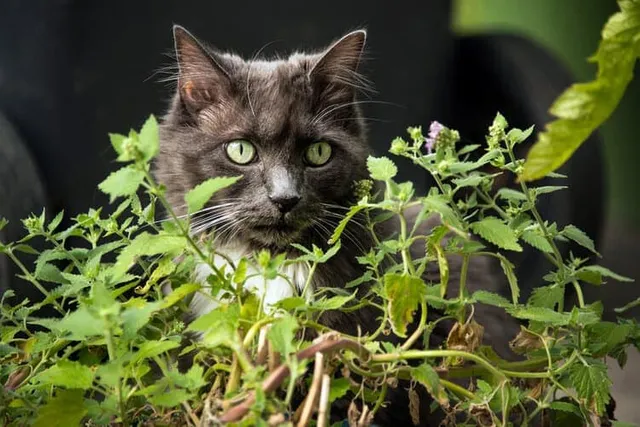
Catmint may seem an obvious choice for a cat-friendly garden. Not only are Nepeta species non-toxic, but some cats will actually seek them out for their euphoric effects. Catmint is fairly easy to grow, being fairly drought tolerant once established. Just be sure it gets plenty of sun in order to be able to enjoy its beautiful blooms. As a bonus, the purple blooms often attract butterflies, hummingbirds, and pollinators. Most species of catmint will naturally repel deer and rabbits and require no fertilization.
2. Cat Grass

| Height: | 4–6” |
| Light Requirements: | Full sun |
| Watering Needs | A couple of times a week |
Cat grass is a great addition to any cat-friendly garden. It isn’t a specific plant on its own, though; it comprises the early sprouts from wheat, rye, oat, or barley seeds. Once it reaches 4–6” tall, most cats will readily nibble it, roll in it, or otherwise play with it. Planting a small patch of cat grass in your garden is a great way to entertain your cat while providing them with fiber, vitamins, and minerals in a safe-to-graze plant. Just be sure it is free from chemicals!
3. Roses (Rosaceae)

| Height: | 8”–50’ |
| Light Requirements: | Full sun |
| Watering Needs | 1–2” per week |
Roses come in such varieties that it’s hard to imagine any garden without them. Fortunately, they’re also cat friendly. While most felines will prefer to steer clear of their thorny exteriors, even the most forward feline won’t be negatively affected should they nibble on the leaves or stems of these plants. Be sure to use natural fertilizers to bolster their blooms to further protect your kitty.
4. Sedum

| Height: | 1–3’ |
| Light Requirements: | Full sun, some species can tolerate partial shade |
| Watering Needs | Fairly drought tolerant |
Flowers in the Sedum genus come in various sizes and colors. Most are compact, making them ideal for small spaces or containers. Tall varieties of Sedum make great plants for your cat to hide behind or nap in the shade of, while low-growing varieties make ideal places for a cat to walk on or curl up in. The green foliage is attractive on its own, but Sedum plants also produce a variety of colored blooms with a fragrance that may also attract your cat.
5. Irish-Moss (Sagina subulata)

| Height: | 1–2” |
| Light Requirements: | Full sun to partial shade |
| Watering Needs | every few days |
Irish-moss makes a great cat-friendly ground cover that is also quite attractive. It will grow well in small patches around rocks or borders but isn’t particularly tolerant to being walked on. This plant has tiny white flowers that bloom starting in late spring and sporadically throughout the summer. It also has a soft texture that may make it the perfect spot for your kitty to curl up for a nap without any risk of irritation or toxicity.
6. Creeping Phlox (Phlox subulata)

| Height: | 4–6” |
| Light Requirements: | Full sun |
| Watering Needs | Once a week or less |
This ground cover is full of color. Creeping phlox is great for sunny borders or edges that will spill over rocks. It comes in various colors and tends to be low maintenance. Your kitty may also like the texture, as it can provide a springy touch for cats to walk or nap on. It is also safe for nibbling on the stems, leaves, and even flowers. Creeping phlox can provide a significant amount of variety to fill in spots where you’re looking for non-toxic color.
7. Creeping Thyme (Thymus praecox)

| Height: | <3” |
| Light Requirements: | Full sun |
| Watering Needs | Drought tolerant |
A colorful ground cover that also happens to be edible is creeping thyme. This plant grows well under nearly every condition and provides a pop of color in small or large spaces. Creeping thyme has various blooms throughout the growing season, a soft texture that may be inviting to your cat, and a minty aroma when crushed. Creeping thyme can be harvested and used in a variety of human dishes. It can even provide antioxidants and vitamins for your kitty. But don’t let them make a habit of eating it, as large quantities can cause digestive upset.
8. Rosemary (Salvia rosmarinus)

| Height: | 3–5’ |
| Light Requirements: | Full sun |
| Watering Needs | Every 1–2 weeks |
As a dual-purpose plant that is edible and beautiful, rosemary is a key player in any cat-friendly garden. This herb can also be used in many human dishes. Whether you choose to eat it or not, rosemary has purplish-blue blossoms to complement its enticing fragrance. Your cat may be drawn toward rosemary’s scent, but rest assured that it should cause no problems if your cat happens to sample some of it.
9. Sage (Salvia officinalis)

| Height: | 12–24” |
| Light Requirements: | Full sun |
| Watering Needs | Every week or two |
Sage is a versatile herb to grow in your cat-friendly garden. It produces a lavender bloom in the early summer and emits a tantalizing aroma. This herb is fairly hardy once established and can provide you with homemade seasoning. Cats may also be attracted to the smell and love to curl up in the shade of this plant to enjoy peace and quiet. They may also be attracted to the taste of the leaves, which is fine in moderation. Just don’t let your cat eat too much, as it can lead to digestive upset.
10. Coral Bells (Heuchera)

| Height: | 6–16” |
| Light Requirements: | Part shade |
| Watering Needs | Once established, requires weekly watering during heat |
This cat-friendly plant prefers shade! It can be difficult to outfit the shadier parts of your garden with plants that are not only beautiful but also safe for your feline. Fortunately, coral bells can provide color in the darker parts of your yard and require little maintenance. While coral bells may invite your kitty for a safe nibble on the leaves, they tend to not be a favorite for deer or other animals.
11. Impatiens

| Height: | 6–30” |
| Light Requirements: | Partial to full shade |
| Watering Needs | Weekly |
Impatiens is a shade-loving genus of flowers that can also work well in containers. They can provide a bit of texture and color to the darker areas of your garden. Several species also have variable heights and colors. Your cat may be attracted to Impatiens for the cool, shadiness in which they thrive, and depending on the height, they can make ideal spots for napping or playing. Rest assured that nibbling a leaf now and then shouldn’t cause any major consequences.
12. Japanese Holly (Ilex crenata)

| Height: | 6–10’ |
| Light Requirements: | Full sun to partial shade |
| Watering Needs | Once or twice weekly until established |
Japanese holly is an incredibly versatile plant that can be used for a privacy hedge or in a container with proper pruning. It grows well in most soil types and can be pruned into various shapes. Cats will like the shade provided by Japanese holly and may even enjoy playing among the taller stems, as it is free of thorns or spikes, but it also isn’t likely enticing for your feline to eat. Fortunately, if your cat does happen to sample Japanese holly, it shouldn’t cause any negative effects.
13. Marigolds (Tagetes)

| Height: | 6–14” |
| Light Requirements: | Full sun |
| Watering Needs | Weekly |
Marigolds can provide bright color to any cat-friendly garden. They also have the benefit of producing an aroma that is a natural bug repellent, meaning your cat can enjoy their outdoor time without being bothered by pesky flies or potentially disease-carrying mosquitoes. However, be aware that chomping down on a large amount of marigold leaves or stems may cause mouth irritation, but your cat is fairly unlikely to do so. Marigolds are fairly easy to grow and make great border flowers that provide color while helping ward off insects.
14. Sunflowers (Helianthus)

| Height: | 1–15’ |
| Light Requirements: | Full sun |
| Watering Needs | 1” per week |
Sunflowers provide a colorful backdrop to nearly every cat-friendly garden. These flowers can come in a short bush variety or be towering giants with bright yellow blooms. In full sunshine, you can watch the massive heads of these blooms follow the sun as it passes across the sky. Your kitty may appreciate the shadiness provided by sunflowers and like to watch the birds pick seeds from the blooms when the time is right. Don’t give your kitty any of the sunflower seeds, though, as they can be hard to digest.
15. Jacob’s-Ladder (Polemonium caeruleum)

| Height: | 1–3’ |
| Light Requirements: | Partial shade |
| Watering Needs | Weekly |
Jacob’s-ladder plants are major pollinator attractants. Butterflies, hummingbirds, and others will flock to these plants, making them exciting and enriching for your cat to be around. The leaves and flowers are also safe to sample should they have that desire. Jacob’s-ladder is also tolerant to heat and drought, provided that they are growing in a partial to full shady area. They are even resistant to deer.
Conclusion
So many plants out there may or may not be safe for your cat. Before allowing your kitty to have free rein in your garden, be sure to accurately identify the plants growing there, remove any that could be dangerous, and replace them with cat-friendly versions. If you’re unsure which plants are safe, speak to a veterinarian. Also, be sure to never use chemicals like fertilizers or pesticides that can be hazardous to pets. Use natural or pet-friendly alternatives.
Featured Image Credit: Foto2rich, Shutterstock
Expert cat care, straight to your inbox
News, insights, and useful advice, delivered to you.

No spam — unsubscribe anytime.
By signing up, you agree to our Terms & Conditions and Privacy & Cookies Policy.
How useful was this post?
Click a star to rate. You can leave written feedback afterwards. (We read all feedback.)
Dr. Chyrle Bonk DVM (Veterinarian)
On top of healing animals and writing for veterinary publications, Dr. Chyrle Bonk owns a small cattle herd! When she’s not busy with those things, she can be found somewhere in the Idaho outdoors with her husband and two kids.
Chyrle has practiced in a mixed animal clinic for over 10 years. She also writes for various veterinary websites and magazines, like Catster!
Dr. Chyrle Bonk received her Doctor of Veterinary Medicine (DVM) from Oregon State University in 2010.