Get

In Your Inbox

Catster is reader-supported. When you buy via links on our site, we may earn an affiliate commission at no cost to you. Learn more.

Can Cats Eat Sage? Vet-Reviewed Nutritional Facts & FAQ

Share

Can Cats Eat Sage

If you have a cat and like plants, you know how hard it is to keep your furry friend away from them. We try our hardest to shoo them away, but our cats always seem one step ahead of us. We don’t want our beloved kitties to eat something that they shouldn’t, so we should understand how sage affects felines.

Sage is a common herb that people like to grow indoors. So, is sage safe for cats? Fortunately for cat owners, sage is safe for cats to eat. However, it needs to be in moderation. If this is an herb that you enjoy growing, keep reading to learn more about sage and cat safety.

divider cat faces oct 2024

A Closer Look at Sage

Sage (Salvia officinalis) is native to the Mediterranean, and both fresh and dried forms are used for culinary purposes. It’s also used for medicinal purposes with promising benefits, but more research needs to be done.

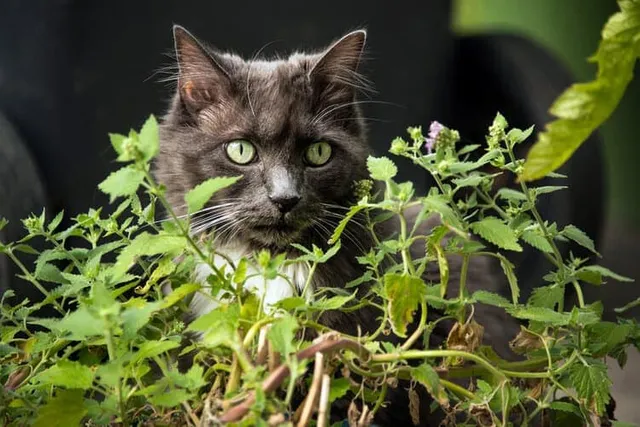
There are a few other varieties of sage, but the most popular variety to grow is common sage. Not many people know that sage is a member of the mint family—the same family that catnip belongs to. Many plants in the mint family have large leaves that grow tall and wide. It’s the perfect leaf for a cat to munch on.

Kitties won’t experience a catnip high when they eat sage, but many plants in this family are deemed safe by the ASPCA. However, essential oils are different. These are highly concentrated oil extracts and can be harmful to your kitty. If your curious cat decides to try a taste of sage oil, you should call a veterinarian for further instructions.

Need veterinary advice but can't get to the clinic? Catster recommends PangoVet, our online veterinary service. Talk to a vet online and get the answers and advice you need for your cat without having to leave your living room — all at an affordable price!

PangoVet_Mention-in-Content for PangoVet2 save money

Do Cats Like Sage?

Many different plants attract cats. It’s hard to say if cats are attracted to sage because of the scent, the wide-set leaves, texture, flavor, or novelty. Cats have strong olfactory senses, and sage has a compelling, earthy aroma with dark undertones that might be off-putting to some and attractive to others.

Sage also doesn’t have nepetalactone, the chemical in catnip that causes your cat to react to it. Your cat is probably attracted to sage the same way they’re attracted to grass. Still, some owners report that their cats love sage. If your cat likes to eat this herb, be mindful of how much they consume to avoid gastrointestinal upset.

common-sage-plant
Image Credit: Julitt, Shutterstock

How Much Sage Can My Cat Eat?

There’s no set amount of how much sage your cat can eat. Cats are obligate carnivores, so meat is what they need for a happy, healthy life. Small amounts of safe plant matter are generally fine for cats.

Some plants, like sage, are good for your cat in moderation. Even some cat treats contain small amounts of sage. If you use these treats, this might be why your cat likes your plant so much, but we still don’t want our kitties to freely feed on this herb.

Your cat may experience GI upset like vomiting and diarrhea if they over-eat sage. It’s wise to call a veterinarian if you notice any tummy issues with your cat. In more severe cases, sage could affect the central nervous system because of the chemical thujone found in the herb. However, this has only been tested on lab animals, so it’s unclear if this would affect pet cats.

orange cat eating on an orange bowl
Image By: Okssi, Shutterstock

What About Burning Sage?

Burning sage is a spiritual ritual known as “smudging.” You don’t use common sage for this ritual. White sage (Salvia apiana) is the most common variety used for this practice, but there are other varieties you can try. White sage is another safe variety for your cat to nibble on in small quantities.

At this time, no apparent studies show that burning white sage around your cat is harmful. You should avoid the practice around your cat if your cat has respiratory issues or is elderly, though. If you want to burn white sage in your home, open a window for ventilation, or put your cat somewhere in the house where they won’t have difficulty breathing. Traditional smudging ceremonies require you to open the windows to release the negative energy in the room, so it’s a win-win!

divider cat paws oct 2024

Conclusion

Sage is a wonderful herb to have in the house, and thankfully, sage is safe for cats. It’s delicious in several types of dishes and great for meats. Plus, it has unique medicinal properties should you need to use it. It’s also a lovely houseplant if you don’t intend to use the herb for anything except the occasional soup. Regardless of how you choose to use it, your cat will want to help you. Don’t be alarmed—this herb is harmless to cats in small amounts.

Related Reads:

Want content like this delivered to you?

Sign Up For Our Newsletter

News, insights, expert advice, and everything cat

* By submitting, you agree to our Terms & Conditions and Privacy & Cookies Policy.


How useful was this post?

Click on a star to rate (you can leave written feedback after clicking submit)

Help us improve Catster for pet parents!

Your feedback really matters.

What did you like about this post? Also how can we improve it?

Join the conversation

Leave a Reply

You’re very welcome to leave a comment or question. Please know that all comments must meet our community guidelines, and your email address will NOT be published. Let’s have a positive and constructive conversation.


Catster's Digital Magazine is Back!

Vet-approved health & behavior advice

Real cat stories & community features

Chatting About the Rainbow Bridge, Euthanasia, and Laughter During Grief | Chatty Cattys, Episode 24

If you’ve ever felt the loss of a beloved cat, or are dreading the day when your pet crosses the rainbow bridge, you’ll...

The Simple Reasons Cats Refuse to Let Anyone Use the Bathroom Alone

Cats have an extraordinary talent for making themselves present in the most inconvenient places, and the bathroom ranks near the top of the...

A Paw-sitive Milestone: Canada Officially Becomes a Declaw-Free Nation

Canada has officially become a declaw-free nation. On May 25, 2026, a new regulation was filed in Ontario under the Provincial Animal Welfare...

The Surprisingly Simple Ways to Help a Cat With Hairballs

Cats spend an astonishing amount of time grooming. It is part hygiene routine, part comfort ritual, and part instinct that traces back generations....

More related

How Much Does a Cat Cost? 2026 Price Guide

If you’ve been dreaming of adding a cat or kitten to your family, it’s a good idea to take a look at how...

Cats in Comics: Feline-Focused Graphic Novels

A few years ago, the novelist Margaret Atwood decided to write about cats. Her revered bibliography includes The Handmaid’s Tale — a dystopian...

Solid Gold Cat Food Review of 2026: Recalls, Pros & Cons

Review Summary Solid Gold pet food was launched in 1974 by Sissy Harrington McGill. As a Great Dane aficionado, she noticed that European...

Why Do Cats Have Tails? Vet-Reviewed Science & Facts

Cats move their tails in different positions when showing affection or communicating with humans or other cats. As a cat parent, you may...

Keep reading

10 Best Clay Cat Litters in 2026 – Reviews & Top Picks

Cats are generally happiest when they have pleasant environments that meet their needs and wishes. They can be picky about what they eat and where they nap, and most have preferences about their restroom facilities, particularly regarding the type of...

Person hand removing and cleaning cat toilet tray or litter box at home

Why Does My Cat’s Poop Smell So Bad? 8 Vet-Verified Reasons & Solutions

As much as we all love our cats, cleaning out their litter trays is unlikely to top any cat lover’s list of favorite tasks. If your cat’s poop smells bad, this can make the job even worse! Smelly cat poop...

constipated cat in the litter box

Can Cats Eat Rhubarb? Vet-Reviewed Risks & Alternatives

Summer is just around the corner. Do you dream of your garden overflowing with rhubarb plants with the intention of creating tasty desserts and jams this summer? There’s not much not to like about this tasty perennial vegetable, but if...

Can Cats Eat Rhubarb

Does Massage Help Constipation in Cats? Vet-Verified Facts & Treatments

Constipation in cats is not that uncommon, but that doesn’t mean it should be treated lightly. Massage therapy is among the remedies that have been evaluated in numerous clinical studies—in humans.1 But does it truly help with constipation in cats?...

cat-massage

Is Pilea Toxic to Cats? Vet-Reviewed Houseplants Examined

When you think you’ve seen everything as a pet owner, your furry friend does something new to throw you for a loop. That’s what happens to cat owners every year when they notice their feline friends eating different plants in...

Catster_Is Pilea Toxic to Cats

Why Do Cats Like Cardboard? 5 Vet-Reviewed Reasons

It’s not a secret that cats have a special affinity for cardboard. Most cat owners have found themselves baffled by the fact that they can spend hundreds of dollars on various cat toys and other products to keep their precious...

cat in a cardboard box

Do Cats Like Belly Rubs? Vet-Verified Facts & Info

You’ve probably tried to rub your cat’s belly a few times, only to be scratched by powerful bunny kicks. We get it. It’s tempting not to touch a soft cat tummy. Aren’t cats just begging for tickles when they show...

cat laying on owner's lap

Why Is My Cat Meowing a Lot Suddenly? 6 Vet-Reviewed Reasons

Cats can be very vocal creatures! Sometimes, the reason why your cat is being so vocal is because they’re simply letting you know they need something, or perhaps they just like to hear themselves talk. A few breeds are anecdotally...

british-shorthair-cat-meowing

Love Cats? So Do We! Join the Catster Community

Stay informed with expert pet care insights delivered straight to your inbox! Discover professional guidance on animal behavior, feeding tips, trusted product picks, and much more.


Sign up for the Catster Email Newsletter

Stay informed with expert pet care insights delivered straight to your inbox! Discover professional guidance on animal behavior, feeding tips, trusted product picks, and much more.