Can Cats Eat Salad? Vet Reviewed Health Benefits & Warnings


In this article
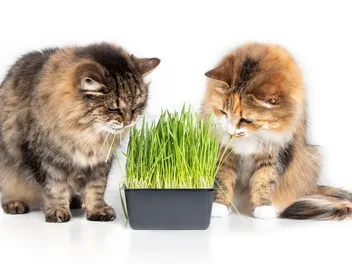
Cats are obligate carnivores, which means they have to eat meat for proper nourishment. But every so often, some cats like to indulge in leafy greens. A cat’s natural prey may contain greens in their digestive system, and eating a few greens here and there will not be harmful. However, a feline diet should be mostly based on animal ingredients: meat, proteins, and fats.
You may have noticed this when your cat eats grass or nibbles on one of your house plants. Many people like to give lettuce to their kitties as a treat but wonder if it’s good for their meat-loving fur babies.
The answer is yes, technically cats can eat salad, but first, let’s determine what we mean by “salad.” Your cat can nibble on the occasional salad green, as it may provide health benefits. However, you don’t want your cat chowing down on a Caesar salad, for example. The problem is the dressing and extra ingredients found in what we call a traditional salad.
Let’s explore this topic further, with a focus on the leafy green parts of a salad.

Can Cats Have Lettuce?
Cats can have lettuce, and especially for cats that need to shed a few pounds, it can be a great low-calorie treat. Lettuce is a source of fiber and is also full of vitamins and minerals that are great for your kitty’s longevity. A few include:
- Potassium (found in certain varieties): Reduces blood pressure
- Folate: Helps produce red blood cells and DNA genetic material
- Vitamin C: Boosts immune system and urinary tract health
- Vitamin K: Prevents bone fracture and aids in blood clotting
- Vitamin A: Great for growth, vision, skin, and reproduction
- Calcium: Great for strong, healthy bones and teeth; also helps with nerve function and blood clot formation
The nutritional value of lettuce varies based on the type of lettuce you offer. Generally, these are the vitamins and minerals you can expect from leafy greens.
Lettuce is also high in fiber. One cup of lettuce contains about 0.5 grams of fiber. Your cat probably won’t eat an entire cup of lettuce. But a few nibbles can certainly help with bowel movement regulation.
On top of that, lettuce can help keep your cat hydrated. Cats usually don’t drink a lot of water in the wild. Most of their hydration comes from eating prey. But since many domestic cats eat mostly dry kibble, extra hydration can’t hurt, and lettuce can certainly help!

Can Salad Be Bad for Your Cat?
A few nibbles on some greens here and there are perfectly acceptable. But giving your cat unfettered access to a Cobb salad is not advised. Too much lettuce could also lead to diarrhea and secondary dehydration if you’re not careful.
Lettuce should be a treat and not a staple in a cat's diet. A plant-based diet just isn’t suitable for a cat’s digestive system. Plus, the extra vitamins and minerals in lettuce aren't enough to sustain your kitty.
A cat’s diet is usually balanced in a way that limits the liver content to avoid the ingestion of too much vitamin A while still providing the benefits of its taurine content. Adding a source of vitamin A might lead to excess, and over time, this vitamin accumulation could lead to vitamin A toxicosis. You can easily avoid these risks by offering lettuce as a treat occasionally.
When you offer lettuce to your cat, make sure it is free of pesticides and insecticides. Buying organic lettuce is best, but remember to wash it before feeding it to your cat.
Varieties of Lettuce to Feed Your Kitty
Cats love variety in their diets just like everyone else. If your cat loves lettuce, mix it up a little and offer different kinds. Let’s look at the different types of lettuce available that your cat will love.
1. Iceberg Lettuce

Iceberg lettuce is a popular type of lettuce found in many stores. It’s a delicious, crunchy treat for a kitty. But you must be careful when feeding iceberg lettuce to your cat. The water content is so high that your cat can easily experience diarrhea if they consume too much. When possible, avoid feeding iceberg lettuce and offer other varieties.
2. Romaine Lettuce

Romaine lettuce is a fun lettuce variety that your cat will love simply because it's tall and crunchy. Romaine contains vitamins K and C, phosphorus, magnesium, and potassium.
3. Buttercrunch Lettuce

Buttercrunch lettuce has a softer leaf that is less watery. It’s full of calcium, vitamins like A, K, and C, and iron.
4. Green Leaf Lettuce

Green leaf lettuce is another lettuce that is less watery and contains all of the vitamins and minerals listed previously. Green leaf lettuce is high in vitamin A, though, so offer this lettuce sparingly.

Other Salad Ingredients to Feed Your Cat
Remember that cats must consume animal protein to survive. But if you’re looking for more variety, here are a few other salad ingredients to offer your cat as treats.
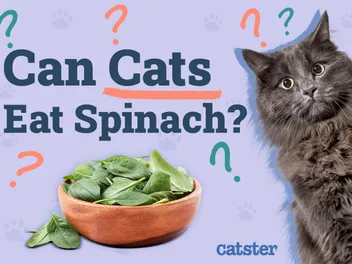
- Spinach: Spinach is a salad green that is a nice treat for cats. It even contains a higher nutritional value than iceberg lettuce. However, cats that have previously experienced kidney trouble should not consume spinach.
- Bell Peppers: Bell peppers could be crunchy treats for your cat if they're interested. They are high in fiber, though, so offer bell peppers sparingly. Avoid offering them again if your cat has diarrhea after consumption.
- Catnip: Catnip is a wonderful herb to offer your kitty. Most people give their cats dry catnip and sprinkle it on surfaces. But cats love eating the fresh leaves too! Some kitties love it so much, they will rub their faces all over the plant. Plus, the plants are easy to grow!
- Various Herbs: Other herbs like cat thyme, sage, sage, basil, cilantro, dandelion root, and valerian are all safe to offer your cat.
Tips for Offering Salad to Your Cat
Cats don’t need much lettuce to reap the benefits. A few pieces once a week are usually fine. Keep in mind that every cat is different, though. Your cat might not like salad and that’s okay!
If your kitty is a picky eater or has never eaten a salad before, try these tips.
1. Wash the Lettuce Before Offering It to Your Cat
Pesticides and insecticides are harmful to your pet. Washing fresh lettuce ensures that your cat isn’t ingesting any toxic substances (and neither are you!).

2. Tear or Chop the Lettuce Into Small Pieces
Some cats will eat lettuce straight from the leaf, while others prefer a small piece. Be careful about offering small pieces, as they could be a potential choking hazard.
3. Try Different Varieties of Lettuce
Try the different types of lettuce mentioned previously. Your cat may prefer a softer leaf, such as buttercrunch, over the hard, watery leaves of iceberg lettuce.

Final Thoughts
Plant eating is a common behavior with felines, and it’s nothing to worry about. The small amounts of plant matter that cats can consume offer some health benefits. Plus, it’s a great way to keep cats away from your house plants!
We all love our fur babies and want to keep them happy. Offering a crunchy snack could be the trick. So, follow these tips when giving your cat a leafy green treat to keep your friend happy and healthy.
Related Read:
Sources
Featured Image Credit: Pexels, Pixabay
Expert cat care, straight to your inbox
News, insights, and useful advice, delivered to you.

No spam — unsubscribe anytime.
By signing up, you agree to our Terms & Conditions and Privacy & Cookies Policy.
How useful was this post?
Click a star to rate. You can leave written feedback afterwards. (We read all feedback.)
Cassidy's journey from vet tech and professional pet sitter to pet writer showcases her lifelong passion for animals, both domestic and wild. Throughout the years, she has cared for many pets and enjoys writing about the animal-human bond. She and her husband have settled in Wichita, where they live with their German Shepherd, Raven, two cats, Lucy and Strudel, and a small flock of backyard chickens.