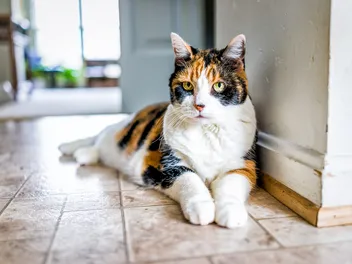
How Long Do Tortoiseshell Cats Live? Average Lifespan Data & Vet-Reviewed Facts



In this article
As a cat owner, you often wonder what the average lifespan of your feline pal might be. A tortoiseshell cat isn’t precisely a breed of cat but refers to a color pattern, meaning that a Tortoiseshell cat’s average lifespan depends on their breed.
In this article, we discuss the average lifespan of common tortoiseshell cat breeds.

What’s the Average Lifespan of a Tortoiseshell Cat?
Tortoiseshell cats, which are defined by their distinctive coat pattern rather than being a specific breed, may live around 12–15 years, but their lifespan can vary widely depending on their breed and overall health.

Why Do Some Tortoiseshell Cats Live Longer Than Others?
Some Tortoiseshell cats live longer than others, even those of the same breed. There are a few possible reasons for this, and we examine them here.
1. Nutrition
Nutrition is a key reason that some cats live longer than others. If you’re feeding your tortie high-quality, protein-filled food, they will probably live longer than a cat that is fed low-quality food or snacking on table scraps.
2. Environment & Conditions
The environment your tortie lives in has a lot to do with how long they live. A cat that’s been pampered and kept inside at all times is likely to live longer than a cat that is allowed outside or a stray that lives on the streets, facing dangers such as traffic, predators, disease, and harsh weather.

3. Housing
Providing a clean home for your tortie and keeping them inside will improve the likelihood of a long life. Outdoor cats risk getting hit by cars, attacked by dogs or wild animals, or even catching diseases they usually wouldn’t be exposed to.
4. Sex
Sex can contribute to a tortoiseshell cat's lifespan. Male torties are rarer than females; some are born with rare genetic diseases that could lead to problems as they age. If you have a male tortie, you should talk to your vet about Klinefelter syndrome and determine if your tortie shows any signs of the condition.
Spaying or neutering your cat reduces the risk of certain health issues, prevents unwanted litters, and can decrease risky behaviors like roaming or fighting, all of which contribute to a longer, healthier life.
5. Genes
Genetics can have a big impact on the life expectancy of any cat. The parent’s history, if it’s available, may help you determine if your tortie is vulnerable to any hereditary health issues. It is possible for your cat to develop serious or minor conditions from their parents, and this can affect how long your tortie lives.

6. Breeding History
The breeding history of your tortie can determine how long they live. Reputable breeders who test for genetic diseases, vaccinate and deworm their litters, and know the medical history of their cats are likely to produce healthy tortoiseshell cats.
7. Health Care
Health care is crucial for a tortoiseshell cat's lifespan. Cats that aren’t given proper health care or taken to regular checkups with their vet are apt to have a shorter lifespan than cats that visit the vet at least once a year.
Seek veterinary advice if you’re concerned about your pet’s health and well-being.

The 6 Life Stages of a Tortoiseshell Cat
As with any cat, a tortoiseshell cat has six life stages.
Kitten: Birth to 6 months
The first stage of your tortie's life is the kitten stage, from birth to 6 months old. You can expect your kitten to be active and playful during this time. It’s also the perfect time to get your tortie used to grooming, vet visits, and teeth brushing. Speak to your vet about getting your cat neutered or spayed, as this is the perfect time to get it done, as they reach 6 months of age.

Junior: 7 Months to 2 Years
This is the time your cat grows and reaches their full potential, unless they are a large breed such as a Maine Coon and need a bit longer. The junior stage is energetic, adventurous, and full of learning, making it an exciting period for both the cat and the owner.
Adult: 3 to 6 Years
During this stage, your cat is fully grown and usually at the peak of their health, energy, and physical condition. They tend to be more independent and confident, though still playful and curious. Consistent veterinary care, a balanced diet, and regular exercise are key to keeping your adult cat healthy and happy.
Mature: 7 to 10 Years
When your cat becomes a mature adult, between 7 and 10 years of age, their activity may start to slow, and play sessions might become shorter, though many cats remain energetic. This is a good time to keep up with regular veterinary checkups, as some cats may begin to show early signs of health issues, helping you catch problems early and keep your cat happy and healthy.

Senior: 11 to 14 Years
Once your cat reaches 10 years, they're considered a senior cat. This is when playtime begins to slow down or cease, and your cat may have problems getting around. Your senior cat needs to visit the vet at least once every 6 months so the vet can keep them healthy for the rest of their years.
Super Senior: 15 Years and more
Cats that reach 15 years and beyond are considered super seniors or geriatric. At this stage, their activity and energy levels are usually very low, and they may experience chronic health conditions such as kidney disease, arthritis, or dental issues. Regular veterinary visits, every 3 to 6 months, are crucial to monitor their health, manage any conditions, and ensure they remain as comfortable and happy as possible in their golden years.
How to Tell Your Tortoiseshell Cat’s Age
There are a few ways that you can tell how old your cat is.
It’s important to note that a cat’s age is only an educated guess made by you and your vet. Unless you have had the cat from birth and kept up with their age, there’s no way to know exactly how old they are.

Conclusion
Tortoiseshell is a color pattern on cats, not a specific breed, so being able to determine how long a tortoiseshell cat can live isn’t an exact science. It’s thought that most torties live for 12 to 15 years on average, but that depends greatly on their breed, lineage, and general health.
You can help your little tortie live a long, healthy life by following these tips, ensuring that you take your cat in for regular checkups, keeping them indoors, and feeding them high-quality food.
Featured Image Credit: Anna Krivitskaya, Shutterstock
Expert cat care, straight to your inbox
News, insights, and useful advice, delivered to you.

No spam — unsubscribe anytime.
By signing up, you agree to our Terms & Conditions and Privacy & Cookies Policy.
How useful was this post?
Click a star to rate. You can leave written feedback afterwards. (We read all feedback.)
Christian started writing for a local newspaper as a teenager, and he's been involved in the publishing industry for most of his adult life. Combining his love of writing with a passion for animals, he is currently the Director of Editorial at Pangolia and the Editor-in-Chief at Catster.
Christian lives in the Philippines with his wife, son, and four rescue cats: Trixie, Chloe, Sparky, and Chopper.