10 Vet-Reviewed Tortoiseshell Cat Health Problems & Care Tips


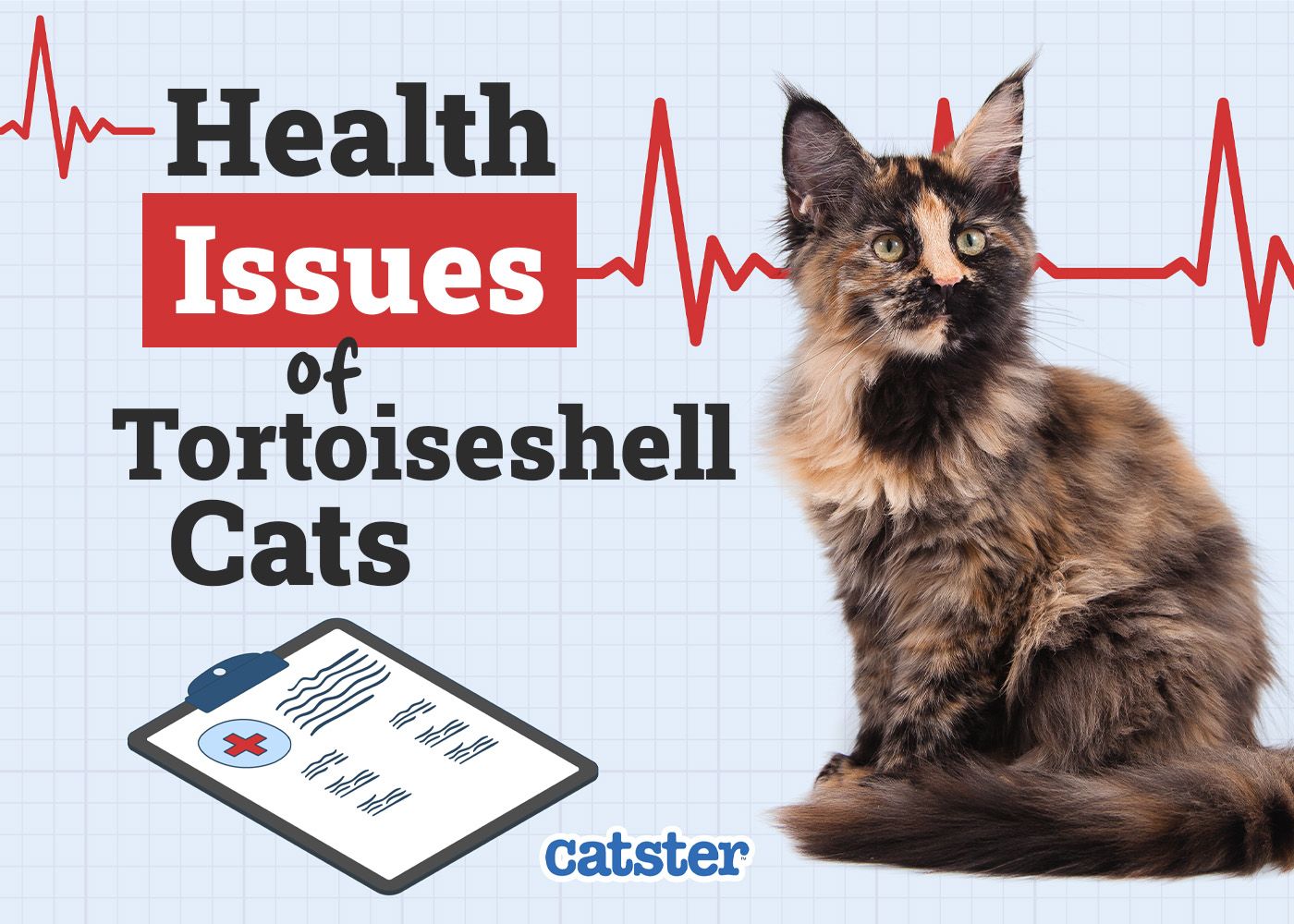
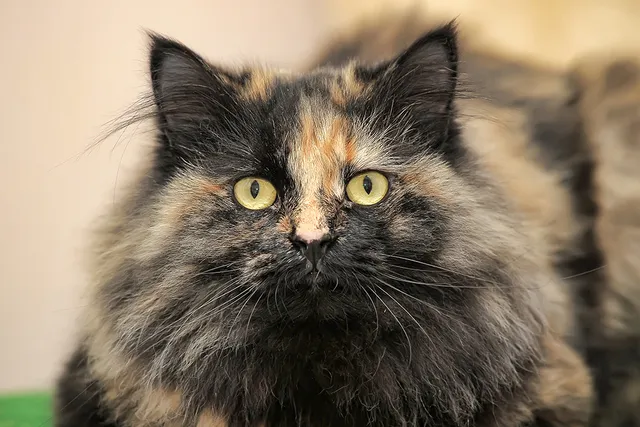
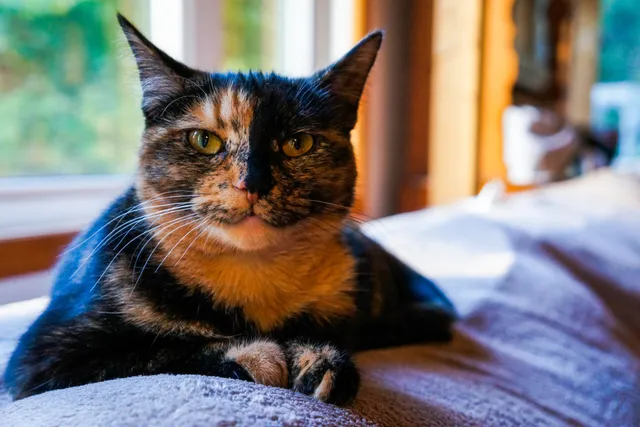
A tortoiseshell cat isn't a separate breed. Tortoiseshell is a color that can appear among quite a few cat breeds. This gorgeous pattern has long been popular. However, when bringing home any cat, you need to know what health problems to look out for with your new companion.
Health concerns and predispositions can be more commonly associated with certain breeds, but in the case of Tortoishell cats, which is only the coloring, we’ll focus on the most common health issues any cat may suffer from.

The 10 Common Health Issues in Tortoiseshell Cats
1. Dental disease
Dental disease is one of the most common health issues that starts affecting cats after four years of age.1 It includes several conditions, such as gingivitis, periodontitis, and tooth resorption. Gingivitis begins as inflammation of the gums and leads to the buildup of plaque that eventually turns to tartar. Ongoing dental hygiene through brushing and regular veterinary check-ups ensures that dental disease is minimized or its onset delayed as much as possible. Certain feline viruses, advanced kidney disease, and autoimmune conditions can also be responsible for gingivitis in cats.
Cats with dental disease display signs of awkward and painful chewing, a preference for wet food over dry, reduced appetite, drooling, pawing at the mouth, bad breath, dropping food from the mouth, and similar symptoms. It’s important to speak to a vet if you notice any of these signs in your Tortoishell cat.

2. Kidney disease
Kidney disease in cats can occur at any age, although it’s more common in middle-aged and older cats. There are acute and chronic kidney diseases, depending on the time of onset and duration. Causes may be variable, and in the case of acute kidney injury, it is often related to an infection, urinary blockage, toxin exposure, trauma, or other causes. Chronic kidney disease is more common in older cats as the kidney function reduces, but it may also be the result of acute kidney injury. Both conditions require prompt veterinary care, while chronic kidney disease is monitored regularly by blood work, urine tests, ultrasound, and blood pressure checks.
Cats suffering from kidney disease often show signs of lethargy, reduced appetite, weight loss, dehydration, initially increased then decreased drinking and urinating, and more.
3. Heart disease
The most common heart disease in cats is called hypertrophic cardiomyopathy, which occurs due to severe thickening of the heart muscle. This condition can occur at any age, but it often impacts adult and middle-aged cats and tends to go unnoticed until the disease is already quite advanced. Affected cats may develop breathing difficulties, open-mouth breathing, sudden lethargy, or a very painful condition called feline arterial thromboembolism. In this life-threatening and often fatal complication of heart disease, cats will suddenly lose the ability to move one or both of their back legs, dragging themselves around, while experiencing excruciating pain. This requires emergency veterinary care regardless of the hour, similar to any breathing difficulties.

4. Digestive problems
Gastrointestinal health issues in cats include various conditions, from a simple gastroenteritis to inflammatory bowel disease, liver disease, gastrointestinal lymphoma, pancreatitis, and many more. The clinical signs will vary slightly depending on the cause, but cats generally go off their food or eat less than usual, become lethargic, vomit, have diarrhea, or have a painful or distended abdomen. If you notice any changes in your cat’s appetite, energy levels, body weight, or stool consistency, it’s important to get them seen by a vet as soon as possible.
5. Skin disease and parasites
Skin disease in cats may be caused by various foods, flea or environmental allergies, bacterial or fungal infections, skin parasites, and autoimmune conditions, among others. You may notice your Tortoishell cat becoming itchy, licking, and scratching certain areas on the body, causing hair loss, redness, and irritation. In case of external parasites, you may find fleas on their fur or see evidence of flea dirt, the fleas’ excrement that appears like coffee grounds. Get your kitty examined by the vet so they can establish a diagnosis and get appropriate treatment on board promptly.

6. Diabetes
Cats can also suffer from diabetes, which is what in human medicine is referred to as Type II diabetes. This means that even though there are sufficient levels of insulin being produced, unlike in Type I diabetes, the cells in the body fail to respond to it adequately, causing high blood sugar levels. Cats that are middle-aged or older, overweight, with reduced physical activity, and of male gender are more predisposed to getting diabetes. They show signs of weight loss despite a good appetite, as well as increased drinking and urinating. Diabetes needs frequent monitoring and follow-ups at the vets to ensure the blood sugar is controlled, so other health complications can be minimized.
7. Hyperthyroidism
Hyperthyroidism is a condition caused by excessive production of thyroid hormones due to a benign enlargement of the thyroid gland. It mostly affects middle-aged and older cats and can, if left untreated, lead to heart complications. Affected cats display significant weight loss, which can occur over several months, despite a very good appetite. Their coat can also appear unkempt and coarse; they may show signs of hyperactivity, intermittent vomiting and diarrhea, and increased drinking and urination. If your Tortie is showing any of these signs, get them checked out by your vet as soon as possible.

8. Cancer
Unfortunately, cancer is also something our beloved cats can get. Usually, it’s associated with middle-aged and older cats, while in younger adults, it is often due to an infection with a Feline Leukemia Virus (FeLV). Cancer can affect any organ system, and lymphoma is one of the most common cancers in cats. The signs can be very variable based on location and extent of illness, and some may carry a more favorable outcome.
9. Klinefelter Syndrome
One of the rarest conditions you have to watch for with tortoiseshell cats is Klinefelter Syndrome. This condition only affects males born with XXY chromosomes. Healthy males should only have one X chromosome and cannot be of Tortoishell coloring. Cats with the syndrome are sterile and may have shorter lifespans.
The only other instance when a male cat can be a Tortie is if they are a genetic chimera, meaning they have more than one set of DNA, often due to the fusion of several fertilized eggs during early pregnancy.

10. Obesity
Obesity is common in many cat breeds, and the tortoiseshell cat is no exception. It can also predispose to other health issues, such as diabetes and heart-related problems. It’s best to keep a close eye on your tortoiseshell cat and feed them only high-quality food while ensuring they get plenty of exercise.
It’s also best not to allow free feeding with your adult tortie, but instead, feed them twice a day at specific times for the best results. Treats are okay to give your cat, but only in moderation and not in place of a normal meal.

Breed-Related Problems
Since tortoiseshell isn't a breed, but rather a color that spans many species, the health problems your cat is vulnerable to will depend on their genes.
Eye problems, obesity, and heart issues are a few of the problems you’ll want to look for with your tortie. Here's a list of a few breeds that can have a tortoiseshell coat pattern:
Each breed has its own set of health concerns that you need to watch out for. If you notice any troubling signs with your tortie, it’s best to contact your vet for an appointment. They can diagnose and set up a course of treatment for your little friend.
How to Take Care of Your Tortie
As with any breed, there are several things you can do to take care of your tortie. Make sure you feed them a balanced diet, and avoid overfeeding them because tortoiseshell cats can be prone to obesity.
It’s also essential to take your cat to the vet for regular checkups so any problems with your cat’s genetics can be discovered early on and hopefully treated. In fact, you might want to ask your vet about the specific breed your tortie is so they can tell you what to look for regarding health conditions. DNA testing is not cheap, but you can spend less on a commercial testing kit. However, the take-home kit is not as accurate as a test from your vet.


Conclusion
Tortoiseshell is not a specific breed, and most of the health problems of a tortoiseshell cat are related to their parents’ lineage. That said, one particular health issue, Klinefelter’s Syndrome, is rare, but you still need to watch out for it if you have a male tortoiseshell cat. If you think that they have it, get the cat to your vet right away. Tortoiseshell cats are adorable, fun, loving, loyal, and popular, so if you’re considering adopting one as a pet, you’ll be in good company.
Sources
Featured Image Credit: Didi S, Pixabay
Expert cat care, straight to your inbox
News, insights, and useful advice, delivered to you.

No spam — unsubscribe anytime.
By signing up, you agree to our Terms & Conditions and Privacy & Cookies Policy.
How useful was this post?
Click a star to rate. You can leave written feedback afterwards. (We read all feedback.)
Patricia is a pet writer and lifelong animal lover. She has two cats (Binx and Link) and one dog (Mystery). Binx was found as a kitten under her house and has been part of the family ever since! Patricia is also a published author under the pen name Skylar McKinzie. When she isn’t writing, Patricia enjoys volunteering at her local animal rescue.