Do Tortoiseshell Cats Meow a Lot? Vet-Verified Breed Facts & Main Causes


In this article
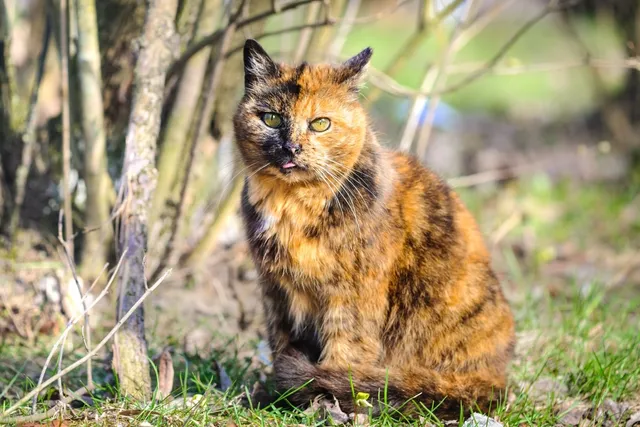
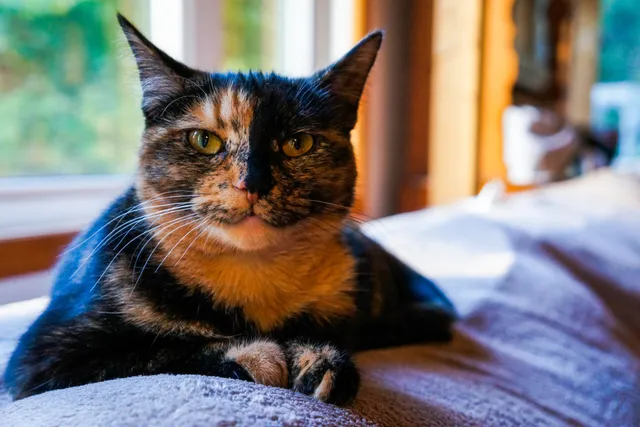
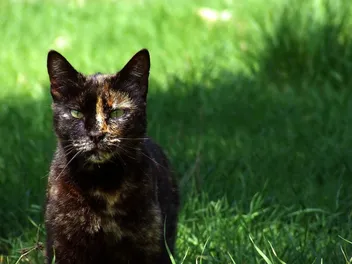
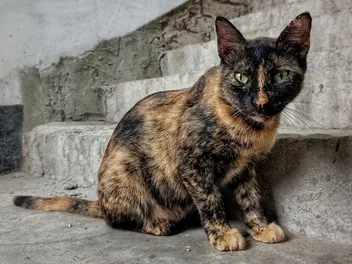
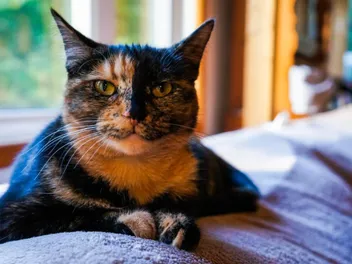
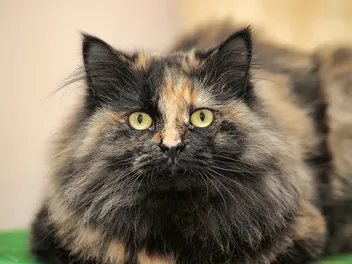
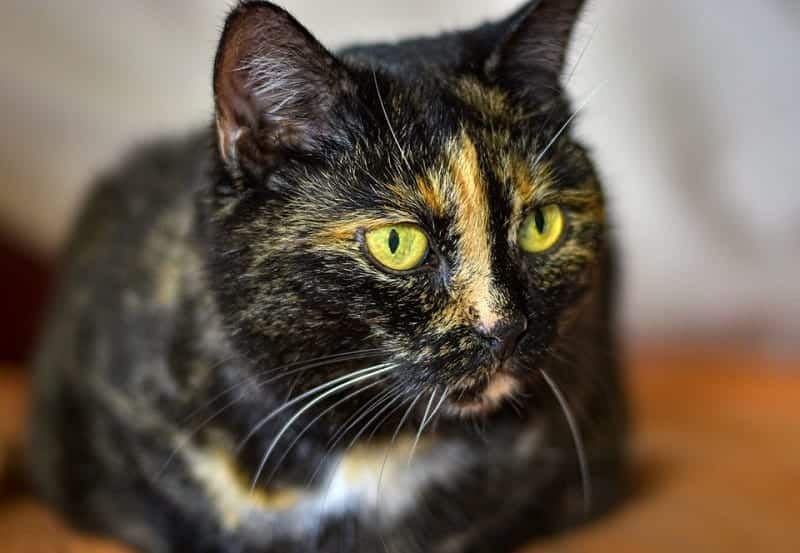
If you have recently adopted a tortoiseshell cat, you might know the tortie is a color pattern, not a different breed. Tortoiseshell cats can fall into several breeds, including Domestic Shorthair, Domestic Longhair, Persian, Ragdoll, and many more.
Torties have been said to meow a lot and quite aggressively at times. We will discuss the tortie’s vocalizations, a few reasons felines meow a lot, and more in the article below.

Do Tortoiseshell Cats Meow a Lot?
There’s no scientific evidence that tortoiseshell cats meow more than other cats based solely on their coat color. However, many owners report that torties can be quite expressive when they want attention or have something to communicate. As with any cat, vocalization varies widely and is shaped primarily by individual personality, not coat pattern.
Are Tortoiseshell Cats Rare?
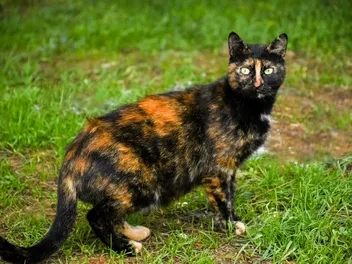
The tortoiseshell coat is not particularly rare, but it is usually only found on females. This is because, unlike all other genes for coat appearance, the genetic code for the color orange is found on the X-chromosome. As males are XY and females are XX, males can either be black or orange, but not both at the same time, while females can express both the orange and black pigment together, resulting in the tortoiseshell coat. Male tortoiseshell cats do occur, but these rarities are usually hermaphroditic (containing both male and female sex organs) with the chromosomes XXY.
This is a really unusual and special genetic trait, exclusive to cats.

The 3 Main Reasons Your Cat Is Meowing
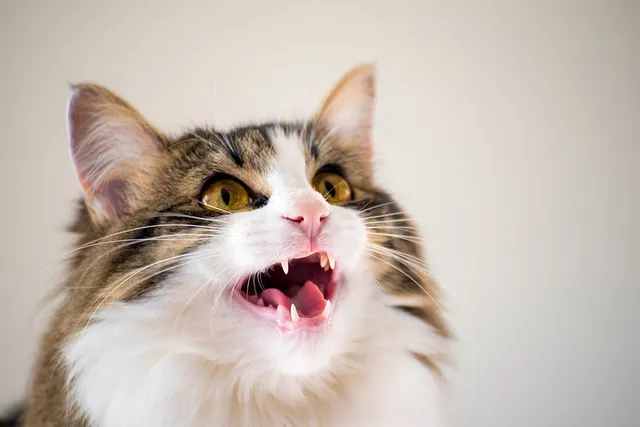
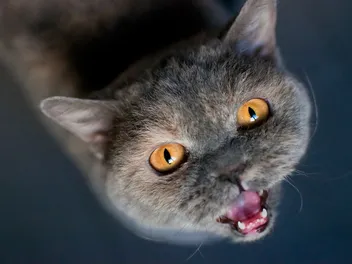
A cat meows for several reasons, and some breeds are known for vocalising more than others. Torties typically meow when they need something or are trying to tell you something.
1. To Say Hello
Many times, your tortie is just meowing to say hello. If you have been gone all day, your cat might meow and rub against your legs when you walk in the door. This could also mean they are hungry and want to be fed, or they may be happy to see you.

2. To Get Attention
Sometimes, your feline friend only wants your attention. Their meows are to tell you, “Hey, I’m here; remember me?” You see this most often when a cat emerges from somewhere they have been hiding or sleeping.
They alert you to their presence and demand that you pay them attention. Talking to your cat in a gentle, loving manner when they come out for attention can help them destress and may cause them to quiet down.
3. To Make a Demand
There’s one vocalization that all tortie parents need to learn: the demanding meow. This is to tell you that the cat needs something immediately. Of course, whether or not you actually give it to them will depend on what they are demanding, and how many times they have already demanded it!
Here are some of the common things that your tortie might be demanding:

Final Thoughts
Tortoiseshell cats aren’t inherently more vocal than other cats, but many owners describe them as expressive when they want to communicate. As with any feline, how much a tortie meows depends on their individual personality, breed traits, and what they’re trying to tell you.
As a tortie pet parent, you must learn the different meows and keep your cat healthy, happy, and loved for the best results. Your tortie will return your affection and understanding with undying love and loyalty.
Sources
Featured Image Credit: Mrdidg, Pixabay
Expert cat care, straight to your inbox
News, insights, and useful advice, delivered to you.

No spam — unsubscribe anytime.
By signing up, you agree to our Terms & Conditions and Privacy & Cookies Policy.
How useful was this post?
Click a star to rate. You can leave written feedback afterwards. (We read all feedback.)
Patricia is a pet writer and lifelong animal lover. She has two cats (Binx and Link) and one dog (Mystery). Binx was found as a kitten under her house and has been part of the family ever since! Patricia is also a published author under the pen name Skylar McKinzie. When she isn’t writing, Patricia enjoys volunteering at her local animal rescue.