10 Vet-Verified Interesting Myths And Facts About Black Cats


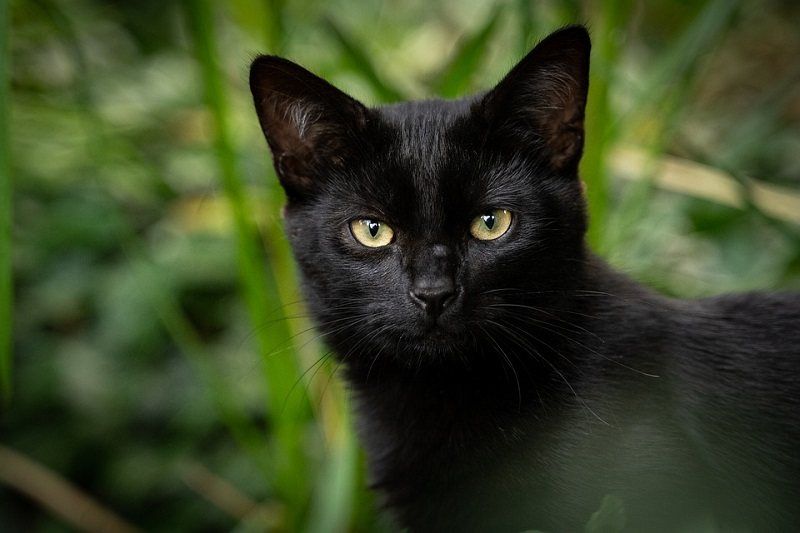
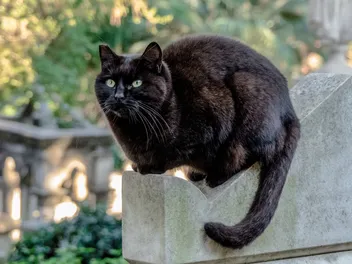
Depending on where you are in the world, black cats can be considered good luck or bad luck. They were once considered gods, but some superstitions state that they are witches in disguise. As well as superstitions, black cats are the subject of many myths, including that they produce more Fel d1 protein, which is the main allergen that causes cat allergies in susceptible people.
Read on for some intriguing myths about cats, including their likely origins, as well as some verifiable facts.

Top 10 Facts Black Cat Myths
1. Black Cats Are Bad Luck
While the "bad luck" reputation of black cats isn't universal, it remains a persistent myth in many Western cultures—most notably the belief that having one cross your path is a localized omen of misfortune.
During the Middle Ages, in the 13th century, Pope Gregory IX issued an official decree titled Vox in Rama, which linked black cats to satanic cult rituals. This papal condemnation effectively branded the animals as symbols of the devil in the eyes of the public, fueling centuries of fear and superstition that persist in folklore today.

2. They Are Good Luck
On the other hand, black cats are also considered good luck. Good fortune is said to be bestowed on English brides who receive a black cat as a gift, for example, while owning one in Asia is considered good luck, and having one appear on your doorstep in Scotland is a sign of impending prosperity. Very specifically, if you hear one sneeze in Italy, you will enjoy a run of good fortune.
3. Black Cats Are Witches
This likely comes from the same Greek story of Hera turning her maid into a cat. However, in America, many early settlers believed witches could take the form of black cats so that they were then able to perform their bad deeds while remaining undetected.
4. Black Cats Aren’t Photogenic
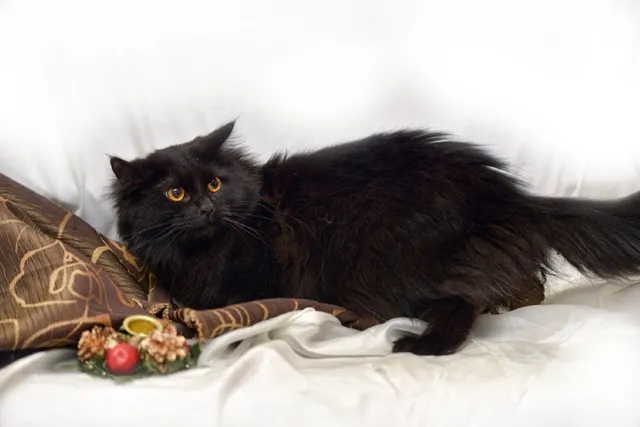
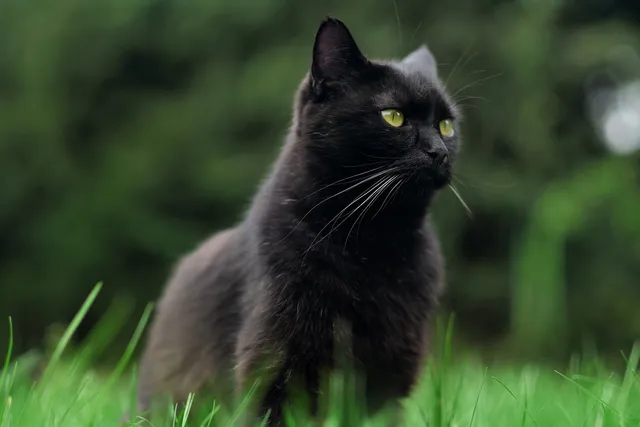
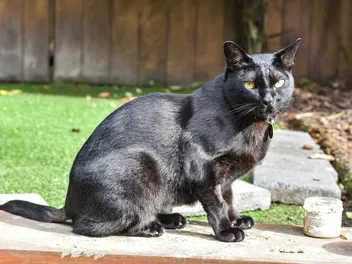
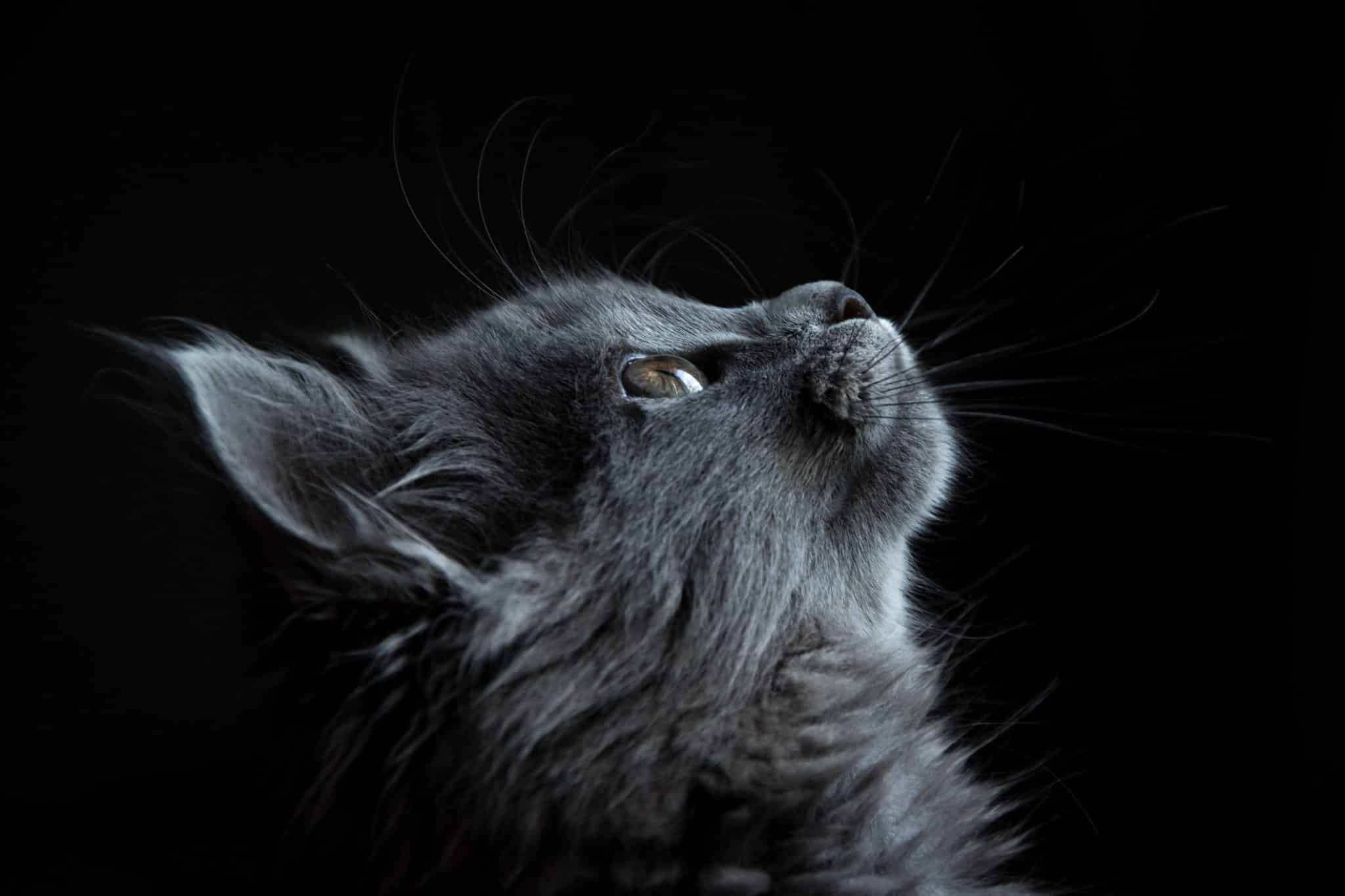
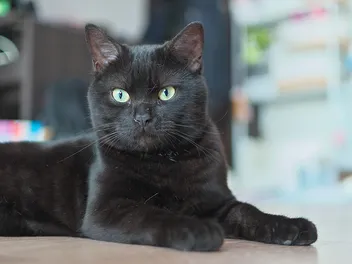
Black cats are photogenic, although it can take a lot more effort and many more attempts to get the composition of a good photo just right. This is especially true of cats with pure black coats because their form essentially melts into a single homogeneous black blob. They can also easily disappear into the background of a picture. With good lighting, preferably natural, and some patience, however, black cats can look just as striking in photos as any other cats.
5. Black Cats Cause More Allergies Than Others
It has long been said that black cats are worse for allergy sufferers than any other cats. The reason cited was that they produce more dander, which was thought to be the cause of reactions. Multiple studies have shown that black cats are no more likely to cause reactions than any other. It is actually the protein Fel d1, which is present in saliva, urine, and skin, that causes allergic reactions, and although dander and dandruff are easier to see on black cats, they do not necessarily produce any more than white or other colored cats.

Black Cat Facts
6. There Are More Black Cats Than Any Other Color Cat
Genes dictate the color of a cat, and the gene that causes black coloring of the fur is the most dominant color gene. This means that black coats are genetically common, which may contribute to their high numbers in shelters.
7. Black Cats Were Once Viewed as Divine
Long before they were associated with the occult, black cats held a status of high honor. In Ancient Egypt, cats were seen as earthly manifestations of the divine. The goddess Bastet, the protector of women, fertility, and the home, was often depicted with the head of a cat. Because the color black symbolized the fertile soil of the Nile and the cycle of rebirth, black cats were particularly revered as protectors of the harvest and symbols of good fortune.

8. There Are More Than 20 Breeds of Cats with Black Coats
Crossbreeds, or moggies, can be virtually any color, although the dominant gene means that most do turn out to be black. When it comes to pure black cat breeds, there are more than 20 that are recognized and accepted with a pure black coat. Persians, Ragamuffins, and Japanese Bobtails can all be pure black in color.
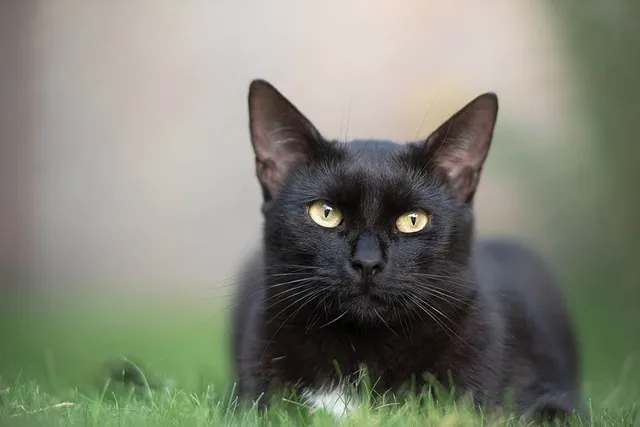
There is only one breed of cat that must be pure black for it to be considered that breed, however, and it is the Bombay. The Bombay was developed in the 1950s by crossing a black American Shorthair with a Sable Burmese, and the two were bred with the aim of creating a domestic cat that looked like a black panther.

9. Black Cats Have Their Own Day
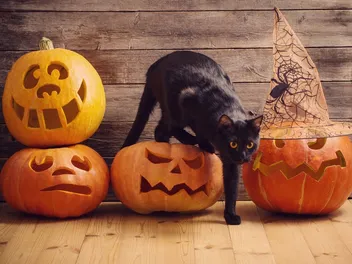
Black cats are commonly associated with Halloween, presumably because of their link to witches. However, four days earlier, on October 27th, it is National Black Cat Day in the US. It is worth bearing in mind that if you want to adopt a black cat, many foster centers refuse to adopt black cats out during Halloween, so you may be unable to adopt one on their national day, but you should be fine by November.
10. There Are More Black Cats in Rescue Centers Than Any Other Color
When it comes to rescue centers, black cats are the color most often found in centers and the least often adopted. There could be several reasons for this. There are likely more black cats than other colors because black is the predominant color in cat coats, which means that there are simply more black cats than any other color. The fact that they are so difficult to photograph might, unfortunately, be a reason that fewer people want to adopt them, and it could also be the reason that fewer of them are adopted because the other cats look better in adoption center photographs. Also, many people are hesitant to adopt black cats due to their association with bad luck.

Conclusion
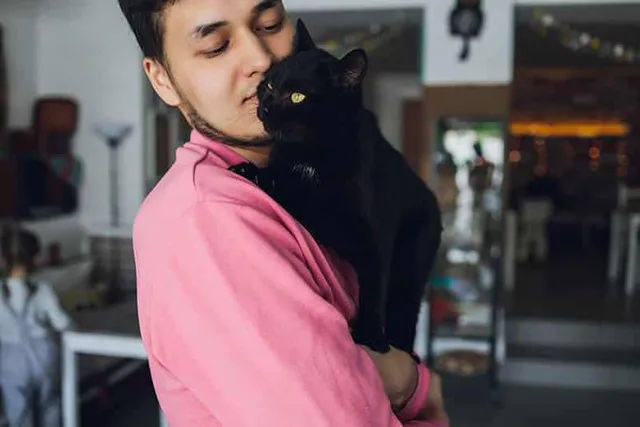
Black cats are not only sleek and beautiful, but they can make just as loving a pet as any other cat. They may pose more of a challenge to get a good photo, but they bring no more good luck or bad luck than any other cat, although they might try to convince you otherwise.
See Also:
Featured Image: Leuchtturm81, Pixabay
Expert cat care, straight to your inbox
News, insights, and useful advice, delivered to you.

No spam — unsubscribe anytime.
By signing up, you agree to our Terms & Conditions and Privacy & Cookies Policy.
How useful was this post?
Click a star to rate. You can leave written feedback afterwards. (We read all feedback.)
Christian started writing for a local newspaper as a teenager, and he's been involved in the publishing industry for most of his adult life. Combining his love of writing with a passion for animals, he is currently the Director of Editorial at Pangolia and the Editor-in-Chief at Catster.
Christian lives in the Philippines with his wife, son, and four rescue cats: Trixie, Chloe, Sparky, and Chopper.