Toyger Cat Health Problems: 7 Vet-Reviewed Issues


It’s not uncommon for purebred cats to have an inherited health condition, which is why it’s a good idea for potential owners to research the breed to understand the problems they can face.
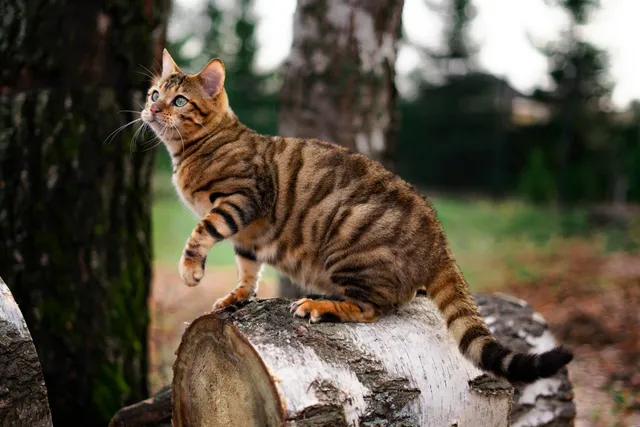
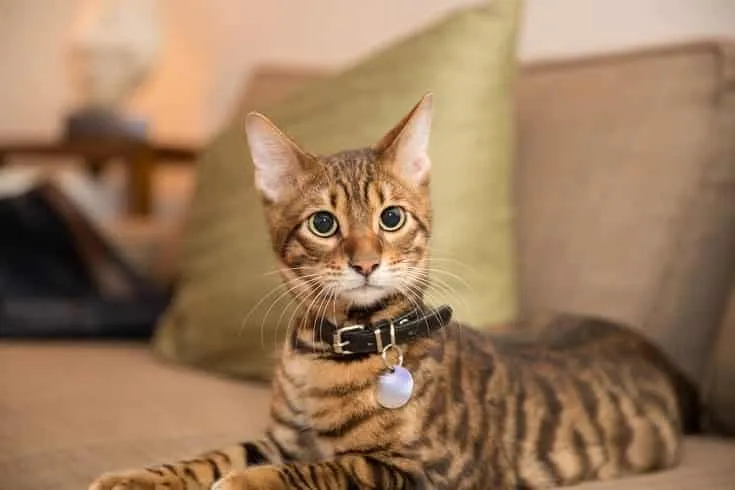
The Toyger is a relatively new breed first introduced in the 1980s. With newer breeds, it can be hard to say for sure what kind of health conditions they show a predisposition to. While there is still much to be learned about these precious toy-sized tigers, here’s a list of some health problems the Toyger may experience.

The 7 Toyger Cat Health Issues
1. Heart Murmur
A heart murmur has an abnormal sound. While Toygers are generally healthy, there have been observations of heart murmurs occurring within the breed, which is possibly indicative of hypertrophic cardiomyopathy.
A heart murmur is caused by turbulent blood flow through the heart. The root cause of a heart murmur cannot be determined by simply listening to the heart. Once a murmur is detected, further testing must be completed to find the root cause. Cats can have heart disease without displaying signs.
Symptoms:
Treatment
The treatment of a heart murmur depends solely on the root cause of the murmur. The heart murmur indicates another underlying health condition related to the heart. Unless the signs associated with heart murmurs have prompted a vet visit, the murmur may go undetected until the next routine checkup. Therefore, it is vital to keep up with regular checkups.
2. Heart Disease
Heart disease is not necessarily breed-specific; it can affect any cat and is such a common health problem among domesticated cats that it affects every 1 in 10 cats worldwide, according to the AVMA. Heart disease is a serious and deadly condition in which an abnormality in the heart is present. There are two categories of heart disease:
Congenital- Congenital heart disease begins during fetal development and is present at birth. It results from inherited disorders that can be passed down to an individual kitten or multiple kittens within the same litter.
Acquired- When the heart disease is acquired, it is an onset form of the condition. It's more common in older cats and is usually caused by structural damage that has occurred over time. It can also be related to a hereditary health condition that develops later in life. Dietary or environmental factors can also cause it.
Symptoms:
Treatment
Because heart disease is a blanket term for conditions related to the heart, the treatment will vary depending on the condition. The veterinarian will do the proper testing needed to diagnose the heart condition and treat it accordingly.
3. Feline Lower Urinary Tract Disease (FLUTD)
Feline lower urinary tract disease, or FLUTD, is a blanket term that covers a variety of disorders of the urinary system. The disorders can range from mild to severe, and several issues can cause them. The most common causes of feline urinary tract disease are inflammation, infections, urinary obstruction, and an improper diet.
Feline lower urinary tract disease is relatively common in domesticated cats and is not considered an inherited health disorder for the Toyger.
Symptoms:
Treatment
Since feline lower urinary tract disease is another blanket term involving various conditions, the treatment will vary depending on the underlying condition. The veterinarian will do laboratory testing and possibly imaging to diagnose the cat. Once the condition has been identified, the treatment can begin.
4. Hyperthyroidism
Hyperthyroidism is a disease of the endocrine system that is common in domesticated cats. It's mainly observed in middle-aged and senior cats. It results from an increased production of thyroid hormones, which are very important. Hyperthyroidism can eventually lead to secondary health conditions, which is why early diagnosis and treatment are essential.
Symptoms:
Treatment
Testing will need to be completed by a veterinarian to determine whether a cat has hyperthyroidism. Various treatment options depend on individual circumstances, including medication, dietary changes, radioactive iodine therapy, and surgery. The prognosis of hyperthyroidism is typically good with proper treatment.
5. Diabetes
When cats have diabetes, their blood sugar cannot be effectively regulated by the body. This is another endocrine disease that is much more common in adults and seniors but also more in males than in females. Diabetes can result from obesity and is on the rise among domesticated pets.
Diabetes has the potential to reduce the quality of life and shorten a cat’s lifespan. The disease can be broken down into two types, which must be managed by a veterinarian.
Type I – With type 1 diabetes, the cat is fully dependent on insulin, and their body can no longer produce or release enough insulin into the body. Type I is rarer in cats than Type II.
Type II – With type II diabetes, the cat’s body can produce insulin, but the organs and other tissues have developed a resistance to it and do not respond to the insulin correctly. Type II diabetes is common in cats that suffer from obesity and older cats that have had diets rich in carbohydrates.
Symptoms:
Treatment
The diabetes treatment will depend on the severity of the disease and which type the cat suffers from. The treatment can include insulin therapy and dietary therapy. Your cat’s health must be monitored closely by the veterinarian if they have been diagnosed with diabetes.
6. Chronic Kidney Disease (CKD)
Chronic kidney disease, or CKD, is a health condition related to kidney damage. Chronic kidney disease is much more common in older cats since the kidneys tend to show damage over time. The main function of the kidneys is to remove waste from the bloodstream, which is why the condition has the potential to be life-threatening. Toyger cats have yet to show any predisposition for this CKD, but it is common in breeds like the Persian and is a concern for all domesticated cats.
Symptoms:
Treatment
There is no cure for chronic kidney disease, but available treatment options can help with longevity and the cat's quality of life. The veterinarian will complete laboratory testing, typically in the form of urinalysis and blood tests. The prognosis depends on the individual's situation, how damaged the kidneys are, and how well the cat responds to treatment.
7. Dental Disease
Dental disease is a very common health condition in domesticated cats. It is most common in older cats and can affect teeth and gums. Studies have shown that between 50 and 90 percent of cats 4 years old or older will suffer from some form of dental disease.
The most common types of dental diseases that cats suffer from are gingivitis, periodontitis, and tooth resorption. All of these conditions can cause a lot of pain and discomfort and, if left untreated, can cause problems with chewing, swallowing, and eating.
Symptoms:
Treatment
All cats are at risk for dental disease, but it is preventable with proper oral hygiene practices. It’s best to keep up preventative measures to avoid the condition entirely. If your cat is suffering from dental disease, your veterinarian will do an examination and most likely take X-rays of the mouth. The treatment includes a teeth cleaning and the extraction of any teeth if required.

Conclusion
Overall, the Toyger cat is a healthy breed, but there is some concern for heart murmurs, which could indicate heart disease. Since they are a newer breed, much more research needs to be done regarding their predisposition to inherited health conditions. However, they are still at risk for the common ailments that affect all domesticated cats.
Always ensure you purchase your pedigree kitten from a reputable breeder that does genetic testing and offers health guarantees. If you notice your cat displaying unusual signs, contact your veterinarian for an examination.
Sources
Featured Image Credit: Kutikova Ekaterina, Shutterstock
Expert cat care, straight to your inbox
News, insights, and useful advice, delivered to you.

No spam — unsubscribe anytime.
By signing up, you agree to our Terms & Conditions and Privacy & Cookies Policy.
How useful was this post?
Click a star to rate. You can leave written feedback afterwards. (We read all feedback.)
Lindsey and her husband enjoy traveling the US with their kids and photographing wildlife. Her passion is to educate others on the importance of proper animal care, with an emphasis on reptiles and exotics since their care requirements can be much more complex. She is also a huge advocate for bully breeds. She feels most at home in the forest either on horseback or in hiking boots.