Tortitude: The Unique Tortoiseshell Cat Personality

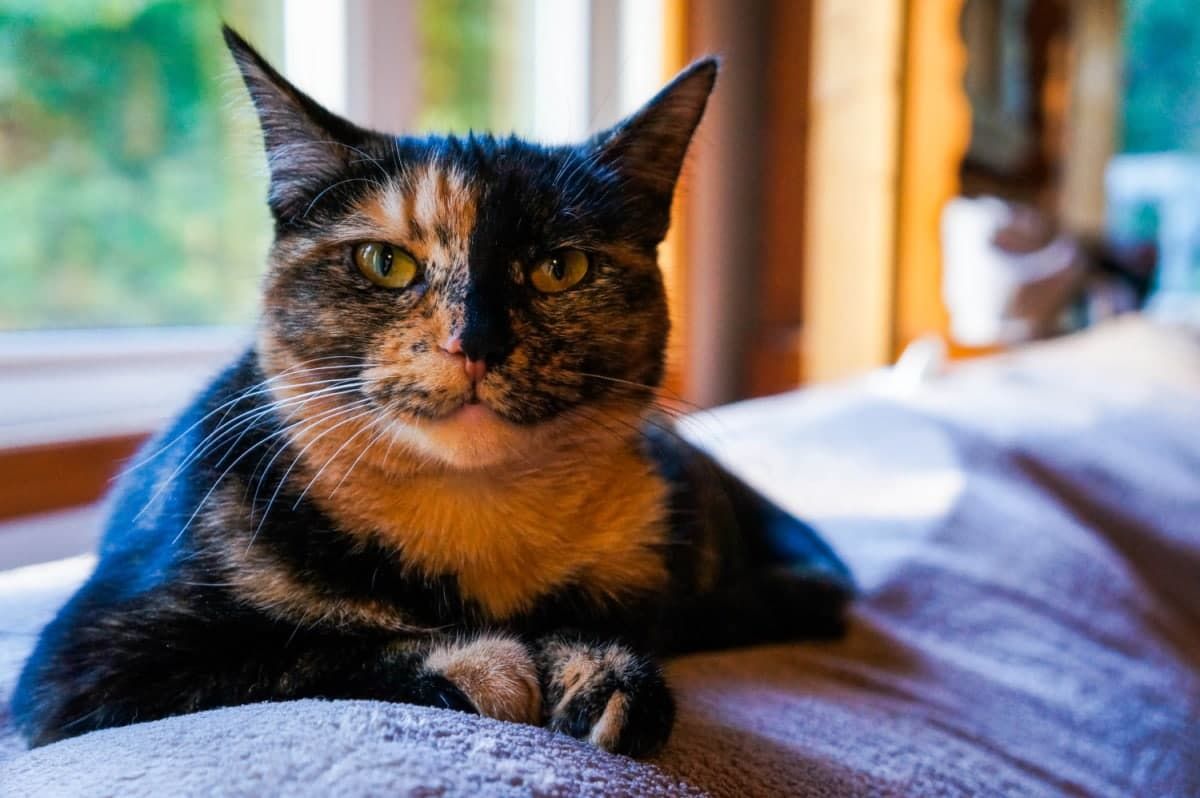
If you’re a long-time cat owner or an animal health professional, you’ve probably heard or made certain blanket statements about a kitty’s personality based on their coat color. For example, orange male cats are widely assumed to be among the sweetest kitties that you’ll ever meet. But tortoiseshell cats have quite a reputation on the other side of the spectrum!
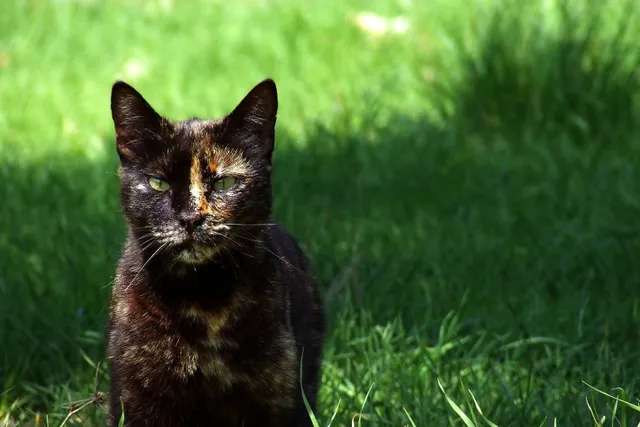
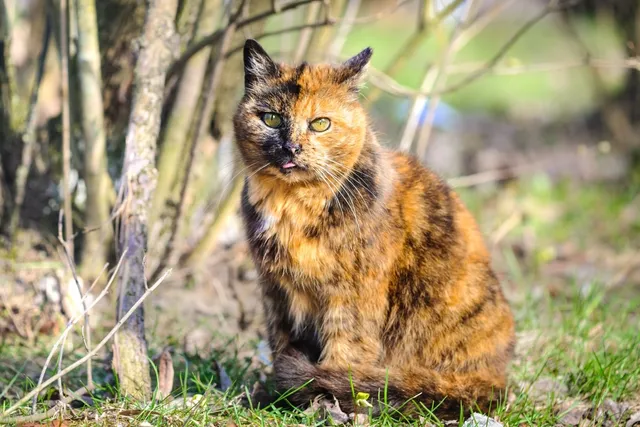
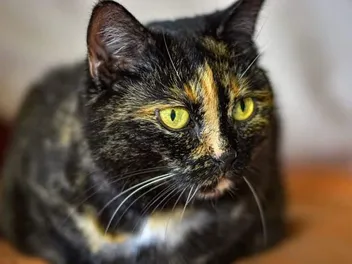
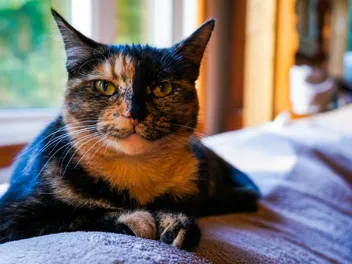
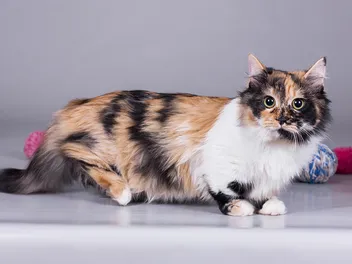
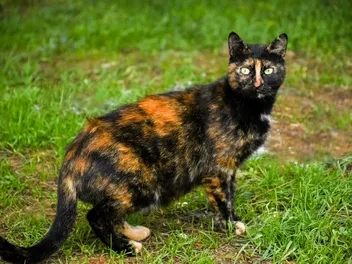
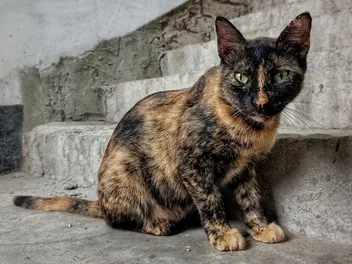
The unique personality of tortoiseshell cats is known as “tortitude,” and since the assumption of their attitude is so commonly held, cats of this color are likely to be judged instantly by potential owners. In this article, we talk about what “tortitude” is and whether it’s real. We also discuss possible reasons for this belief about tortoiseshell cats and the factors that may be more influential in shaping these felines' personalities than coat color.

What Is Tortitude?
Cats as a whole are often considered independent, unpredictable, and less affectionate than dogs, though research disputes this theory. Tortoiseshell cats in particular often seem to display these types of personality traits. Many are high-strung and dislike sharing their homes with other pets. They may be affectionate one minute and hissing the next.
Torties are sometimes called “the divas of the cat world” because they typically like things done their way and have a quick temper when crossed. Veterinary professionals, who interact with countless different cats over their careers, tend to approach dealing with torties a bit more cautiously because of their often unpredictable responses.
Cats with “tortitude” may be more independent, like to keep to themselves, and display a fiery personality when they do interact with people. They are often sassy, energetic, and talkative kitties. Tortie owners often expect to deal with a certain amount of unwanted behavior, like swatting, scratching, and even nipping.
While that may sound unpleasant, tortie cats and their unique personalities have plenty of fans among kitty owners. They love the quirks, tolerate the sass, and soak up the affection when their torties do decide to hand it out.
Is Tortitude Real?
We all know what they say about assumptions, so before we judge a whole coat color of a cat, let’s find out if there’s any evidence to support the general feelings about torties.
In 2016, researchers at the University of California-Davis vet school published a study about cat coat color and personality. The study was based on the results of a survey of over 1,200 cat owners who weren’t told what the research was for but were asked to answer questions about their cat’s interactions with humans and describe their personalities.
The results of the survey support the idea that torties and similarly-colored calico cats do display challenging and aggressive behaviors more often than many other cat colors. Specifically, the study found that these kitties were more likely to swat, hiss, chase, scratch, or bite during interactions with humans. Gray-and-white and black-and-white cats were also slightly more likely to behave this way.
Obviously, this study was based only on owner observations of a limited pool of cats, so it does come with continued questions. One to ponder is whether the owners’ interpretations of their pets’ behavior were inadvertently influenced by the general reputation of tortoiseshell cats.
No research has yet proven an actual genetic link between tortoiseshell coat color and personality. However, the results of this study, along with observations from those with a lot of experience handling cats, suggest that “tortitude” is probably real to a certain extent.

What Causes Tortitude?
While we wait for researchers to explore any possible genetic causes of the tortoiseshell cat’s unique personality, there is one possible option to consider.
Female cats are widely considered more independent and less affectionate than male kitties. This assumption tends to be based on observations rather than verifiable facts, but it exists nonetheless, to the point that several studies have confirmed its existence.
Tortoiseshell and calico cats are almost universally female because the gene that produces the coat color is sex linked. Female cats, like female humans, carry a XX chromosome. Coat color is controlled by genes on the X chromosome, one for orange fur and one for black. Male cats possess XY chromosomes, so they only have one X controlling their coat color. Since females have XX chromosomes, they have two possible coat color genes. During genetic development, one gene on each chromosome is inactivated, but the process is random.
Tortoiseshell and calico cats have active color genes in both orange and black. Calicos possess an additional gene change that results in a white color with the black and orange. The occasional male calico or tortoiseshell is actually the result of a genetic mutation rather than normal development.
When you combine the assumption about female cats’ personalities with the fact that torties are almost always female, it’s logical to wonder whether that might contribute to their reputation for “tortitude.”
What Other Factors Influence a Tortoiseshell Cat’s Personality?
A tortie’s coat color may or may not have a verifiable impact on their personality, but there are other factors involved. These causes apply more generally to all cats, not just tortoiseshells, and have more of a basis in research.
Genetics
Cats inherit some personality traits from their parents, just as humans do. A 2019 study from Finland found that almost half of the behavioral differences among cats are inherited. Both overall personality and behavior traits showed genetic links among the cats studied.
The study was conducted using primarily purebred cats but did include mixed-breed house cats. Since tortoiseshell is a color pattern, not a breed, many purebred cats can be born this color, including popular ones like the Maine Coon. Your tortie’s personality may be shaped by these purebred cat traits, including inherited ones discovered by this study.

Socialization
Early socialization is a major factor in the development of a cat’s personality. The American Association of Feline Practitioners says that 3–9 weeks old is the most crucial behavioral window for kitten development. Kittens that interact with humans during this time are unlikely to develop a fear of them in the future, while cats that are poorly socialized at this age may have behavioral issues as adults.
Research has found that kittens that had multiple positive interactions with humans between 2 and 7.5 weeks tended to remain friendlier toward humans later in life. Kittens with good early socialization adapted more quickly to new humans. For these cats, it took only a few positive interactions with a new person for them to trust them.
At the same time, kittens that were poorly socialized during that crucial early window grew up much more fearful and wary of humans. They needed many positive interactions with a human before they trusted them, while only a few negative experiences triggered a fearful response.
If your tortoiseshell cat has an unknown history as a kitten, there’s no way for you to know if they received adequate socialization. A potential lack of socialization definitely could result in some “tortitude” as an adult.

Human Behavior
Human behavior tends to influence a cat’s attitude as an adult and when they are kittens. Socialization continues throughout the cat’s life, with studies showing connections between how often cats and owners interact and whether these interactions are considered positive. Since so much of the observations of “tortitude” depend on human interpretation of a cat’s behavior, these interactions take on added meaning.
Some of how humans and cats interact is a bit of a vicious cycle. For example, humans may be more likely to view an interaction with a cat as positive when the kitty comes to them and asks for attention. If a cat is standoff-ish—as many tortoiseshell cats are—humans may view them more negatively and interact less often.
But cats that weren’t well socialized as kittens need extra positive associations with people to develop good relationships. If the human is less likely to give attention when the cat doesn’t seek it out, it can be hard to break through that shell.
Conclusion
Torties may have a reputation for “tortitude,” but their personality isn’t entirely based on their coat color. If you’re looking for a new cat, don’t let the reputation of the tortie scare you away. Many owners enjoy the spunky, entertaining personalities of these cats, along with their striking coat colors.
While it’s important to be aware of the potential for “tortitude,” remember that you have some impact on how your cat behaves. Every cat is unique, no matter their coat color, and the best match for your household also depends on your own personality and compatibility with your new pet. Torties won’t be the right fit for everyone, but truthfully, that’s the case for any pet.
See Also:
Sources
Featured Image Credit: David Boutin, Shutterstock
Expert cat care, straight to your inbox
News, insights, and useful advice, delivered to you.

No spam — unsubscribe anytime.
By signing up, you agree to our Terms & Conditions and Privacy & Cookies Policy.
How useful was this post?
Click a star to rate. You can leave written feedback afterwards. (We read all feedback.)