Birman Cat Health Problems: 14 Common Issues


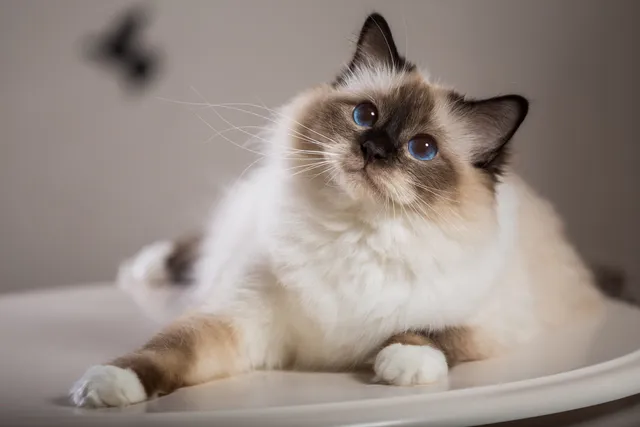
If you’re a Birman parent—lucky you! These gorgeous purr-machines always win hearts with their beauty and affectionate natures. Cat parenting does come with many worries, though—especially if your furbaby gets ill or you’re concerned about congenital illnesses. In this post, we’ll explore the health issues Birmans are predisposed to.
Don’t panic, though—just because Birmans are genetically predisposed to certain conditions, it doesn’t mean these conditions will definitely affect your Birman. It just means that these conditions are higher in Birmans, and it’s a good idea to be vigilant, just in case. We’ll also share the most common general health conditions to be aware of.

The 14 Birman Cat Health Problems
Genetic Health Conditions
Let’s kick off with the genetic health conditions that Birmans are more prone to. These conditions can affect Birmans and usually a few other breeds, too.
1. Cataracts
This condition causes opacity in the eyes and can lead to blindness, especially in older Birmans. It causes your cat’s eye to become cloudy and opaque instead of clear, which makes it harder for light to reach the retina. Many factors, including inflammation in the eye, cancer, trauma, and genetic factors can cause this condition.

2. Hypotrichosis
Hypotrichosis is a rare condition that causes balding and thinness of the hair, with patches usually developing on the head and torso. It manifests similarly to alopecia in humans and is caused by a genetic hair follicle disorder.
3. Neonatal Isoerythrolysis (NI)
Neonatal Isoerthrolysis (NI) is a genetic, immunologic condition that occurs when a newborn kitten with type A or AB blood suckles milk for the first time from a mother with type B blood or vice versa. If this happens, the kittens absorb anti-A antibodies, which destroy their red blood cells. In most cases, the kittens affected will die within a few days.
4. Arterial Thromboembolism
Birmans with heart disease are at risk of developing Arterial Thromboembolism, a condition in which blood clots in the left atrium impede blood flow to organs particularly the hind legs. This can cause weakness, pain in the legs, and even paralysis. They may also struggle to breathe properly. If you spot any of these signs, seek immediate veterinary care for your Birman.
5. Portosystemic Shunt
A portosystemic shunt is a liver-related condition. It means that in affected cats, the vein delivering blood flow from the intestines to the liver passes around the liver and instead connects to another vessel leading straight to the heart. As a result, the liver can’t detoxify the blood as it should, so the toxins go into the bloodstream instead, where they remain and build up.
Symptoms include low appetite, lethargy, weight loss, vomiting, diarrhea, and, in some cases, bladder stones. If your cat is displaying these symptoms, consult your vet.
6. Eyelid Agenesis
Eyelid agenesis is a condition that causes the upper eyelid to grow improperly. This leaves the eye vulnerable to irritation by foreign particles and substances, including dust and hair. As you can imagine, this can be incredibly uncomfortable for cats, and the earlier they get treatment, the better the chances of managing the condition down the line.
7. Feline Infectious Peritonitis (FIP)
Birmans are susceptible to developing Feline Infectious Peritonitis (FIP), a condition most common in young cats up to two years old. The condition has been linked to feline coronavirus, and, though rare, it is almost always fatal.
It’s also still a bit of a mystery to scientists, but we do know that it’s most often caused by the oral-fecal route, which means that cats have oral contact with infected poop. Symptoms include lethargy, weight loss, low appetite, and a fluctuating fever.

8. Corneal Sequestrum
Another eye condition that can affect Birmans is Corneal Sequestrum. This means that part of the cornea dies and becomes a hardened black or brown patch. It can result in opacity and difficulties with vision, with some cats developing ulceration in the eye. The condition is often treated with antibiotic ointments and surgery in some cases.
9. Hemophilia
Hemophilia is a blood disorder that causes excessive bleeding due to a clotting deficiency. Affected cats tend to bleed more than is considered normal from wounds or after surgery. In some cases, bleeding within the joints and, in serious cases, the chest cavity can occur. It can’t be cured, but it can sometimes be treated.
10. Neutrophil Granulation
This is a condition affecting the white blood cells. Blood work results that indicate the incidence of granules in the neutrophils (a type of white blood cell) could signal illness or infection, but this isn’t true in every case.

General Health Conditions
Aside from congenital conditions sometimes experienced by Birmans, there are some more general health issues affecting cats—irrespective of breed—to keep an eye out for.
1. Obesity
Obesity is one of the most common causes of other cat health issues. Serious issues cats can face as a result of obesity include diabetes, lack of mobility, and osteoarthritis. If you suspect that your Birman might be overweight, have a chat with your vet to work out a nutritional plan that will help bring their weight down.
2. Gingivitis
Gingivitis describes the inflammation of the gums. It is caused by a buildup of plaque, just like in humans. It’s recommended to regularly clean your cat’s teeth to help prevent Gingivitis from occurring. To treat a cat who already has the condition, vets perform a thorough cleaning and may prescribe antibiotics in some cases.

3. Kidney Disease
When the kidneys can no longer filter waste from the blood and do their job properly, it results in kidney disease and some cases, kidney failure. All cat breeds have the potential to develop this condition, so it’s hugely important to be aware of the signs. Signs include weight loss, lethargy, vomiting, excessive thirst, and a low appetite.
4. Gastrointestinal Parasites
Gastrointestinal parasites like roundworms and hookworms are common in cats. These parasites live in the intestines and cause signs like dehydration, dull coat, vomiting, diarrhea, and a low appetite.

Conclusion
In this article, we’ve grouped Birman health conditions into two categories—genetic health conditions specific to Birmans and general health conditions with the potential to affect any cat breed. For us, the key to keeping your Birman healthy is being mindful of the conditions that could affect them while taking care of general maintenance, like feeding a nutritious, healthy diet, providing plenty of clean water, and making sure your Birman is mentally and physically stimulated.
We’d also like to reiterate that there is no guarantee that your Birman will be affected by a genetic health condition, but taking notice of any changes, whether minor or major, can go a long way in diagnosing and treating these conditions early should they occur.
Finally, never feel like you’re bothering your vet about something seemingly minor—your vet would much rather you consult them about something that’s troubling you early on instead of letting the potential problem get worse.
Sources
https://www.vetlexicon.com/treat/felis/diseases/congenital-hypotrichosis
https://www.vin.com/apputil/project/defaultadv1.aspx?pId=99&catId=310&id=2993155
https://www.mspca.org/angell_services/feline-eyelid-agenesis/
https://vcahospitals.com/know-your-pet/feline-infectious-peritonitis
https://www.eyevetclinic.co.uk/directories/eye-conditions/corneal-sequestrum/
Featured Image Credit: Daydream Photographie, Shutterstock
Expert cat care, straight to your inbox
News, insights, and useful advice, delivered to you.

No spam — unsubscribe anytime.
By signing up, you agree to our Terms & Conditions and Privacy & Cookies Policy.
How useful was this post?
Click a star to rate. You can leave written feedback afterwards. (We read all feedback.)
Kit Copson is a freelance writer and lifelong animal lover with a strong interest in animal welfare. She has parented various furry beings over the years and is currently a proud cat mom of two—one very chilled (unless hungry) Siamese and a skittish but adorable Domestic Shorthair—and dog mom of one—an adopted Bichon Poodle cross. When not writing about or spending time with animals, Kit can be found doodling in her sketchpad, reading, or more often than not, drinking tea.