Birman Cat Breed: Info, Pictures, Characteristics & More
In this article
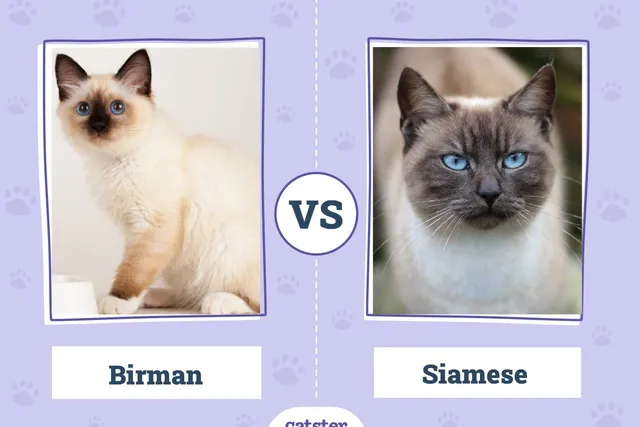
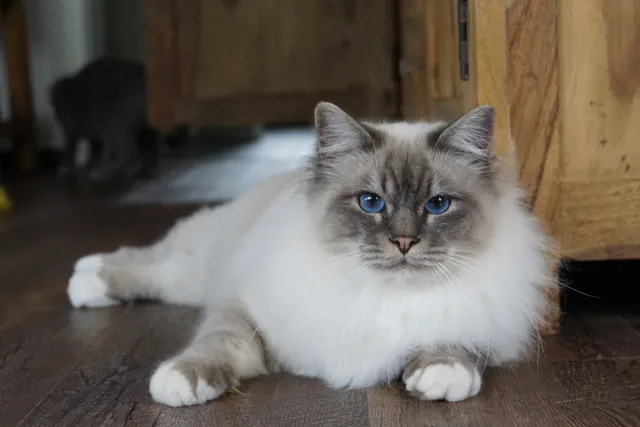
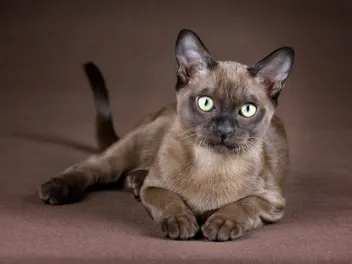
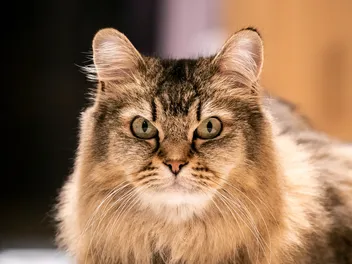
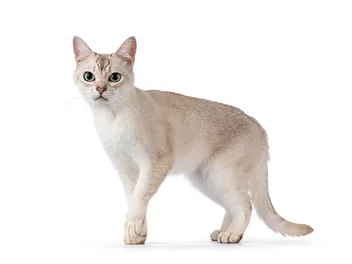
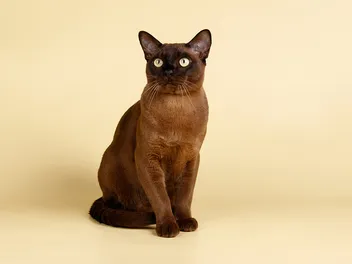
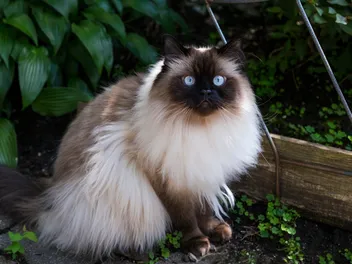
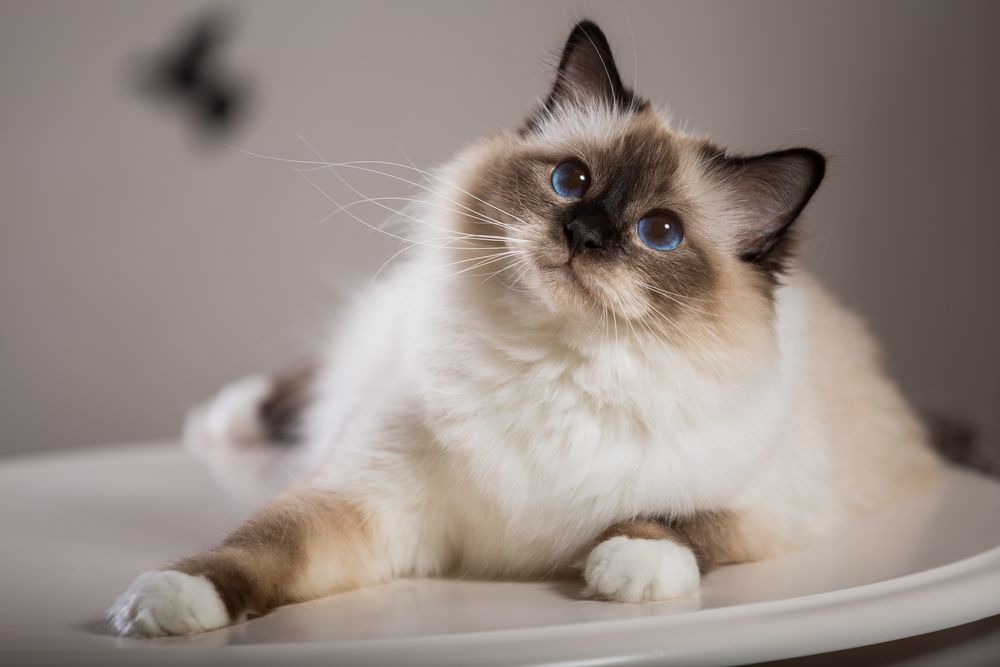
Birman cats originated from Burma (which is now known as Myanmar). Birmans are known for their unique color points, which make them resemble Siamese cats. However, what sets Birman cats apart is their distinctive coat color, known as “Mink,” which is a combination of cream and fawn. They also tend to have darker colors around their ears, faces, paws, and tails.
Breed Overview
Height:
Weight:
Lifespan:
Colors:
Suitable for:
Temperament:
Often, Birman cats are known for their very affectionate, social nature. They aren’t standoffish like many cat breeds, which has often led to them being described as “dog-like.” They tend to follow their owners around the house, asking for attention.
However, they aren’t as vocal as many other breeds (like the Siamese).
Birman Cat Characteristics

Birman Kittens
Birman kittens are playful and curious from an early age, and they’re known for being pretty social. It’s important to socialize with them during their kitten phase, though. While they are naturally friendly, socialization is still important.
Their color pattern typically doesn’t develop fully until several months after birth. Therefore, when you pick out your kitten, you may not really know what they will look like. Furthermore, these cats continue to darken throughout their life (after being born white), so their coat may look very different after a few years.
These cats aren’t as common as some other breeds. Therefore, you’ll probably have to go through a breeder to get one. Some may show up at your local shelter, but this would be a rare occurrence. Be sure to prioritize breeders that put the health of the cat first, not the paycheck. Ask about what health tests they perform on the parents, as well as the training and socialization they put into their kittens.


Temperament & Intelligence of the Birman Cat 🧠
Birman cats are known for their gentle, affectionate temperaments. They’re extremely people-oriented and tend to follow their humans around the house. They form strong bonds with everyone in their family, including children.
Birmans enjoy being part of family activities and thrive when they get plenty of human interaction. While this is great for those looking for a social cat, it’s also important that they are given the attention they need. Otherwise, they can become bored and lonely. These felines tend to be fairly calm and laid-back, as well. They aren’t as vocal as other breeds and tend to have a rather soft meow. Therefore, they’re a great alternative to Siamese cats for those who want a social breed without the noise that often comes with them.
Are These Cats Good for Families? 👪
Birman cats are typically considered to be great cats for families. They’re known for being gentle and affectionate, making them perfect for just about any family. They’re good with children and seniors alike. They form strong bonds with their family members and tend to seek out affection more than other cats.
When properly socialized, they can be very patient around children (and tolerant of a lot of noise and activity). However, supervision is still recommended. If you’re in a quieter family, the Birman’s lower noise level can be greatly appreciated, as well. Even when they do meow, they tend to be rather soft-spoken.
Of course, individual cats do vary. Some are much more vocal than others, and some may not fit the “calm” definition perfectly.

Does This Breed Get Along with Other Pets? 🐶🐱
Birman cats tend to be rather social and tolerant, which can allow them to get along well with other pets. They tend to be adaptable and open to interaction with both cats and dogs. Early socialization is extremely important, though. If you want your cat to get around dogs, then you need to introduce them to dogs at an early age. That said, their easy-going temperament makes it easier for them to integrate into families than other felines.
Gradual socialization is essential for bringing home any new pet, of course.
Furthermore, they are still cats and have a relatively high prey drive. Therefore, they shouldn’t be left with smaller pets, like rabbits and hamsters. They’ll likely consider these prey animals, even with socialization.

Things to Know When Owning a Birman Cat
Food & Diet Requirements 🐡
Birman cats have about the same nutritional needs as any other cat breed out there. They need balanced, quality cat food that is made for their particular life stage. For instance, you should feed your kitten food designed explicitly for kittens. Kittens and adults have different nutritional guidelines, as kittens are still growing.
Cats are obligate carnivores, which means that they must consume a diet with plenty of animal-based proteins. Therefore, you should look for foods that include meat as the primary ingredient, though the type of meat doesn’t make much of a difference for most cats.
Birmans have a moderate activity level, so they’re typically fine with average cat food. These cats rarely need a special diet. However, certain health problems may need particular diets to help manage them.
Exercise 🐈
Birman cats are pretty moderate in terms of their activity level. They aren’t exceedingly active, but they aren’t lazy either. You can expect them to be very playful as kittens. However, that playfulness may start to dissipate as they get older. Still, it’s important to encourage them to move at least a little bit every day to prevent obesity.
Just like in humans, staying active can help cats stay healthy as they age.
Invest in quality toys that your feline likes to play with. Some interactive toys may be a good idea, too, as this will allow your cat to play when you aren’t available. Cats may not be interested in playing with a static mouse toy, but they may be interested in a cat wand that moves by itself.
Scratching posts also provide cats with a form of exercise. While it may not look like exercise to us, scratching works many of a cat’s muscles. You can also provide cat trees to make climbing more accessible. Climbing is another great form of exercise for cats, especially as they lose some of their playfulness.
- Our Recommendations: Best Interactive Cat Toys – Catster’s Reviews & Top Picks

Training 🧶
Birman cats are exceedingly intelligent, which makes them pretty trainable. They’re also very willing to interact with their human companions, leading to them being more people-pleasing than other cats.
They do best on positive reinforcement training, especially when praise and affection are utilized as rewards. You can use positive reinforcement training to teach just about anything, from using the litter box to walking on a leash. Just like dogs, cats do best when training starts early. If you get them used to the idea of training at a young age, they’re more likely to take it well into adulthood.
Birmans can easily learn basic commands like “sit” and “come.” It’s important to keep training sessions short, though, as they may have a shorter attention span than your average dog. However, an attention span is something that can be grown, so you may be able to extend the sessions to 5 or so minutes after some practice.
Of course, patience and consistency are always important in training anything. Cats can take longer to learn new things than dogs. Therefore, we recommend expecting new commands to take weeks or even months for your cat to master.
Grooming ✂️
While Birmans don’t require as much grooming as some other felines, they still require a short brushing session a few times a week. This session helps prevent matting and reduces shedding. Use a brush with gentle bristles to remove as much loose fur as possible. You may need a comb to remove tougher tangles. However, if you brush several times a week, there likely won’t be that many tangles for you to remove.
Birmans tend to shed seasonally, so you may need to increase brushing frequency during the spring and fall months.
Sometimes, these cats may also need their ears cleaned. They aren’t particularly prone to ear infections, but that doesn’t mean that they won’t happen at all. If your cat’s ears look dirty, use a damp cotton ball to clean the outside. However, never shove anything deep into your cat’s ears.
Dental care is vital for Birman cats, as many felines end up with dental issues. Start early by using a cat-friendly toothbrush and toothpaste to clean your cat’s teeth. Do this a few times a week throughout your cat’s life to reduce the chance of decay and other dental issues.

Health and Conditions 🏥
Birman cats tend to be pretty healthy. However, that doesn’t mean they won’t end up with any health problems. Just like any cat breed, they can develop health issues under the right conditions. One of the most common health issues is hypertrophic cardiomyopathy. This condition is sadly common in many cat breeds.
Birman cats may also end up with hemophilia, which is a blood clotting disorder. When a cat ends up with this condition, they will bleed more than your average cat. Cases can range from very mild to extremely serious. However, even milder cases can be life-threatening during surgery or serious injury.
Like most cats, Birmans can also become obese, which often results from insufficient exercise and too much food. Free-feeding cats can always lead to obesity, especially if the cat is very food-oriented. While these felines aren’t particularly prone to obesity, about 60% of cats in the US are overweight. There is a very high chance your Birman will be, too, unless you take precautionary steps.
Male vs. Female
There aren’t huge differences between the males and females of this breed. However, both genders will show certain traits that the other won’t, especially if they aren’t spayed or neutered. For instance, females will go in heat, which can affect their temperament. They may become extremely loveable for a few days around their heat, or they may become more aggressive.
Females tend to go through more hormonal changes than males do. However, males may partake in more territorial marking if not spayed. Often, this starts around 6 months, but it may occur at any time. Some male cats don’t mark until they smell a female cat (even if that is only a passing whiff from the female two doors down).
Males are sometimes larger than females. However, these cats have a smaller weight variance than other breeds. Therefore, the sizing difference usually isn’t that clear. Plus, it’s completely possible for female cats to be bigger than males, too.

3 Little-Known Facts About the Birman Cat
1. They may be descended from sacred cats.
The legend of how these cats came to explain that Birmans were created out of temple cats, which were companions of the priests. Their sapphire blue eyes are thought to be a sign of their sacred nature.
2. Their coat will change throughout their lifespan.
The colored portion of their coat will darken as they age. The pigment in a Birman cat’s coat is affected by heat. Therefore, when they are first born, they are completely white (because they are warm). However, as they age, the pigment starts to darken. Senior cats tend to be cooler than adults, so they have the darkest pigment.
3. Birman cats are genetically linked to Siamese cats.
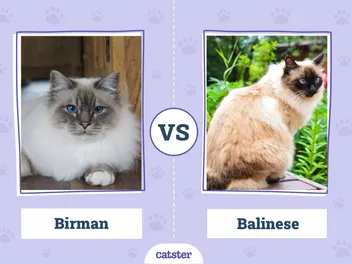
While Birmans are their own breed of cat, they likely have a genetic link to Siamese cats. They share the same rare coat pattern, for instance. Furthermore, in the West, Birman and Siamese cats were often crossed to introduce different traits into the breed.

Conclusion
Birman cats are very social, friendly felines that work well for families that spend a lot of time at home. If you want a very interactive cat, this breed tends to work well. They get along with just about anyone, including children and seniors, especially when socialized. They’re also very adaptable, which means that they can live equally well in most homes.
However, they do require a lot of attention. Because they’re so people-oriented, they can become lonely quickly. It’s important that you can dedicate enough time to these felines each day. Plus, they also need regular grooming, though this shouldn’t take more than 10 minutes a couple of times a week.
Featured Image Credit: Borkin Vadim, Shutterstock
Expert cat care, straight to your inbox
News, insights, and useful advice, delivered to you.

No spam — unsubscribe anytime.
By signing up, you agree to our Terms & Conditions and Privacy & Cookies Policy.
How useful was this post?
Click a star to rate. You can leave written feedback afterwards. (We read all feedback.)

Kristin is passionate about helping pet parents create a fulfilling life with their pets by informing them on the latest scientific research and helping them choose the best products for their pets. She currently resides in Tennessee with four dogs, three cats, two fish, and a lizard, though she has dreams of owning chickens one-day!