Cat Spinal Injury: Signs, Causes & Treatments (Vet Answer)

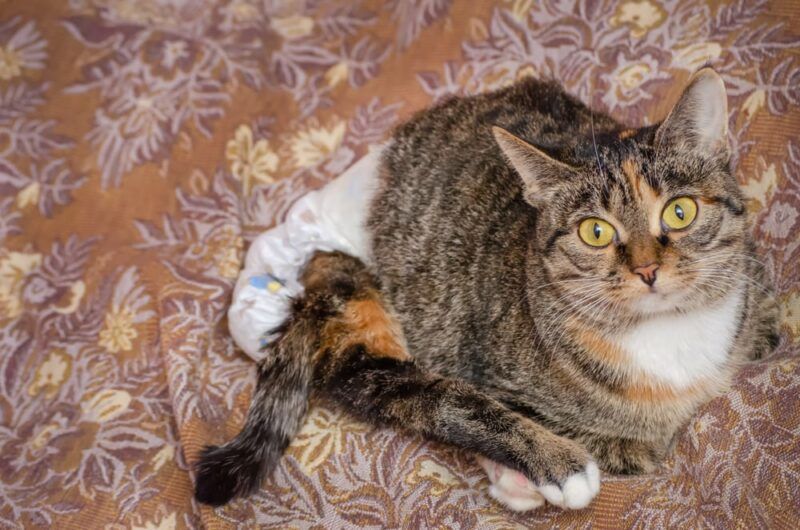
If your cat's mobility is suddenly impaired, they are in pain, their limbs are stiff or weak, they have lost their balance, they seem paralyzed in one or more legs, or they have issues with passing urine or feces, they may have a neurological condition that may be affecting their spine. However, there are many other conditions that may cause similar signs, and they can only be differentiated and confirmed during a veterinary examination.
Spinal cord injury in cats is also called spinal trauma and can be caused by spinal fractures or tumors or be the result of a disease or significant injury (car accident, gunshot wound, etc.). As the spinal cord becomes damaged, your cat may experience varying degrees of pain, weakness in one or more limbs, paralysis, inability to urinate, or urinary incontinence.
Cats with limb paralysis or weakness need constant assistance doing their daily activities while they recover. Depending on the underlying cause of this condition, some cats may show signs of significant improvement with specific therapies or even spinal surgery after weeks and months of intensive care, while others may never recover. It’s important to discuss the prognosis and your cat’s quality of life with the veterinarian in charge of their care.

What Is Spinal Cord Injury?
The spinal cord is a component of the central nervous system, localized inside the vertebral canal. It is mainly responsible for the transmission of nerve signals from the brain to the rest of the body, which are essential for the proper performance of body movements and other related functions.
Spinal cord injury is damage to any part of the spinal cord or the nerves. Depending on the causative agent, in addition to the spinal cord, nearby tissues and bones can also be damaged.
It can lead to temporary or permanent damage. Depending on the severity of the injury, your cat may lose their mobility or function in different areas of the body. In some cases, the damage is severe and cats remain permanently paralyzed.
In other cases, treatments such as surgery, medication, and physical therapy can help with recovery.

What Are the Signs of Spinal Injury in Cats?
Clinical signs of spinal injury in cats can occur suddenly or develop slowly over a long period, depending on the cause. But they usually set in suddenly, getting worse over time.
Spinal cord injuries can be complete or incomplete. When the injury is complete, it means the spinal cord is no longer able to transmit nerve signals from and to the brain. When the injury is incomplete, it means the spinal cord can still receive and transmit nerve signals.
The clinical signs of spinal cord injuries in cats may include:
The prognosis is usually poor when the cat does not feel pain in the affected limbs, or if they rapidly lose the sense of deep pain and their condition deteriorates.
What Are the Causes of Spinal Injury in Cats?
There is no singular cause for spinal injuries in cats. There are multiple ones and may include:
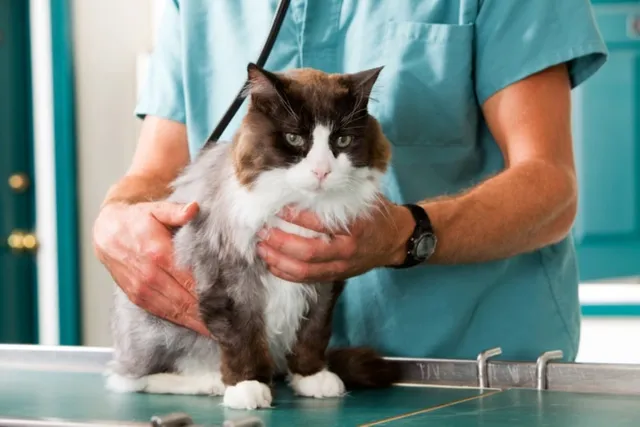
Your cat will need a complete neurological exam to determine the location and cause of the injury, regardless of whether your pet's clinical signs occurred suddenly or over time.

How Do I Care for a Cat With Spinal Injury?
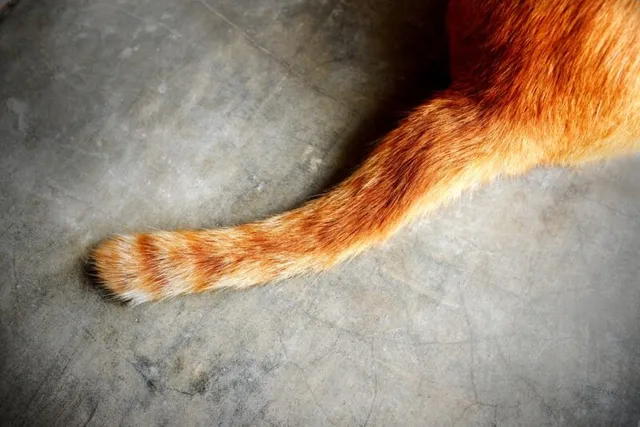
Cats can make a full or partial recovery or experience adverse effects for the rest of their lives, depending on the cause of the condition, how quickly the injury was diagnosed and treated, as well as its severity. For example, if your cat has injured or pulled their tail and caused damage to the sacral or caudal spinal cord, cauda equina, or nerve endings, your pet may lose the ability to properly use their hind limbs and tail and develop urinary and fecal incontinence because the tail contains many nerve roots.
The prognosis will be given by the veterinarian depending on the severity of the injury. The rate of recovery will largely depend on the presence of sensation at the base of the tail and at the anal sphincter, the presence of perineal deep pain, the ability to move the back legs, and the speed of urinary and fecal function recovery. Cases of minor trauma generally may have a more favorable prognosis, so there are fairly good chances of recovery. However, time and patience are of essence as the inflammation and swelling subsides, and this may take a few weeks or even months. Cat owners will receive clear instructions from their vet in order to closely follow the instructions for home management and prescribed treatment.
The prognosis is usually unfavorable/poor when cats lose their senses below the injury area and there is no improvement with conservative or surgical treatment. Paralyzed cats should rest on soft bedding to avoid injury and prevent the formation of painful bedsores. They must be checked and repositioned once every 3–4 hours. If they urinated and defecated in their bed, clean them with warm water and soap or baby wipes, and change the bedding.
For cats with paresis, paralysis, or those that have undergone spinal surgery, physical therapy will help keep their muscles strong and active and their joints healthy, as otherwise, there is a chance of muscle weakness and worsening atrophy, which will delay recovery.
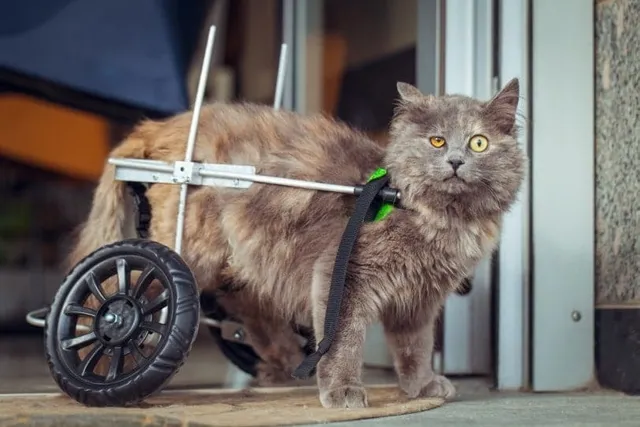
In cases where the paralysis is more permanent, more time is required for recovery. If the condition cannot be treated successfully, the vet will discuss your cat’s quality of life and whether it is ethical and appropriate to continue their treatment if they are not comfortable, or they may recommend a wheelchair for your cat if they deem this a suitable option.
Cats with wheelchairs may adapt quickly, and many can live beautiful lives. However, it’s important to have realistic expectations and realize your cat will require ongoing daily care for the rest of their lives, which is an immense responsibility.
If your cat is not able to urinate or defecate properly due to the spinal injury, they must be helped to eliminate several times a day. If they suffer from urinary incontinence, placing the litter box next to them can help prevent unwanted accidents. In severe cases, when the injury cannot be treated and/or your cat's quality of life is very poor, the veterinarian may recommend humane euthanasia.


Frequently Asked Questions (FAQs)
How Long Does It Take for a Cat to Recover From a Spinal Injury?
Sometimes the recovery is quick, and other times, it takes weeks or even months. It depends on the severity of the injury and how quickly it was diagnosed and the treatment started. In general, cats with mild neurological signs recover in 4–6 weeks, and they may need to be kept in a cage to limit their movements. In cases with severe neurological signs, surgical intervention may be necessary. Cats that lose their ability to feel stimuli have a poor prognosis and therefore, lower chances for recovery.
Should You Put Down a Paralyzed Cat?
Many cat owners think that if their pet is paralyzed (partially or totally), it is a death sentence. But that’s not always true and will greatly depend on your cat’s quality of life, the extent of their injuries, their response to treatment, and prognosis. If your cat is in pain or suffering, then it may be best to consider humane euthanasia if their condition is very unlikely or almost certainly won’t improve with time and treatment. If, however, their injuries have a fairly good chance of recovery with surgery or time, then it’s important to discuss expectations with your vet, as well as possible complications, costs, and the expected timeline.
Oftentimes your vet may recommend giving your cat a certain amount of time, such as several weeks, if they feel there is a chance of improvement, before any final decisions.
If your cat is showing good response to treatment, they will still require a lot of care at home, and both you and your cat will need time to get used to the new living conditions. In some cases, the veterinarian may recommend a wheelchair for your cat if they deem this an appropriate option.
It’s in severe cases when the treatment is ineffective and your cat's quality of life is extremely poor, such as in case of spinal tumors, that the vet may recommend euthanasia.


Conclusion
Spinal cord injuries in cats occur for many reasons, the most common being trauma (car accidents, falls from a height, or bite wounds). Clinical signs usually include the inability to walk or even move their legs, urinary incontinence, the inability to stand up or sit down, or stiff or weak legs. Spinal cord injuries are not always a death sentence, and this will depend on the cause and extent of injuries, response to treatment, and prognosis. Only in severe cases, when there is no treatment and your cat's quality of life is poor, the veterinarian may recommend euthanasia.
See also:
Sources
Featured Image Credit: ERIK Miheyeu, Shutterstock
Expert cat care, straight to your inbox
News, insights, and useful advice, delivered to you.

No spam — unsubscribe anytime.
By signing up, you agree to our Terms & Conditions and Privacy & Cookies Policy.
How useful was this post?
Click a star to rate. You can leave written feedback afterwards. (We read all feedback.)
Dr. Iulia Mihai, DVM MSc (Veterinarian)
Dr. Mihai is a vet with over 13 years of experience in laboratory, pet pathology, and cancer. She studied at the University of Agronomical Sciences and Veterinary Medicine of Bucharest, Romania (EAEVE member), where she worked in the laboratory of the faculty clinic after graduation. She has a master’s degree in equine and pet pathology and studied epithelial cancer for her Ph.D. Iulia has a passion for internal medicine and parasitology and started volunteering at the faculty’s clinic in her third year of college. She has worked in a couple of veterinary clinics over the years as an internal medicine specialist. She enjoys writing and teaching people about cat disease prevention, nutrition, behavior, and treatment.