Pet Telehealth: How Does It Work for Your Cat? Vet Approved Facts & FAQ



In this article
Pet parents are more cautious and attentive than ever nowadays, leading more of us to overreact when things seem amiss with our cats. While some issues genuinely demand immediate care, many concerns are minor, making us sometimes feel we wasted our time and our vets' time, as well as stressing our cat out, with what probably could have been an email or phone call.
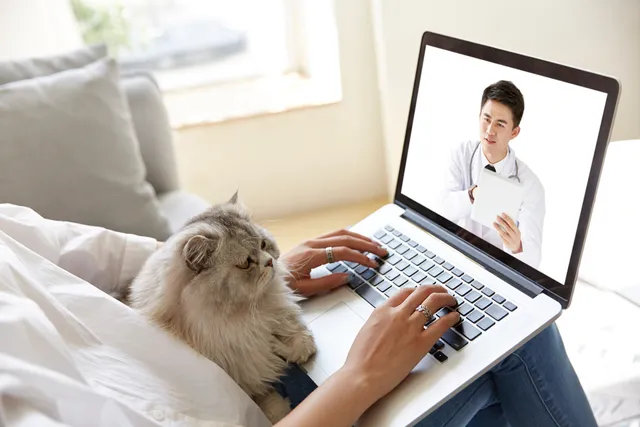
Thankfully, we now have a middle ground that saves us that effort while providing valuable peace of mind: pet telehealth. Virtual vet visits are growing in popularity, streamlining the healthcare process for everyone at home and in the vet’s office. Let’s explore how pet telehealth can work for your cat and why you may benefit from these cost-effective services.

How Does Pet Telehealth Work?
Many companies offer pet telehealth services, which connect users with veterinary experts through a virtual portal. Users set up an account for their pets and schedule virtual visits or connect immediately with a professional.
Some telehealth services use websites, while others have iOS or Android apps or a combination of all three platforms. Many provide 24/7 vet access to assist owners at any time of day, helping them potentially avoid emergency vet visits.
While televisits often involve video calls, you can usually also chat with vets or call or text them on the phone to exchange videos and pictures. Telehealth services give cat owners an easy route to answer medical questions by connecting them with vets, behavioral specialists, nutritionists, trainers, and other experts.
Typical pet telehealth offerings include:
- Cat-raising advice regarding nutrition, exercise, enrichment, and training
- Medical information about diseases, allergies, and other concerns
- Teletriage: Providing remote health assessments to recommend treatment or provide emergency referrals
- First aid guidance
Telemedicine, the branch of telehealth dealing with diagnoses and treatment, depends on the service and your state’s laws. Vets can sometimes prescribe certain medications without requiring in-person visits.
Many services add further convenience by connecting you with vets who write prescriptions and provide prescription shipping all in one place.
What Are the Different Types of Pet Telehealth?
Telehealth platforms vary in the services they offer and their payment structure. Individual visits can range from being completely free to costing a few hundred dollars. It all depends on the extent and quality of the service and the vet. Some platforms work on subscriptions, where a monthly or annual fee provides multiple virtual vet visits and account management features like personalized care plans, pet health trackers, and reminders.
You can use telehealth services to get general advice from a remote professional or connect with your usual local vet on a remote platform.
Other popular telehealth services include:
If your vet uses telehealth as part of their practice, you can schedule check-ins and ask questions from your home. You can enjoy many benefits of a regular visit, including refilling prescriptions. Pet telehealth is also popping up as a perk for membership with different groups.
Walmart, for instance, added a Pawp plan for its Walmart+ customers. Meanwhile, AirVet began specializing in working with businesses to make pet telehealth an employee benefit. As cat parents increasingly prioritize their pets’ health and quality of life, more organizations are leveraging offers like pet telehealth, paw-ternity leave, and pet insurance to entice customers and quality employees.
Where Is It Used?
Pet telehealth services are widely available. Users can access them for general health help from anywhere, though telemedicine options are much more limited.
While vets can offer advice and information on a telehealth service without previously examining an animal, they can’t diagnose or prescribe medications if they didn’t establish a veterinarian-client-patient relationship (VCPR) in an in-person appointment.
A VCPR is crucial for vets to become familiar with your pet, keep records, and supervise follow-ups and ongoing care. Remote VCPR through a telehealth platform is only legal in a handful of states, including:
- Arizona
- California
- Idaho
- New Jersey
- Vermont
- Virginia
Rules vary by state, and some prescriptions are unavailable through telemedicine visits. Laws have been evolving rapidly in recent years, and more states will likely ease restrictions to allow remote VCPR to expand pet treatment options outside the clinic.
Advantages of Pet Telehealth
Telehealth services are affordable solutions for cat owners who can’t pay for a vet visit or live too far away to make the trip. After hours, being able to contact an expert can also provide reassurance so you don’t have to make unnecessary trips to the emergency vet.
Telehealth helps clinics and pet parents. Owners get faster assistance and can schedule earlier appointments if their usual vet is booked out. Plus, cats avoid the stress of car rides and vet offices. As you use these services, you also reduce the number of patients waiting at the vet, helping them receive better, faster care for their cats in the clinic.
Pet telehealth can provide answers and advice for minor and severe health concerns, with some offering at-home care suggestions and OTC treatment options. With telehealth services, more cats can get better care, particularly those who wouldn’t typically go to the vet at all.

Disadvantages of Pet Telehealth
Though many have seen the benefits of pet telehealth following its wide use during the pandemic, some experts oppose expanding the power of telehealth vets. An essential issue is telemedicine and VCPR. The AVMA and other industry associations advocate for in-person visits before they can perform remote diagnosis and provide prescriptions.
The concern is that vets can only rely on an owner’s assistance and interpretation of health issues during remote visits. Cats can’t communicate their problems. Owners can easily misidentify an issue as a result, causing them to waste money and prolong their pets' suffering.
With an in-person VCPR, vets can evaluate cats and meet their caretakers to understand unique challenges and formulate optimal treatment plans.

Frequently Asked Questions (FAQ)
Does Pet Insurance Cover Pet Telehealth for Cats?
Since pet insurance providers reimburse you after you pay the vet up front, coverage depends less on which telehealth service you use and more on which pet insurance you pick. Several companies provide coverage for telehealth visits up to a certain amount.
Others partner with telehealth companies or have in-house telehealth services they give customers free of charge. Meanwhile, some companies don't cover telehealth at all. As more owners opt for telehealth's flexibility, more pet insurance companies will look for solutions for their customers.
If you’re in a position where telehealth makes more sense for your cat, research which pet insurance companies offer the best value.

Which Medications Can Pet Telehealth Vets Prescribe?
Getting prescriptions through any telehealth service primarily depends on where you live and your relationship with the vet. Generally, vets can make remote prescriptions if they have already established a VCPR in an in-person appointment and have seen them in person in the last 12 months.
Since state laws differ, vets may be unable to offer certain medications or treatments without seeing the pet in their office. Your telehealth vet won't prescribe medications if you don’t have a VCPR. A few states allow you to establish a VCPR through telehealth communication, but the laws vary and limit what your vet can offer.
For instance, telehealth vets can prescribe flea and tick or heartworm medications. Controlled substances, antimicrobials, and other more powerful or targeted drugs require in-person visits. Still, places like Idaho don’t allow any telehealth prescriptions with a remote VCPR, so it’s helpful to be aware of the legal details for your state.
Conclusion
Pet telehealth is creating a new era of customer convenience and improved pet welfare. Connecting with an expert who can assess your cat, provide information, suggest at-home care, and direct you to the most effective solutions takes minutes.
You save time, effort, and money while your cat enjoys a faster path to relief. Though they don’t replace the value of in-person vet visits, telehealth services fill the gaps to answer questions and promote a better quality of life for our pets.
Sources
Featured Image Credit: Pixel-Shot, Shutterstock
Expert cat care, straight to your inbox
News, insights, and useful advice, delivered to you.

No spam — unsubscribe anytime.
By signing up, you agree to our Terms & Conditions and Privacy & Cookies Policy.
How useful was this post?
Click a star to rate. You can leave written feedback afterwards. (We read all feedback.)
Nicole is a lover of all animals, especially of the feline variety. She's mom to four, three fur babies and a human baby. She and her husband, John, live on a large forest property down in New Zealand.
Their beautiful Burmese cat Baby (who is now 17 years old) was their first child, though he is now called Baby Cat since their human baby joined the party in 2022. The dogs Rosa and Mac also love cats, but the whole family agrees that King Baby Cat is enough cat for this household.
Nicole is the Director of Content Management at Catster and Pangolia. With a Bachelor's degree in Education and years of online experience, she shares her pet knowledge and the knowledge of other professionals with the world, aiming to improve pets and pet parents' lives.