How to Calm a Stressed Cat After Moving: 17 Vet-Verified Tips


In this article
Did you know that moving is considered one of the most stressful life events humans can go through? It’s true, but it’s not just us that moving impacts. Our pets can be extremely stressed out by the entire process, and because they don’t understand what’s happened, it’s even borderline scary for them.
Whether you’ve recently moved and your kitty is exhibiting signs of stress or fear, or you’ll be moving soon and want to be pre-emptive, we can help make the process easier on your fur babies. Read on to find our tips on making the three phases of moving as seamless and stress-free for your kitties.

The 17 Tips to Calm a Stressed Cat After Moving
Moving Phase One: Preparing to Move
1. Get Your Kitty Used to Their Carrier
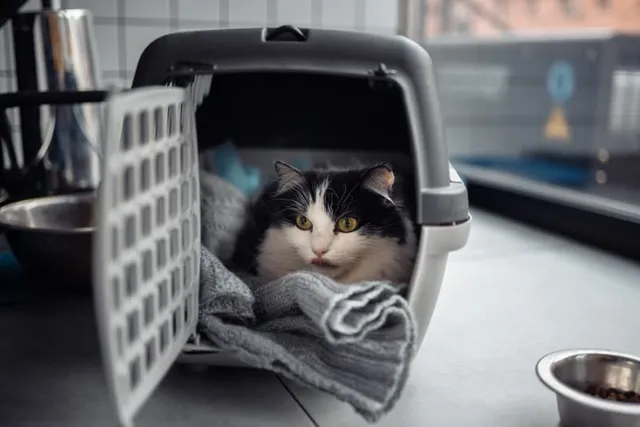
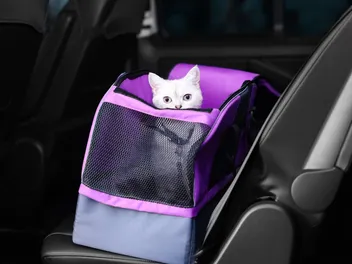
Whether you’re moving down the street or across the country, your kitty is likely to be spending some amount of time in their carrier as you enter phase two of your move. Therefore, the sooner you can get them accustomed to spending time in the carrier, the easier it’ll be for both of you.
In the weeks leading up to the move, leave the carrier in your living room with the door open. Encourage your kitty to enter and explore the carrier by putting their favorite toy or treats inside. You can even bribe them a bit by feeding them meals inside the carrier with the door open.

2. Take Your Cat for Drives
If your new home is a long drive away, you’ll need to accustom your kitty to being in the car. Wait until they’re comfortable with their carrier before taking them to your vehicle. The goal is to slowly introduce your kitty to the idea of the vehicle without petrifying them. This process can take weeks or months, depending on your pet’s personality, so the sooner you can start, the better.
The first few times they’re in your car, sit together in the backseat with them in their carrier just to get them used to being in a vehicle. Then, when they appear comfortable with that, try turning the car on and sitting in the driveway with them. After that, you can go for a short drive down the street and back, slowly increasing how far your drives are every time.
3. Talk to a Vet About Medication
If your cat isn’t taking well to being in their carrier or your car, you may need to talk to a veterinarian about medication. In 2021, my family and I took our four cats on a 16+ hour road trip to our new province, and our vet prescribed a medication to keep them calm during the drive. We administered it about half an hour before our departure, and they were calm as could be once the medication kicked in. We did have to provide a second dose about halfway through our trip as we noticed it was wearing off.
4. Consider a Cozier In-Vehicle Set-Up
If your new home is far away, you may consider investing in a large travel carrier big enough to accommodate a litter box. For our move in 2021, we set up two wire-sided dog crates, one for each of our vehicles. The crates were large enough to house two cats and their litter boxes comfortably. Don’t be surprised if your cat doesn’t use the litter box, but it’s better to have one should nature call on the road.
5. Maintain Routine
As much as moving can upset your routine, you must do your best to keep your kitty on the schedule they’ve come to expect. Cats thrive on routine, and if you’re going to bed or feeding them at wildly different times, it can be extremely stressful.

6. Bring Out the Boxes
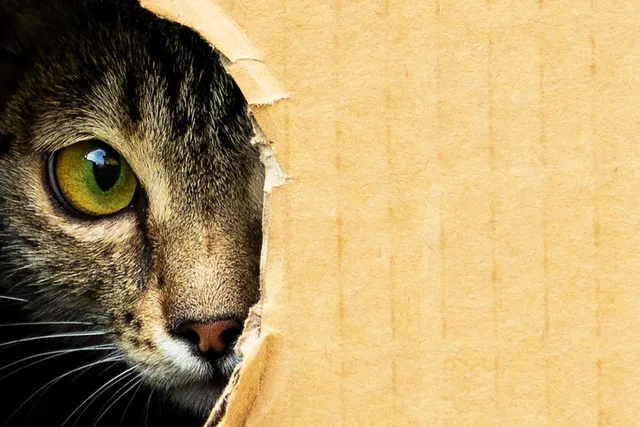
Chances are that your cat is going to love having all the extra boxes around the home, so it’s okay to bring the boxes out well in advance of your move date. Bringing them out early also allows them to become part of your cat’s routine before the movers show up.
Moving Phase Two: Moving Day
7. Put Your Cats Away
Before the moving van comes on moving day, put your cats in an empty room and keep the door closed. Leave them with the essentials they’ll need, such as their food and water bowls, cat litter, and their favorite bed. You might also wish to put one of your pet’s favorite comfort items, such as a favored blanket or toy, in to help ease stress. Let the movers know that the room is off-limits, and put a sign on the door to remind them to keep it shut.
Is there anything better than a happy cat? We don’t think so—that’s where the Hepper Nest Bed comes in.

- COMFY KITTY - Your cat or kitten will have an amazingly deep sleep in this self warming, nesting cat bed. The warm, fluffy cat bed lining provides calming stress relief for cats of all ages.
- PRETTY HOME - This round cat bed has a modern and unique design that’s perfect for a sleek indoor look. We don’t think of it as cat furniture but think of the Cat Nest as a “cat home”.
- SPACE SAVER - Reclaim your desk, window sill, or couch from kitten encroachment. This calming nest cat bed has an elevated, space-saving hideout so comfortable your kitty can't resist!
This product was designed with both your and your kitty's happiness in mind. While the comfortable bowl shape and wide lip to rest their heads on are ideal for sleepy kitties, you’ll appreciate the removable and machine-washable fleece liner for easy cleaning. It doesn’t get any better than this! Click here to try it out.
At Catster, we’ve admired Hepper for many years and decided to take a controlling ownership interest so that we could benefit from the outstanding designs of this cool cat company!
8. Feed a Small Meal
Just like humans, cats can feel stress and anxiety in various places throughout their bodies, including their tummies. Offer them a small meal to help reduce the likelihood of them experiencing an upset stomach or vomiting.
9. Bring the Carrier Out Last
Once your house is empty and the movers are long gone, you can load your cat into the carrier for your drive to your new home. Please leave them in the carrier for the duration of the trip and resist the urge to let them out, no matter how much they’re crying to be released.

Moving Phase Three: Settling In
10. Plug In Diffusers
If you’re moving to a new home in the same city, we recommend popping into your new place well in advance to plug in some pheromone diffusers. These handy devices release a drug-free vapor mimicking pheromones cats release when they feel safe and secure. Setting these up in advance will signal to your kitty in a language they understand that they’re safe and can relax when they arrive at their new home. If possible, try to plug the diffusers in two or three days in advance.
You can still use diffusers if you’re moving to a new city and can’t get to your home to plug them in before you bring your kitty. They will take a few days to work, but it never hurts to use them in situations where your kitty may feel scared or anxious.
11. Unload One Room First
Just like how you locked your cat away in a room on moving day, you’ll want to do the same when you arrive at your new home. If you can, try to unload an entire room first. Let your cat free in this room with the essentials they’ll need while you sort out the rest of the house.

12. Spend Some One-on-One Time
If your kitty is open to it, spend some one-on-one time with them in the room you’ve set up for them. Bring out some of their favorite toys and play with them. As your kitty begins to feel at ease in their new space, their fear should be replaced by a curiosity to explore.
13. Do a Deep Clean
If the old owners of your new home had pets, you may need to do a really good deep clean to get rid of as many odors from the previous animals as possible. Cats have a very good sense of smell, and if they pick up on scents from other pets, they may feel stressed and anxious about the other animals still potentially being present in this new space. Shampoo the carpets and vacuum every inch of space to remove any offending odors or lingering fur.
Our Favorite Enzyme Cleaner
The Hepper Advanced Bio-Enzyme Pet Stain & Odor Eliminator Spray is our favorite enzyme cleaner out there. It permanently removes even the very worst kitty stains and smells, leaving your home fresh and clean! Click here to learn more about this amazing product and get yourself a bottle.

- ADVANCED ENZYMATIC CLEANER - Penetrates the most stubborn smells and stains at the deepest molecular levels to dissolve any pet mess you encounter and lift it away at the source.
- FOR ANY MESS, ON ANY SURFACE - This pet odor eliminator cleans your carpets, floors, furniture, fabrics, and more. Whether it's urine, feces, vomit, or drool, you can erase all foul spots and smells!
- FRESH, NATURAL ODOR - Our unique formulation doesn't rely on dangerous or unpleasant chemical fragrances to get the job done. We eradicate smells and stains, not just cover them up.
At Catster, we’ve admired Hepper for many years, and decided to take a controlling ownership interest so that we could benefit from the outstanding products of this cool cat company!
14. Cat-Proof Your New Space
Before letting your cat out to explore their new home, do a walkthrough to ensure there are no nooks and crannies your kitty could crawl into to hide. Check the screens on your windows to ensure they’re secure and hole-free. Look for mouse traps or cleaning supplies the previous owners may have carelessly left behind.
15. Set Up Their Spaces
Before letting them out to explore, set up their litter boxes in their permanent locations so they can sniff them out and remember where they are.
You may also want to set up their cat trees, window perches, and beds, too. This is especially important if you’re moving with multiple cats, as they’ll all want to “claim” objects that belong to them in this unfamiliar environment.

16. Follow Your Pet’s Lead
The more stress your cat is feeling in their new space, the more gradual and deliberate you’ll need to be about introducing them to their new home. Allowing a stressed or anxious cat free reign of a space they’re unfamiliar with may be too much for them.
17. Supervise the First Exploration
Supervise your kitty’s first exploration sessions when you feel they are ready to explore more of their new home. You may want to expand their territory slowly, allowing them to get comfortable with one room before opening up another to them.

Final Thoughts
Moving is stressful for all involved, but with our tips, the process will hopefully be a little less taxing on your kitty. It takes some time, patience, and forethought to ensure your move is as easy on your pet as possible, but it’s worth the effort. You’ll ultimately be less stressed out if your kitty is less anxious about the move, so you’ll be doing yourself a favor in the long run.
Featured Image Credit: evrymmnt, Shutterstock

Expert cat care, straight to your inbox
Vet-reviewed advice, behavior tips, and the best of Catster. Free, and you can unsubscribe anytime.
By signing up, you agree to our Terms & Conditions and Privacy & Cookies Policy.
For Chantelle, writing and animals are the two driving forces in her life. Growing up on the Canadian prairies surrounded by pets, she now shares her home with five cats, two guinea pigs, and a bearded dragon. Chantelle, her husband, and their child pride themselves on being dedicated pet parent, even spending a fortune on wall-mounted cat shelves to provide their cats with an indoor jungle gym. When she's not snuggling with her cats or photographing their humorous moments, Chantelle is exploring the Rocky Mountains, rewatching her favorite Netflix series, and reading up on various random subjects.
Join the conversation
Ask a question, share your story, or send private feedback.