Get

In Your Inbox

Catster is reader-supported. When you buy via links on our site, we may earn an affiliate commission at no cost to you. Learn more.

Can Cats Sense Anxiety & Depression? Vet-Approved Science & Info


Share

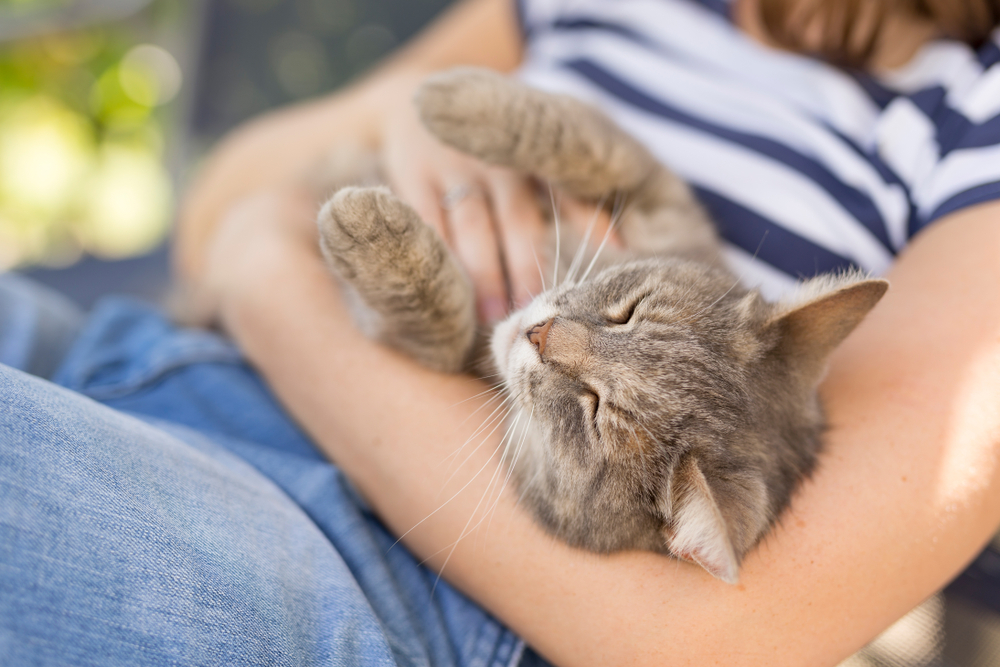
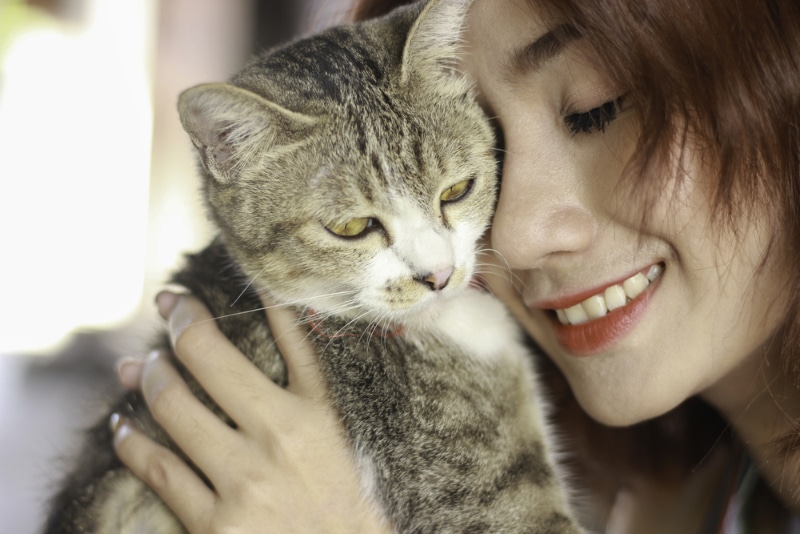
cat on woman owners lap

When it comes to pets that are good at sensing their humans’ emotions, dogs are usually the first to come to mind. After all, felines have a reputation for being independent and stand-offish rather than being “man’s best friend”. But are felines really incapable or unwilling to pay attention to how their people are feeling?

It turns out that felines can and do sense how we’re feeling, including when we’re anxious or depressed. Not only can our cats sense emotions such as anxiety and depression, but they can also change their behavior to act accordingly, determined by our mood. How do they do it?

Here’s how cats sense anxiety, depression, and more in their humans and how they can help those dealing with depression and anxiety!

divider 3 paws

Can Cats Sense Depression?

Studies indicate that cats can sense depression1 and spend more time with people who are depressed. However, they likely cannot understand that what you’re feeling is depression. Nonetheless, they likely do know that something is off.

Another study also found that cats seem to approach people more often when they sense that they are agitated or stressed 2.

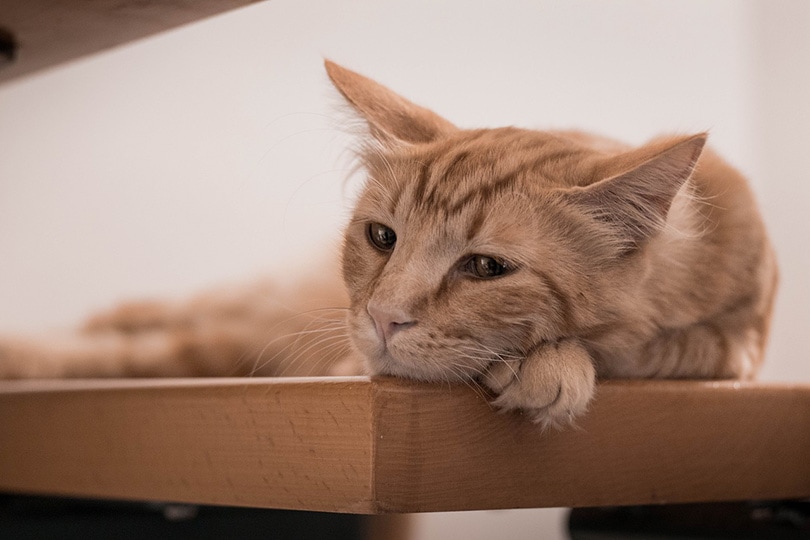
What exactly are they paying attention to? An overview of feline emotional cognition3 shows that felines can recognize emotions via visual and auditory observations. So, if you’re depressed and are feeling low-energy, you might address your cat in a listless voice, which they pick up on. Or if you’re frowning or crying, your pet will definitely notice. And if you haven’t had the urge to leave bed for a few days, other than to feed your cats and yourself, you can be assured your cat has noticed that something is off.

cats paw on mans face
Image Credit: Nataliabiruk, Shutterstock

Can Cats Sense Anxiety?

When it comes to cats sensing anxiety, they’re still looking at you to determine how you feel, but they’re doing it a bit differently from how they sense depression. With emotions such as depression or happiness, your pet is picking up on what you’re saying or how you look and act. With anxiety, your pet is doing what’s known as social referencing.

A study4 put cats and their owners into a room filled with fans that had attached streamers. Some people were told to act happy about the fans, while others were told to act as if they were afraid. The result was the cats looking at their owners to see their reaction to the fans before deciding how they themselves would react. So, with anxiety, your cat is still looking at how you’re acting to figure out how you feel but also often mirroring that anxiety.

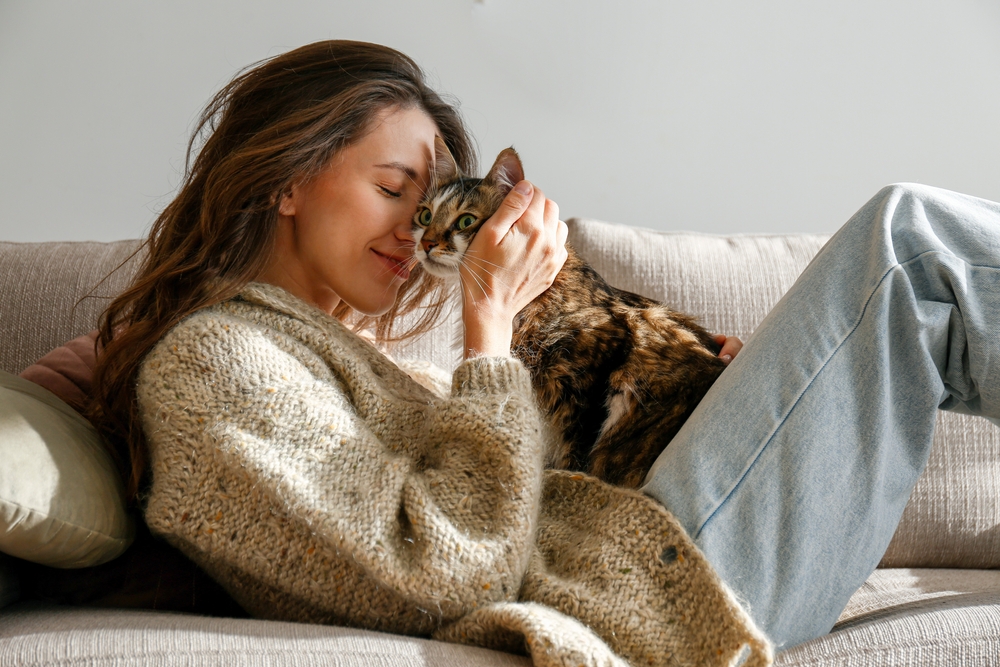
young woman with ragdoll cat on couch
Image Credit: rock-the-stock, Shutterstock

Can Cats Help Those With Anxiety & Depression?

Absolutely! In fact, cats can make excellent emotional support animals. What is an emotional support animal? It’s an animal that brings comfort to a person. These animals aren’t service animals since no training is involved in becoming an emotional support animal, but they are accepted under the Fair Housing Act (in the US).

Why do our feline friends make good emotional support animals? For starters, our kitty’s purr is sort of magical; not only does it have therapeutic powers , like lowering blood pressure and reducing the risk of heart attacks, but it may even help heal broken bones!

Another reason our cats are great at helping us through depression and anxiety is probably their ability to distract us. When dealing with mental health issues, such as anxiety or depression, one of the more important things you can do on bad days is to distract yourself from negative thoughts or behaviors. And what’s more distracting than a cute, cuddly kitty that wants to snuggle and play?

Cats may help reduce loneliness (which can often be a factor in depression and anxiety), and because we’re responsible for our pets, they encourage us to keep going so we can properly care for them.

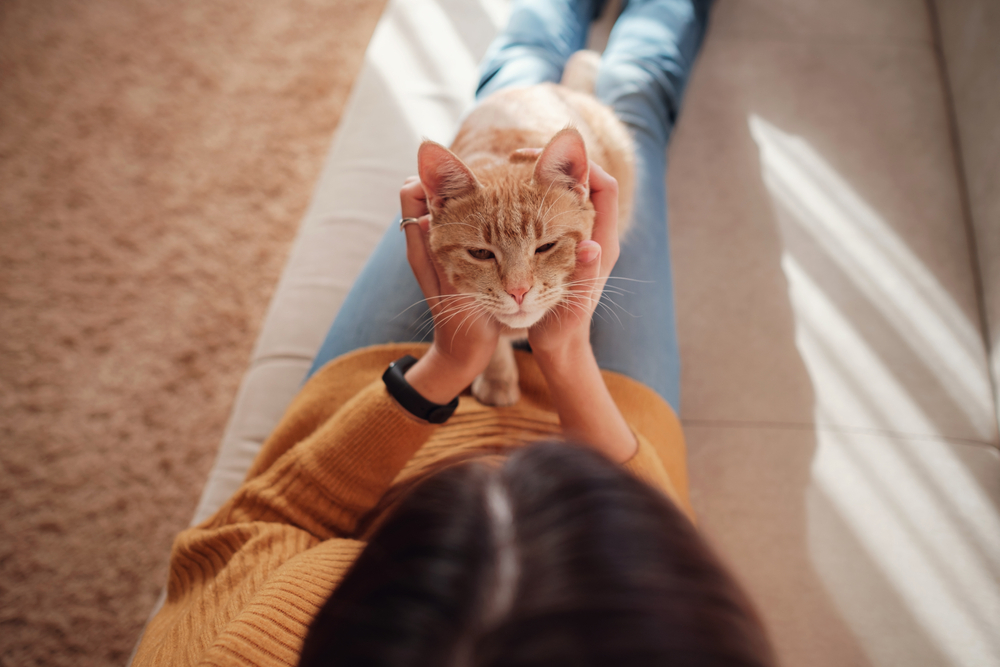
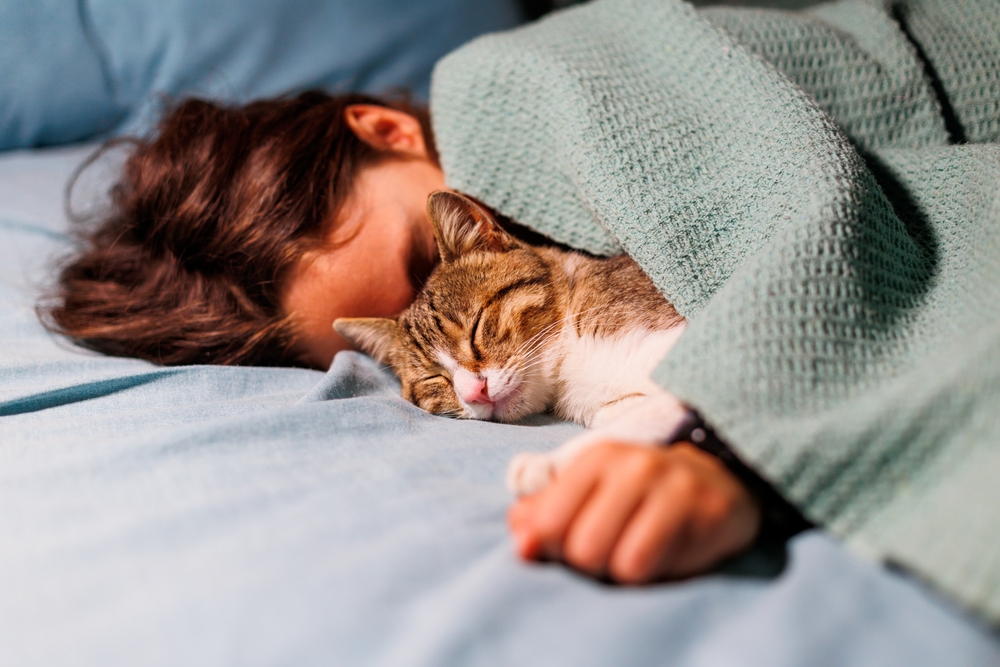
woman resting with her cat
Image Credit: U__Photo, Shutterstock

divider 3 paws

Conclusion

Felines are absolutely capable of sensing anxiety, depression, and other emotions. They even look to us to see how they themselves should act or react to stimuli! And if you’re feeling down and out, your favorite kitty may be a useful resource. Cats make wonderful emotional support animals, as they have healing purrs, help distract us from negativity, reduce loneliness, and give us something to keep going for.

See also:

“Sources”

Featured Image Credit: Impact Photography, Shutterstock

Want content like this delivered to you?

Sign Up For Our Newsletter

News, insights, expert advice, and everything cat

* By submitting, you agree to our Terms & Conditions and Privacy & Cookies Policy.


How useful was this post?

Click on a star to rate (you can leave written feedback after clicking submit)

Help us improve Catster for pet parents!

Your feedback really matters.

What did you like about this post? Also how can we improve it?

Join the conversation

Leave a Reply

You’re very welcome to leave a comment or question. Please know that all comments must meet our community guidelines, and your email address will NOT be published. Let’s have a positive and constructive conversation.


Catster's Digital Magazine is Back!

Vet-approved health & behavior advice

Real cat stories & community features

When a Cat Becomes a Water Fountain – Why Cats Vomit After Drinking

Seeing a cat drink water and then promptly bring it back up can be confusing. Sometimes the explanation is fairly simple, particularly if...

Chatting About Sleeping Positions, Loafing & Cats in Tubes | Chatty Cattys, Episode 33

In this episode of Catster’s Chatty Cattys podcast, Dr. Karyn and Nicole dive deep into the fascinating world of feline sleep behaviors. From...

The Bite Stuff: The Truth Behind a Cat’s Sudden Nip

A cat bite that seems to come out of nowhere is one of the more confusing things a cat owner deals with. Everything...

Your Cat’s Purr Proves They’re One of a Kind

There are few sounds more comforting to a cat parent than the familiar rumble of a purring cat. You probably know your own...

More related

Can Cats Be Double-Jointed? Our Vet Explains Facts & FAQ

A common phrase associated with cats is, “If I fits, I sits.” They can contort into some of the craziest positions, and you...

7 Best Catnip Sprays of 2026 – Reviews & Top Picks

Are you familiar with catnip? It is a fragrant herb that gets cats licking, chewing, or rolling in bliss. Some cats become calm,...

Feline Actors: Our 20 Favorite Movies Starring Cats

While I often watch movies with my cats, it’s a rare treat to find a movie featuring felines. Dog movies abound (anybody still...

Can Cats Eat Kidney Beans? Vet-Reviewed Facts & Health Guidelines

Kidney beans are a tasty legume chock full of health benefits for humans, but are they something you can share with your cat?...

Keep reading

Why Your Cat Is Hiding Under the Bed: 9 Vet-Reviewed Reasons & Tips

Cats are interesting creatures. They can be crabby, interactive, standoffish, or comical. It can be challenging to decipher why a cat does what they do, especially regarding things like hiding under the bed. So, why would your cat hide under...

cat hiding under the bed

6 Alternative Types of Natural Cat Litter: Vet Approved Options

If you’re searching for a new cat litter or natural alternative to the traditional clay litter, you are in the right place. Many cat owners (and some cats) don’t care for the clay-based litters—either the feel of these litters or...

woman cleaning cat litter at home

10 Best Fish Oil Supplements for Cats in 2026 – Reviews & Top Picks

Finding the right fish oil supplement can be a challenge for cat owners. The benefits of supplementing with fish oils are extraordinary and more and more owners are introducing this supplement into their feeding regime. It is always best to...

hand giving ginger cat some supplement using dropper

Why Is My Cat Obsessed With the Toilet? 6 Possible Reasons

Seasoned cat owners know our feline friends are prone to unique behaviors and quirky habits. One of the most puzzling cat fascinations you might observe may also leave you feeling slightly disgusted. Some cats just seem to love the porcelain...

black and white cat sitting on the toilet bowl

How Long Does a Scottish Fold Live? Average Lifespan Data & Vet-Reviewed Facts

Scottish Folds are renowned for their adorably unique appearance resulting from their flat-folded ears, big eyes, and friendly round faces. They are affectionate, easy-going cats that form a loving bond with their owners. However, this breed is not without its...

scottish fold kitten on mirror and wooden texture

Why Does My Cat Cry When I Leave? Vet-Verified Reasons & Solutions

While cats are often considered not to be terribly interested in people, they’re actually sensitive, loving creatures that become deeply attached to those they share their lives with. Companion cats develop bonds with their people that resemble those formed between...

Cat meowing

Why Does My Cat Wink at Me? 3 Vet-Verified Reasons for This Behavior

If you are like most cat owners, you are regularly surprised by your cat’s behavior. Cats are rarely predictable, at least until they get old and set in their ways. One quirky thing that some cats seem to do is...

A photo of a lazy Cat winking at the camera

How Much Should My Cat Weigh? Vet-Approved Chart & Infographic

Cats are one of America’s favorite pets, but as more of them spend their lives indoors, they are also putting on more weight. Obesity can lead to several health problems, but most importantly, it shortens their lives. If you want...

Cat paws stand on smart scales that makes bioelectric impedance analysis, BIA, body or weight fat measurement

Love Cats? So Do We! Join the Catster Community

Stay informed with expert pet care insights delivered straight to your inbox! Discover professional guidance on animal behavior, feeding tips, trusted product picks, and much more.


Sign up for the Catster Email Newsletter

Stay informed with expert pet care insights delivered straight to your inbox! Discover professional guidance on animal behavior, feeding tips, trusted product picks, and much more.