Can Cats Help With Anxiety? 9 Vet-Verified Reasons They Do


Cats give us so much, and we should count ourselves lucky that they choose to share their lives with us! We get their love and companionship and enjoy their antics and soft purring.
But they also give us a way to deal with our stress and anxiety. Some cats even seem to know exactly when we need their help.
Whether you want to learn more because you’re just curious or you’re hoping for a way to relieve some of your anxiety, read on as we explore the ways that cats can help with mental health.

The 9 Ways That Cats Help Reduce Anxiety
1. They Help Lessen Stress
It’s been proved through research that a pet cat can have a positive impact on their owner’s mental health. Basically, science tells us that owning a cat helps us feel calmer and less anxious.
A 2015 Australian study found that cat owners had better psychological health compared to those who didn’t own cats. A 2002 study found that pet owners were better equipped to handle stressful scenarios. The researchers measured the heart rates and blood pressure of the owners during stressful situations, which remained at healthier levels compared to people without pets.

2. Purring Is Therapeutic
Purring has been proven to be healing and therapeutic. Researchers have found that since a cat’s purr has a low frequency of about 25 to 50 Hz, the same frequency used in vibration therapy in human medicine. Cats might purr when frightened and injured, and at these frequencies, it’s possible that this aids in healing.
When we hear and feel a cat purring, it can release endorphins, which can help with mental and physical health.
3. They Provide Companionship
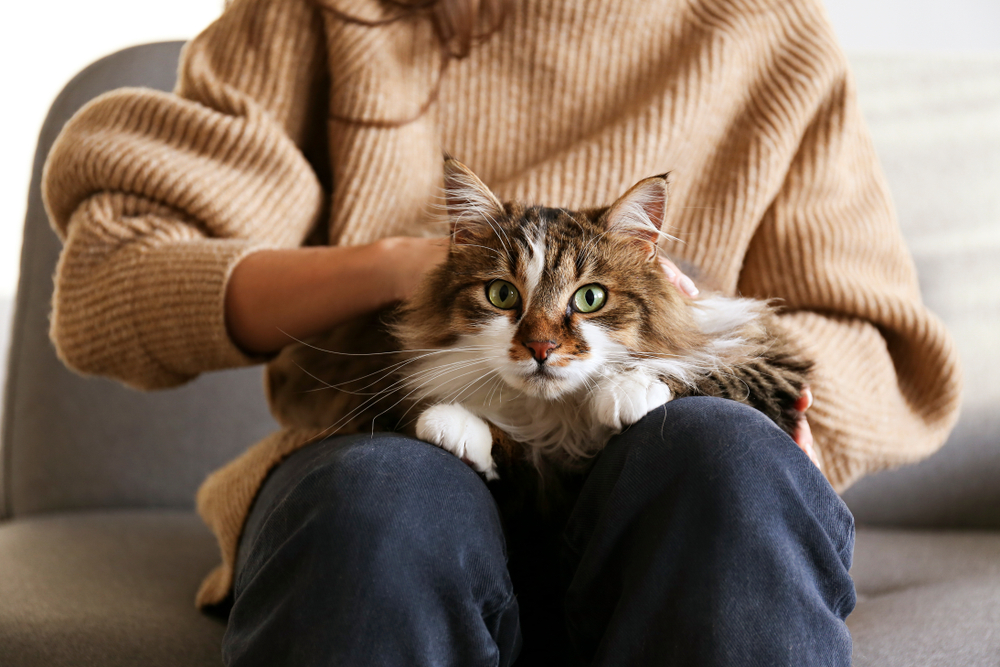
If you live on your own or sometimes suffer from loneliness, a cat can provide companionship. A 2013 study discovered that 36% of pet owners were less lonely than people without pets.
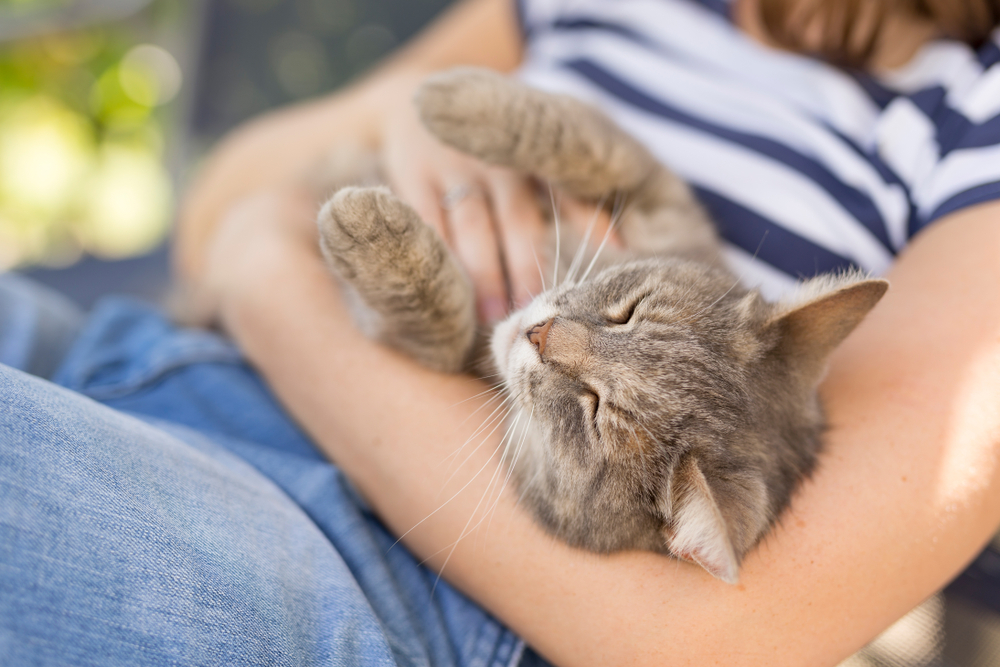
Being able to stroke your cat, feed them, and even talk to them gives us a reliable and loving friendship.

4. They Boost Self-Esteem
Taking care of other living beings, like children or pets, can give us feelings of fulfillment and accomplishment.
The better care we give to our cats, the more likely it is that we’ll feel good about ourselves. Since cats tend to be picky about the people they put their trust in, you can’t help but feel more self-worth because your cat chose you.
5. Cats Make Us Calmer
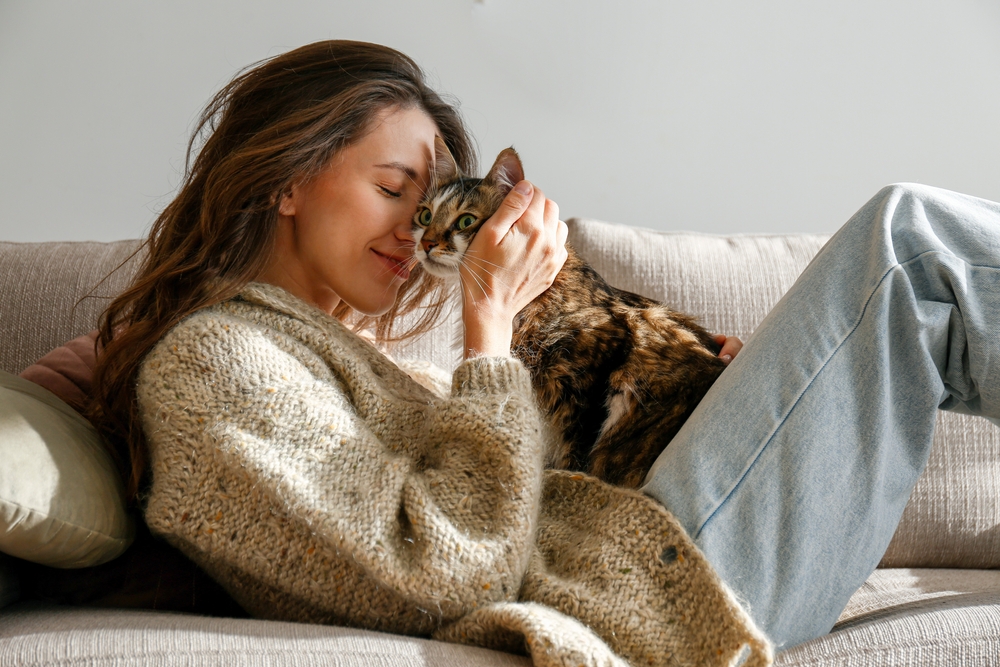
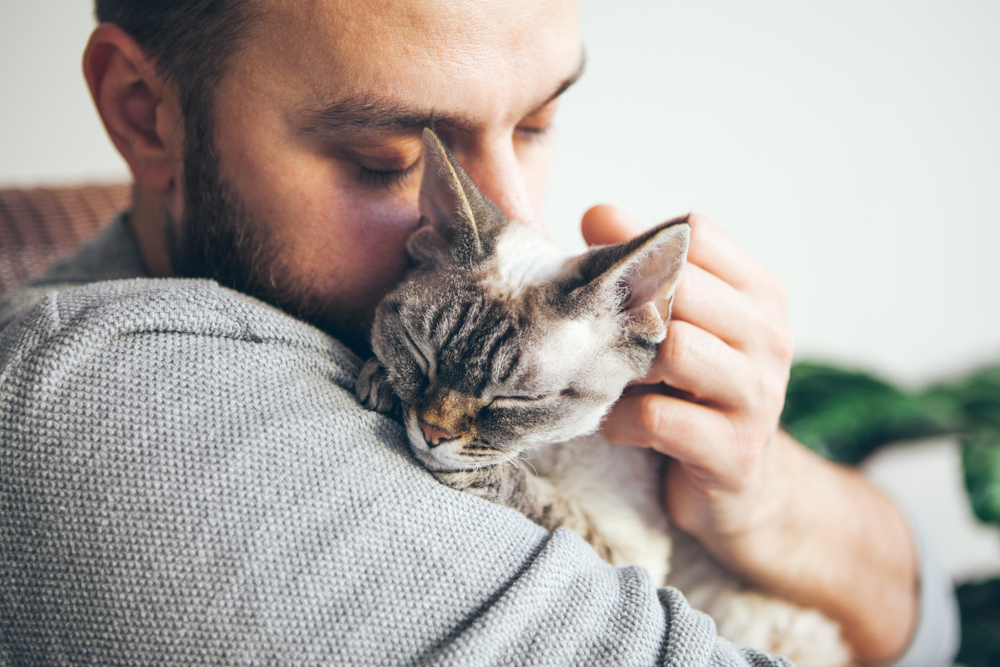
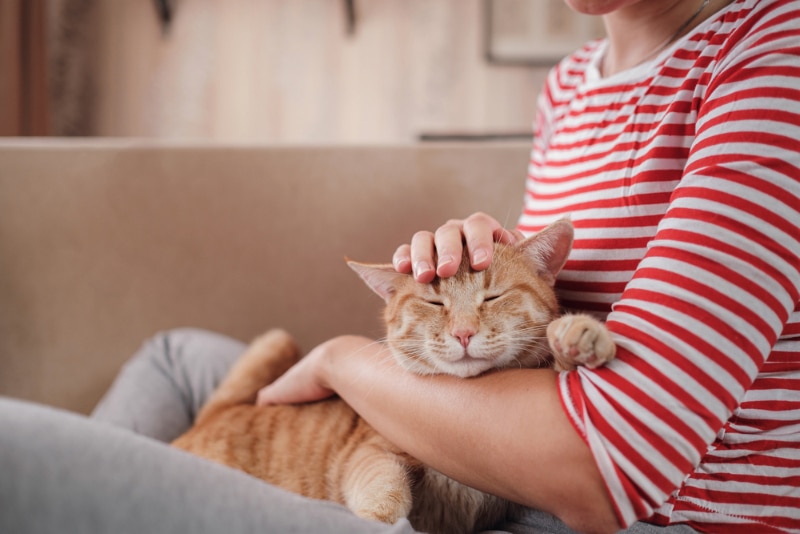
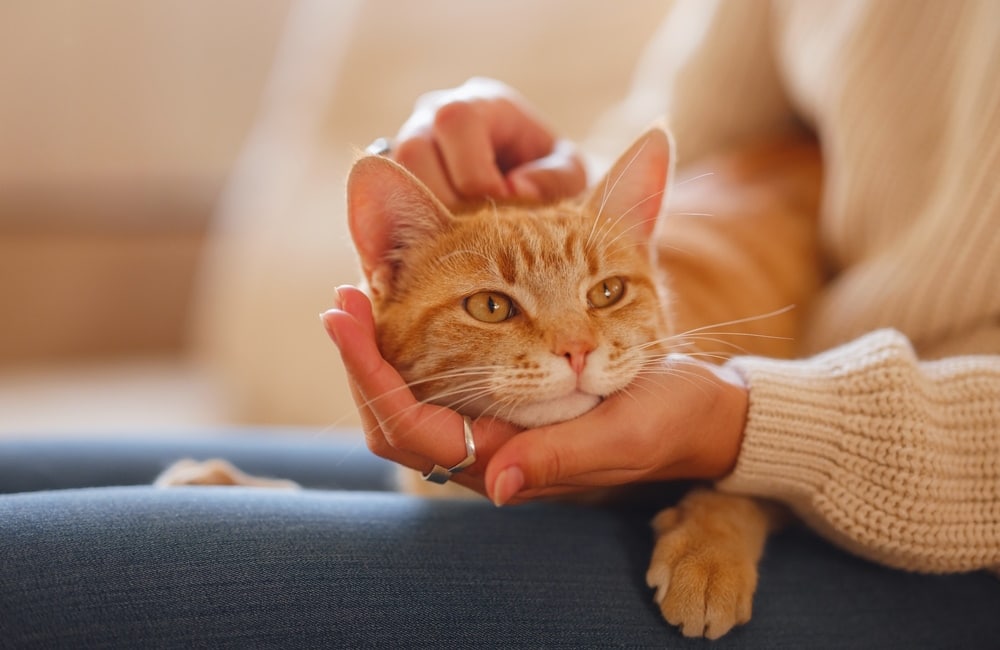
Beyond reducing stress and anxiety, just the act of stroking your cat can make you feel calmer. If you come home in a bad mood, take a moment to pet your cat (and cuddle them if your cat is the cuddly type). You’ll likely find yourself quickly feeling calmer!

6. They Make Us Laugh
Whether you’re watching the antics of cats on videos online or seeing your own cat being silly, there’s no question that they are entertaining!
“Laughter is the best medicine,” as the saying goes. While it isn’t entirely accurate, you must admit that laughing at your cat when they have the zoomies (for example) is a great way to dispel any negative mood that you might be experiencing.
7. They Are Successful Therapy Animals
Cats don’t work as service animals, as they are far too independent-minded. But they have been used successfully as therapy cats. By doing things like purring and helping with anxieties, they can also contribute these positive attributes to others.
Therapy cats are trained and accompany a professional handler to visit patients of all ages to provide a comforting presence to those dealing with loss, loneliness, trauma, depression, and anxiety.

8. Cats Help Provide a Better Quality of Sleep
This isn’t accurate for all cat owners, of course—some of us can’t let our cats in the bedroom because they prove to be disruptive.
But if your cat doesn’t bother you during the night, they can actually help you sleep better. A 2015 study found that 41% of pet owners found their pets to be neutral or beneficial for having a better night’s sleep.
9. We Have a Reason to Get Up Every Day
Life can drag us down at times, and when getting out of bed becomes a chore, it is still doable because you know that you have a cat relying on you.
As independent as felines are, they still need support from us to survive and make their lives fulfilling, which can make our own lives fulfilling in return.


Is Your Cat Trying to Comfort You?
When you’re feeling stressed or upset, you might wonder if your cat will try to comfort you. After all, they can likely sense that something is wrong through auditory and visual cues, such as pacing, anxious actions, or crying.
Signs that your cat might be trying to comfort you are:
No one knows for certain if cats knowingly try to comfort us, but even if they don’t, their presence can sometimes be comforting enough.

The Numbers
The American Psychiatric Association (APA) ran a poll to see how pets positively affected people’s mental health:
Signs that your cat might be trying to comfort you are:
Of all surveyed pet owners, cat owners were more likely to state that their pets offered companionship, reduced stress and anxiety, and were a calming presence.
Conclusion
Cats likely help us in more ways than we’re aware of. From their calm and comforting presence to their therapeutic purrs, felines can truly help us with our loneliness and anxiety.
Our kitties love us unconditionally, which is truly a powerful thing!
Sources
Featured Image Credit: PeopleImages.com - Yuri A, Shutterstock

Expert cat care, straight to your inbox
Vet-reviewed advice, behavior tips, and the best of Catster. Free, and you can unsubscribe anytime.
By signing up, you agree to our Terms & Conditions and Privacy & Cookies Policy.
Kathryn was a librarian in a previous lifetime and is currently a pet writer. When she was a child, she hoped to work in ZOOs or with wildlife in some way, thanks to her all-consuming love for animals. Sadly, she's not strong in the sciences, so she fills her days with researching and writing about all kinds of animals and spends time playing with her adorable but very naughty tabby cat, Bella. Kathryn is hoping to add to her family in the near future – maybe another cat and a dog.
Join the conversation
Ask a question, share your story, or send private feedback.