Are Cats Territorial About Their Litter Box? Our Vet Explains

In this article
If you know anything about caring for cats, you’ll know that toileting habits are a particularly important aspect of feline husbandry. Cats will use their urine and feces—or more specifically, the scents or pheromones of these bodily excretions—to send messages to other cats, as well as other animal species. In wild or outdoor feline populations, scent marking with urine and feces is the most common way in which a cat will declare their presence to other cats, and outline the reaches of their territory. Conversely, if they want to avoid detection, cats will be more fastidious about covering their tracks.
If urine and feces play such an important role in territorial behavior, does that mean that they are territorial about their litter box? The answer might surprise you.

Toilet Talk
You may have heard cats yowling, hissing, and fighting in the alleys, or eyeing each other up over fences or through windows, but in reality, cats prefer a less confrontational approach to communication. Conflict risks injury, so cats will only engage in physical fighting as a last resort, and often the sounds we associate with a feline skirmish are just that: sounds. Even better than a lively verbal debate is to avoid a face-to-face meeting altogether, which is where the strategic depositing of urine and feces comes into play.
Cat pee and poop may smell offensive to our delicate senses, but cats can glean a large amount of information by taking a big whiff, such as the age, sex, reproductive status, and even the dominance of another cat. They use this information to decide whether the individual in question is likely to welcome or reject their presence, and whether or not they should risk a confrontation or give them a wide berth.
For cats that live indoors, the need to use urine and feces to send olfactory messages to unknown felines is much reduced, although some cats will engage in territorial marking if they so much as spy an unknown cat through the window.
With all this in mind, it would stand to reason that the litter box would be a zone of information and communication, particularly in multi-cat households, but the litter box is actually the one place where urine and feces have a lot less to say.

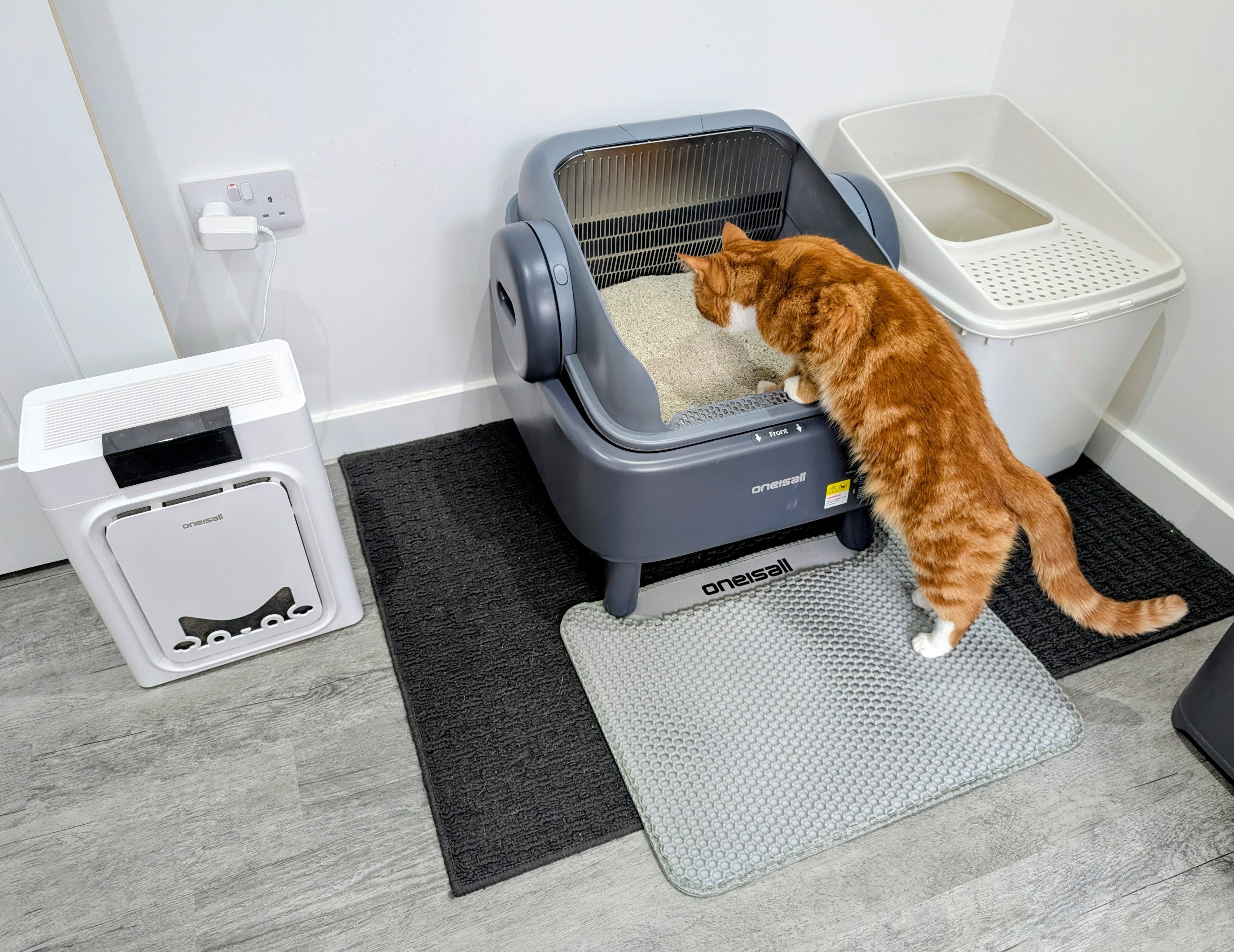
Are Cats Territorial About Their Litter Box?
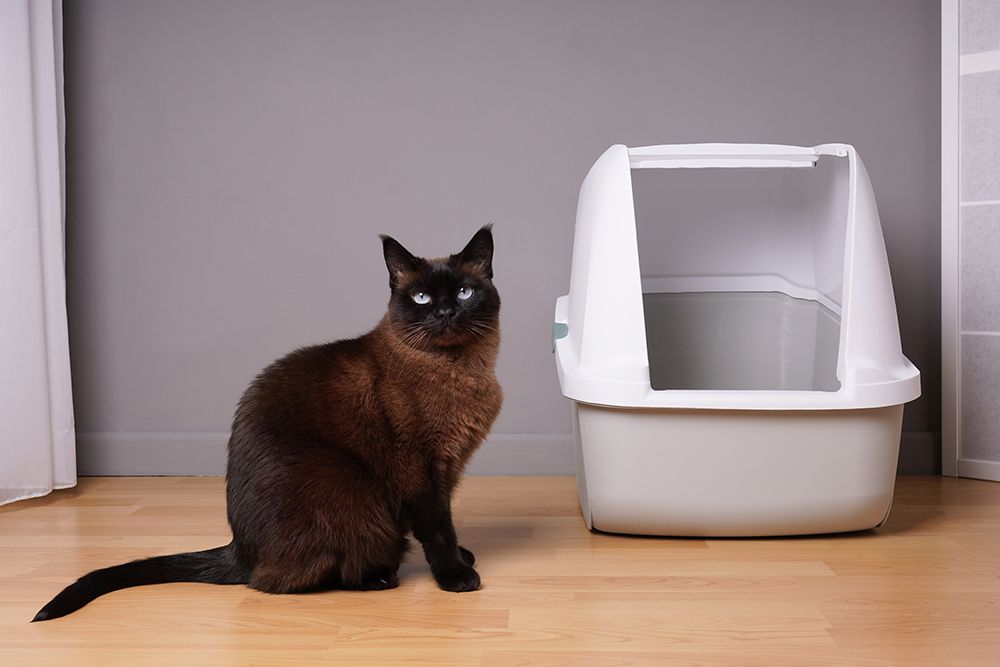
Most cats prefer a fresh litter box, with some refusing to use it until all traces of a previous user have been removed. However, there are also many cats that are less bothered by the presence of another cat’s waste. Essentially, a cat’s approach to their litter box comes down to their individual preferences, their relationship with their fellow felines, and the overall dynamic of the cats in the household.
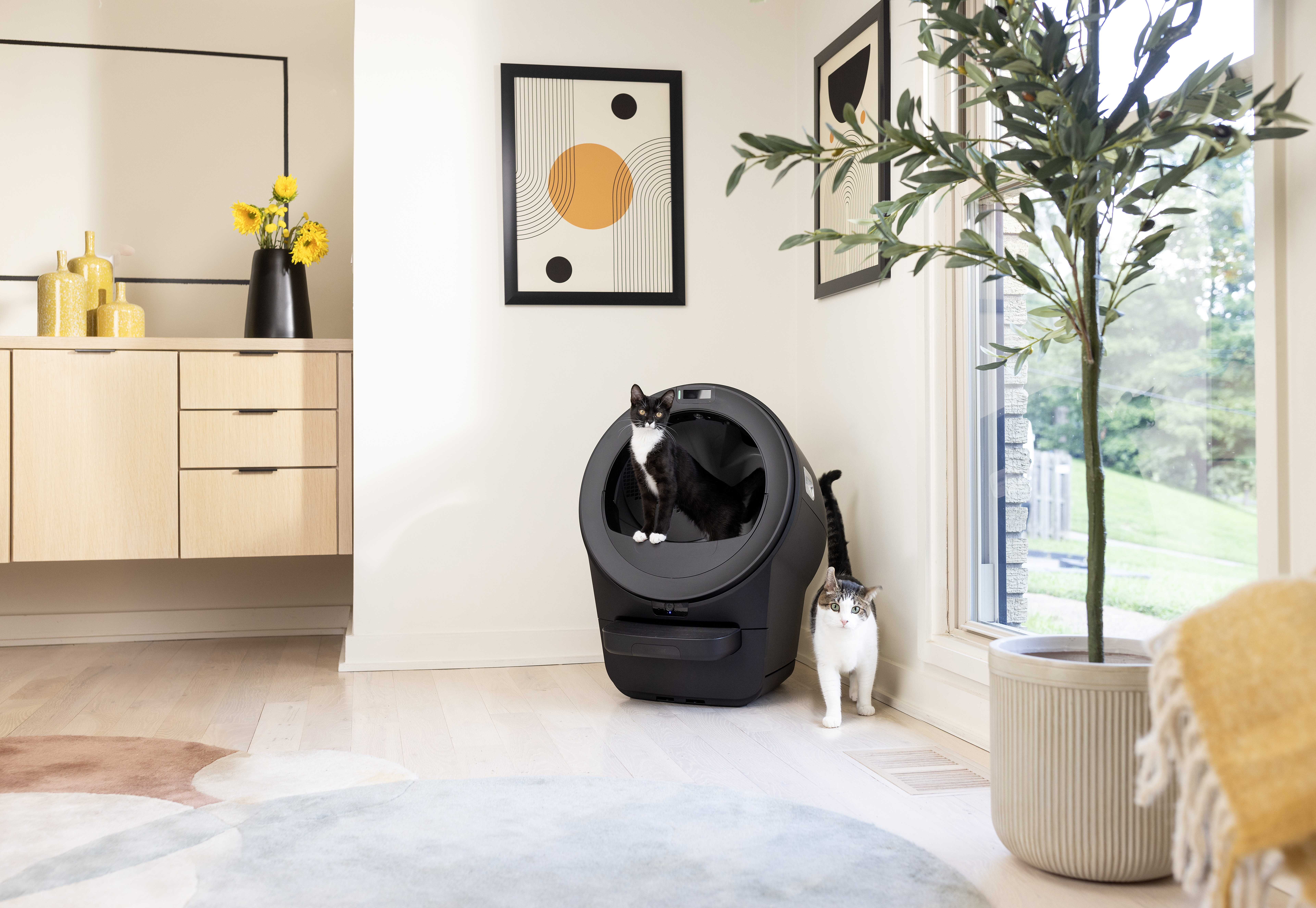
It has long been recommended that in a multi-cat household, there should be a minimum of one tray per cat, plus one extra. This ensures that, at any given time throughout the day, each cat should be able to find an unused tray. However, cats do not appear to be strict about which tray they use. In other words, cats don’t tend to claim one tray as their own and are happy to use whichever tray they deem suitable at the time.
Group Dynamics
Cats in closely bonded groups will often utilize the same litter box regardless of whether or not it has already been soiled. This may apply to all the cats in the home or a small subgroup.
Cats that don’t get along so well are more likely to avoid using a tray that has been soiled, but will still use a tray previously utilized by the other cat, provided it has been scooped out in between.

Litter Boxes Are Not Billboards
When cats use urine or feces to mark their territory, they will spray urine on vertical surfaces at feline face height, and leave feces uncovered to maximize impact. When cats use litter boxes, they tend to dig deep trenches for their deposits, taking great care to cover them at the end. The reason they do this is to avoid making an olfactory statement.
The litter box is purely functional, it is not a vessel for communication.
If indoor cats want to send a territorial message through toileting, the litter box is the last place they will go.

Frequently Asked Questions
Do urine and feces smell different when used to mark territories?
Sometimes. A large part of territorial scent marking is to do with how and where the mark is made (eg. on vertical surfaces, near paths used by animals), but varying hormone levels, particularly those associated with reproductive status and stress, can alter the chemical signature left behind. It may not smell different to us, but cats will be aware of the differences.
Additionally, a cat may also express their anal glands at the time they leave feces and urine behind, altering the message they are trying to put across.
My cat toilets outside the litter box - is this territorial behavior?
Cats will pee or poop outside the litter box for various reasons, including territorial behavior. However, stress, cystitis, and an aversion to the litter box, litter material, or litter box location are more common reasons for toileting outside the box, and this sort of behavior warrants a check-up with the vet.
One of my cats waits outside the litter box to attack the other - why?
This form of guerilla warfare is quite common among cats, and it can sometimes be a playful behavior. More often, however, it can be evidence of bullying, and you may need to keep a close eye on the situation. If one cat is regularly ambushed when they use the litter tray, it may cause them to seek alternative locations to do their business, as well as contribute to a stressful environment.
If this is becoming an ongoing problem, you may need to think about implementing some pheromonal products to help improve the relationship between the cats and look at using open trays to prevent cats from being able to sneak up on the one using the litter box.

Final Thoughts
Although urine and feces play an important role in feline communication and territorial behavior, the litter box is one area where a poop is just a poop. While cats tend to prefer to use a freshly scooped tray, they are generally happy to share litter boxes rather than laying claim to a particular box. In some cases, closely bonded cats will even use the same tray before it has been scooped.
It is important to ensure your cats always have access to a clean litter box by providing enough litter boxes for the number of cats in your home, as well as keeping the litter regularly scooped and replaced.
If your cat is toileting outside the litter box, there could be a behavioral or health problem at work, and it’s best to speak with your vet.
Sources
Featured Image Credit: Axel Bueckert, Shutterstock
Expert cat care, straight to your inbox
News, insights, and useful advice, delivered to you.

No spam — unsubscribe anytime.
By signing up, you agree to our Terms & Conditions and Privacy & Cookies Policy.
How useful was this post?
Click a star to rate. You can leave written feedback afterwards. (We read all feedback.)
Dr. Karyn Kanowski BVSc MRCVS (Veterinarian)
Dr. Karyn comes from Queensland, Australia, and has lived in the UK for the past 10 years. In 2010, she graduated from The University of Queensland School of Veterinary Science and also has a Bachelor’s degree in Zoology. She is passionate about using evidence, experience, and owner collaboration to provide the best solutions for pets, and believes in making reliable information about animal health accessible to all. Dr. Karyn shares her home with five cats, four dogs, and one husband. When she is not in the scrubs, she spends her time writing, gardening, and cleaning up pet hair!